




Pet accessories have come a long way from being simple items you buy because they look cute. Today, collars, harnesses, beds, bowls, toys, carriers, grooming tools, and other accessories can make everyday pet care easier while adding a little personality to your companion’s routine.
However, the most attractive accessory isn’t always the most practical one. A collar that looks great but fits poorly can be uncomfortable. A fashionable toy with loose pieces may create a safety risk. A beautiful bed may not provide enough support for a growing puppy or older dog.
The goal is to find accessories that combine style, comfort, functionality, and safety.
Whether you’re preparing for a new puppy, upgrading your cat’s essentials, or simply looking for useful products for your longtime companion, this guide will help you choose accessories that genuinely improve your pet’s everyday life.
What Makes a Good Pet Accessory?
Before buying something simply because it looks appealing, consider four important factors:
1. Safety
The accessory should be appropriate for your pet’s size, age, behavior, and physical condition.
2. Comfort
Your pet should be able to move, eat, sleep, play, or walk without unnecessary restriction.
3. Durability
Products should be able to withstand normal use without quickly breaking, fraying, or becoming hazardous.
4. Practicality
The best accessory is one that solves a real problem or makes routine care easier.
Style can come after these factors.
1. Collars, Harnesses, and Leashes
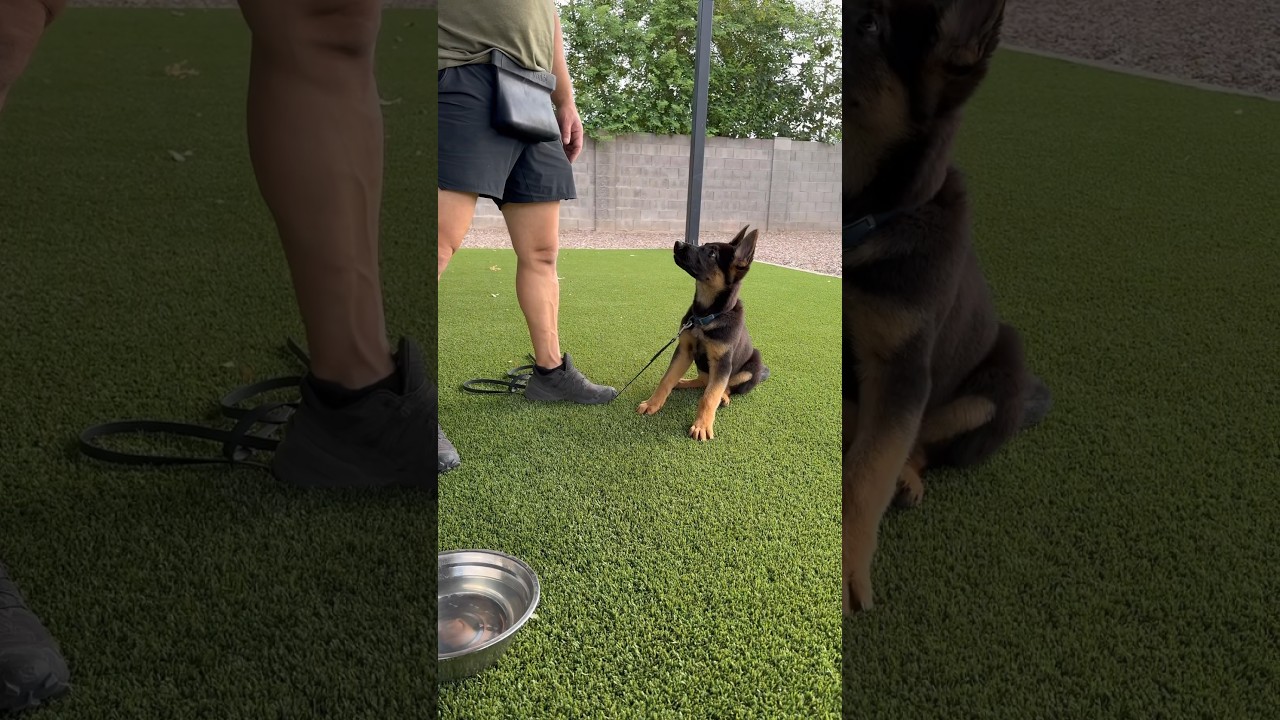
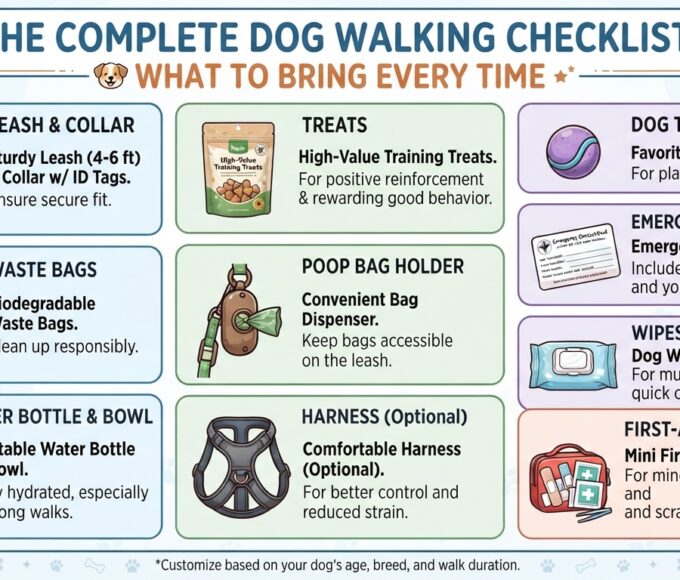
For dogs, collars and harnesses are among the most frequently used accessories.
A collar can hold identification information, while a properly fitted harness may provide a useful option for walking and controlling a dog without relying solely on pressure around the neck.
For cats, collars should be specifically designed with safety in mind. A properly fitted breakaway collar can reduce the risk of a cat becoming caught on an object.
What to look for
Choose equipment that:
- Fits securely without being excessively tight
- Uses strong, reliable hardware
- Is appropriate for your pet’s size
- Doesn’t rub or restrict movement
- Can be adjusted as your pet grows
- Is made from comfortable materials
For dogs, consider whether a collar, harness, or combination is most appropriate for your individual pet.
Add some personality
Once safety and fit are covered, you can choose from plenty of styles:
- Personalized ID tags
- Patterned collars
- Reflective materials
- Colorful harnesses
- Matching leash sets
- Bandanas
Reflective or high-visibility equipment can be particularly useful during walks in low-light conditions.
2. Food and Water Bowls
Your pet’s feeding area is another place where functionality matters.
Stainless steel bowls are popular because they are generally durable and easy to clean. Ceramic bowls can also be practical when they are made for pet use and kept free from chips or cracks.
Some pets may benefit from specialized feeding equipment.
Examples include:
- Slow-feeder bowls for pets that eat too quickly
- Spill-resistant bowls
- Silicone feeding mats
- Automatic feeders
- Elevated feeding setups when recommended for an individual pet
Don’t assume that elevated bowls are automatically healthier for every dog. Feeding arrangements should suit the individual animal and any veterinary recommendations.
Keep bowls clean
Food and water bowls should be cleaned regularly.
Water bowls in particular should not be left with stagnant water for long periods.
A washable feeding mat underneath the bowls can also protect your floor from spills.
3. Interactive Toys for Mental Stimulation
Toys aren’t simply entertainment. They can provide mental stimulation, encourage appropriate play, and give pets outlets for natural behaviors.
Dogs may enjoy:
- Puzzle toys
- Treat-dispensing toys
- Fetch toys
- Tug toys
- Chew toys
- Snuffle mats
Cats may enjoy:
- Wand toys
- Balls
- Catnip toys
- Puzzle feeders
- Interactive electronic toys
- Scratching toys
Choose toys according to your pet’s size, chewing strength, play style, and preferences.
Rotate toys instead of buying endlessly
You don’t necessarily need dozens of toys available at once.
Try keeping several toys accessible and rotating others periodically. Reintroducing a toy after some time can make it more interesting again.
Always inspect toys regularly and remove damaged items that could become choking or ingestion hazards.
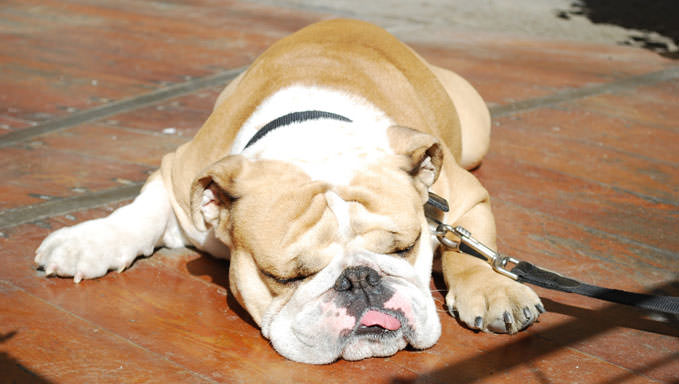
4. Comfortable Beds and Resting Spaces
Sleep and rest are important parts of a pet’s daily routine.
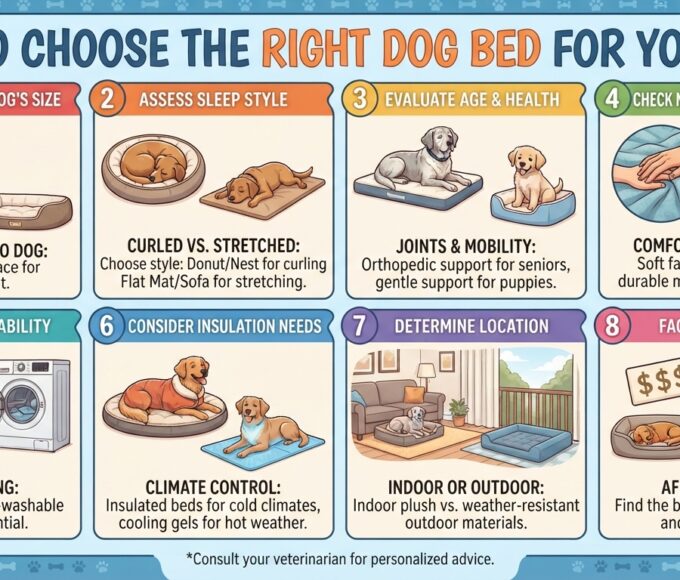
A good bed should provide a comfortable place where your pet can relax without being disturbed.
Different pets have different preferences.
Some dogs prefer:
- Flat sleeping mats
- Bolstered beds
- Orthopedic-style beds
- Cooling beds
- Washable cushions
Cats may prefer:
- Enclosed beds
- Window perches
- Soft cushions
- Elevated resting platforms
- Covered hideaways
Consider your pet’s age
A young puppy may benefit from a washable and durable bed because accidents and chewing are common.
Older pets may appreciate a supportive sleeping surface that makes getting comfortable easier.
Whatever style you choose, prioritize easy cleaning and appropriate support.
5. Grooming Accessories
Grooming equipment can make routine care easier while helping your pet stay comfortable.
Useful items may include:
- Brushes
- Combs
- Dog-specific shampoo
- Cat grooming tools
- Nail clippers or grinders
- Towels
- Ear-cleaning products recommended by your veterinarian
- Dental-care supplies
The correct brush depends heavily on coat type.
For example, a long-haired dog may require different grooming equipment from a short-haired breed.
Don’t use human shampoos or grooming products unless a veterinarian specifically recommends them for your pet.
6. Pet Clothing: Fashion With a Purpose
Pet clothing can be adorable, but comfort and safety should always come first.
Depending on the animal and circumstances, clothing may provide useful protection from cold, rain, or certain environmental conditions.
Examples include:
- Lightweight jackets
- Raincoats
- Sweaters
- Cooling garments
- Protective boots
But not every pet needs clothing.
Watch for signs of discomfort
Remove clothing if your pet:
- Tries repeatedly to escape it
- Becomes unusually stressed
- Struggles to move normally
- Pants excessively
- Chews at the clothing
- Becomes overheated
- Shows restricted movement
Never use clothing as a substitute for proper temperature management.
A pet should also be supervised while wearing unfamiliar clothing or accessories.
7. Stylish Bandanas and Bowties
If you want a simple way to add personality without putting your pet in a full outfit, bandanas and bowties can be fun choices.
You can find:
- Seasonal patterns
- Personalized designs
- Birthday-themed accessories
- Holiday styles
- Matching owner-and-pet designs
Make sure the item is appropriately fitted and doesn’t interfere with your pet’s breathing, movement, vision, or ability to groom themselves.
8. Carriers and Travel Accessories
A reliable carrier is particularly important for cats and small pets, and travel equipment can also be useful for dogs.
A good carrier should be:
- Secure
- Well ventilated
- Appropriately sized
- Easy to clean
- Comfortable enough for the journey
For car travel, dogs should be appropriately restrained rather than allowed to move freely around the vehicle.
Useful travel accessories include:
- Portable water bowls
- Food containers
- Travel mats
- Seat covers
- Waste bags
- Pet travel carriers
- Secure travel restraints
Never leave your pet unattended in a parked vehicle, especially in warm weather.
9. ID Tags and Microchip Information
Some of the smallest accessories can be among the most important.
An identification tag can contain:
- Pet’s name
- Owner’s phone number
- Other useful contact information
Make sure the information remains current.
Microchipping is another important part of responsible pet ownership. Unlike a GPS tracker, a microchip doesn’t provide live location information. Instead, it can help identify a lost pet when scanned by an appropriate facility.
Keeping your registration details updated is essential.
10. Scratching Posts and Cat Furniture
Cats have natural needs that ordinary furniture may not satisfy.
A scratching post can provide an appropriate outlet for scratching behavior while potentially helping protect household furniture.
Other useful cat furniture includes:
- Cat trees
- Window perches
- Climbing platforms
- Hideaways
- Tunnels
- Elevated beds
When choosing a cat tree or climbing structure, stability is extremely important.
A tall structure that wobbles or tips easily can be dangerous.
11. Pet Stairs and Ramps
Pet stairs and ramps can help some animals access furniture or vehicles more easily.
They may be especially useful for pets that have difficulty jumping, although whether they are appropriate depends on the individual animal.
Choose a ramp or stair system that:
- Has good traction
- Is stable
- Can support your pet’s weight
- Is appropriate for the height being reached
- Doesn’t slide unexpectedly
If your pet suddenly struggles to climb stairs or jump onto furniture, consider discussing the change with your veterinarian rather than simply purchasing a mobility accessory.
12. Pet Cameras and Smart Accessories
Technology has created a new category of pet accessories.
Depending on your needs, you can find:
- Pet cameras
- Automatic feeders
- GPS trackers
- Smart collars
- Automatic water fountains
- Activity-monitoring devices
- Treat dispensers
These products can be convenient, but technology shouldn’t replace interaction, exercise, supervision, or veterinary care.
For example, a camera can let you observe your pet while you’re away, but it can’t physically intervene if your pet is injured or in distress.
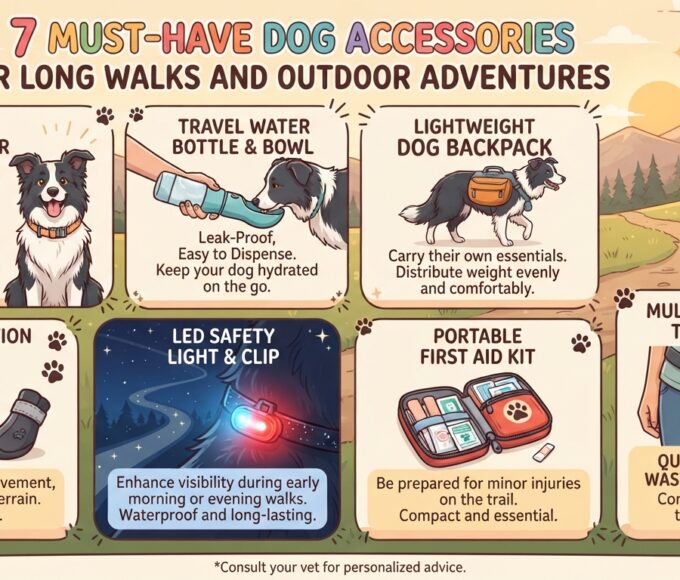
13. Outdoor and Weather Accessories
Outdoor accessories can make walks and adventures more convenient.
Useful options include:
- Reflective harnesses
- High-visibility collars
- Portable water bottles
- Collapsible bowls
- Raincoats
- Cooling mats
- Towels
- Secure long lines
Weather accessories should be chosen according to actual conditions rather than fashion alone.
In hot weather, focus on shade, hydration, timing, ventilation, and avoiding overheated surfaces. Dogs with short or flat facial structures can require additional care because they may have more difficulty handling heat.
14. Dental-Care Accessories
Dental care deserves a place in your pet accessory collection.
Useful products may include:
- Pet toothbrushes
- Dog- or cat-specific toothpaste
- Dental wipes
- Veterinarian-recommended dental products
Don’t assume that every dental chew or toy is automatically safe or effective.
Choose products appropriate for your pet’s size and chewing behavior, and ask your veterinarian about an effective home dental-care routine.
15. Storage Accessories for a More Organized Home
Pet accessories don’t only benefit the animal. They can also make your home easier to manage.
Consider:
- Airtight food containers
- Treat jars
- Toy baskets
- Leash organizers
- Grooming-storage containers
- Travel bags
Keeping food in an appropriate sealed container can help preserve freshness and reduce accidental access.
Organizing toys and grooming equipment in one location can also make daily routines much easier.
How to Choose the Right Accessories for Your Pet
There is no universal shopping list that works perfectly for every animal.
Before buying an accessory, consider these questions:
What is my pet’s size?
A product designed for a Chihuahua won’t necessarily be suitable for a Great Dane.
How old is my pet?
Puppies and kittens may need different products from adults, while senior pets may benefit from additional comfort or mobility support.
What is their personality?
A powerful chewer needs different toys from a gentle player.
A nervous cat may prefer an enclosed resting area, while a confident cat may love climbing furniture.
How active are they?
An athletic dog may need durable outdoor equipment, while a less active pet may benefit more from comfortable bedding and enrichment.
Is the product easy to clean?
Pet accessories inevitably get dirty. Washable and durable products are usually more practical.
Is it safe?
Inspect the product for:
- Loose parts
- Sharp edges
- Weak stitching
- Easily swallowed components
- Unstable structures
- Materials your pet may chew apart
When in doubt, choose safety over appearance.
A Basic Pet Accessory Checklist
| Accessory | Main Purpose |
|---|---|
| Collar and ID tag | Identification |
| Harness and leash | Safe outdoor control |
| Food and water bowls | Feeding and hydration |
| Bed | Rest and comfort |
| Toys | Play and enrichment |
| Grooming tools | Coat and nail care |
| Dental supplies | Oral hygiene |
| Carrier | Safe transportation |
| Waste bags | Cleanup |
| Food-storage container | Freshness and organization |
| Scratching post | Appropriate scratching for cats |
| Pet camera | Remote observation |
| Travel bowl | Convenient hydration outside home |
| Reflective gear | Increased visibility |
Not every pet needs every item. Start with the essentials and add accessories based on your animal’s lifestyle.
How to Tell if an Accessory Isn’t Working
Your pet’s behavior can tell you a lot.
An accessory may need replacing or adjusting if your pet:
- Constantly tries to remove it
- Develops redness or rubbing
- Avoids using it
- Has difficulty moving
- Becomes unusually stressed
- Chews through it
- Cannot comfortably enter or exit it
- Shows signs of overheating
Don’t force a pet to use an accessory simply because you’ve already purchased it.
If an item causes persistent discomfort, stop using it and consider a better-fitting or more suitable alternative.
Common Pet Accessory Mistakes
Buying Based Only on Appearance
A stylish product isn’t necessarily a safe or comfortable one.
Choosing the Wrong Size
An improperly fitted collar, harness, carrier, or clothing item can cause discomfort or create safety problems.
Ignoring Your Pet’s Chewing Habits
A toy that survives a gentle chewer may not survive a powerful one.
Keeping Damaged Items
Once an accessory becomes torn, cracked, frayed, or unstable, inspect whether it should be replaced.
Buying Too Many Things at Once
Your pet may only use a handful of accessories regularly. Start with necessities and learn what your pet actually enjoys.
Forgetting to Clean Accessories
Bowls, beds, toys, collars, and feeding mats can collect dirt and bacteria. Follow appropriate cleaning instructions and replace items that cannot be cleaned effectively.
Frequently Asked Questions
Are pet accessories really necessary?
Some accessories are essential for everyday care, such as appropriate food and water bowls, identification, and safe walking equipment for dogs. Others are optional and mainly provide enrichment, comfort, convenience, or style.
How do I know what size collar or harness my pet needs?
Measure your pet according to the manufacturer’s instructions rather than relying solely on breed or weight. The equipment should fit securely without restricting breathing or movement. Check the fit regularly, especially for growing puppies.
Are expensive pet accessories always better?
Not necessarily. Price doesn’t automatically determine safety or quality. Look for appropriate materials, secure construction, good fit, durability, and ease of cleaning.
How often should pet accessories be replaced?
There is no universal replacement schedule. Inspect accessories regularly and replace them when they become damaged, excessively worn, difficult to clean, or unsafe.
Can my pet sleep on any type of bed?
Different pets have different preferences. Consider size, sleeping position, age, coat, and mobility when choosing a bed. A washable and appropriately supportive option is generally practical.
Should I dress my pet every day?
Most pets don’t need clothing every day. Clothing should only be used when it is appropriate for the animal and conditions, and your pet should always be comfortable and able to move normally.
What should I do if my pet refuses to use a new accessory?
Don’t force it. Introduce unfamiliar items gradually and use positive associations such as treats or play when appropriate. If the item continues to cause discomfort or fear, consider a different design.
Final Thoughts
Pet accessories can do much more than make your furry friend look fashionable.
The right collar can help with identification, an appropriate harness can make walks easier to manage, an interactive toy can provide mental stimulation, a comfortable bed can create a reliable resting place, and a well-designed carrier can make travel safer.
The best approach is to choose accessories according to your pet’s size, age, health, personality, activity level, and everyday routine.
Start with the essentials, prioritize safety and comfort, and then add fun extras that genuinely improve your pet’s quality of life. After all, the most useful accessory isn’t necessarily the one that looks best—it’s the one that helps your pet live more comfortably, safely, and happily.
This Article Was Generated By AI.








Leave a comment