



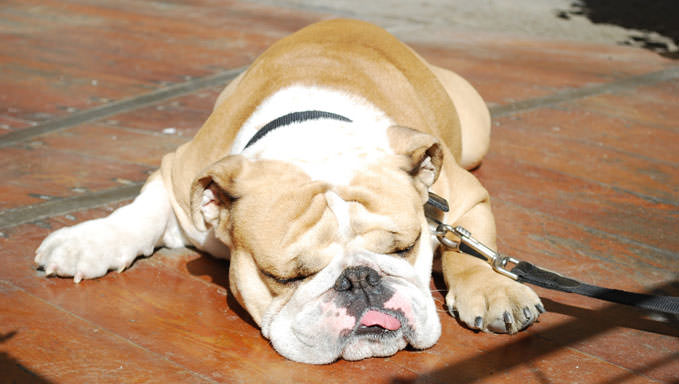

Bulldogs can be especially prone to itchy skin, allergies, paw licking, scratching, redness, and general skin irritation. Because allergies can have several possible causes, it is important to work with your veterinarian when symptoms are persistent, severe, or getting worse.
Alongside appropriate veterinary care, some natural ingredients and gentle home-care options may help support your Bulldog’s skin, coat, and overall comfort. From omega-3-rich fish oil to soothing oatmeal baths, there are several approaches worth discussing with your vet.
Here are 8 natural allergy remedies for Bulldogs that may help support healthier skin and reduce occasional irritation.
1. Add High-Quality Fish Oil to Your Bulldog’s Diet
Fish oil is one of the most commonly used nutritional supplements for supporting healthy skin and coats in dogs. It contains omega-3 fatty acids, including EPA and DHA, which can support normal skin function and help maintain a healthy inflammatory response.
For Bulldogs that frequently deal with dry or irritated skin, a veterinarian-approved fish oil supplement may be worth considering.
When choosing a fish oil supplement, look for:
- A product formulated specifically for dogs
- Clearly listed EPA and DHA amounts
- Quality ingredients
- Appropriate serving instructions based on your dog’s size
Always follow the product’s dosage instructions and ask your veterinarian before introducing a new supplement.
2. Consider Quercetin for Allergy Support
Quercetin is a plant-based antioxidant found naturally in foods such as apples and certain vegetables. It has become popular as an ingredient in some dog allergy supplements because of its potential role in supporting a normal inflammatory and immune response.
You may see quercetin included in combination supplements designed for dogs with seasonal or environmental allergy symptoms.
However, quercetin should not be treated as a replacement for veterinary allergy treatment. If your Bulldog is constantly scratching or developing recurring skin problems, identifying the underlying trigger is more important than simply masking the symptoms.
3. Consider a Colostrum Supplement
Colostrum is the first milk produced by mammals after giving birth and contains naturally occurring immune-supporting compounds.
Bovine colostrum is included in some canine supplements because of its potential to support normal immune function. Some allergy-focused dog supplements combine colostrum with ingredients such as probiotics, antioxidants, and other nutritional components.
If you are considering colostrum for your Bulldog, choose a supplement specifically formulated for dogs and discuss it with your veterinarian first.
4. Explore Reishi Mushroom Supplements
Reishi mushrooms contain naturally occurring compounds that have been studied for their antioxidant and immune-supporting properties. They are also included in some pet supplements designed to support overall wellness.
Some dog allergy formulas contain reishi alongside other ingredients intended to support a balanced inflammatory response.
If you decide to try a mushroom supplement, use a product specifically made for dogs rather than giving your Bulldog a human mushroom supplement. Dosage and formulation matter, especially for smaller dogs.
5. Be Careful With Apple Cider Vinegar
Apple cider vinegar is sometimes recommended as a home remedy for dogs with itchy skin or allergies. Some owners use diluted preparations topically, while others add small amounts to their dog’s food or water.
However, apple cider vinegar is not appropriate for every dog, and it can irritate already damaged or inflamed skin.
If your Bulldog has open sores, raw skin, significant redness, or a rash, avoid applying acidic products to the area unless your veterinarian specifically recommends it.
If you are considering apple cider vinegar as a dietary addition, speak with your veterinarian first and never give your dog an excessive amount.
6. Give Your Bulldog a Colloidal Oatmeal Bath
A gentle oatmeal bath can be a simple way to soothe irritated skin.
Colloidal oatmeal is finely ground oatmeal that can be mixed into water and used as a skin-soothing bath treatment. It is commonly used in products designed for people with dry or irritated skin and is also found in many dog shampoos.
For a Bulldog with occasional mild skin irritation:
- Use lukewarm rather than hot water.
- Choose a dog-safe oatmeal shampoo or bath product.
- Gently massage the product through the coat.
- Rinse thoroughly.
- Dry your Bulldog carefully, particularly around skin folds.
Bulldogs have distinctive skin folds that can trap moisture, so keeping those areas clean and dry is especially important.
7. Use Coconut Oil With Caution
Coconut oil is another popular home remedy for dry skin. Some owners apply a small amount to their dog’s skin or incorporate it into their diet.
When applied externally, coconut oil can help moisturize dry skin. However, some Bulldogs may lick it off immediately, and consuming too much can cause digestive upset or add unnecessary calories to their diet.
If you want to try coconut oil:
- Use a small amount.
- Choose a product appropriate for dogs.
- Avoid putting it on open wounds unless your veterinarian recommends it.
- Prevent excessive licking.
- Stop if your dog’s skin becomes more irritated.
For Bulldogs with recurring skin problems, veterinary-approved treatments are generally more appropriate than relying on coconut oil alone.
8. Consider a Dog-Specific Probiotic
Your dog’s digestive system and immune system are closely connected, and probiotics are increasingly used to support canine digestive health.
A dog-specific probiotic may help maintain a healthy balance of beneficial bacteria in the digestive tract. Some owners also report improvements in their dog’s overall skin and allergy symptoms after introducing a probiotic, although results can vary between individual dogs.
If you want to try one, choose a probiotic specifically formulated for dogs and follow the recommended serving size.
Look for products that clearly identify their bacterial strains and provide appropriate storage and usage instructions.
What Causes Allergies in Bulldogs?
Before trying different remedies, it helps to understand that not every itchy Bulldog has the same type of allergy.
Possible triggers can include:
- Environmental allergens
- Fleas and other parasites
- Certain foods
- Pollen
- Dust and household allergens
- Grass or other outdoor irritants
- Contact with certain materials or products
Bulldogs can also develop skin problems that are not caused by allergies at all. Bacterial or yeast overgrowth, parasites, and other skin conditions can produce similar symptoms.
That’s why persistent itching deserves a proper veterinary evaluation.
Signs Your Bulldog May Have an Allergy
Common signs can include:
- Frequent scratching
- Excessive paw licking
- Red or irritated skin
- Repeated ear problems
- Chewing at the feet
- Rubbing the face
- Hair loss from excessive scratching
- Dry or flaky skin
- Recurrent skin irritation
If your Bulldog is scratching constantly, develops sores, has a strong odor coming from the skin or ears, or experiences recurring infections, contact your veterinarian rather than relying solely on natural remedies.
How to Support Your Bulldog’s Skin Naturally
Supplements are only one part of maintaining healthy skin.
You can also help your Bulldog by:
Keep Skin Folds Clean and Dry
Bulldog wrinkles can collect moisture, dirt, and debris. Regular gentle cleaning and thorough drying can help keep the folds in better condition.
Maintain Good Flea Prevention
Even a small number of flea bites can cause significant itching in sensitive dogs. Follow your veterinarian’s recommendations for appropriate flea and parasite prevention.
Feed a Balanced Diet
A complete and balanced diet provides the nutrients your Bulldog needs for normal skin and coat health. Avoid making major dietary changes without discussing them with your veterinarian.
Bathe When Appropriate
Too-frequent bathing can sometimes dry out the skin, while infrequent bathing may allow allergens and debris to accumulate. Use a gentle dog-safe shampoo and establish a bathing routine appropriate for your Bulldog.
Wash Bedding Regularly
Washing your dog’s bedding can help remove accumulated dirt, hair, and potential environmental allergens.
When Should You See a Veterinarian?
Natural remedies may provide supportive care, but they should not replace professional treatment when your Bulldog has an ongoing skin problem.
Schedule a veterinary appointment if your dog:
- Scratches constantly
- Has open wounds or bleeding
- Develops recurring ear infections
- Has severe redness or swelling
- Develops bald patches
- Has a noticeable skin odor
- Experiences repeated allergy flare-ups
- Seems uncomfortable or distressed
Your veterinarian can help determine whether the problem is related to allergies, parasites, infection, diet, or another underlying condition.
Frequently Asked Questions
What is the best natural remedy for Bulldog allergies?
There is no single natural remedy that works for every Bulldog. Fish oil, probiotics, oatmeal baths, and certain veterinarian-approved supplements may support skin health, but the appropriate option depends on what is causing your dog’s symptoms.
Can I give my Bulldog human allergy supplements?
It’s better to avoid giving human supplements unless your veterinarian specifically approves them. Ingredients, concentrations, additives, and dosages can differ significantly between human and canine products.
Can oatmeal help an itchy Bulldog?
A gentle colloidal oatmeal bath may help soothe mildly irritated or dry skin. Use a dog-safe product and avoid applying anything to broken or infected skin without veterinary advice.
Should I use natural remedies instead of allergy medication?
Not necessarily. Natural approaches can sometimes provide supportive care, but dogs with moderate or severe allergies may need veterinary treatment. The goal should be to identify and manage the underlying cause safely.
Final Thoughts
Finding a way to manage an itchy Bulldog can take some trial and observation, especially because skin problems can have many different causes.
Ingredients such as fish oil, quercetin, colostrum, probiotics, and certain mushroom extracts may provide nutritional support, while options such as colloidal oatmeal baths can offer gentle external care. Coconut oil and apple cider vinegar are also commonly discussed home remedies, but they are not suitable for every dog and can sometimes irritate sensitive skin.
Most importantly, don’t assume that persistent itching is simply a minor allergy. If your Bulldog continues scratching, licking their paws, or developing irritated skin, work with your veterinarian to identify the underlying problem.
With the right combination of veterinary guidance, good skin care, parasite prevention, nutrition, and appropriate supportive treatments, you can help your Bulldog stay more comfortable and maintain healthier skin.







Leave a comment