




Dogs have a remarkable way of becoming part of our lives and changing our everyday experiences.
Sometimes they help people through difficult periods simply by offering companionship. Other dogs are specially trained to assist people with disabilities, while others inspire their families to become more active, social, patient, or compassionate.
Not every dog will perform a dramatic rescue or change someone’s life overnight. Often, the biggest difference comes from the small things—a morning walk, a comforting presence after a difficult day, or the responsibility of caring for another living being.
Here are 13 heartwarming examples of how dogs can have a lasting impact on the people around them.
1. The Loyal Companion Who Stayed Close
For someone going through a difficult period, having a familiar dog nearby can provide a tremendous sense of companionship.
Consider the story of Max, a Labrador Retriever whose owner was dealing with a long-term illness. Max reportedly stayed close during difficult days, resting beside his person and providing a familiar presence during medical treatments and recovery.
He couldn’t solve the illness, but his companionship offered something valuable: the feeling of not having to face every difficult moment alone.
That is one of the simplest ways dogs can affect our lives. They don’t need to understand every detail of what we’re experiencing to remain beside us.
2. A Service Dog With an Important Job
Service dogs undergo extensive training to assist people with specific disabilities or medical needs.
Bella, a Golden Retriever service dog, was described as alerting her owner to signs associated with dangerously low blood sugar during the night.
Stories like this highlight the specialized work that trained assistance dogs can perform.
Service dogs aren’t simply pets with exceptional instincts. They can be trained to recognize specific cues and perform tasks that help their handlers manage everyday challenges.
For their owners, that assistance can mean greater independence and an additional layer of support.
3. The Stray Who Found a Family
Sometimes a dog enters someone’s life unexpectedly.
A stray dog named Rusty reportedly appeared in a family’s yard during a cold winter. He was underweight and cautious around people, so the family decided to give him food, shelter, and time to adjust.
As Rusty recovered, the relationship changed from temporary help to something much deeper.
The family eventually saw him become a playful and affectionate companion, while Rusty gained something he desperately needed—a safe place to call home.
Rescuing an animal can create a powerful bond because the relationship develops around patience, trust, and mutual adjustment.
4. A Dog Helping a Veteran Through Difficult Days
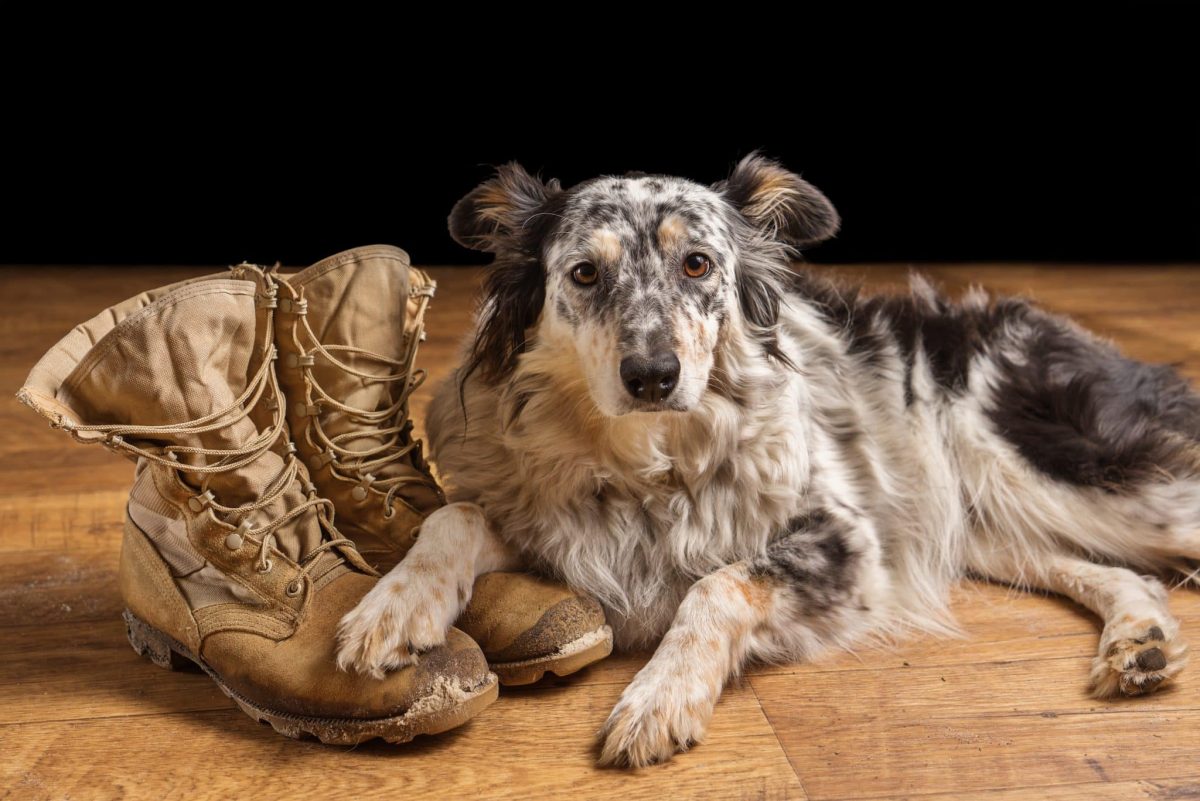
Some veterans and trauma survivors work with specially trained service or assistance dogs.
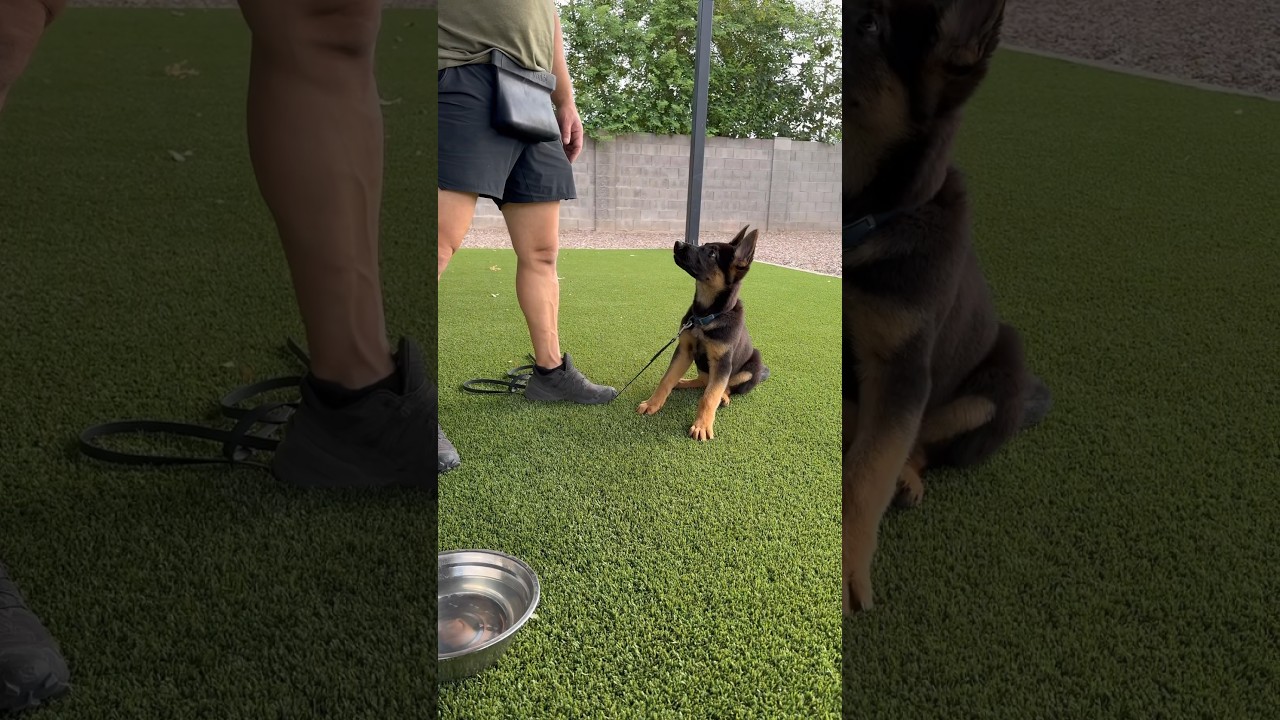
Charlie, a German Shepherd, was paired with a veteran experiencing serious trauma-related difficulties. Through training and daily companionship, Charlie became part of the person’s routine and helped provide support during difficult situations.
A dog cannot replace professional mental-health treatment, but trained assistance dogs can perform specific tasks and may provide practical support for some people.
For Charlie and his handler, their partnership became an important part of rebuilding an everyday routine.
5. A Foster Dog Who Changed the Foster Family
Fostering a dog is often described as something people do to help an animal temporarily.
But sometimes the humans become just as attached.
A family decided to foster an abandoned Beagle named Daisy while she waited for a permanent home. Initially, their goal was simply to provide her with safety and help her become comfortable around people again.
As Daisy gained confidence, she became an important part of the household.
Eventually, the family realized they didn’t want to say goodbye and adopted her themselves.
Daisy’s story also encouraged them to continue helping other dogs through fostering, creating a small ripple effect that extended beyond one adoption.
6. A Therapy Dog Who Encouraged Communication
Therapy dogs are used in a variety of settings, including schools, healthcare facilities, and programs serving people with disabilities.
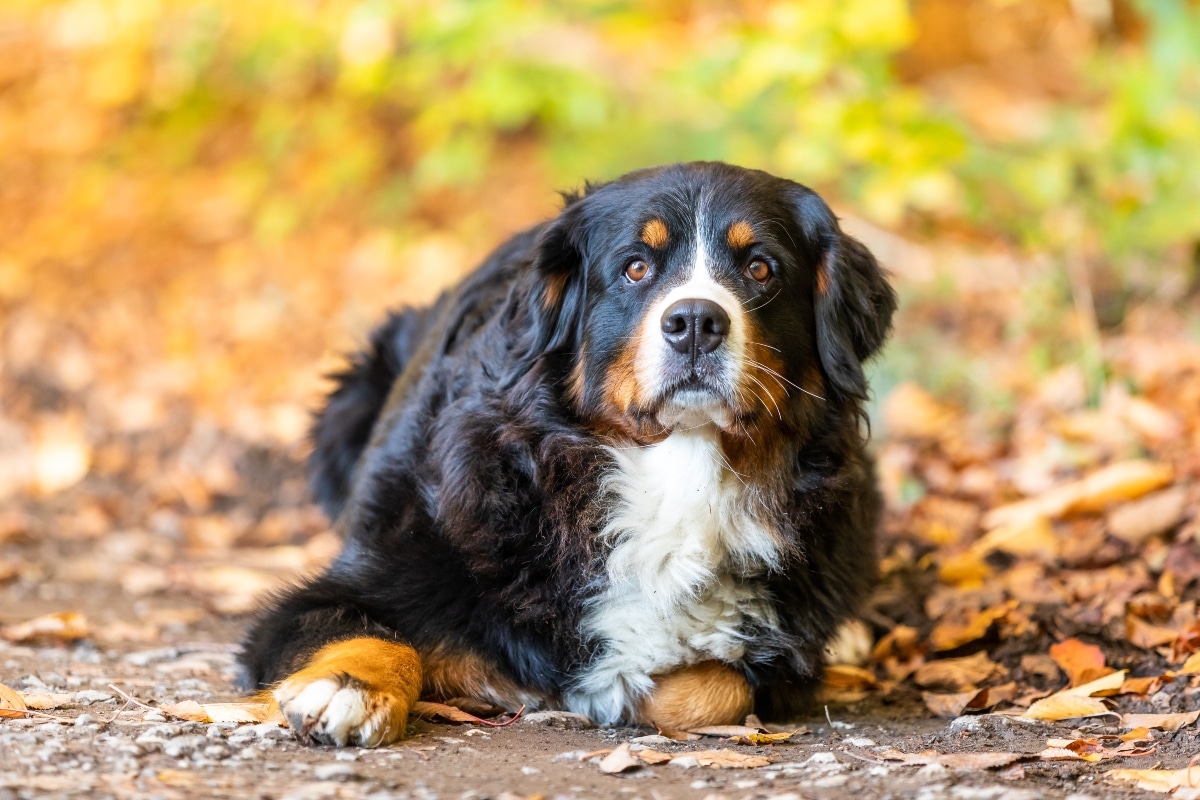
Milo, a gentle Bernese Mountain Dog, was described as working around children who needed additional support. One child who had not been speaking reportedly became interested in Milo and eventually said the dog’s name.
A single moment like that can be deeply meaningful to a family.
It’s important not to assume that a therapy dog alone causes a communication breakthrough. Children’s development is complex and influenced by many factors. But a calm, welcoming animal can sometimes help create an environment where a child feels comfortable engaging, participating, or practicing communication.
7. A Small Dog Who Raised the Alarm
Dogs don’t need to be large to make a big difference.
A senior Chihuahua named Pepe reportedly became persistent one evening when his owner was in an apartment where a gas leak was suspected. His unusual barking and refusal to settle prompted his owner to investigate.
The situation reportedly led the woman to leave the apartment and seek help.
Whether a dog’s response to a potential household hazard is reliable depends on the individual situation. Dogs should never be considered a substitute for smoke, carbon-monoxide, or other safety alarms.
Still, Pepe’s story illustrates how unusual behavior from a familiar pet can sometimes prompt an owner to pay closer attention.
8. A Rescue Dog Who Helped Ease Loneliness
After losing her husband, an older woman named Clara reportedly became increasingly isolated.
Her family encouraged her to adopt a rescue dog, and she eventually brought home a Terrier mix named Benny.
Benny introduced a new routine into Clara’s life.
There were walks to take, meals to prepare, and a dog waiting for attention each morning. Those ordinary responsibilities encouraged Clara to spend more time outside and interact with people in her neighborhood.
Over time, Benny became more than a pet. He became part of a daily routine that helped Clara reconnect with the world around her.
9. The Classroom Dog Who Made Reading Less Intimidating
Reading aloud in front of other people can make some children nervous.
That’s one reason some schools and educational programs have incorporated dogs into reading activities.
Scout, a Labrador Retriever, was reportedly introduced as a reading companion for elementary students. Children could practice reading while sitting beside a calm dog rather than feeling as though every mistake was being judged by an adult or their classmates.
The dog wasn’t teaching the children how to read.
Instead, Scout’s presence helped create a relaxed setting in which some students felt more comfortable practicing.
For a child who lacks confidence, even a small reduction in pressure can make practice feel much easier.
10. A Rescue Dog and a Woman Learning to Trust Again
A shy Border Collie named Sadie reportedly came into the life of Rachel, a woman who had experienced serious mistreatment and struggled with trust.
The two began adjusting to one another slowly.
Rachel had to learn Sadie’s signals and boundaries, while Sadie needed time to become comfortable in her new environment.
Their relationship developed through routine, patience, and positive experiences.
The story is a reminder that trust isn’t created instantly. Whether you’re working with a person or an animal, consistent and respectful interactions can gradually create a sense of security.
11. A Street Dog Given a Second Chance
A street dog named Raja reportedly became part of a dramatic rescue after a toddler fell into a canal.
According to the story, Raja entered the water and helped the child reach safety.
Animal rescue stories like this can be inspiring, although dogs’ reactions during emergencies are unpredictable and should not be relied upon as a planned safety strategy.
Raja’s actions nevertheless had a profound effect on the child’s family. They eventually gave the dog a home, turning a street dog into a cherished family companion.
12. A Border Collie Who Inspired a New Purpose
Dogs can also transform lives through ordinary routines rather than dramatic events.
A young man struggling with a difficult period in his life adopted a high-energy Border Collie named Ace. Because Ace needed plenty of physical and mental activity, the pair began exploring agility training.
Training gave them something to work toward together.
Ace received exercise and mental stimulation, while his owner gained a reason to establish a routine, leave the house, and practice new skills.
Activities such as agility can create a shared sense of purpose for both dog and owner, especially when training is approached as a cooperative activity rather than a competition.
13. The Rescue Dog Who Brought a Community Together
Willow was reportedly a friendly rescue dog who became well known in her small community.
Her family brought her to local events, markets, and visits where dogs were welcome. Her friendly presence gave people opportunities to stop, talk, and meet one another.
Over time, Willow became something of a community mascot.
Her story demonstrates another way dogs can influence human lives: they can create opportunities for social interaction.
A simple conversation that begins with “What’s your dog’s name?” can sometimes become a friendship.
Why Can Dogs Have Such a Big Impact on People?
There isn’t one explanation for the human-dog bond.
Dogs can influence our lives in several practical ways.
They Create Routine
Dogs need regular care, which naturally creates structure. Feeding, walking, grooming, training, and play can give people predictable activities throughout the day.
They Encourage Activity
Walking a dog can encourage owners to spend more time outdoors and moving around.
Even short walks provide opportunities for exercise, exploration, and fresh air.
They Offer Companionship
A dog can provide company during quiet moments, particularly for people who live alone or are going through a major life transition.
They Encourage Social Interaction
Dogs can act as natural conversation starters. Owners often meet neighbors, other dog walkers, trainers, and fellow pet lovers because of their dogs.
They Teach Patience
Dogs don’t always learn immediately.
House training, leash manners, socialization, and basic commands require repetition and consistency. Learning to work through those challenges can encourage patience.
They Give People Responsibility
Caring for another living creature requires commitment.
Dogs depend on their humans for food, water, healthcare, exercise, safety, and companionship.
Dogs Don’t Have to Be Heroes to Change a Life
Stories about dogs saving people naturally attract attention, but dramatic rescues are only one part of the human-dog relationship.
A dog can transform someone’s life simply by being there every morning.
It can encourage a person to take a walk when they otherwise would have stayed inside.
It can provide companionship during a lonely evening.
It can motivate someone to learn a new skill.
It can teach a child how to respect another living creature’s boundaries.
It can even bring neighbors together.
These quieter contributions may not make headlines, but they can become some of the most meaningful parts of life with a dog.
How to Build a Stronger Bond With Your Dog
You don’t need a special service dog, therapy dog, or rescue hero to experience the benefits of a strong human-dog relationship.
Try making time for:
- Daily walks and sniffing opportunities
- Short reward-based training sessions
- Interactive games
- Safe social experiences
- Calm one-on-one time
- Grooming and gentle handling
- Food puzzles and enrichment
- Exploring new dog-friendly places
- Learning your dog’s body language
- Respecting your dog’s need for rest and personal space
The strongest relationships are built through countless ordinary interactions.
Frequently Asked Questions
Can dogs really improve people’s lives?
Dogs can have meaningful effects on people’s routines, activity levels, social interactions, and companionship. The experience varies from person to person, and a dog is not a replacement for professional medical or mental-health care.
Can dogs help people with PTSD?
Some specially trained service dogs can perform tasks that assist people with PTSD and other disabilities. Their role is different from that of an ordinary pet, and access to a service dog typically involves specialized training and an individual’s specific needs.
Can dogs help children learn?
Dogs may be incorporated into certain educational programs, including reading activities. Their presence can make some children feel more comfortable practicing, but educational outcomes depend on many factors.
Can adopting a rescue dog change your life?
It certainly can, although every adoption is different. Caring for a rescue dog may introduce new routines, responsibilities, activities, and relationships into a person’s life.
Do dogs understand when humans are sad?
Dogs can respond to changes in human behavior, voice, body language, and routine. However, we should be cautious about assuming exactly what a dog is thinking or feeling.
Final Thoughts
Dogs don’t need to perform extraordinary feats to leave an extraordinary mark on someone’s life.
Sometimes their greatest contribution is simply being present.
They walk beside us, wait for us at home, encourage us to get outside, make us laugh, and give us another living being to care for. Some dogs perform specialized assistance tasks, while others change lives through the everyday companionship they provide.
From rescue dogs finding loving families to service dogs supporting their handlers, the human-dog bond takes countless forms.
And perhaps that’s what makes dogs so special.
They don’t have to be perfect.
They just have to be there.






Leave a comment