





Living with a pet can bring companionship, laughter, affection, and countless memorable moments into your home. But life with an animal isn’t always peaceful. A puppy may chew everything within reach, a dog may pull on the leash, or a cat may repeatedly jump onto places where they’re not welcome.
These behaviors can make everyday life feel unpredictable, especially when a pet doesn’t yet understand what you expect from them.
That’s where training comes in.
Pet training isn’t simply about teaching an animal to perform commands. Good training helps pets understand how to navigate the world around them while giving owners practical ways to communicate clearly.
With patience, consistency, and appropriate training methods, everyday challenges can become easier to manage. Over time, training can create a more predictable household, improve your relationship with your pet, and give your animal useful skills for everyday life.
What Does Pet Training Really Mean?
Training is often associated with commands such as “sit,” “stay,” or “come,” but it involves much more than obedience.
Training can include teaching your pet:
- Where to eliminate
- How to walk calmly on a leash
- How to settle down
- How to greet people appropriately
- What objects are appropriate to chew
- How to respond to their name
- How to come when called
- How to tolerate grooming and handling
- How to wait patiently
- How to behave around distractions
- How to respond to household routines
For cats and other companion animals, training can also involve carrier skills, handling, target training, appropriate scratching, and cooperative care.
The goal isn’t to control every action your pet makes. It’s to teach behaviors that help both of you live safely and comfortably together.
1. Training Creates Clear Household Expectations
Pets don’t automatically know which behaviors humans consider acceptable.
A puppy doesn’t understand that chewing a dog toy is fine but chewing a shoe isn’t. A cat doesn’t know that scratching a scratching post is encouraged while scratching a sofa is frustrating for its owner.
Training gives your pet clearer alternatives.
For example:
Instead of: Jumping on visitors
Teach: Four paws on the floor or sitting for attention
Instead of: Chewing furniture
Teach: Choosing an appropriate chew or toy
Instead of: Pulling toward every distraction
Teach: Walking with a loose leash
Clear expectations make daily interactions more predictable.
Consistency Matters
Everyone in the household should try to follow the same basic rules.
If one person allows a behavior while another constantly discourages it, your pet may struggle to understand what is expected.
Consistency doesn’t mean being harsh. It means making the desired behavior clear and predictable.
2. Training Improves Communication
People and pets don’t naturally speak the same language.
Your pet communicates through body language, sounds, movement, and behavior. Humans, meanwhile, often rely on words and gestures.
Training creates a shared system of communication.
For example, when your dog learns that “sit” is associated with placing their rear on the floor, that word becomes meaningful because it has been consistently paired with a particular behavior and outcome.
You can also learn to read your pet more effectively.
Signs such as:
- Lip licking
- Turning away
- Yawning
- Flattened ears
- Tail position
- Stiff body posture
- Hiding
- Excessive panting
can provide useful clues about how an animal is feeling.
Training therefore works both ways: you teach your pet, while also learning to understand them better.
3. Positive Training Can Build Trust
Training should be a cooperative learning process rather than a battle of wills.
Reward-based methods can help pets understand which behaviors earn desirable consequences.
Rewards can include:
- Small food treats
- Praise
- Play
- Toys
- Access to something the pet wants
- Affection, when the individual pet enjoys it
For example, if your dog calmly sits instead of jumping on you, rewarding that calm behavior makes it more likely that the behavior will be repeated.
Over time, successful interactions can help your pet learn that listening to you and participating in training can lead to positive experiences.
4. Training Can Give Pets Confidence
Learning isn’t only about obedience.
When a pet successfully figures out a new task, they gain experience solving problems and responding to cues.
This can be particularly useful when training is introduced gradually and the animal isn’t constantly pushed beyond their comfort level.
Start with achievable tasks.
For example:
- Reward your dog for looking at you.
- Add their name as a cue.
- Practice in a quiet room.
- Gradually introduce mild distractions.
- Reward successful responses.
- Increase difficulty slowly.
Small successes can make learning more enjoyable.
Avoid overwhelming your pet
If a training exercise repeatedly causes fear or frustration, make it easier.
Effective training should challenge an animal enough to learn without consistently pushing them into panic or distress.
5. Training Can Reduce Everyday Household Stress
Unwanted behavior can become exhausting when it happens repeatedly.
Constant barking, leash pulling, jumping, destructive chewing, or poor impulse control can create frustration for everyone.
Training can provide practical alternatives.
For example, teaching a dog to settle on a mat gives them a specific behavior to perform while you work, eat, or welcome guests.
Teaching a puppy to chew appropriate toys gives them an alternative to household objects.
Teaching a dog to wait at doors can improve safety.
These aren’t just tricks. They’re useful life skills.
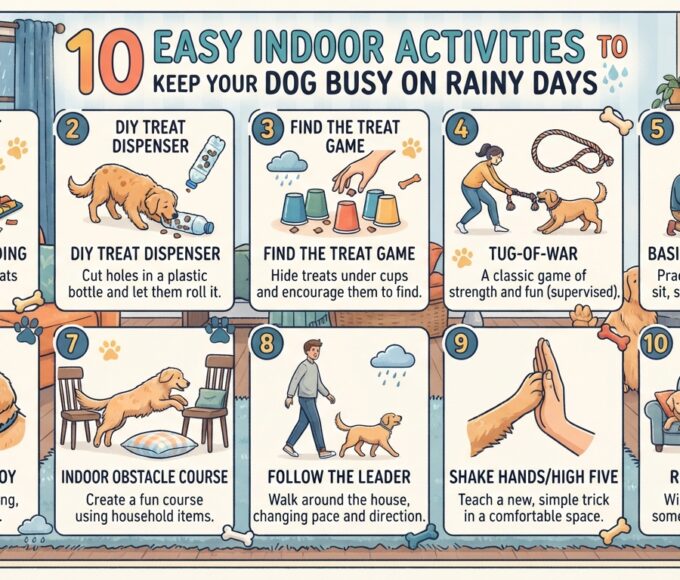
6. Training Provides Mental Stimulation
Physical exercise is important, but pets also need opportunities to think.
Learning new behaviors can provide mental enrichment.
You can incorporate activities such as:
- Simple obedience exercises
- Food puzzles
- Scent games
- Find-it games
- Trick training
- Target training
- Interactive play
- Food-dispensing toys
For dogs, even a few minutes of focused training can provide meaningful mental activity.
Cats can also learn behaviors using reward-based training.
Mental enrichment can be especially useful on days when outdoor exercise is limited by weather or other circumstances.
7. Training Makes Everyday Handling Easier
One of the most useful forms of training is teaching pets to calmly tolerate necessary handling.
Your pet may eventually need:
- Nail trimming
- Brushing
- Ear checks
- Tooth brushing
- Bathing
- Veterinary examinations
- Medication
- Harness fitting
- Carrier use
If these experiences are introduced gradually and paired with rewards, they may become easier to manage.
Never assume an animal will automatically enjoy being handled.
Instead, build tolerance slowly and respect signs of fear or discomfort.
8. Training Can Improve Social Skills
Socialization and training are closely related, but they aren’t exactly the same thing.
Socialization means helping an animal develop appropriate responses to people, animals, environments, sounds, surfaces, and everyday experiences.
For puppies especially, positive exposure to different experiences during early development can be valuable.
However, socialization doesn’t mean forcing a puppy to interact with every person or dog they encounter.
A good experience might simply involve calmly observing something new from a comfortable distance.
Quality matters more than quantity
If your pet is frightened, overwhelmed, or repeatedly forced into unwanted interactions, the experience can work against your goals.
Allow your pet to move away when appropriate and introduce new experiences gradually.
9. Training Improves Safety
Some behaviors can have direct safety benefits.
Important skills include:
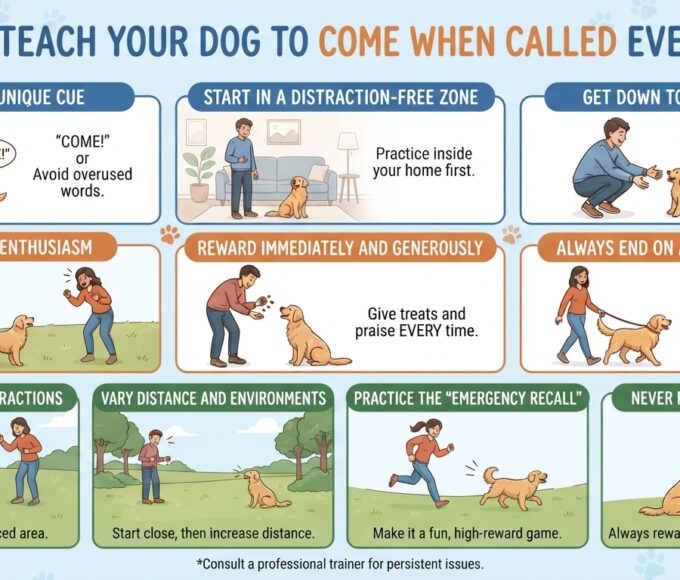
Recall
Teaching a dog to return when called can be extremely useful if they accidentally escape or encounter a dangerous situation.
Leave it
This can help prevent a dog from picking up potentially dangerous objects.
Wait
A wait cue can help when crossing doors, gates, or other transitions.
Loose-leash walking
This can make walks easier to control and reduce the risk of sudden pulling toward traffic or hazards.
Name response
Teaching a pet to orient toward you when their name is called can help redirect their attention.
No trained behavior is guaranteed to work perfectly in every situation, so physical management such as secure fencing and appropriate leashes remains important.
10. Training Strengthens the Human-Pet Bond
Training creates opportunities to spend focused time together.
Instead of interacting only during feeding, walking, or routine care, you can spend a few minutes each day solving small problems together.
That shared experience can strengthen your relationship.
Training sessions can become something your pet looks forward to when they are short, rewarding, and appropriate for their abilities.
How to Start Training Your Pet
You don’t need an elaborate setup to begin.
Start with one simple behavior.
For example, teaching a dog to sit:
- Hold a small reward near your dog’s nose.
- Move it slowly upward and slightly back.
- As your dog’s rear naturally moves toward the floor, mark the behavior.
- Give the reward.
- Repeat several times.
- Introduce a verbal cue once the behavior is becoming predictable.
- Practice in different environments.
Keep sessions short and finish while your pet is still engaged.
Use a reward your pet actually values
Not every animal is motivated by the same thing.
Some pets love food. Others may work enthusiastically for toys, play, praise, or access to something interesting.
Find what works for your individual pet.
How Long Does Pet Training Take?
There isn’t a universal timeline.
A simple behavior may be learned quickly, while reliable performance around distractions can take considerably longer.
Progress depends on factors such as:
- Age
- Previous training
- Temperament
- Environment
- Motivation
- Difficulty of the behavior
- Consistency
- Training history
Remember that learning a behavior and performing it reliably in the real world are different stages.
A dog might sit perfectly in a quiet kitchen but struggle to respond at a busy park.
That’s normal.
Gradually increase distractions rather than expecting immediate perfection.
Common Pet Training Mistakes
Expecting Too Much Too Soon
Training takes repetition. Expecting an animal to master a complex behavior after a few sessions can create frustration.
Repeating Commands Constantly
If you say “come” repeatedly while your pet ignores you, the word can become less meaningful.
Instead, make the exercise easier and reinforce successful responses.
Using Punishment or Fear
Harsh methods can create fear and may damage trust. They can also suppress warning behaviors without addressing the underlying reason for them.
Reward-based training focuses on teaching the animal what to do instead.
Training Only When Something Goes Wrong
Don’t wait until your pet is misbehaving.
Practice useful skills when the environment is calm so your pet has a foundation to rely on later.
Inconsistent Household Rules
Everyone should understand the basic behaviors being taught.
Making Sessions Too Long
Short, successful sessions are often more productive than exhausting your pet with repetitive drills.
What If Your Pet Suddenly Changes Behavior?
A sudden behavior change shouldn’t automatically be treated as a training problem.
Pain, illness, fear, environmental changes, and other factors can affect behavior.
If a normally friendly pet suddenly becomes aggressive, withdrawn, unusually vocal, or reluctant to move, consider contacting your veterinarian.
Medical problems can sometimes appear first as changes in behavior.
When Should You Hire a Professional Trainer?
Professional help can be valuable when you’re struggling with a persistent behavior or simply want guidance from the beginning.
Consider seeking help when your pet:
- Shows serious fear
- Displays aggression
- Has severe separation-related problems
- Repeatedly attempts to escape
- Guards food or objects
- Cannot be safely handled
- Has behavior that is difficult to manage
Choose a trainer who uses humane, reward-based methods and is transparent about their approach.
For serious aggression, extreme fear, or complex behavior problems, your veterinarian may be able to recommend a qualified veterinary behavior professional or other appropriate specialist.
A Simple Daily Training Routine
Training doesn’t have to take hours.
Try incorporating small exercises into normal life:
Morning
Practice your pet’s name and one simple cue before breakfast.
During the day
Reward calm behavior when your pet settles independently.
Walk time
Practice attention and loose-leash walking in short intervals.
Mealtime
Use part of your pet’s normal food for simple training if appropriate.
Evening
Spend a few minutes practicing a trick, puzzle, or handling exercise.
The key is consistency rather than marathon sessions.
Dog Training vs. Cat Training
Training isn’t limited to dogs.
Cats can learn useful behaviors through reward-based training too.
You can teach a cat to:
- Respond to their name
- Enter a carrier
- Touch a target
- Sit
- Come when called
- Use appropriate scratching areas
- Cooperate with certain handling routines
Birds and other companion animals can also learn behaviors through appropriate training methods.
The techniques should always be adapted to the species and individual animal.
Frequently Asked Questions
What is the best age to start training a pet?
Training can begin when an animal comes into your home, provided the exercises are appropriate for their age and abilities. Adult and senior pets can also learn new behaviors.
How long should a training session last?
There is no perfect duration for every pet. Keep sessions short enough that your animal remains engaged and comfortable. Several brief sessions throughout the day can work well.
Is positive reinforcement the same as bribing?
No. A reward can be used to reinforce a behavior after the animal performs it. Over time, you can gradually reduce reliance on visible food rewards while continuing to reinforce desired behavior.
What if my pet refuses to learn?
Consider whether the behavior is too difficult, the environment is too distracting, or the reward isn’t motivating enough. If the problem continues, professional guidance can help identify what needs to change.
Can older pets still be trained?
Absolutely. Older pets can learn new behaviors, although physical limitations, previous experiences, and health conditions may influence the training approach.
Should I punish my pet for bad behavior?
Harsh punishment isn’t necessary for effective training and can increase fear or stress. Instead, identify the reason for the behavior, manage the environment, and teach a safer or more appropriate alternative.
How can I stop my pet from doing something unwanted?
Rather than focusing only on stopping the unwanted behavior, teach your pet what you want them to do instead. For example, reward your dog for chewing an appropriate toy rather than simply taking away a shoe.
What if my pet becomes aggressive during training?
Stop the exercise and prioritize safety. Don’t attempt to physically overpower or punish an aggressive animal. Contact your veterinarian and consider professional behavior assistance.
Final Thoughts
Pet training isn’t about creating a perfectly obedient animal.
It’s about creating communication, predictability, safety, and cooperation between you and your companion.
A few minutes of consistent training each day can help your pet understand household expectations, develop useful life skills, receive mental stimulation, and become more comfortable navigating everyday situations.
For owners, training can replace some of the frustration caused by confusing or unwanted behaviors with practical strategies and clearer communication.
Start small. Reward the behaviors you want to see. Be consistent, patient, and willing to adjust your approach when something isn’t working.
With time, the goal isn’t simply a pet that follows commands—it’s a pet that understands how to succeed in the world you share together.
This Article Was Generated By AI.







Leave a comment