







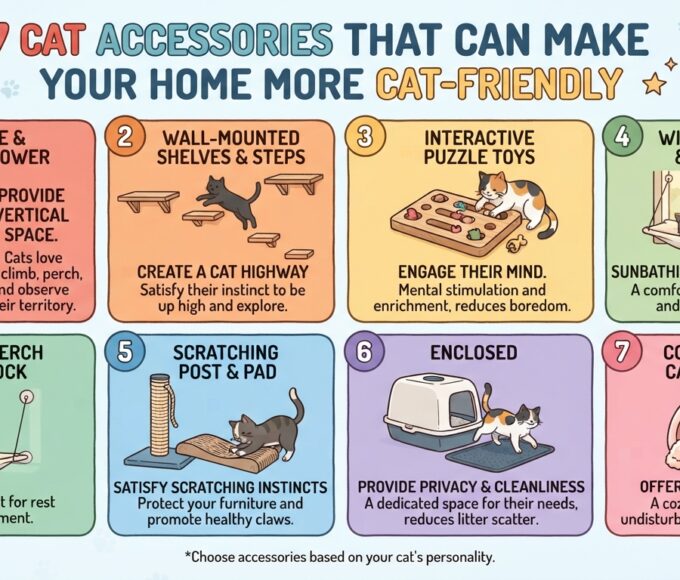
Cats may act like they own the house, but that doesn’t mean they don’t appreciate a little help from their humans. The right cat accessories can make everyday life more comfortable, provide mental stimulation, support natural behaviors, and give your feline plenty of places to relax.
From cozy beds and scratching posts to interactive toys and grooming tools, there are plenty of ways to create a cat-friendly home. The key is choosing accessories that match your cat’s age, personality, size, and habits.
Here are 20 useful and fun cat accessories worth considering.
1. Comfortable Cat Bed
Cats spend a large part of their day resting, so a comfortable sleeping spot is an excellent addition to any home.
Some cats prefer plush beds where they can curl up, while others enjoy flat cushions that allow them to stretch out. If your cat likes privacy, a covered or cave-style bed may be appealing.
Choose a bed that is:
- Comfortable and appropriately sized
- Easy to clean
- Made from pet-safe materials
- Stable enough that it doesn’t slide around easily
You may even find that your cat has a favorite sleeping position, so having more than one resting area can be useful.
2. Cat Tree or Climbing Tower
Vertical space can make a home much more interesting for cats.
A sturdy cat tree gives your feline opportunities to climb, perch, rest, and observe what is happening around them. It can also help make use of vertical space in smaller homes.
Look for a tower with:
- A stable, wide base
- Secure platforms
- Comfortable resting areas
- Scratching surfaces
- Appropriate height for your cat’s age and mobility
Always make sure the structure cannot easily tip over.
3. Scratching Post
Scratching is a normal feline behavior. Cats scratch to stretch, maintain their claws, explore textures, and communicate through scent and visual marks.
Instead of trying to stop scratching completely, provide appropriate places where your cat can do it.
A good scratching post should be sturdy enough to withstand vigorous scratching and tall enough for your cat to stretch comfortably.
You can also offer different scratching surfaces, such as vertical posts, horizontal scratchers, or cardboard scratchers, to discover what your cat prefers.
4. Interactive Wand Toys
Wand toys are excellent for interactive play because they encourage cats to chase, pounce, stalk, and jump.
Choose toys with feathers, fabric attachments, or other cat-safe designs. Move the toy like prey rather than simply waving it around randomly.
Always supervise wand play and store these toys away when the session is finished, particularly if they contain strings or small detachable parts.
5. Puzzle Feeders
Puzzle feeders turn mealtime into an opportunity for mental enrichment.
Instead of receiving food from a regular bowl, your cat may need to bat, push, or manipulate an object to access part of the food.
Start with an easy puzzle and increase the difficulty gradually. If the puzzle is too challenging, your cat may simply lose interest.
6. Treat-Dispensing Toys
Treat-dispensing toys can combine food with movement and problem-solving.
They can be particularly useful for cats that enjoy batting objects around the house. Use small portions of treats or part of your cat’s regular daily food allowance so that enrichment does not unintentionally lead to overfeeding.
7. Cozy Window Perch
A window perch can provide your cat with a comfortable place to watch birds, people, weather, and other outdoor activity.
A perch doesn’t have to be expensive. What matters is that it is securely installed and capable of supporting your cat’s weight.
If the window can be opened, make sure it has a secure screen or other appropriate barrier to prevent accidental escapes.
8. Cat Tunnel
Tunnels provide opportunities for hiding, exploring, chasing, and playing.
Some cats enjoy running through long tunnels, while others prefer short tunnels with multiple openings. Collapsible designs are convenient because they can be stored when not in use.
You can also place a favorite toy near the entrance to encourage a hesitant cat to investigate.
9. Interactive Ball Toys
Balls can encourage cats to chase and bat objects around the home.
Choose a size that cannot be swallowed and inspect the toy regularly for loose pieces or damage. Some cats prefer lightweight balls that move easily, while others enjoy textured or crinkly toys.
Rotating several toys can help keep them interesting.
10. Catnip Toys
Many cats respond enthusiastically to catnip, although not every cat is affected by it.
Catnip toys can provide another form of enrichment, particularly when introduced occasionally rather than left available all the time.
Observe your cat’s reaction. If your cat becomes overstimulated or loses interest, simply remove the toy and try again another time.
11. Breakaway Collar
If your cat wears a collar, a properly fitted breakaway collar is an important safety consideration.
Breakaway designs are intended to release if the collar becomes caught on an object.
The collar should fit securely without being excessively tight. Check the fit regularly, especially for growing kittens.
An identification tag can also provide useful contact information, but microchipping is another important way to improve the chances of identification if a cat becomes lost.
12. Cat Carrier
A carrier isn’t just for trips to the veterinarian. It can also be useful for travel, emergencies, and moving.
Choose a carrier that allows your cat to sit, turn around, and lie down comfortably. A sturdy carrier with good ventilation and secure doors is generally more practical than a decorative option.
To reduce travel stress, allow your cat to become familiar with the carrier before an actual trip.
13. Grooming Brush
The right brush can help remove loose hair and keep your cat’s coat looking neat.
Short-haired cats may need less frequent brushing, while long-haired cats often require more regular grooming to reduce tangles and mats.
Introduce brushing gradually, especially if your cat isn’t accustomed to being handled. Keep sessions short and reward calm behavior.
14. Nail Clippers
Regular nail maintenance can be useful for many indoor cats.
Use clippers specifically designed for pets and learn where the sensitive quick is located before trimming. Cutting too far can cause pain and bleeding.
If your cat strongly resists nail trimming, a veterinarian or professional groomer can help.
15. Cat-Friendly Dental Supplies
Dental care is another part of responsible cat ownership.
A cat-specific toothbrush and veterinary-approved toothpaste can be useful tools when introduced gradually. Never use human toothpaste unless specifically directed by a veterinarian, as some human products can contain ingredients that are unsafe for pets.
If your cat has bad breath, painful chewing, excessive drooling, or difficulty eating, veterinary attention is appropriate.
16. Food and Water Bowls
Your cat needs clean food and water dishes that are easy to wash.
Some cats prefer wide, shallow dishes because they are more comfortable to eat or drink from. Others may enjoy a water fountain, particularly if they are attracted to moving water.
Whatever style you choose, clean the dishes regularly and provide fresh drinking water.
17. Water Fountain
A pet water fountain can encourage some cats to investigate and drink more frequently.
Not every cat needs one, but it can be a useful accessory if your feline enjoys running water.
Choose a model that is easy to disassemble and clean. Regular maintenance is important because stagnant debris and buildup can make the fountain less appealing.
18. Litter Box Accessories
A comfortable, clean litter area is essential.
Depending on your home and cat’s preferences, useful accessories may include:
- A litter mat
- A scoop
- A washable litter box liner or tray
- A covered or uncovered litter box
- A storage container for litter
- An odor-control solution designed for pet areas
A general rule of thumb is to provide enough litter boxes for your cats and keep them in quiet, accessible locations.
19. Soft Blanket or Hideaway
Some cats love curling up under blankets or inside small spaces.
A washable blanket, covered bed, or dedicated hideaway can give your cat somewhere quiet to retreat when they want privacy.
Don’t be surprised if your cat ignores the expensive bed and chooses a cardboard box instead. Cats often have very strong opinions about where they want to sleep!
20. Cat-Safe Storage and Toy Organizer
A small basket or storage container can keep your cat’s accessories organized.
Store toys, grooming tools, spare bedding, and other supplies together. Toys containing strings, ribbons, feathers, or small detachable parts should be stored somewhere your cat cannot access them unsupervised.
Rotating toys every few days can also make older toys feel new again.
How to Choose the Right Accessories for Your Cat
You don’t need to buy everything at once. Start with the basics and pay attention to what your cat actually enjoys.
Consider these factors:
| Your Cat’s Needs | Accessories to Consider |
|---|---|
| Loves climbing | Cat tree, shelves, window perch |
| Scratches furniture | Scratching post, cardboard scratcher |
| Highly playful | Wand toys, tunnels, interactive toys |
| Enjoys food puzzles | Puzzle feeders, treat toys |
| Long-haired coat | Grooming brush, comb |
| Travels frequently | Secure cat carrier |
| Likes hiding | Covered bed, tunnel, hideaway |
| Enjoys watching outdoors | Secure window perch |
| Needs dental care | Cat toothbrush and veterinary-approved toothpaste |
| Indoor lifestyle | Climbing, scratching, puzzle, and interactive enrichment |
Safety Tips for Cat Accessories
An accessory is only useful if it is safe.
Before giving something to your cat, check for:
- Loose strings or threads
- Small parts that could be swallowed
- Sharp edges
- Easily breakable materials
- Unstable climbing structures
- Damaged toys
- Excessively tight collars
- Unsafe electrical cords
Inspect toys and climbing equipment regularly. Replace anything that becomes damaged or develops pieces that could be swallowed.
Laser toys should also be used thoughtfully. Avoid shining a laser directly into your cat’s eyes, and consider ending laser play with a physical toy or another activity your cat can actually catch.
How to Introduce New Accessories
Cats don’t always appreciate sudden changes. Give your feline time to investigate new objects at their own pace.
Try placing a new bed, scratching post, or toy near an area your cat already enjoys. You can use treats or play to create a positive association, but don’t force your cat to interact with the item.
If your cat ignores a new accessory today, that doesn’t necessarily mean they will never use it. Some cats need time to decide that something belongs in their kingdom.
Frequently Asked Questions
What accessories does every cat need?
The basics include food and water dishes, a suitable litter setup, scratching surfaces, safe toys, a comfortable resting area, grooming supplies, and a secure carrier.
Additional accessories depend on your cat’s personality and lifestyle.
Are cat collars safe?
A properly fitted breakaway collar can be an option for cats that tolerate collars. Avoid collars that are too tight or that do not have appropriate safety features.
Check the collar regularly to make sure it still fits correctly.
What are the best toys for indoor cats?
Interactive wand toys, puzzle feeders, tunnels, balls, and appropriate chew-free cat toys can provide physical and mental enrichment. Rotating toys can help prevent boredom.
Does every cat need a cat tree?
Not necessarily, but vertical space can be valuable enrichment. If your cat enjoys climbing and observing the room from above, a cat tree or secure shelving can be particularly useful.
How often should I replace cat toys?
There isn’t one fixed schedule. Inspect toys frequently and replace them when they become damaged, develop loose parts, or pose a swallowing or injury risk.
Should I buy clothes for my cat?
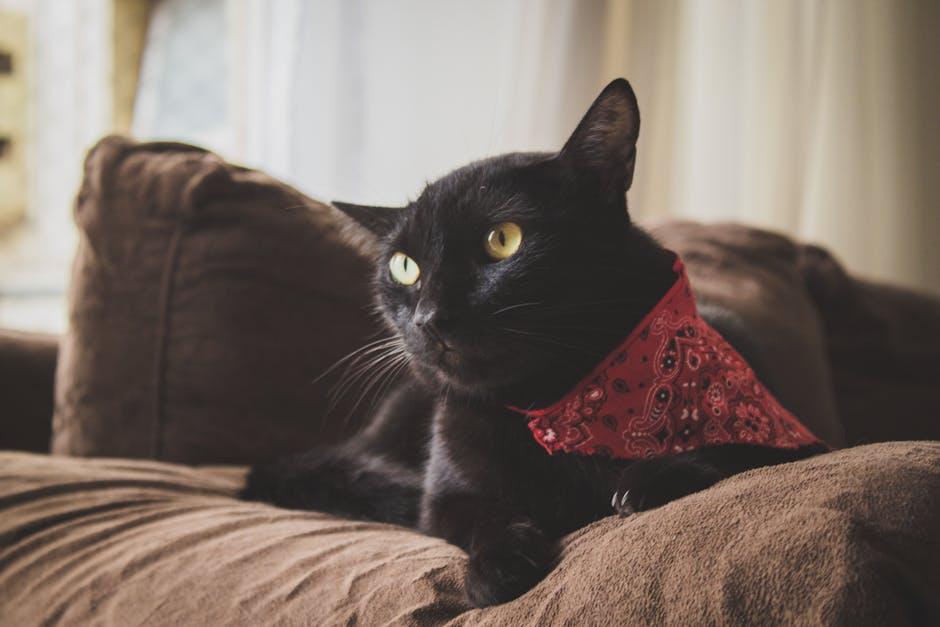
Most cats don’t need clothing. If you use an outfit for a specific reason, prioritize comfort and supervision. Never force a cat to wear clothing if they become stressed or uncomfortable.
How can I make my home more interesting for my cat?
Combine different types of enrichment. Provide scratching areas, vertical spaces, hiding spots, interactive play, puzzle feeding, comfortable resting areas, and opportunities to safely observe their surroundings.
Final Thoughts
The best cat accessories aren’t necessarily the most expensive or fashionable ones. They’re the items that make your cat feel comfortable, provide opportunities for natural behavior, and fit safely into your home.
A sturdy scratching post may become more valuable than an elaborate toy. A simple cardboard box might become your cat’s favorite hiding place. And a basic window perch could provide hours of entertainment.
Start with the essentials, learn what your feline actually enjoys, and build their collection gradually. With the right combination of comfort, play, enrichment, grooming, and safety, you can create a home where your cat can relax, explore, and thrive.







Leave a comment