



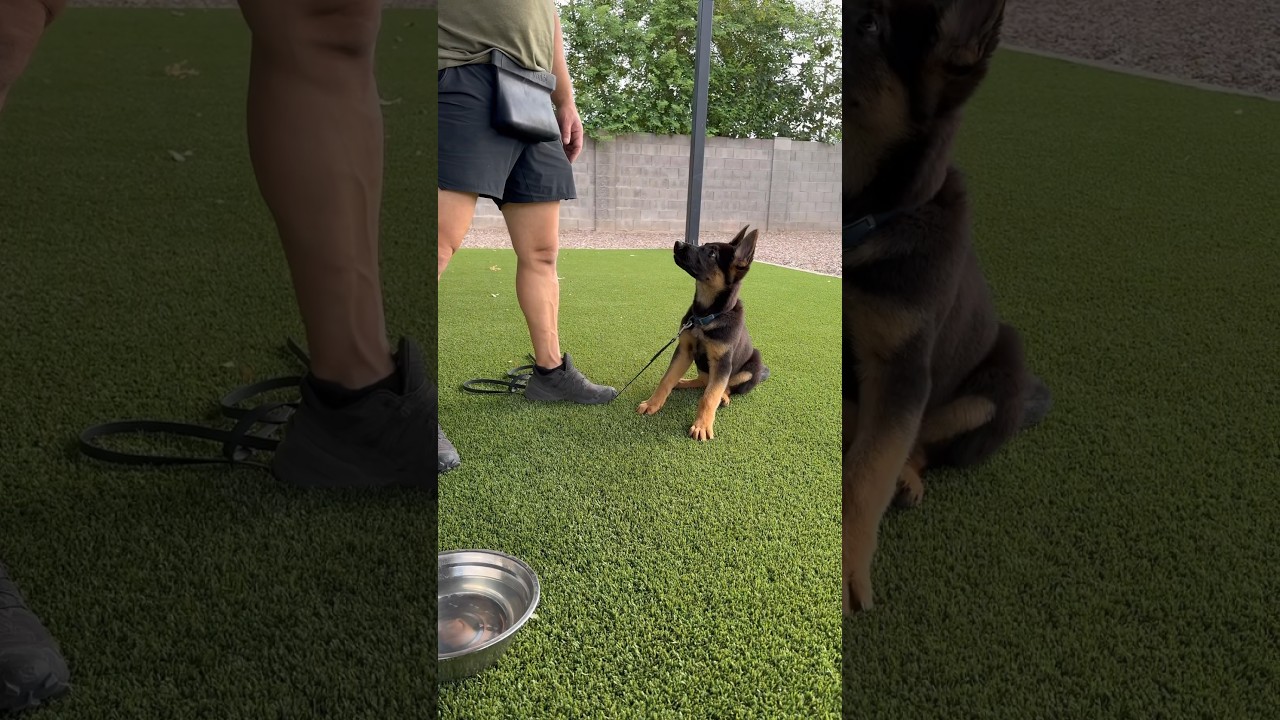
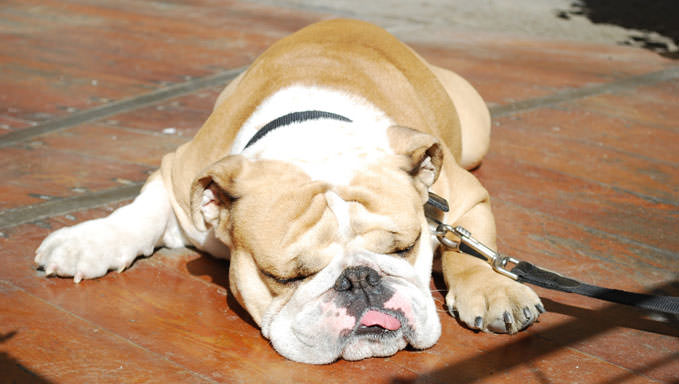

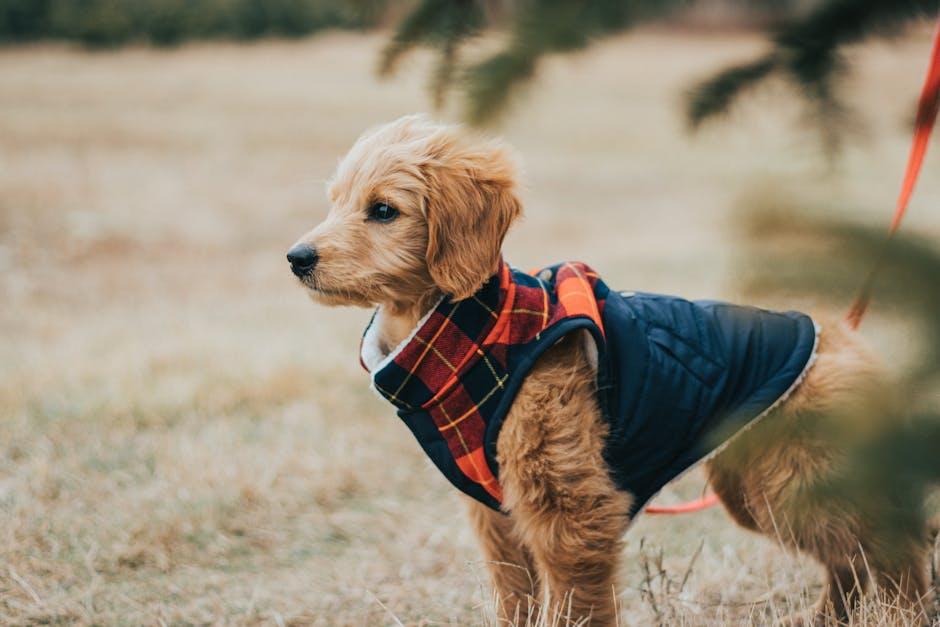
Dogs may not care about the latest trends, but the right accessories can make everyday life safer, more comfortable, and more enjoyable for both you and your pup.
Whether you’re preparing for a new puppy, upgrading your dog’s gear, or simply looking for ways to make walks and playtime more enjoyable, there are plenty of useful accessories worth considering.
From comfortable beds and reliable walking equipment to enrichment toys and travel essentials, here are 20 must-have dog accessories that can make a difference in your dog’s daily routine.
1. Comfortable Dog Bed
Every dog deserves a comfortable place to rest.
Choose a bed that is large enough for your dog to stretch out naturally. Washable covers are especially useful because beds collect hair, dirt, and odors over time.
For senior dogs or dogs with joint problems, an appropriately supportive bed may provide additional comfort.
2. Durable Dog Blanket
A blanket can give your dog an additional layer of comfort, especially during colder weather.
Look for washable materials that can withstand regular use. A blanket can also protect furniture, crates, or car seats from fur and dirt.
Make sure your dog doesn’t chew or swallow pieces of damaged fabric.
3. Well-Fitting Collar
A collar is useful for identification and everyday management.
Choose one that fits securely without being excessively tight. You should be able to comfortably fit appropriate fingers between the collar and your dog’s neck.
An identification tag containing current contact information can provide an additional layer of safety if your dog gets loose.
4. Reliable Leash
A sturdy leash is one of the most practical pieces of dog equipment you’ll own.
For everyday walks, a standard leash can provide straightforward control. Consider the leash length, material, clip strength, and your dog’s size and behavior when choosing one.
For dogs that pull or need additional guidance, a suitable harness may be preferable to attaching the leash directly to the collar.
5. Comfortable Harness
A properly fitted harness can provide an alternative attachment point for walking and may be particularly useful for some dogs that pull or have neck sensitivity.
Not every harness fits every dog equally well, so check that it allows comfortable movement and doesn’t rub against the skin.
Introduce a new harness gradually and reward your dog for calmly wearing it.
6. Interactive Puzzle Toys
Dogs need mental stimulation as well as physical activity.
Puzzle feeders and interactive toys can encourage your dog to investigate, manipulate objects, and work for food rewards.
They’re particularly useful for dogs that enjoy problem-solving.
Start with an appropriate difficulty level and supervise your dog until you know how they interact with the toy.
7. Durable Chew Toys
Chewing is a normal behavior for dogs, but the right chew toy can help direct that behavior toward an appropriate object.
Choose toys according to your dog’s size, chewing style, and age.
Inspect toys regularly and replace them when they become damaged or small enough to swallow.
No chew toy is completely risk-free, so supervision is important, especially for enthusiastic chewers.
8. Fetch Toys
If your dog loves chasing and retrieving objects, a suitable ball or fetch toy can provide plenty of exercise and interactive fun.
Choose a size that your dog cannot easily swallow and avoid toys that are too hard for your dog’s teeth.
Outdoor fetch should take place in a secure area away from traffic and other hazards.
9. Tug Toy
Tug games can be an enjoyable way to interact with your dog while providing physical and mental stimulation.
Choose a sturdy tug toy that is appropriately sized for your dog.
Teach simple rules such as releasing the toy when asked, and stop the game if the toy becomes damaged.
10. Food or Treat Pouch
A treat pouch is a simple accessory that can make training much easier.
Keep small rewards accessible during walks or training sessions so you can reinforce desirable behavior immediately.
You can also use part of your dog’s regular food as training rewards when appropriate.
11. Food and Water Bowls
Every dog needs suitable food and water bowls.
Choose bowls that are:
- Easy to clean
- Stable
- Appropriate for your dog’s size
- Made from pet-safe materials
Keep water fresh and clean the bowls regularly.
Some dogs may benefit from slow-feeder bowls if they eat too quickly, but these should be introduced appropriately and monitored.
12. Portable Water Bowl
A collapsible water bowl is particularly useful for walks, hikes, road trips, and other outdoor adventures.
Pair it with a bottle or container of fresh water so your dog has access to hydration when you’re away from home.
Avoid allowing your dog to drink from potentially contaminated puddles or stagnant water sources.
13. Poop Bag Dispenser
This accessory isn’t glamorous, but it’s essential for responsible dog ownership.
A small dispenser attached to your leash or walking bag makes waste bags easy to access when you’re outside.
Keep extra bags at home and in your car so you don’t unexpectedly run out.
14. Grooming Kit
A basic grooming kit can help you maintain your dog’s coat and introduce them to routine handling.
Depending on your dog’s coat and grooming needs, your kit might include:
- Dog brush
- Comb
- Nail-care equipment
- Dog-specific shampoo
- Towels
- Ear-care products recommended by your veterinarian
Grooming requirements vary greatly between breeds and coat types.
15. ID Tag and Microchip Information
Identification is one of the most important forms of dog safety equipment.
An ID tag can provide your phone number or other useful contact information if your dog gets lost.
A microchip provides another form of identification, but it is important to keep the registration information up to date.
A tag and microchip work together rather than replacing one another.
16. Dog Travel Carrier or Crate
If you travel with your dog, a suitable crate or carrier can provide a secure way to transport them.
Choose equipment appropriate for your dog’s size and the type of transportation you’re using.
Before a long journey, gradually introduce your dog to the carrier so it becomes a familiar and comfortable space rather than something associated only with stressful trips.
17. Car Safety Accessories
Dogs should be safely restrained while traveling in a vehicle.
Depending on your vehicle and your dog’s size, options can include an appropriately designed travel crate, carrier, or crash-tested restraint system.
A loose dog can become a distraction and may also be injured during sudden braking or a collision.
Avoid allowing your dog to ride unsecured in the vehicle.
18. Dog First-Aid Kit
A pet-specific first-aid kit can be useful during walks, trips, or outdoor adventures.
You might keep basic supplies such as:
- Gauze
- Bandages
- Disposable gloves
- Clean towels
- Tweezers
- Saline suitable for appropriate first-aid use
- Your veterinarian’s contact information
A first-aid kit isn’t a substitute for veterinary treatment. If your dog is seriously injured or becomes suddenly ill, contact a veterinarian promptly.
19. Reflective or High-Visibility Gear
If you regularly walk your dog in low-light conditions, reflective accessories can make you more visible to people, cyclists, and drivers.
Reflective collars, harnesses, leashes, or accessories can be particularly useful during early-morning or evening walks.
Remember that visibility gear does not replace a leash or proper supervision.
20. Dog Backpack
Some dogs enjoy wearing a properly fitted backpack during appropriate outdoor activities.
A backpack can allow a dog to carry lightweight items such as waste bags or small supplies, but it isn’t suitable for every dog.
Introduce it gradually and keep the load appropriate for your dog’s size, physical condition, age, and health. Ask your veterinarian before adding a carrying load if your dog is young, elderly, overweight, or has orthopedic or other health concerns.
How to Choose the Right Dog Accessories
You don’t need to buy everything at once.
The best accessories depend on your dog’s:
- Size
- Age
- Breed
- Coat type
- Activity level
- Chewing habits
- Health
- Temperament
- Daily routine
For example, a senior dog may benefit more from a supportive bed and easy-access walking equipment, while an energetic young dog may get more use from puzzle toys, fetch toys, and enrichment equipment.
Focus on Safety Before Style
Cute colors and fun patterns can be enjoyable, but safety should come first.
Before buying an accessory, ask:
Is it the right size?
An accessory that’s too small can become a choking or entanglement hazard, while one that’s too large may not work properly.
Is it durable enough?
Consider how your dog actually behaves with the item rather than relying only on its appearance.
Can I clean it easily?
Washable beds, bowls, blankets, and toys are much easier to maintain.
Does my dog actually need it?
An accessory is useful when it improves your dog’s comfort, safety, enrichment, or daily routine.
Dog Accessories Checklist
| Accessory | Main Purpose |
|---|---|
| Dog bed | Comfortable rest |
| Blanket | Warmth and comfort |
| Collar | Identification and everyday use |
| ID tag | Contact information |
| Leash | Controlled walking |
| Harness | Alternative walking attachment |
| Puzzle toy | Mental enrichment |
| Chew toy | Appropriate chewing |
| Fetch toy | Exercise and play |
| Tug toy | Interactive play |
| Food bowl | Feeding |
| Water bowl | Hydration |
| Portable water bowl | Outdoor hydration |
| Treat pouch | Training |
| Grooming kit | Coat and hygiene care |
| Travel crate | Secure transportation |
| Car restraint | Travel safety |
| First-aid kit | Basic emergency preparation |
| Reflective gear | Better visibility |
| Dog backpack | Carrying lightweight supplies |
Frequently Asked Questions About Dog Accessories
What accessories does every dog need?
The basics usually include a suitable collar or identification system, ID tag, leash, food and water bowls, appropriate food, a comfortable resting area, safe toys, and grooming supplies suited to the dog’s needs.
Additional accessories can be added according to your dog’s lifestyle.
Is a collar or harness better for walking?
It depends on the individual dog and how the equipment is fitted and used. A properly fitted harness can be useful for dogs that need an alternative to a collar for leash attachment, while collars remain useful for identification.
For dogs with specific health or behavior concerns, ask your veterinarian or a qualified reward-based trainer for guidance.
How do I choose safe dog toys?
Choose toys that are appropriate for your dog’s size, age, chewing habits, and play style. Avoid toys that can easily break into pieces or become small enough to swallow.
Inspect toys frequently and remove damaged ones.
Does my dog need a GPS tracker?
A GPS tracker isn’t essential for every dog, but it can be useful for dogs that are prone to escaping or for owners who want an additional way to locate their pet.
It should complement—not replace—an ID tag, microchip, secure fencing, and responsible supervision.
What should I pack when traveling with my dog?
A useful travel kit may include:
- Food
- Fresh water
- Bowls
- Leash and harness
- ID information
- Medication if prescribed
- Waste bags
- Familiar bedding
- Appropriate toys
- Health records
- Basic first-aid supplies
For longer journeys, plan regular opportunities for appropriate breaks and check the safety requirements for your mode of transportation.
Are dog backpacks safe?
They can be appropriate for some healthy adult dogs when properly fitted and used with a suitable lightweight load. However, they aren’t automatically appropriate for every dog.
Introduce the backpack gradually and stop if your dog shows signs of discomfort, fatigue, or distress.
What is the most important dog accessory?
There isn’t one accessory that is universally most important. Prioritize equipment that addresses your dog’s basic needs and safety: identification, safe walking equipment, comfortable rest, appropriate food and water, and suitable enrichment.
Final Thoughts
The best dog accessories aren’t necessarily the most expensive or fashionable ones. They’re the items that make your dog’s everyday life safer, more comfortable, and more enriching.
Start with the essentials—a suitable collar or harness, leash, identification, bed, bowls, safe toys, and grooming supplies. Then build your dog’s collection around their personality and lifestyle.
Whether your pup is a couch-loving nap champion, an enthusiastic fetch fanatic, or an adventurous trail companion, the right accessories can make life together a little easier and a lot more enjoyable.
Most importantly, choose products thoughtfully, inspect them regularly, and always put your dog’s comfort and safety ahead of appearance.







Leave a comment