



Dogs don’t need a huge collection of accessories to be happy, but the right items can make everyday life more comfortable, convenient, and enjoyable.
From a dependable collar and leash to interactive toys, grooming supplies, travel gear, and cozy bedding, there are plenty of useful accessories that can make life easier for both dogs and their humans.
The trick is choosing products based on your dog’s size, age, activity level, personality, and daily routine.
Here are 20 must-have dog accessories worth considering for your furry family member.
1. A Comfortable Dog Bed
Every dog needs a comfortable place to rest.
Choose a bed that gives your dog enough room to stretch out and matches their preferred sleeping position. Some dogs enjoy soft, cushioned beds, while others prefer firmer surfaces or beds with raised sides.
For older dogs, supportive bedding may be especially useful for creating a comfortable resting area.
2. Interactive Puzzle Toys
Puzzle toys can turn playtime into a mental workout.
Treat-dispensing toys and simple food puzzles encourage dogs to figure out how to access a reward. Start with an appropriate difficulty level and supervise your dog until you know how they interact with the toy.
3. Durable Chew Toys
Chewing is a normal behavior for dogs, making appropriate chew toys useful for many households.
Choose toys designed for your dog’s size and chewing style. No toy is completely indestructible, so inspect chew toys regularly and replace them when pieces begin breaking off.
Avoid giving your dog objects that can easily splinter, break into sharp pieces, or become choking hazards.
4. Fetch Toys
If your dog loves chasing and retrieving objects, a good fetch toy can provide plenty of exercise and interaction.
Balls, flying discs, and other retrieval toys are available in different sizes and materials.
Choose a toy that is large enough to reduce the risk of accidental swallowing and appropriate for your dog’s mouth and play style.
5. Plush Comfort Toys
Some dogs love carrying, cuddling, or sleeping beside soft toys.
Plush toys can be enjoyable for dogs that aren’t heavy chewers. However, if your dog quickly destroys stuffed toys, choose a more durable option and supervise play.
6. A Proper Collar and Identification Tag
A collar can hold your dog’s identification information and make everyday outings more convenient.
Make sure the collar fits comfortably without being excessively tight. An identification tag can include useful contact information in case your dog gets lost.
For dogs that frequently pull, a properly fitted harness may be a better walking option than relying on the collar alone.
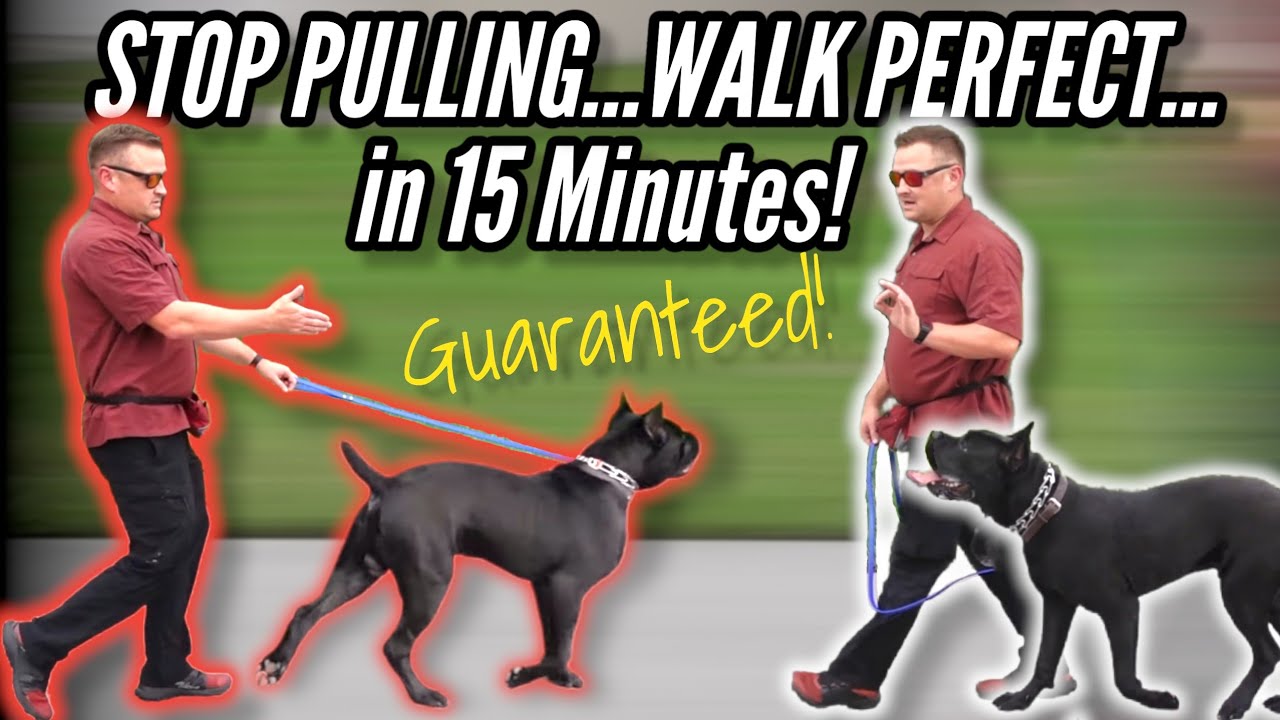
7. A Reliable Leash
A quality leash is one of the most practical accessories you’ll buy.
Consider your dog’s size, strength, walking habits, and environment when choosing one. A standard leash is suitable for many everyday walks, while longer lines can be useful in appropriate areas for recall practice.
Always use equipment that you can comfortably control.
8. A Well-Fitted Harness
A harness can provide an alternative attachment point for walking equipment, particularly for dogs that tend to pull.
Fit matters. A harness shouldn’t rub, restrict normal movement, or allow your dog to easily escape.
Check the fit periodically, especially if your dog is growing or changing weight.
9. Food and Water Bowls
Good bowls don’t have to be complicated.
Stainless steel bowls are popular because they are durable and relatively easy to clean. Ceramic bowls can also work when they are made for pet use and remain free from cracks or damage.
Whatever material you choose, wash food and water bowls regularly.
10. A Non-Slip Feeding Mat
A feeding mat can help keep food and water spills contained.
It is particularly useful for enthusiastic eaters or dogs that tend to push their bowls around the floor.
Choose a mat that is easy to clean and large enough to catch normal spills.
11. Slow-Feeder Bowls
Some dogs eat their meals extremely quickly.
A slow-feeder bowl can make eating more challenging by requiring the dog to work around ridges or sections to reach their food.
However, choose a design appropriate for your dog’s size and feeding habits. If your dog becomes frustrated, struggles to access food, or has a medical condition affecting feeding, ask your veterinarian about suitable options.
12. Treat-Dispensing Toys
Treat-dispensing toys combine rewards with mental engagement.
You can place an appropriate portion of your dog’s regular food or treats inside and allow them to work out how to access it.
Start with an easy setting before increasing the challenge.
13. Grooming Brush
The right brush can help you maintain your dog’s coat and remove loose hair.
The best type depends on your dog’s coat. Short-haired dogs, long-haired dogs, curly-coated breeds, and double-coated breeds can have very different grooming requirements.
If you’re unsure which tool to use, ask a professional groomer or veterinarian for guidance.
14. Nail Care Tools
Nails that become excessively long can interfere with comfortable movement.
Depending on your preference and your dog’s tolerance, you may use appropriate nail clippers or a nail grinder.
If your dog becomes extremely nervous during nail trimming, don’t force the process. A veterinarian or experienced groomer can help you develop a safer approach.
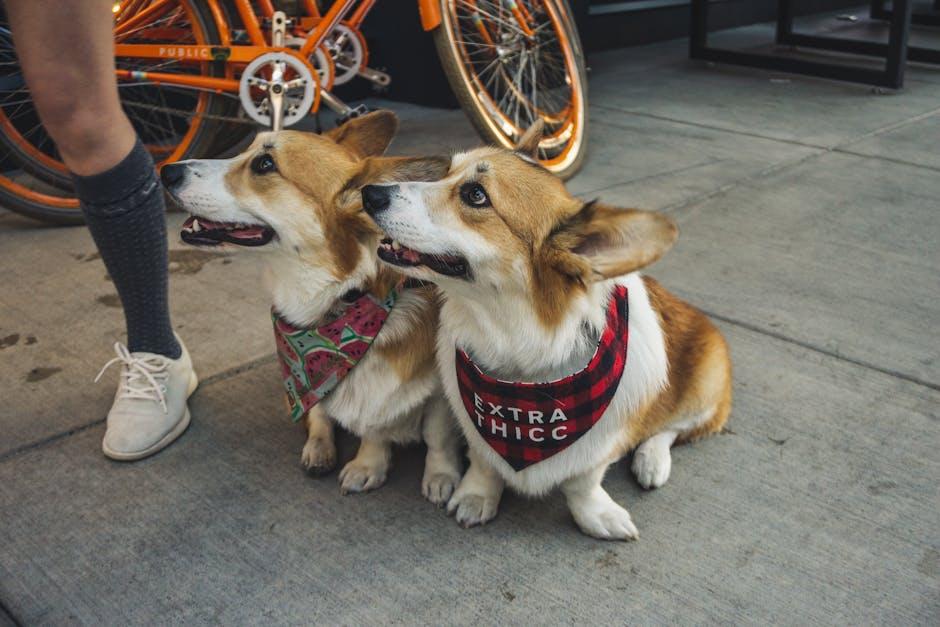
15. Dog Bandanas
A bandana is mostly a style accessory, but many owners enjoy using them for special occasions, photos, or everyday outings.
Choose lightweight material and make sure it doesn’t interfere with your dog’s breathing, movement, vision, or ability to eat and drink.
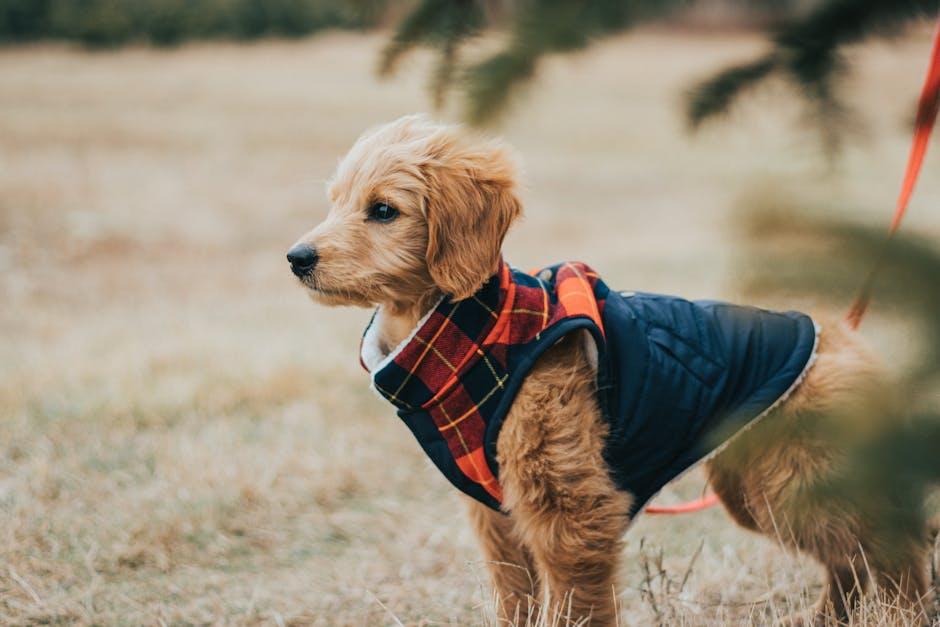
16. Weather-Appropriate Clothing
Some dogs may benefit from clothing during cold or wet conditions, while others don’t need it.
Sweaters, coats, and waterproof outer layers can be useful depending on the weather, your dog’s coat, and individual tolerance.
Clothing should fit comfortably and allow normal movement. Never leave a dog unsupervised in clothing that could become caught or cause overheating.
17. Portable Water Bowl
A collapsible water bowl is convenient for walks, hikes, road trips, and park visits.
It takes up little space and can be paired with a bottle of fresh water.
Remember that dogs need access to appropriate hydration, particularly during warm weather or physical activity.
18. Dog Travel Carrier or Crate
A suitable carrier or crate can make transportation easier and provide your dog with a familiar space while traveling.
The crate should be large enough for your dog to stand, turn around, and lie down comfortably.
For car travel, use an appropriate restraint or secured crate rather than allowing your dog to move freely around the vehicle.
19. Dog Travel First-Aid Kit
A basic pet first-aid kit can be useful when you’re away from home.
Depending on your activities, it might contain items such as:
- Gauze
- Bandages
- Tweezers
- Disposable gloves
- Saline for appropriate cleaning
- Clean towels
- Your veterinarian’s contact information
A first-aid kit is not a replacement for veterinary treatment. Serious injuries and illnesses require professional care.
20. Pet Camera or GPS Tracker
Technology can add convenience for some dog owners.
A pet camera can allow you to check on your dog while you’re away, while a GPS tracker can provide an additional tool for locating an adventurous dog.
These devices should complement, not replace, proper supervision, secure fencing, identification tags, and responsible handling.
How to Choose the Right Dog Accessories
With so many products available, it’s easy to buy things your dog never actually uses.
Instead, think about your dog’s lifestyle.
Consider Your Dog’s Size
A toy designed for a large dog may be inappropriate for a tiny breed, while equipment made for a small dog may not withstand a powerful chewer.
Always check the manufacturer’s size recommendations.
Think About Your Dog’s Personality
Does your dog love chewing?
Choose appropriate chew toys.
Do they enjoy solving problems?
Try puzzle feeders.
Do they spend hours outdoors?
Consider practical walking and weather gear.
Does your dog dislike grooming?
Look for equipment that makes the process easier and introduce it gradually.
Don’t Forget Age
Puppies, adult dogs, and senior dogs can have different accessory requirements.
Puppies may need appropriately sized toys and equipment that can accommodate growth. Older dogs may benefit from comfortable bedding and accessories that make everyday movement easier.
Dog Accessories for Walks
A simple walking kit might include:
- Collar with identification
- Properly fitted harness
- Leash
- Poop bags
- Portable water bowl
- Fresh water
- Treat pouch
- Reflective gear for low-light walks
You don’t need every accessory for every walk. Choose equipment based on the environment and your dog’s individual needs.
Dog Accessories for Travel
Traveling with a dog requires a little preparation.
Before leaving home, consider bringing:
- Food and water
- Bowls
- Leash and collar
- Identification information
- Harness
- Secure carrier or crate
- Bedding or blanket
- Waste bags
- Medication if prescribed
- Basic first-aid supplies
- Familiar toys
Keeping familiar items nearby can also help some dogs settle into unfamiliar environments.
Safety Matters More Than Style
A cute accessory isn’t useful if it creates a safety problem.
Before giving your dog any new product, check:
- Is it the correct size?
- Could my dog swallow part of it?
- Can it break into sharp pieces?
- Does it restrict movement?
- Does it rub the skin?
- Can my dog become trapped in it?
- Does it require supervision?
- Is it appropriate for my dog’s age and chewing behavior?
Inspect toys, collars, harnesses, and other equipment regularly. Replace anything damaged or worn out.
Frequently Asked Questions
What accessories does every dog need?
Most dogs benefit from basic essentials such as appropriate identification, a collar or harness, a leash, food and water bowls, comfortable bedding, suitable toys, and grooming supplies.
Additional accessories depend on the dog’s lifestyle.
What are the best accessories for an active dog?
Active dogs may enjoy durable toys, fetch equipment, portable water bowls, appropriate walking gear, and travel accessories.
The right combination depends on the dog’s activity level and the type of exercise they enjoy.
Are interactive toys good for dogs?
Interactive toys can provide mental stimulation and make dogs work for food or rewards. Choose an appropriate difficulty level and supervise your dog when introducing a new toy.
Should I buy a collar or harness?
Both can have useful roles. A collar can hold identification, while a properly fitted harness may be useful for walking, particularly for dogs that pull.
The best choice depends on the individual dog and how the equipment fits.
Does my dog need clothes?
Not necessarily. Some dogs may benefit from appropriate clothing in certain weather conditions, while others are comfortable without it.
Never prioritize appearance over comfort and safety.
What should I look for when buying dog toys?
Look at the toy’s recommended size, construction, intended use, and suitability for your dog’s chewing and playing style.
Avoid assuming that a toy advertised as “indestructible” cannot be damaged.
How often should dog accessories be replaced?
There isn’t one schedule for every product. Inspect accessories regularly and replace them when they become damaged, excessively worn, difficult to clean, or unsafe.
Final Thoughts
The best dog accessories aren’t necessarily the most expensive or fashionable ones. They’re the products that make your dog’s everyday life safer, more comfortable, more enriching, or easier to manage.
Start with the essentials—safe walking equipment, identification, food and water supplies, comfortable bedding, appropriate toys, and grooming tools. Then add accessories based on your dog’s personality and lifestyle.
Whether your pup loves long walks, puzzle games, cozy naps, or weekend adventures, the right accessories can make those everyday moments even more enjoyable.








Leave a comment