






Some dogs seem to understand a new command almost as soon as you introduce it. Others need more repetition, patience, and motivation before everything clicks.
While every dog is an individual, certain breeds are widely recognized for their intelligence, trainability, focus, and problem-solving abilities. Many of these dogs were developed for jobs that required them to work closely with people, make decisions, and respond to changing situations.
If you enjoy teaching tricks, practicing obedience, participating in dog sports, or simply keeping your companion mentally busy, these 15 brainy dog breeds may be especially interesting.
1. Border Collie
Border Collies are famous for their intelligence and intense work ethic. Originally developed for herding, they are highly responsive to human direction and can learn complicated behaviors when training is consistent.
Their intelligence comes with plenty of energy, though. A Border Collie typically needs both physical exercise and mental challenges to stay satisfied.
Puzzle toys, advanced obedience, agility, scent activities, and trick training can give this clever breed an appropriate outlet.
2. Poodle
Don’t let the Poodle’s elegant appearance fool you. Poodles are exceptionally capable learners and can excel in obedience, agility, retrieving activities, and many other forms of training.
Standard, Miniature, and Toy Poodles differ in size, but all can be mentally active and eager to engage with their people.
Because they enjoy learning, training sessions can become an important part of a Poodle’s daily enrichment.
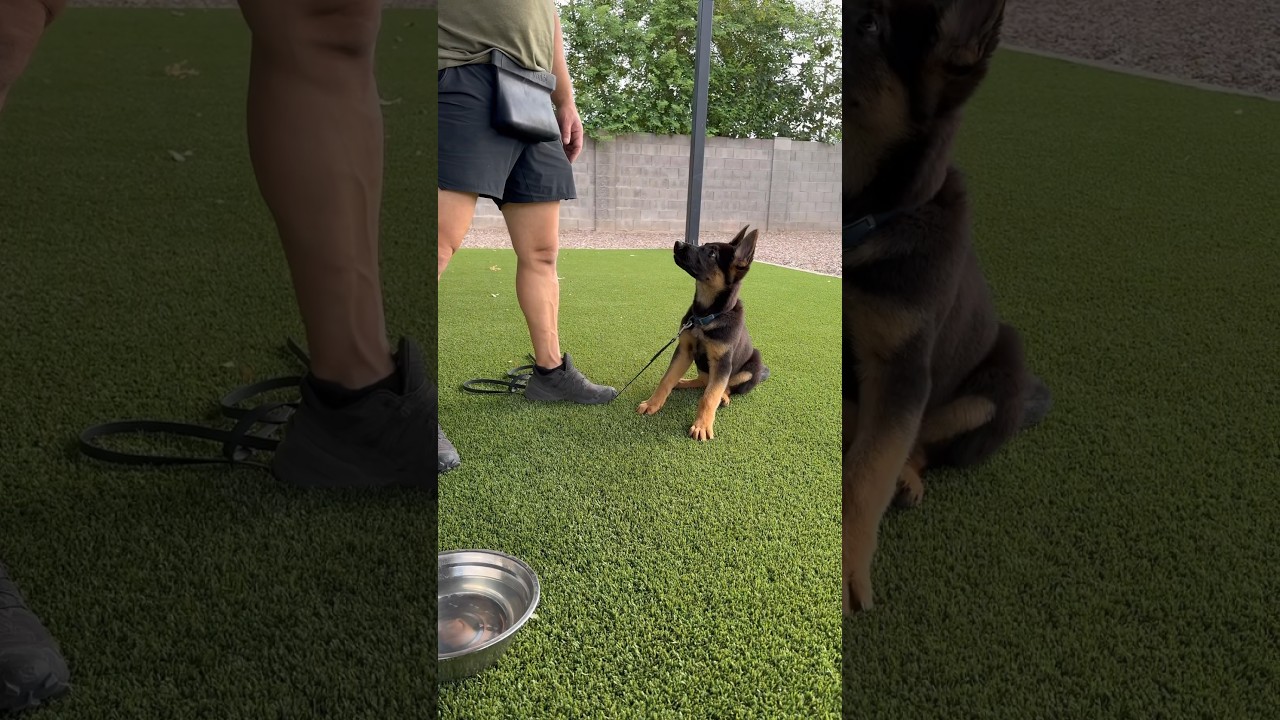
3. German Shepherd
German Shepherds combine intelligence, athleticism, focus, and a strong desire to work with their handlers.
Their ability to learn and perform complex tasks has made them useful in many working roles, including service work, search and rescue, detection, and law enforcement.
At home, they benefit from clear expectations, consistent training, appropriate socialization, and plenty of opportunities to use both their minds and bodies.
4. Golden Retriever
Golden Retrievers are not only affectionate family companions—they are also enthusiastic learners.
Their willingness to cooperate with people makes them well suited to obedience training, retrieving games, service work, and other activities.
Golden Retrievers generally respond particularly well to reward-based training. Combining treats, praise, play, and interesting challenges can keep lessons enjoyable.
5. Doberman Pinscher
Doberman Pinschers are alert, athletic, and highly responsive dogs that can learn commands quickly when training is structured and consistent.
They often form strong relationships with their owners and tend to enjoy having a purpose.
Early socialization and positive training can help channel their intelligence and energy into useful behaviors while building confidence and good manners.
6. Shetland Sheepdog
The Shetland Sheepdog, commonly called the Sheltie, is a small herding breed with an impressive capacity for learning.
Shelties can excel in obedience, agility, trick training, and other activities that require concentration and quick responses.
They can also be sensitive to harsh handling, so patient, reward-based training is often a better approach than intimidation or excessive correction.
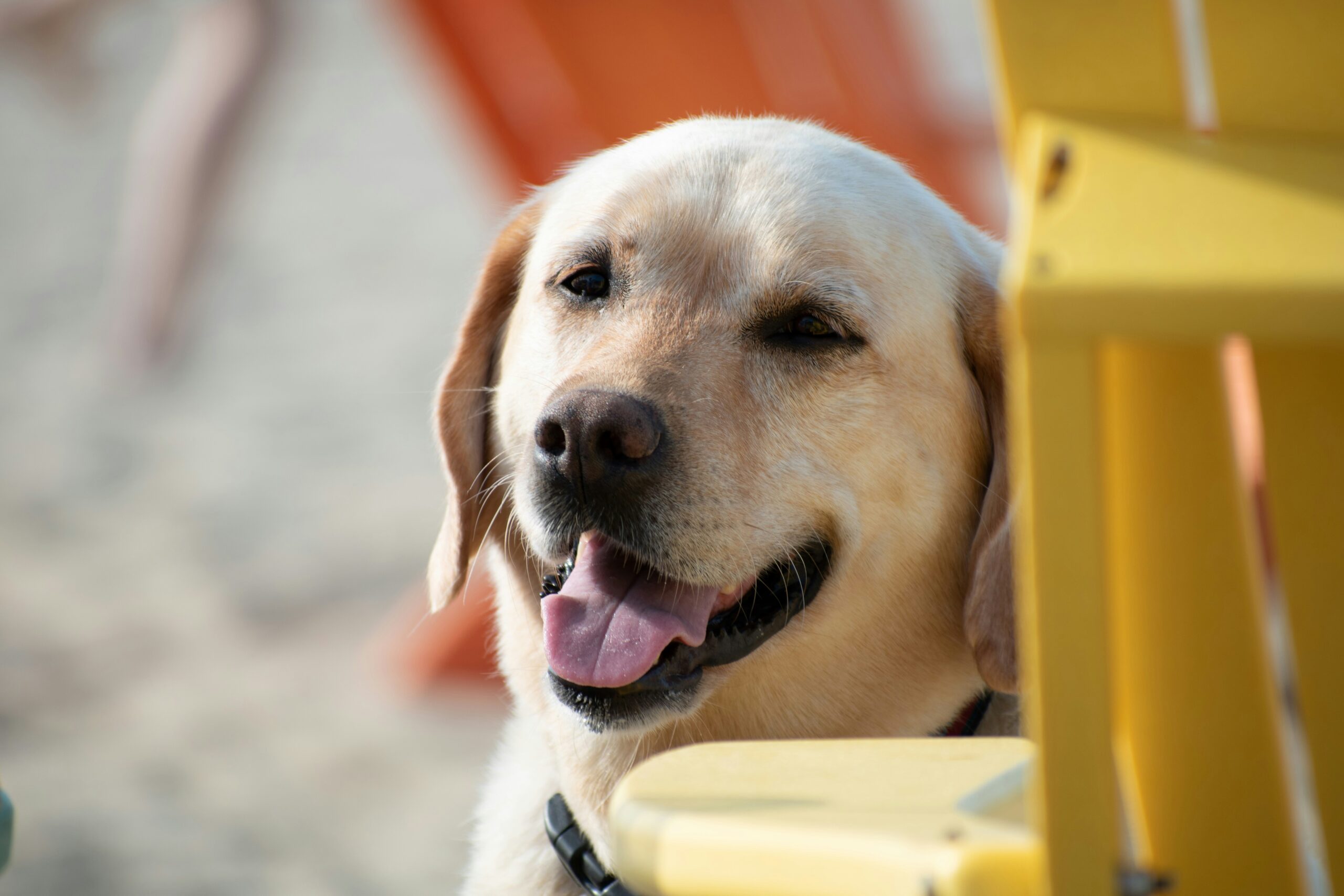
7. Labrador Retriever
Labrador Retrievers are known for their friendly personalities, but their trainability is another major part of their appeal.
Labs have historically worked alongside people as retrieving dogs and can also succeed in service, assistance, detection, and other roles.
They tend to enjoy interactive activities, especially those involving retrieving, food puzzles, swimming, and learning new behaviors.
8. Papillon
The Papillon may be tiny, but its intelligence can rival that of much larger dogs.
These energetic little dogs often enjoy learning tricks and participating in agility and obedience activities. Their curiosity and enthusiasm can make training sessions particularly entertaining.
Because of their small size, training and enrichment can be adapted for indoor spaces as well.
9. Rottweiler
Rottweilers are powerful, confident dogs with a reputation for being capable working partners.
They can learn commands and structured tasks effectively when given consistent guidance and appropriate motivation.
Training should begin early and include socialization, impulse control, basic obedience, and appropriate exposure to different people, animals, and environments.
10. Australian Cattle Dog
The Australian Cattle Dog was developed to work with livestock across challenging conditions, so problem-solving and independence are important parts of its heritage.
These energetic dogs often thrive when they have something meaningful to do.
Obedience exercises, scent games, agility, trick training, and structured outdoor activities can help satisfy both their physical and mental needs.
Without enough stimulation, their intelligence and energy can sometimes turn into unwanted behaviors.
11. Belgian Malinois
Belgian Malinois are highly driven working dogs known for their responsiveness and athleticism.
They can learn complicated behaviors and are frequently seen in demanding working roles that require focus, control, and cooperation.
This breed is not simply a dog that needs a few walks around the block. Malinois generally require substantial physical activity, mental enrichment, training, and experienced handling.
12. Miniature Schnauzer
Miniature Schnauzers are lively, curious, and intelligent companions.
They often enjoy learning new tricks and participating in games that require them to think. Short training sessions combined with play can keep their minds occupied without becoming repetitive.
Their alert personalities can also make teaching calm behavior and appropriate responses to sounds, people, and other animals especially useful.
13. English Springer Spaniel
English Springer Spaniels are energetic sporting dogs with a strong history of working alongside people.
They can be enthusiastic learners and often enjoy activities involving retrieving, scent work, obedience, and outdoor exploration.
Their combination of intelligence and energy means that training can serve two purposes: teaching useful behaviors while also providing mental exercise.
14. Pembroke Welsh Corgi
Pembroke Welsh Corgis may have short legs, but they have plenty of confidence and curiosity.
Originally bred for herding, Corgis are capable of learning quickly and often enjoy activities that challenge them.
Obedience exercises, tricks, puzzle toys, scent games, and agility-style activities can provide useful outlets for their energy and intelligence.
15. Standard Schnauzer
Standard Schnauzers are versatile, energetic dogs with a reputation for being clever and independent.
They can participate in obedience, agility, scent work, and other activities that require concentration and problem-solving.
Their intelligence also means they may become bored with repetitive training. Keeping lessons varied and rewarding can make it easier to hold their attention.
What Makes a Dog Intelligent?
Dog intelligence isn’t just about learning commands quickly.
A dog’s abilities can include several different areas:
Trainability
Some dogs quickly understand what their owner wants and repeat behaviors that have been rewarded.
Problem-Solving
Certain dogs enjoy figuring out how to reach food, operate puzzle toys, navigate obstacles, or solve new challenges.
Adaptability
A dog that can adjust to unfamiliar environments and situations may demonstrate another form of cognitive flexibility.
Communication
Dogs that pay close attention to human gestures, voices, body language, and routines can be particularly responsive during training.
Working Ability
Some breeds were developed to perform complicated tasks alongside humans, requiring them to pay attention, make decisions, and respond to changing circumstances.
Smart Dogs Still Need Good Training
Having an intelligent breed doesn’t automatically mean you’ll have an obedient dog.
In fact, highly intelligent dogs can sometimes invent their own activities when they aren’t given enough appropriate stimulation.
A smart dog may need:
- Regular physical exercise
- Short and engaging training sessions
- Puzzle toys
- Scent games
- Interactive play
- New commands and tricks
- Consistent household rules
- Positive reinforcement
- Opportunities to explore safely
Training should also be appropriate for the individual dog’s age, temperament, experience, and physical abilities.
Are Intelligent Dog Breeds Easy to Own?
Not necessarily.
A highly trainable dog may learn household rules quickly, but some intelligent breeds also have considerable energy, strong working drives, independence, or sensitivity.
For example, a dog that learns tricks rapidly may also learn how to open cabinets, steal food, escape barriers, or demand attention if those behaviors are accidentally rewarded.
The best match isn’t necessarily the dog that learns the fastest. It’s the dog whose exercise needs, temperament, and activity level fit your lifestyle.
How to Keep a Smart Dog Mentally Stimulated
If you share your home with a particularly clever dog, don’t make every activity about physical exercise.
Try mixing different forms of enrichment:
- Teach a new trick — even simple behaviors can provide mental exercise.
- Use food puzzles — make your dog work safely for part of their meal.
- Play scent games — hide treats or toys and encourage your dog to search.
- Practice obedience — work on existing commands in different environments.
- Try dog sports — activities such as agility or rally can combine learning and exercise.
- Rotate toys — periodically introduce different safe toys instead of leaving everything available at once.
- Practice calm behaviors — teaching your dog to settle on a mat can be just as useful as teaching flashy tricks.
Intelligence Is Only One Part of a Great Dog
Breed intelligence can be interesting, but it shouldn’t be the only factor when choosing a companion.
A dog’s size, exercise requirements, grooming needs, temperament, social preferences, health considerations, and training requirements all matter.
And regardless of breed, individual dogs can differ considerably. A mixed-breed dog or a breed not traditionally considered highly intelligent can still be an excellent learner and wonderful companion.
Final Thoughts
Border Collies, Poodles, German Shepherds, Golden Retrievers, Papillons, and the other breeds on this list demonstrate just how diverse canine intelligence can be.
Some are brilliant herders, some excel at retrieving, some thrive in working roles, and others simply enjoy learning tricks with their families.
The key to living with a clever dog is giving that intelligence a healthy outlet. With patience, positive reinforcement, appropriate exercise, and regular mental enrichment, training can become one of the most rewarding parts of your relationship.










Leave a comment