



Bringing home a puppy means preparing for plenty of cuddles, playful zoomies, tiny teeth, and curious adventures. Along with food and veterinary care, the right accessories can make everyday life safer, easier, and more comfortable for both you and your new companion.
From a properly fitted harness and identification tag to interactive toys and a washable bed, puppy gear should be chosen with your dog’s age, size, personality, and stage of growth in mind.
If you’re preparing for your first puppy, here’s a practical list of accessories worth considering.
1. Adjustable Puppy Collar
A lightweight, adjustable collar is useful for everyday identification and getting your puppy accustomed to wearing one.
Because puppies grow quickly, check the fit regularly. You should be able to comfortably fit a couple of fingers between the collar and your puppy’s neck without making it loose enough to slip over their head.
Never leave a collar or accessory on a puppy without considering the risk of snagging or injury.
2. Identification Tag
An identification tag can be extremely useful if your puppy accidentally gets outside.
Include information such as:
- Your phone number
- Your puppy’s name
- Another useful contact detail if space allows
Keep the tag securely attached and check that the information remains readable.
3. Comfortable Harness
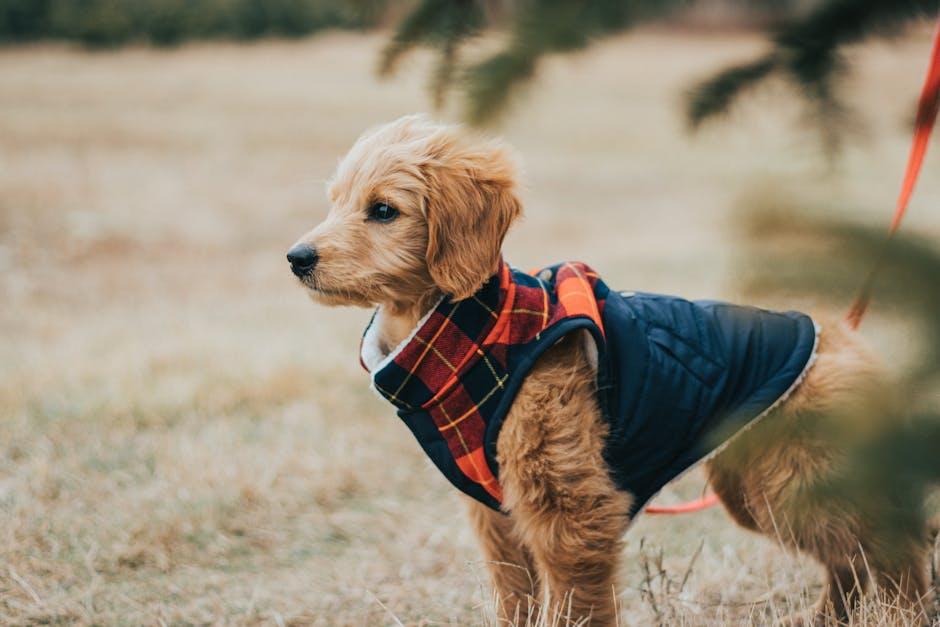
A properly fitted harness can be useful for leash training and walks.
Look for a design that allows your puppy to move naturally without rubbing or restricting the shoulders, neck, or chest.
Since puppies grow quickly, check the fit frequently and adjust or replace the harness when necessary.
4. Reliable Leash
A lightweight leash is another basic piece of puppy equipment.
For everyday walks, choose one that is comfortable for you to hold and appropriate for your puppy’s size. Avoid allowing your puppy to chew the leash during walks.
A standard leash can also make early leash-training exercises easier to manage than giving a young puppy excessive freedom.
5. Portable Water Bowl
If you’re taking your puppy outside for walks, training sessions, or trips, a collapsible water bowl can be convenient.
Pair it with fresh drinking water, particularly during warm weather or longer outings.
6. Puppy Food and Feeding Bowls
Your puppy’s food is more important than having fancy feeding accessories.
Choose a complete and balanced puppy diet appropriate for your dog’s life stage and expected size. Stainless steel or other easy-to-clean bowls can make everyday feeding simple.
Consider keeping separate bowls for food and water and washing them regularly.
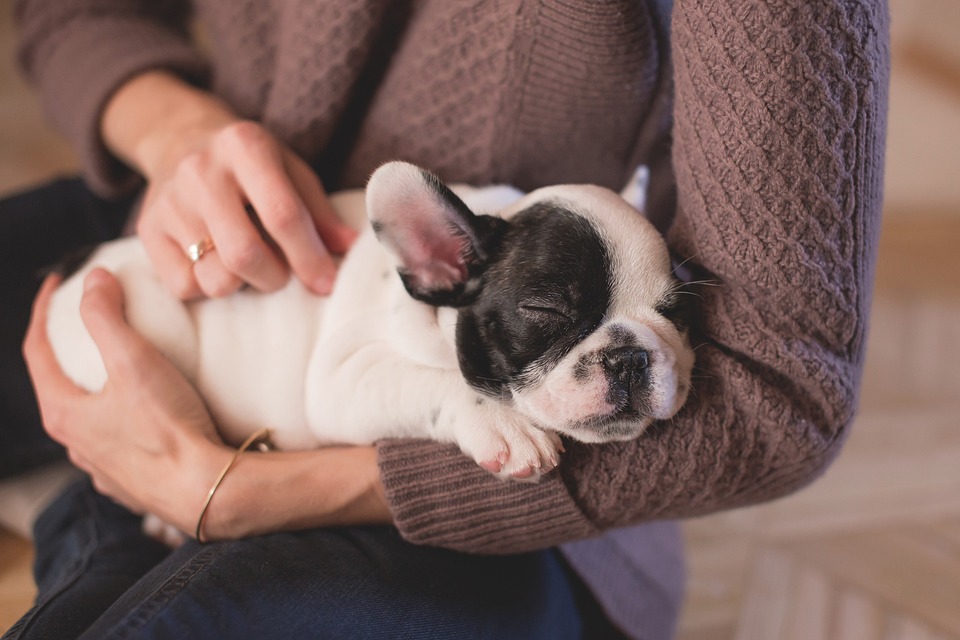
7. Comfortable Puppy Bed
Puppies spend a lot of time sleeping, so a comfortable resting area is essential.
Choose a bed that:
- Is large enough for your puppy to stretch out
- Is easy to clean
- Has no easily swallowed decorative pieces
- Fits comfortably in the puppy’s resting area
- Can accommodate their growth
A washable cover is especially useful during the house-training stage.
8. Puppy-Safe Crate
A crate can provide your puppy with a quiet place to rest and can be useful during travel and house training.
Introduce it gradually and make it a positive space rather than somewhere your puppy is sent as punishment.
The crate should provide enough room for your puppy to stand, turn around, lie down, and rest comfortably.
9. Durable Chew Toys
Chewing is a normal puppy behavior, particularly during the teething period.
Providing appropriate chew toys gives your puppy something acceptable to investigate with their mouth.
Choose toys that are suitable for your puppy’s size and chewing style, and inspect them regularly for damage.
No toy is completely indestructible, so replace anything that becomes broken or small enough to swallow.
10. Interactive Puzzle Toys
Puppies don’t only need physical activity. Their brains need something to do, too.
Puzzle toys and food-dispensing toys can encourage your puppy to investigate, manipulate objects, and work for part of their food.
Start with simple puzzles and increase the challenge as your puppy learns.
11. Fetch Toys
Balls and other appropriately sized fetch toys can make playtime more engaging.
Choose a toy that is large enough that your puppy cannot accidentally swallow it.
Keep fetch sessions age-appropriate, especially with very young puppies who are still developing physically.
12. Tug Toys
A suitable tug toy can provide interactive play between you and your puppy.
Rather than allowing your puppy to grab clothing, shoes, or household objects, redirect them toward an appropriate toy.
Keep an eye on the toy while playing and replace it if threads or pieces begin coming loose.
13. Soft Comfort Toy
Some puppies enjoy carrying or sleeping beside a soft toy.
Choose one without easily detachable eyes, buttons, ribbons, or other small pieces.
If your puppy destroys plush toys quickly, consider using them only during supervised play.
14. Grooming Brush
Introducing grooming early can make future brushing much easier.
The right brush depends on your puppy’s coat type. Long-haired, curly-coated, double-coated, and short-haired dogs can have very different grooming requirements.
Keep early brushing sessions short and reward calm behavior.
15. Puppy Nail-Care Tools
Puppies need their nails monitored as they grow.
A nail clipper or grinder designed for pets can be useful once your puppy becomes comfortable with having their paws handled.
Start slowly rather than attempting a complete nail-trimming session immediately.
If you’re nervous about trimming nails yourself, ask your veterinarian or professional groomer to demonstrate the technique.
16. Training Treat Pouch
A small treat pouch makes reward-based training much more convenient.
You can keep tiny training treats nearby while teaching:
- Name recognition
- Sit
- Come
- Leave it
- Loose-leash walking
- Settling calmly
- Good manners
Remember that treats contribute to your puppy’s daily calorie intake, so keep portions appropriate.
17. Puppy Gates or Playpen
A puppy gate can prevent access to rooms that aren’t puppy-proofed.
A playpen can also provide a controlled area for play and rest when direct supervision isn’t possible.
Use these tools as part of a safe environment rather than relying on them as a substitute for supervision.
18. Car Safety Gear
If your puppy travels in the car, plan how they will be safely restrained.
Depending on your vehicle and puppy, options can include an appropriately designed travel crate or a crash-tested pet restraint system.
Never allow a puppy to freely move around the vehicle while you’re driving.
19. Portable Cleaning Supplies
Accidents are part of puppyhood.
Keep cleaning supplies specifically intended for pet messes available in areas where your puppy spends time.
Cleaning accidents thoroughly can help prevent the same location from becoming an attractive bathroom spot.
20. Puppy First-Aid Supplies
A basic pet first-aid kit can be useful to keep at home or take when traveling.
It might include items such as:
- Gauze
- Bandages designed for pets
- Disposable gloves
- Clean towels
- Saline suitable for appropriate first-aid use
- A digital thermometer if recommended by your veterinarian
- Your veterinarian’s contact information
A first-aid kit isn’t a replacement for professional veterinary care. For serious injuries, poisoning, breathing problems, or other emergencies, contact a veterinarian promptly.
Puppy Accessories at a Glance
| Accessory | Main Purpose | What to Look For |
|---|---|---|
| Collar | Identification | Adjustable and comfortable |
| ID tag | Contact information | Secure attachment |
| Harness | Walking | Proper fit and free movement |
| Leash | Controlled walks | Suitable length and strength |
| Water bowl | Hydration | Portable and easy to clean |
| Puppy bed | Rest | Washable and appropriately sized |
| Crate | Rest and travel | Comfortable, secure size |
| Chew toy | Appropriate chewing | Puppy-safe and durable |
| Puzzle toy | Mental enrichment | Age-appropriate difficulty |
| Fetch toy | Active play | Correct size |
| Tug toy | Interactive play | Strong and regularly inspected |
| Grooming brush | Coat care | Appropriate for coat type |
| Nail tools | Paw care | Designed for dogs |
| Treat pouch | Training | Easy access |
| Baby gate/playpen | Home management | Secure and stable |
| Travel restraint | Car safety | Designed for pet travel |
| First-aid kit | Emergency preparation | Basic pet-safe supplies |
How to Choose the Right Puppy Accessories
It’s tempting to buy every adorable product you see, but puppies grow quickly. Instead, concentrate on items that solve real problems.
Consider Your Puppy’s Size
A toy designed for a large dog may be inappropriate for a tiny puppy, while equipment for a small puppy may quickly become too restrictive as they grow.
Always follow the manufacturer’s size recommendations.
Think About Growth
Puppies can outgrow collars, harnesses, beds, and crates surprisingly quickly.
Check equipment regularly rather than assuming something that fitted last month still fits today.
Match Accessories to Personality
A food-motivated puppy might love puzzle feeders.
A puppy who enjoys carrying things may prefer fetch toys.
An energetic puppy may benefit from interactive games and appropriate enrichment.
There isn’t one perfect accessory collection for every dog.
Prioritize Safety Over Appearance
A fashionable collar or cute toy isn’t useful if it doesn’t fit properly or creates a safety risk.
When choosing puppy gear, consider:
- Fit
- Materials
- Construction
- Size
- Ease of cleaning
- Potential choking hazards
- Whether your puppy can destroy or swallow parts
How to Introduce New Accessories
Some puppies immediately investigate everything. Others are cautious around unfamiliar objects.
Don’t force your puppy to wear or interact with something they find frightening.
Instead:
- Place the new item nearby.
- Let your puppy investigate it.
- Reward calm curiosity.
- Introduce it for a short period.
- Gradually increase the amount of time.
- Stop if your puppy becomes distressed.
This approach can be especially useful for harnesses, grooming tools, crates, and travel equipment.
When Should You Replace Puppy Accessories?
Don’t wait for a scheduled replacement date if an item is damaged.
Inspect toys, collars, harnesses, leashes, beds, and crates regularly.
Replace anything that:
- Has broken pieces
- Contains loose threads
- Has sharp edges
- Has become too small
- No longer fits correctly
- Can be easily swallowed
- Has damaged buckles or clips
Puppies are excellent at finding the weakest point in almost anything!
Frequently Asked Questions
What accessories does a new puppy actually need?
Start with the basics: appropriate food and bowls, a collar and identification tag, leash, suitable harness, comfortable bed, crate or safe resting area, appropriate toys, grooming supplies, and cleaning products.
You can add other accessories as you learn more about your puppy’s needs.
What is the most important puppy toy?
There isn’t one universal “best” toy. A puppy may enjoy chew toys, food puzzles, fetch toys, tug toys, or soft toys depending on their personality.
The most important consideration is whether the toy is appropriate for your puppy’s size, age, and chewing behavior.
How often should I check my puppy’s collar and harness?
Check the fit frequently while your puppy is growing. If the collar or harness becomes tight, loose, damaged, or restrictive, adjust or replace it.
Are expensive puppy accessories always better?
Not necessarily. Price doesn’t guarantee that an accessory is appropriate for your particular puppy.
Focus on fit, safety, durability, practicality, and suitability rather than buying something simply because it costs more.
Should puppies have their own bed?
Yes. Giving your puppy a designated resting area can help establish a predictable place for sleep and relaxation. However, don’t be surprised if your puppy occasionally chooses another comfortable spot.
Can puppies use interactive toys?
Yes, many puppies can benefit from age-appropriate interactive toys. Start with simple designs and supervise your puppy, particularly when introducing a new toy.
How can I stop my puppy from chewing furniture?
Provide appropriate chew toys, supervise your puppy, limit access to tempting objects, and redirect them toward an approved toy. Reward them when they choose the correct item.
How do I know when my puppy has outgrown an accessory?
Check the fit and condition regularly. If a collar or harness restricts movement, becomes uncomfortable, or no longer fits correctly, replace it. Toys should also be replaced when they become damaged or small enough to swallow.
Final Thoughts
The best puppy accessories aren’t necessarily the trendiest ones. They’re the products that make your puppy safer, more comfortable, easier to train, and better prepared for everyday life.
Start with the essentials and gradually discover what your puppy actually enjoys.
A comfortable bed, safe toys, properly fitted walking equipment, grooming supplies, and a few useful training tools can go a long way.
And remember: puppies grow fast. Check their equipment regularly, inspect toys for damage, and adjust your setup as your little companion becomes bigger and more confident.
The goal isn’t to spoil your puppy with stuff—it’s to create a safe, enriching environment where they can learn, play, rest, and grow.






Leave a comment