




Bringing home a puppy means taking responsibility for much more than meals, toys, and playtime. During the first months of life, puppies grow rapidly and go through important stages of physical, behavioral, and social development. The care they receive during this period can help establish healthy habits that continue throughout adulthood.
One of the most effective approaches is preventative care.
Instead of waiting until your puppy becomes noticeably ill, preventative care focuses on regular veterinary examinations, appropriate vaccinations, parasite control, nutrition, dental care, safe exercise, and healthy behavior.
No preventative plan can guarantee that a dog will never become sick. However, staying ahead of potential problems can make it easier to identify concerns early and give your puppy the best possible start.
What Is Preventative Care for Puppies?
Preventative care is the collection of routine steps used to protect a puppy’s health before problems become serious.
It can include:
- Veterinary wellness examinations
- Recommended vaccinations
- Parasite prevention
- Fecal and other diagnostic testing when appropriate
- Balanced puppy nutrition
- Dental care
- Weight monitoring
- Safe exercise
- Socialization
- Training and behavior support
- Grooming and coat care
- Identification and safety measures
Your veterinarian can help create a preventative-care plan based on your puppy’s age, size, lifestyle, environment, medical history, and local disease risks.
1. Regular Veterinary Visits Help Catch Problems Early
Young puppies change quickly, which is one reason early veterinary visits are so important.
During a wellness appointment, your veterinarian may assess your puppy’s:
- Weight and growth
- Heart and breathing
- Eyes and ears
- Teeth and mouth
- Skin and coat
- Muscles and joints
- Abdomen
- Overall development
- Behavior and temperament
The veterinarian can also discuss feeding, parasite control, vaccinations, exercise, training, and other aspects of puppy care.
Why Early Detection Matters
Some health problems are difficult for owners to recognize during their early stages.
A puppy might continue eating and playing normally while a developing issue is already present.
Routine examinations give your veterinarian an opportunity to identify abnormalities before they potentially become more complicated.
2. Keep Vaccinations on Schedule
Vaccination is one of the most important parts of preventative healthcare for puppies.
Young dogs can be vulnerable to infectious diseases, including illnesses such as parvovirus and distemper. Rabies vaccination is also legally required in many locations.
Puppies generally receive a series of vaccinations rather than one single injection.
The exact schedule can vary depending on factors such as:
- Your puppy’s age
- Previous vaccination history
- Location
- Disease prevalence
- Lifestyle
- Vaccine type
- Veterinary recommendations
Don’t assume that a puppy is fully protected immediately after receiving one vaccination.
Your veterinarian can tell you when your puppy has adequate protection for different activities.
3. Protect Your Puppy From Parasites
Parasites are another major reason preventative care matters.
Puppies can encounter parasites both indoors and outdoors. Depending on where you live, common concerns may include fleas, ticks, roundworms, hookworms, whipworms, and other parasites.
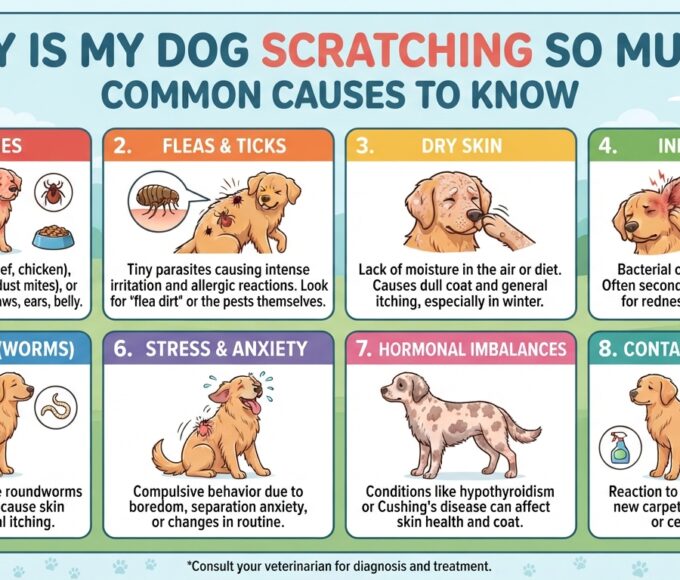
Parasites can cause problems ranging from skin irritation to gastrointestinal illness and, in some cases, more serious complications.
Your veterinarian can recommend an appropriate prevention plan based on your puppy’s age, weight, lifestyle, and local parasite risks.
Don’t Guess at Medication Dosages
Never use a parasite product simply because it worked for another dog.
Some products are only suitable for certain ages or weights, and products intended for one species may be dangerous for another.
Always follow veterinary or product-label guidance.
4. Feed Your Puppy for Growth
Nutrition plays a major role in development.
Puppies require food formulated to support growth, but the appropriate diet depends partly on their expected adult size and individual needs.
Large- and giant-breed puppies, for example, have different growth considerations from small-breed puppies.
A suitable puppy diet should provide the right balance of nutrients rather than simply containing as many calories as possible.
Avoid Overfeeding
More food isn’t necessarily better.
Rapid or excessive weight gain can contribute to orthopedic problems in growing dogs, particularly in larger breeds.
Instead of relying only on the feeding chart printed on a food package, monitor your puppy’s body condition and discuss portions with your veterinarian.
Fresh water should also be available throughout the day unless your veterinarian gives you different instructions.
5. Start Dental Care Early
Puppy dental care is easy to overlook because baby teeth eventually fall out.
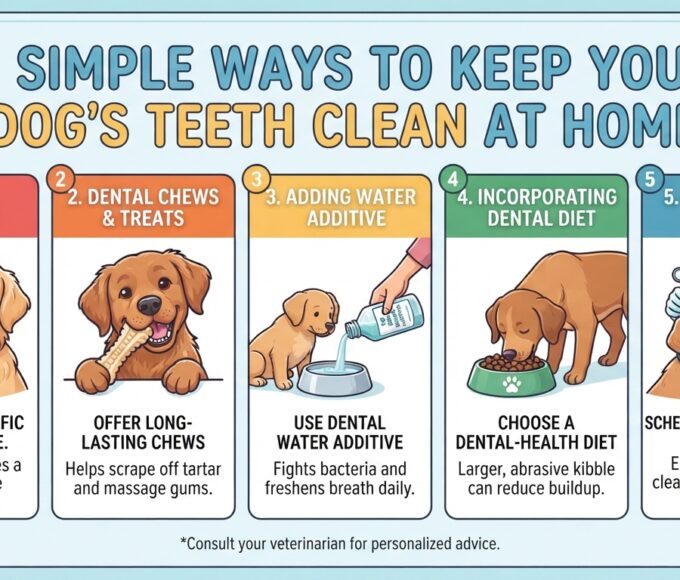
However, puppyhood is an excellent time to teach your dog that having their mouth examined and teeth brushed is a normal part of life.
Begin gradually.
You can start by allowing your puppy to become comfortable with having their lips and mouth gently touched. Once they’re relaxed with handling, introduce a dog-specific toothbrush and toothpaste.
Never Use Human Toothpaste
Human toothpaste isn’t designed to be swallowed by dogs, and some ingredients can be harmful.
Use toothpaste specifically made for dogs and follow your veterinarian’s advice.
Regular dental care can help establish habits that may benefit your dog throughout adulthood.
6. Take Care of Your Puppy’s Weight
Monitoring growth isn’t only about watching the number on a scale.
Your puppy’s body condition matters too.
A veterinarian can help you determine whether your puppy is growing appropriately and whether their body condition is healthy.
Keeping a growing puppy at an appropriate body condition can reduce unnecessary strain on developing joints and bones.
Regular weight checks are particularly useful during puppyhood because nutritional needs can change rapidly.
7. Make Socialization Part of Preventative Care
Preventative care isn’t limited to physical health.
A puppy’s behavioral development matters too.
Safe, positive socialization during puppyhood can help dogs become more comfortable with everyday experiences.
Depending on your veterinarian’s guidance and vaccination status, appropriate exposure might include:
- Different household sounds
- Friendly people
- Safe surfaces
- Car rides
- Grooming equipment
- Harnesses and collars
- Calm, healthy dogs
- New environments
- Household objects
Socialization should be gradual and positive.
Don’t force a frightened puppy into an interaction simply to “get them used to it.” Doing so can make fear worse.
Instead, keep new experiences at a level your puppy can comfortably handle and reward calm behavior.
8. Begin Training Early
Training is another form of preventative care because teaching appropriate behaviors can make everyday life safer and easier.
Start with simple skills such as:
- Responding to their name
- Coming when called
- Sitting
- Walking calmly on a leash
- Settling on a mat
- Leaving unsafe objects alone
- Cooperating with handling
Use reward-based training and keep sessions short.
Training should help your puppy understand what you want them to do rather than relying on fear or punishment.
9. Provide Safe Exercise and Mental Enrichment
Puppies need opportunities to explore and play, but their exercise should be appropriate for their age and physical development.
Avoid assuming that a puppy needs exhausting workouts simply because they have lots of energy.
Instead, combine:
- Short walks when appropriate
- Gentle play
- Sniffing opportunities
- Basic training
- Puzzle toys
- Food enrichment
- Supervised exploration
- Plenty of rest
Puppies also sleep a lot. Adequate rest is an important part of healthy development.
Your veterinarian can provide guidance about exercise for your puppy’s breed, size, age, and physical condition.
10. Keep Grooming and Handling Positive
Regular grooming can help you notice changes in your puppy’s skin, coat, ears, paws, and nails.
More importantly, getting puppies comfortable with grooming and handling early can make future care easier.
Gradually teach your puppy to tolerate:
- Brushing
- Nail handling
- Paw touching
- Ear checks
- Tooth brushing
- Bathing
- Gentle restraint
- Veterinary-style handling
Reward cooperation and take breaks when your puppy becomes overwhelmed.
11. Watch for Changes in Behavior
You know your puppy’s normal routine better than anyone.
That makes you an important part of preventative healthcare.
Contact your veterinarian if you notice concerning changes such as:
- Sudden loss of appetite
- Persistent vomiting
- Repeated diarrhea
- Unusual tiredness
- Difficulty breathing
- Persistent coughing
- Significant changes in drinking or urination
- Limping or obvious pain
- Sudden behavioral changes
- Unexplained weight loss
- Seizures or collapse
Puppies can become seriously ill quickly, so don’t wait for a routine appointment if something appears urgent.
12. Puppy-Proof Your Home
Preventing accidents is another important part of keeping a puppy healthy.
Young dogs investigate their environment with their mouths, paws, and noses.
Before bringing your puppy home, look for hazards such as:
- Electrical cords
- Small objects
- Toxic plants
- Cleaning products
- Medications
- Accessible trash
- Certain human foods
- Open windows
- Unsecured balconies
- Gaps behind furniture
- Easily accessible chemicals
Keep potentially dangerous items out of reach and supervise your puppy when they’re exploring.
Create a Puppy Preventative-Care Checklist
A simple checklist can make it easier to stay organized.
| Area | What to Monitor |
|---|---|
| Veterinary care | Wellness examinations and recommended tests |
| Vaccinations | Follow your veterinarian’s schedule |
| Parasites | Appropriate flea, tick, and worm prevention |
| Nutrition | Puppy-appropriate food and healthy portions |
| Weight | Growth and body condition |
| Dental care | Gradual tooth-brushing routine |
| Training | Basic skills and household manners |
| Socialization | Positive, age-appropriate experiences |
| Exercise | Safe physical activity and play |
| Grooming | Brushing, nails, ears, and coat |
| Identification | Microchip and current ID information |
| Home safety | Remove hazards and toxic substances |
The Benefits of Starting Preventative Care Early
Taking these steps during puppyhood can provide several long-term advantages.
Health Problems May Be Identified Earlier
Regular examinations can uncover abnormalities before they become obvious at home.
Healthy Habits Become Normal
A puppy that learns to accept tooth brushing, grooming, handling, and veterinary visits may find these routines easier later in life.
Training Can Prevent Future Problems
Teaching appropriate behaviors early can reduce frustration for both dogs and owners.
You Can Track Healthy Growth
Regular weight and development checks help you and your veterinarian make informed decisions about nutrition and exercise.
It Strengthens Your Relationship
Preventative care isn’t only about medical treatment. Feeding appropriately, training, grooming, playing, and providing a safe environment all help build trust between you and your puppy.
Frequently Asked Questions
How often should a puppy visit the veterinarian?
Puppies commonly have several veterinary visits during their first months of life because vaccinations, growth assessments, parasite prevention, and other needs must be monitored. The exact schedule depends on the puppy and your veterinarian’s recommendations.
Are puppy vaccinations really necessary?
Vaccinations are an important part of protecting puppies against serious infectious diseases. Your veterinarian can recommend which vaccines your puppy needs and when they should be given based on local risks and lifestyle.
When should I start giving my puppy parasite prevention?
Parasite prevention should be discussed with your veterinarian as early as possible. The appropriate product and starting age depend on the puppy’s age, weight, location, and specific parasite risks.
What is the best food for a puppy?
There isn’t one food that is perfect for every puppy. Choose a nutritionally complete diet appropriate for your puppy’s life stage and, when relevant, their expected adult size. Your veterinarian can help you select an appropriate diet and feeding amount.
When should I start brushing my puppy’s teeth?
You can begin introducing gentle mouth handling while your puppy is young. Start slowly and use dog-specific dental products. The goal is to make dental care a normal and positive routine.
Can preventative care guarantee my puppy will stay healthy?
No. Preventative care reduces avoidable risks and can help identify problems early, but no healthcare plan can guarantee that a dog will never develop an illness or injury.
Final Thoughts
Your puppy’s first months are filled with rapid growth and learning, making this an important time to establish healthy routines.
Regular veterinary care, appropriate vaccinations, parasite prevention, balanced nutrition, dental care, safe exercise, socialization, training, grooming, and a puppy-proof home all contribute to a strong foundation.
Preventative care isn’t about worrying about everything that could go wrong. It’s about taking sensible steps today so that your puppy has the best opportunity to grow into a healthy, confident, and well-adjusted adult dog.
And perhaps the most important part is consistency. Small actions repeated throughout your puppy’s life can make a meaningful difference over the years you spend together.







Leave a comment