




Summer can be enjoyable for dogs, but hot weather also brings important safety concerns. Dogs do not cool themselves as efficiently as humans do, and high temperatures can become uncomfortable or dangerous surprisingly quickly.
Whether your dog spends most of the day indoors, enjoys long walks, or loves playing outside, taking a few precautions can help them stay comfortable during warm weather.
Knowing how to keep your dog cool in hot weather is especially important during heatwaves and on very humid days.
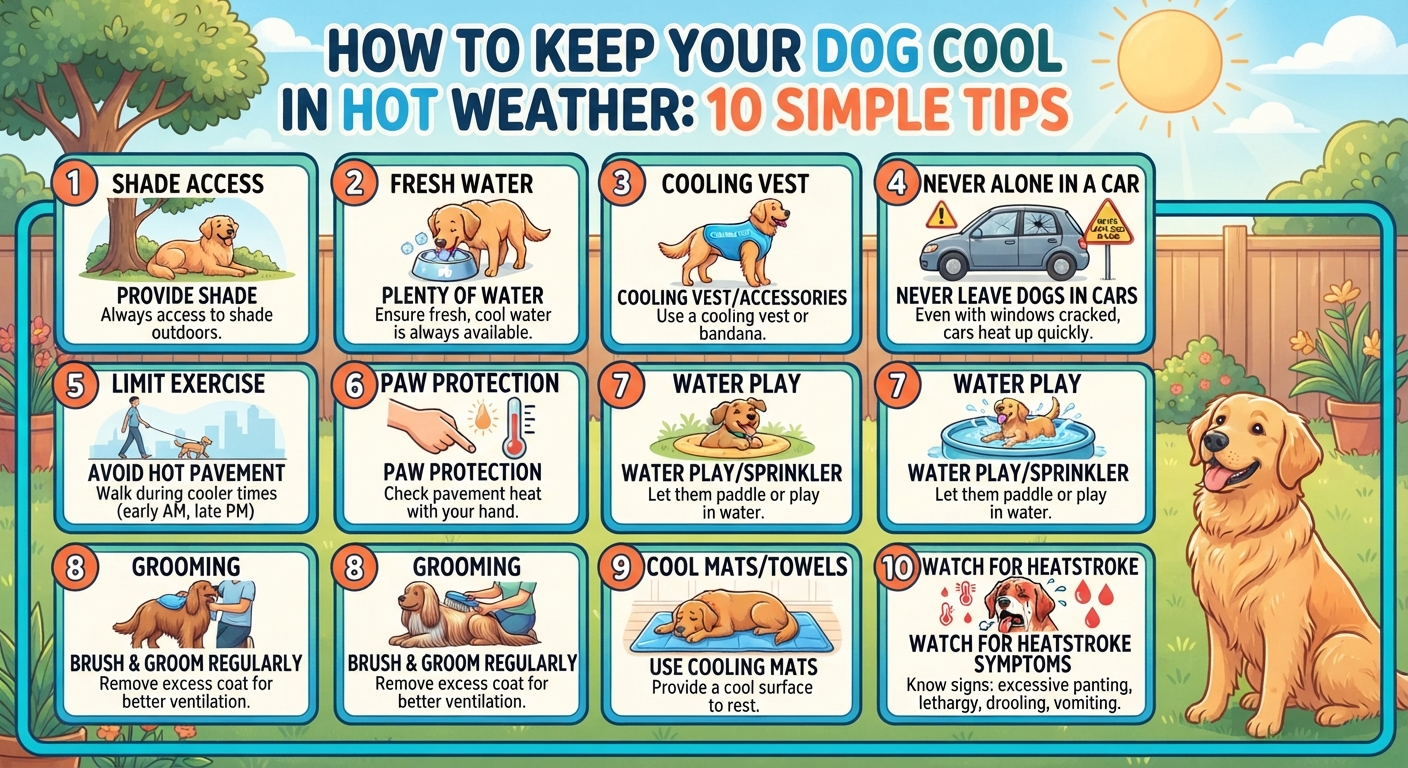
Here are 10 practical ways to help your dog stay cool and comfortable.
1. Always Provide Plenty of Fresh Water
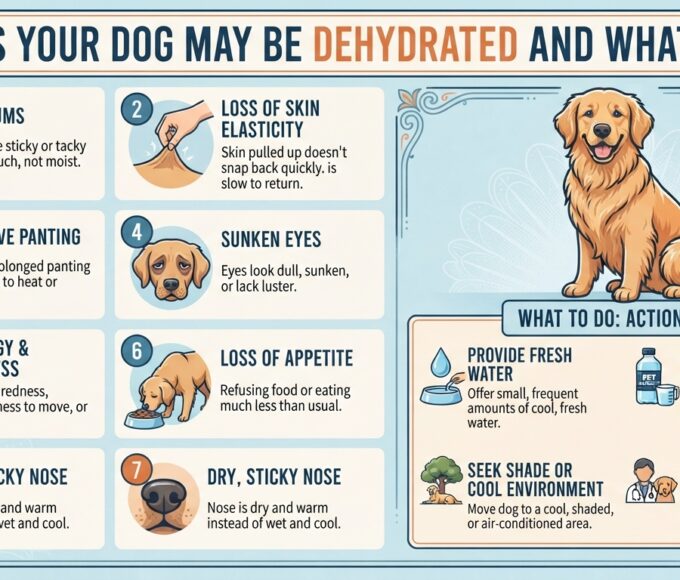
One of the simplest ways to help your dog cope with hot weather is to make sure fresh drinking water is always available.
Dogs lose water through panting, and they may need more fluids than usual during hot days.
Keep a clean bowl of fresh water somewhere your dog can easily reach it. If your dog spends time outdoors, consider placing additional water bowls in different areas.
For walks and trips away from home, take a portable water bottle or travel bowl with you.
Avoid letting your dog rely on dirty, stagnant outdoor water sources, as these may contain harmful bacteria or other contaminants.
2. Create a Cool, Shaded Area
If your dog spends time outside, make sure there is a shaded place where they can escape direct sunlight.
A covered patio, shaded garden area, or well-ventilated outdoor shelter can provide some relief.
Remember that the position of the sun changes throughout the day. A spot that is shaded in the morning may be exposed to direct sunlight later.
For dogs that live primarily indoors, keep their favorite resting area away from direct sunlight when possible.
Closing curtains or blinds during the hottest part of the day can also help reduce indoor temperatures.
3. Avoid Walking During the Hottest Part of the Day
You don’t necessarily need to stop walking your dog during summer, but you may need to change your schedule.
Early morning and later evening are usually more comfortable than the middle of the day.
Hot pavement can also become extremely uncomfortable for dogs’ paws. Before heading outside, place the back of your hand against the pavement for several seconds. If it feels too hot for your hand, it may be too hot for your dog’s paws.
Choose grassy or shaded routes whenever possible.
4. Never Leave Your Dog in a Parked Car
A parked car can become dangerously hot very quickly, even if the windows are slightly open.
Leaving the air conditioning off while you run into a shop or complete another short task is not a safe option.
On hot days, leave your dog at home whenever possible rather than taking them somewhere they may need to wait inside a vehicle.
If you see a dog trapped inside a hot vehicle, contact the appropriate local emergency or animal welfare service rather than putting yourself or the animal at unnecessary risk.
5. Use Cooling Mats or Damp Towels
Cooling products can give dogs a comfortable place to rest.
A cooling mat designed for pets can be useful indoors or outdoors, depending on the manufacturer’s instructions.
You can also place a slightly damp towel in a cool area for your dog to lie on.
Don’t force your dog to use a cooling product. Some dogs prefer lying on a cool floor instead.
The goal is to give your dog options so they can move between warmer and cooler areas as needed.
6. Keep Your Home Well Ventilated
Good airflow can make a significant difference during warm weather.
Use fans or air conditioning when available, and make sure your dog can move to a cooler part of the home.
If you’re using a fan, make sure electrical cables are safely positioned where your dog cannot chew or pull them.
During particularly hot weather, avoid unnecessary physical activity indoors and encourage your dog to rest.
7. Don’t Overexercise Your Dog
Dogs can become excited during play and continue exercising even when they are getting too hot.
During hot weather, reduce the intensity and duration of exercise.
Instead of a long run, consider a shorter relaxed walk. You can also provide mental stimulation indoors through training, puzzle toys, scent games, or other activities.
Watch your dog’s behavior throughout the activity rather than relying only on the temperature.
8. Consider Your Dog’s Individual Needs
Not every dog handles heat in the same way.
Puppies, older dogs, overweight dogs, and dogs with certain medical conditions may have a harder time coping with high temperatures.
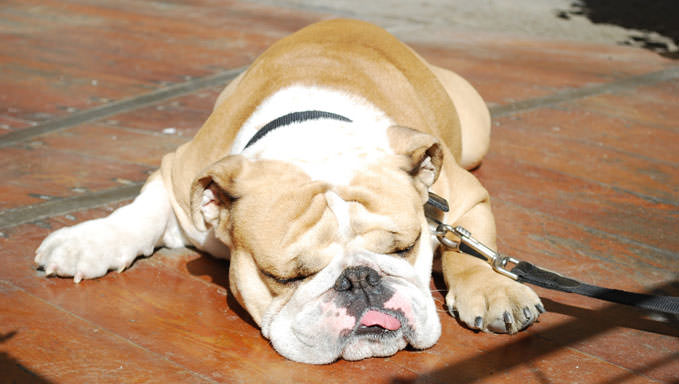
Dogs with short, flat-shaped faces can also be particularly vulnerable to breathing difficulties in hot weather.
If your dog has an existing health condition, ask your veterinarian whether you should take additional precautions during periods of high heat.
9. Never Shave Your Dog’s Coat Without Advice
It may seem logical to remove a thick coat during summer, but shaving isn’t always the best solution.
A dog’s coat can provide protection from sunlight and help regulate body temperature.
Different breeds have different coat types and grooming needs. Instead of automatically shaving your dog, speak with a professional groomer or veterinarian about the appropriate summer grooming routine.
Regular brushing can help remove loose fur and prevent mats, particularly for dogs with longer coats.
10. Learn the Signs of Overheating
Knowing the warning signs of heat-related problems can help you react quickly.
Signs that a dog may be struggling with excessive heat can include:
- Heavy or excessive panting
- Excessive drooling
- Weakness or unusual tiredness
- Confusion or unusual behavior
- Difficulty breathing
- Vomiting
- Loss of coordination
- Collapse
If you suspect your dog is suffering from heatstroke or serious overheating, move them to a cooler area and seek urgent veterinary assistance.
Heatstroke can be life-threatening and should not be treated as something that will simply pass with rest.
What Temperature Is Too Hot for Dogs?
There isn’t one temperature that is automatically dangerous for every dog.
Humidity, direct sunlight, airflow, exercise, coat type, age, health, and individual tolerance all matter.
A temperature that seems manageable to one healthy dog may be uncomfortable or dangerous for another.
Instead of relying on a single temperature number, pay attention to weather conditions and your dog’s behavior.
When conditions are extremely hot or humid, keep outdoor activity to a minimum.
How Can I Keep My Dog Cool at Night?
Hot nights can make it difficult for dogs to settle down.
Make sure your dog has access to fresh water and a cool sleeping area. Good airflow can also help.
If your dog normally sleeps outdoors, consider bringing them inside during periods of extreme heat.
A cool floor may be more comfortable than a thick bed, so allow your dog to choose where they want to rest.
Can Dogs Have Ice Cubes?
Many healthy dogs can enjoy ice cubes in moderation, but individual dogs may respond differently.
Some dogs enjoy chewing ice, while others prefer drinking cool water.
If your dog has dental problems or tends to swallow things quickly, large ice cubes may not be appropriate. You can instead offer cool water or veterinarian-approved frozen treats.
Final Thoughts
Keeping your dog comfortable during hot weather doesn’t require complicated equipment. Fresh water, shade, sensible exercise, good ventilation, and careful monitoring can make a significant difference.
Most importantly, learn your dog’s normal behavior so you can recognize when something seems unusual.
When temperatures rise, prioritize your dog’s comfort and safety over maintaining their usual outdoor routine.
A shorter walk, more indoor enrichment, and plenty of opportunities to rest can help your dog enjoy summer without unnecessary heat exposure.
Article Was Generated By AI.







Leave a comment