





Bringing a puppy home is exciting, but the first few months also come with important health responsibilities. Puppies are still developing their immune systems, learning about their environment, and building protection against several potentially serious diseases.
Knowing what is normal for your puppy—and recognizing when something seems wrong—can help you get veterinary care before a minor problem becomes more serious.
Common puppy health concerns include parasites, digestive problems, respiratory infections, infectious diseases, skin conditions, and injuries. Fortunately, many problems can be prevented or managed with appropriate veterinary care, vaccinations, parasite control, nutrition, and regular monitoring.
Here are some of the most common health issues puppy owners should understand.
1. Intestinal Parasites
Roundworms, hookworms, whipworms, and other intestinal parasites can affect puppies. Some puppies acquire parasites from their mothers, while others are exposed through contaminated environments.
Possible signs include:
- Diarrhea
- Vomiting
- Poor growth
- A swollen-looking abdomen
- Reduced appetite
- Weight loss
- Dull coat
- Visible worms in stool or vomit in some cases
Some intestinal parasites can also infect people, making good hygiene especially important.
Your veterinarian can recommend appropriate fecal testing and deworming based on your puppy’s age, health, lifestyle, and risk of exposure.
2. Fleas and Ticks
Fleas and ticks are more than an annoyance. Heavy flea infestations can contribute to skin irritation and, particularly in small or young puppies, anemia. Ticks can transmit diseases.
Check your puppy regularly, particularly after outdoor activities.
Signs of flea infestation may include:
- Frequent scratching
- Excessive licking
- Red or irritated skin
- Small dark particles resembling dirt in the coat
- Visible fleas
Ticks may be easier to find by running your hands carefully over the skin and checking areas such as around the ears, neck, between the toes, and under the collar.
Ask your veterinarian which flea and tick prevention product is appropriate for your puppy. Never use a product simply because it was intended for another animal or because it worked for a different dog.
3. Parvovirus
Canine parvovirus is one of the most serious infectious diseases affecting puppies.
The virus can cause severe gastrointestinal illness, with symptoms such as:
- Repeated vomiting
- Severe or persistent diarrhea
- Loss of appetite
- Weakness
- Lethargy
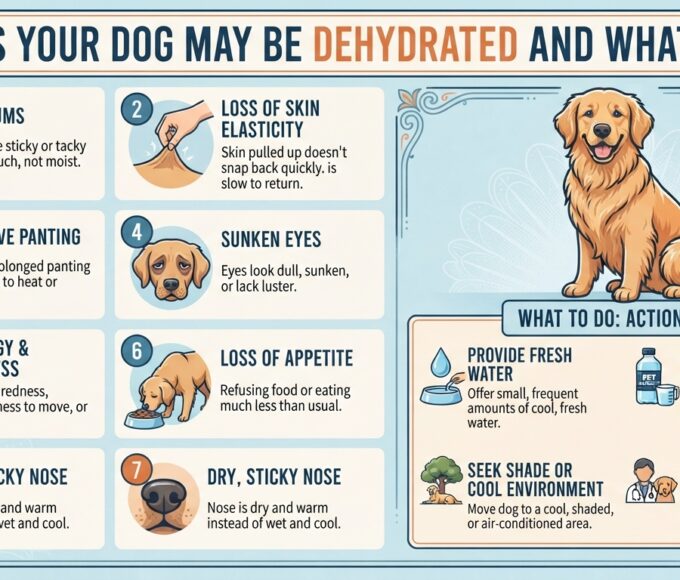
- Dehydration
- Abdominal discomfort
Young puppies that are not fully protected by vaccination are particularly vulnerable.
Parvovirus can spread through contaminated feces and environments, and the virus can persist in the environment for extended periods. Vaccination is an important part of prevention. AAHA recommends a puppy combination vaccine series beginning around 6–8 weeks, with repeat doses every 2–4 weeks until the puppy is over 16 weeks old; the exact protocol should be determined by a veterinarian.
If you suspect parvovirus, contact a veterinarian promptly. Treatment generally involves intensive supportive care, which may include fluids, nutritional support, medications, and close monitoring.
4. Canine Distemper
Canine distemper is another serious viral disease that can affect puppies.
Early signs may include:
- Fever
- Eye or nasal discharge
- Coughing
- Reduced appetite
- Tiredness
- Vomiting or diarrhea
In more advanced cases, neurological signs can develop.
Distemper is highly contagious, and vaccination is the primary method of prevention. AAHA considers distemper vaccination a core part of canine preventive care.
There is no specific cure that eliminates the virus. Veterinary treatment focuses on supportive care and managing complications while the puppy’s immune system responds.
5. Respiratory Infections
Puppies can develop respiratory illnesses after exposure to infectious organisms, particularly in environments where many dogs are together.
Symptoms can include:
- Coughing
- Sneezing
- Nasal discharge
- Eye discharge
- Reduced energy
- Reduced appetite
- Difficulty breathing in more serious cases
Not every cough requires the same treatment. The underlying cause determines whether a puppy needs medication, rest, testing, or additional treatment.
If your puppy has difficulty breathing, becomes extremely weak, develops blue or pale gums, or rapidly worsens, seek emergency veterinary care.
6. Kennel Cough and Canine Respiratory Disease
“Kennel cough” is a common term for a contagious respiratory syndrome rather than one single disease.
Affected dogs may develop a persistent, harsh cough. Some may otherwise remain fairly active, while others develop nasal discharge, lethargy, fever, or reduced appetite.
Because multiple viruses and bacteria can contribute to canine respiratory disease, treatment varies.
Do not automatically give your puppy antibiotics or human cough medicine. A veterinarian can determine whether medication is appropriate and whether additional testing or isolation is necessary.
Vaccination against some respiratory pathogens may be recommended depending on the puppy’s lifestyle and exposure risk. AAHA classifies Bordetella and canine influenza vaccines as noncore vaccines that may be appropriate for certain dogs based on risk.
7. Vomiting and Diarrhea
Puppies can develop digestive upset for many reasons.
Possible causes include:
- Sudden diet changes
- Eating something inappropriate
- Intestinal parasites
- Viral or bacterial infections
- Stress
- Food intolerance
- Foreign objects
- Toxins
A single mild episode may not always indicate a serious illness, but puppies can become dehydrated quickly.
Repeated vomiting, persistent diarrhea, bloody stool, severe weakness, abdominal pain, or refusal to drink should be taken seriously.
Because vomiting and diarrhea can also occur with dangerous diseases such as parvovirus, it’s better to contact your veterinarian when a young puppy is significantly unwell rather than assuming it is simply an upset stomach.
8. Low Blood Sugar
Very young or particularly small puppies can be vulnerable to low blood sugar, especially when they are not eating properly or are experiencing illness.
Possible signs include:
- Weakness
- Extreme tiredness
- Trembling
- Poor coordination
- Collapse
- Seizures in severe cases
Low blood sugar can be an emergency.
If a very young puppy becomes weak, disoriented, or collapses, contact a veterinarian immediately rather than trying to manage the situation at home.
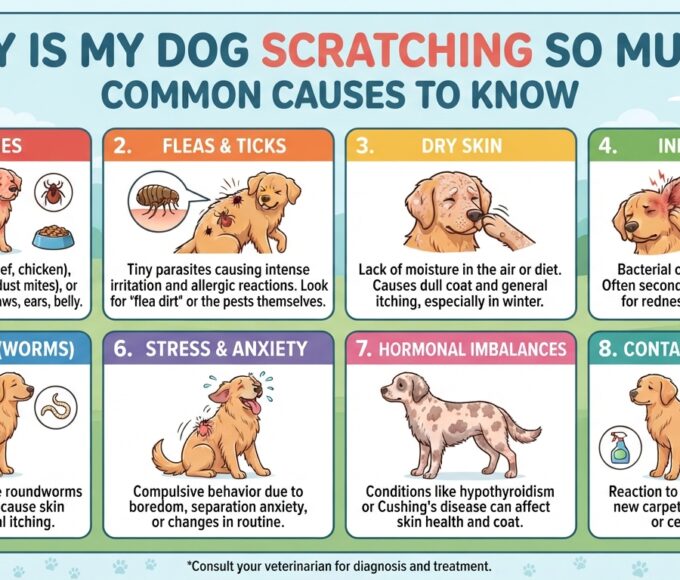
9. Skin Problems and Allergies
Puppies can experience itchy or irritated skin for many reasons.
Potential causes include parasites, infections, environmental allergies, food-related problems, and other skin conditions.
Watch for:
- Persistent scratching
- Red skin
- Hair loss
- Scabs
- Excessive licking
- Ear irritation
- Repeated chewing of the paws
Because many skin conditions look similar, a veterinarian may need to examine the puppy’s skin and determine the underlying cause before recommending treatment.
Avoid applying human creams or medications unless your veterinarian specifically tells you to do so.
10. Ear Infections
Ear problems can occur in puppies, particularly when moisture, allergies, parasites, or other underlying issues are involved.
Signs may include:
- Head shaking
- Scratching the ears
- Redness
- Unpleasant odor
- Discharge
- Sensitivity when the ear is touched
If your puppy repeatedly scratches or shakes its head, have the ears examined rather than simply cleaning them with an over-the-counter product.
The correct treatment depends on the cause, and some ear medications are inappropriate when the eardrum is damaged.
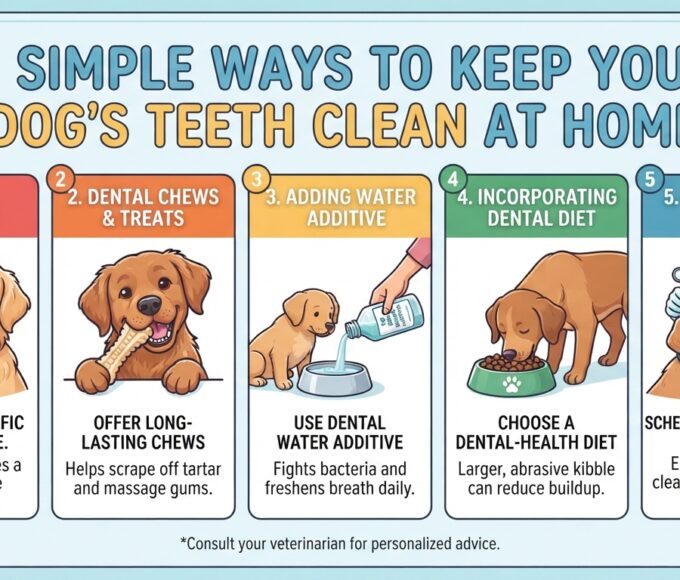
11. Dental and Teething Problems
Puppies naturally chew as their baby teeth develop and their adult teeth begin to appear.
Normal teething may involve:
- Increased chewing
- Mild gum discomfort
- Drooling
- Small amounts of blood on a toy occasionally
However, persistent pain, facial swelling, difficulty eating, or significant bleeding is not something to ignore.
Provide safe puppy-appropriate chew toys and avoid extremely hard objects that could damage teeth.
Your veterinarian can also monitor how the adult teeth are developing and identify retained baby teeth or other dental concerns.
12. Foreign Objects and Poisoning
Puppies explore the world with their mouths, which can lead to dangerous situations.
A puppy may swallow pieces of toys, socks, rocks, bones, household objects, medications, chemicals, or certain foods.
Warning signs can include:
- Repeated vomiting
- Drooling
- Gagging
- Abdominal pain
- Loss of appetite
- Difficulty passing stool
- Weakness
- Sudden behavioral changes
If you think your puppy swallowed a potentially dangerous object or substance, contact a veterinarian or emergency animal hospital immediately.
Do not induce vomiting unless a veterinary professional specifically instructs you to do so.
13. Growth and Mobility Problems
Puppies grow rapidly, and their developing bones and joints require appropriate nutrition and exercise.
Some puppies may develop orthopedic problems or experience injuries during their growth period.
Watch for:
- Limping
- Reluctance to walk
- Difficulty getting up
- Swollen joints
- Persistent pain
- Abnormal gait
- Sudden inability to use a limb
A puppy that suddenly cannot stand or walk should be evaluated urgently.
Avoid excessive high-impact activity and discuss appropriate exercise with your veterinarian, especially for large-breed puppies.
How to Protect Your Puppy From Common Illnesses
Prevention is one of the most important parts of puppy care.
Follow a Veterinary Vaccination Plan
Puppies need a series of vaccinations because protection from their mother does not last indefinitely.
AAHA’s guidelines recommend that core combination vaccines for puppies be administered in multiple doses beginning at approximately 6–8 weeks, repeated at 2–4 week intervals, with the series continuing until the puppy is over 16 weeks old. The exact schedule can vary depending on the individual puppy, vaccine, local disease risks, and veterinary recommendations.
Rabies vaccination should follow applicable local laws and veterinary guidance.
Use Appropriate Parasite Prevention
Ask your veterinarian about a parasite-control plan that covers the risks relevant to your puppy.
This may include intestinal parasite treatment and preventive products for fleas, ticks, and other parasites.
Feed a Puppy-Appropriate Diet
Growing puppies need nutrition formulated for their developmental stage.
Large-breed puppies in particular may have specific nutritional requirements, so ask your veterinarian which food is appropriate for your puppy.
Avoid making major diet changes suddenly.
Keep Your Home Puppy-Proof
Get down to your puppy’s level and look for things they might chew or swallow.
Secure:
- Medications
- Cleaning products
- Electrical cords
- Small objects
- Toxic foods
- Chemicals
- Trash
- Dangerous plants
- Easily swallowed toys
Puppy-proofing can prevent many emergencies before they happen.
Practice Good Hygiene
Clean food and water bowls regularly and promptly remove feces from areas where your puppy spends time.
Good hygiene can reduce exposure to infectious organisms and parasites.
Be Careful About Disease Exposure
Until your puppy has completed the appropriate vaccination series, ask your veterinarian about safe ways to socialize and exercise them.
This doesn’t necessarily mean keeping a puppy completely isolated. Instead, your veterinarian can help you balance the developmental benefits of socialization with the puppy’s local disease risk.
How to Tell When Your Puppy Needs a Vet
Puppies can become seriously ill faster than adult dogs, so don’t ignore significant changes.
Contact your veterinarian if your puppy develops:
- Persistent vomiting
- Repeated or severe diarrhea
- Blood in vomit or stool
- Loss of appetite
- Unusual lethargy
- Persistent coughing
- Difficulty breathing
- Fever
- Severe pain
- Repeated seizures
- Collapse
- Pale, blue, or gray gums
- Sudden difficulty walking
- Signs of dehydration
- Suspected poisoning
- Possible ingestion of a foreign object
When you’re unsure, calling your veterinary clinic for advice is safer than waiting for symptoms to become severe.
Frequently Asked Questions
How often should a puppy see a veterinarian?
Puppies generally need several veterinary visits during their first months of life for health assessments, vaccinations, parasite control, and developmental monitoring.
Rather than relying on one universal schedule, follow the plan recommended by your veterinarian based on your puppy’s age, vaccination history, lifestyle, and health.
When should puppies receive their vaccinations?
Core puppy vaccinations generally begin around 6–8 weeks of age and are repeated at intervals of approximately 2–4 weeks until the puppy is over 16 weeks old. Some puppies may require a later final dose depending on risk factors and veterinary recommendations.
How can I prevent worms in my puppy?
Your veterinarian can recommend deworming and fecal-testing schedules based on your puppy’s age and risk factors. Keeping living areas clean and preventing access to contaminated feces can also reduce exposure.
Is diarrhea always an emergency in puppies?
Not every episode of diarrhea is an emergency, but puppies can deteriorate quickly. Persistent diarrhea, bloody stool, vomiting, weakness, dehydration, or loss of appetite warrants prompt veterinary advice.
Can puppies get sick even after vaccination?
Vaccines significantly reduce the risk of important infectious diseases, but no vaccine provides absolute protection in every circumstance. Completing the recommended puppy series is important because maternal antibodies can interfere with early vaccine responses.
Final Thoughts
Keeping a puppy healthy isn’t about preventing every possible illness. It’s about building good preventive habits and recognizing when something isn’t right.
Regular veterinary care, appropriate vaccinations, parasite prevention, nutritious food, safe exercise, and a puppy-proof home can provide a strong foundation for a healthy life.
Most importantly, pay attention to changes in your puppy’s normal behavior. A sudden loss of appetite, unusual tiredness, repeated vomiting, diarrhea, coughing, breathing difficulty, or other concerning symptoms shouldn’t be ignored.
Your puppy can’t tell you when something hurts, so learning to recognize the warning signs—and knowing when to call your veterinarian—can make an important difference.
When in doubt, contact your veterinarian. Early professional advice can be especially valuable when you’re caring for a young puppy.
This Article Was Generated By AI.







Leave a comment