

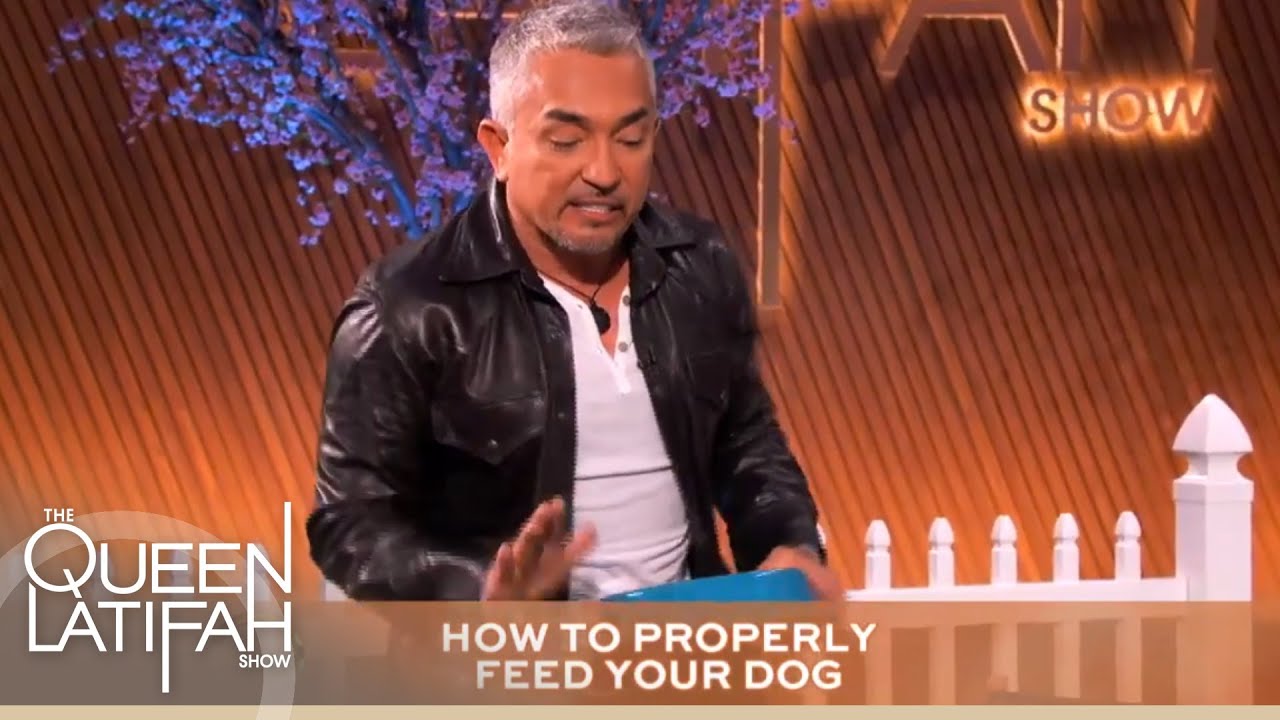
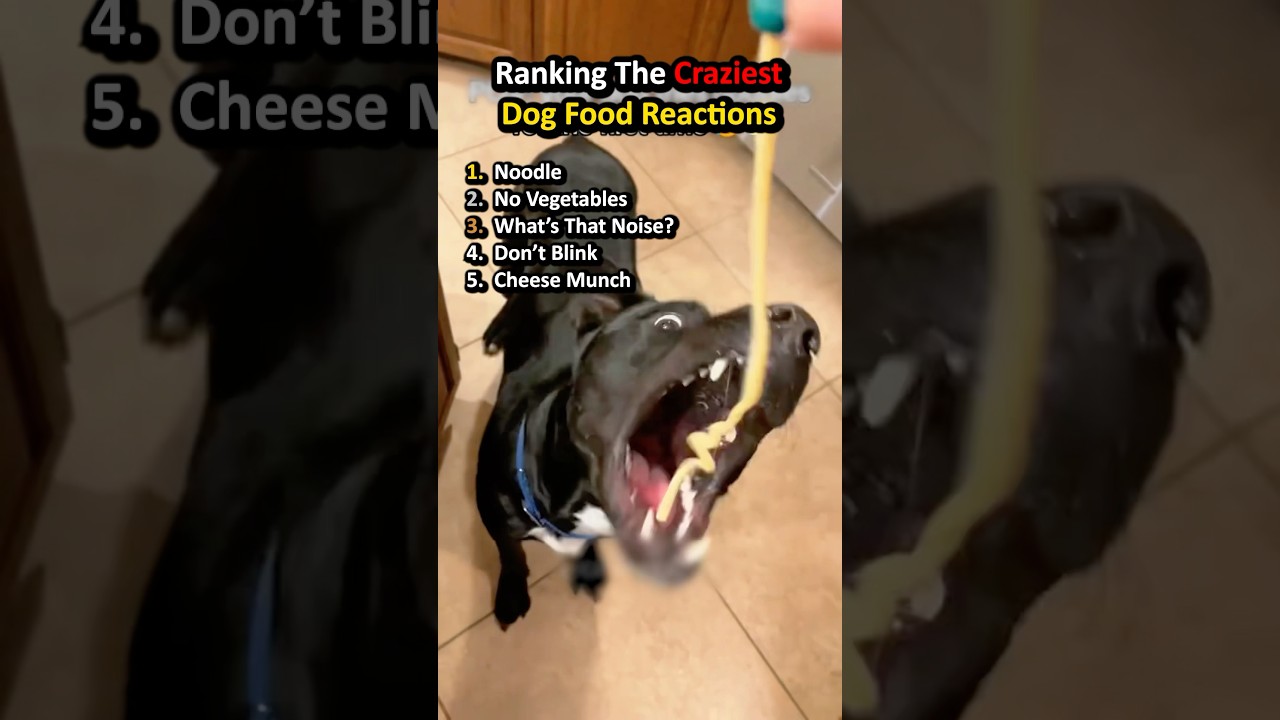
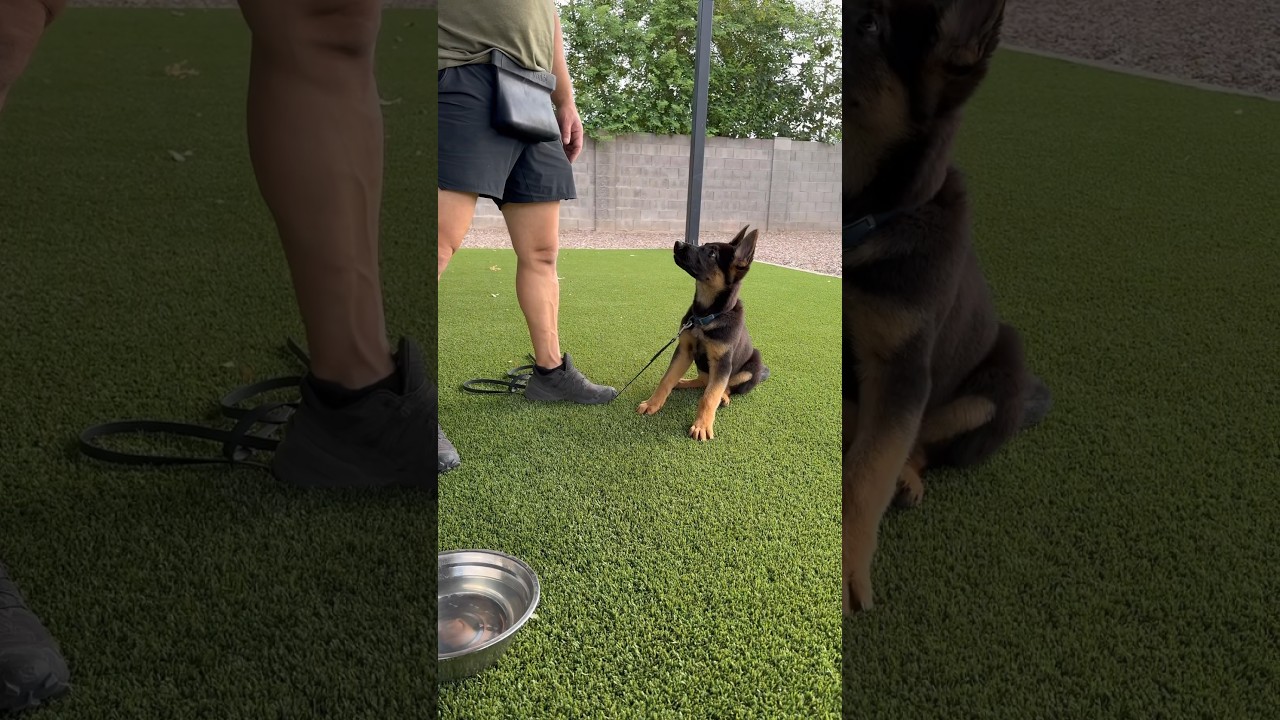



Training your dog doesn’t have to mean spending hours in a classroom or repeating the same command until everyone gets bored. With online dog training resources, you can learn new techniques from home and practice them at a pace that works for you and your pup.
Whether you’re raising a puppy, teaching an adult dog better manners, or simply looking for entertaining ways to challenge your companion, online training can give you plenty of ideas to work with.
The secret isn’t making every session complicated. Keep training positive, short, consistent, and enjoyable, and your dog is more likely to stay engaged.
Getting Started With Online Dog Training
Online training can be convenient because you can watch lessons when you have time and immediately practice what you’ve learned with your dog.
Before starting, create a simple training area with minimal distractions. You don’t need a professional setup. A few treats, a suitable toy, a leash, and a comfortable space are often enough for basic exercises.
Start with achievable goals such as:
- Responding to their name
- Sitting on cue
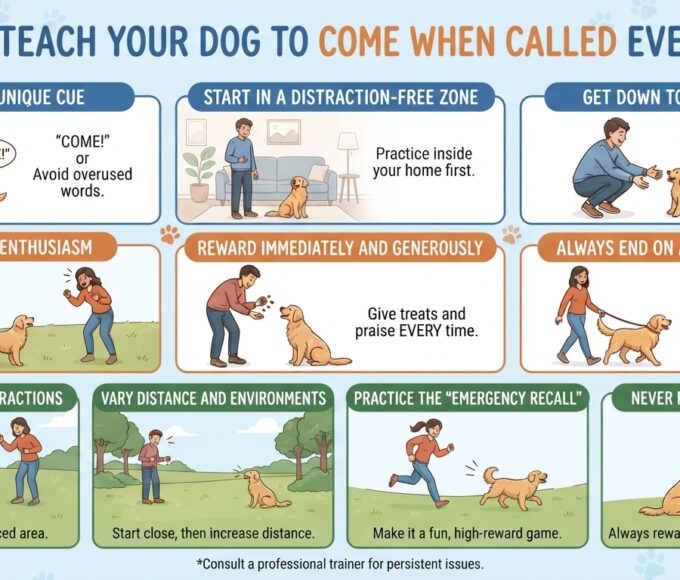
- Coming when called
- Walking calmly on a leash
- Staying in one place briefly
- Waiting politely for food
- Settling on a mat
- Learning simple tricks
As your dog becomes more reliable, you can gradually increase distractions and difficulty.
Choose an Online Training Course Carefully
Not every online dog-training program is equally useful. Before paying for a course, look at what it actually teaches and who created it.
Consider the Training Philosophy
Look for resources that explain reward-based training clearly and focus on teaching the dog what you want them to do.
A good course should help you understand your dog’s behavior rather than simply telling you to repeat commands.
Check the Instructor’s Experience
Look for trainers who can explain their methods clearly and provide information about their professional experience or relevant credentials.
Be cautious about programs making unrealistic promises such as guaranteeing that every dog will eliminate a behavior within a few days.
Look at the Course Format
Online training commonly comes in two forms:
| Format | Advantages | Limitations |
|---|---|---|
| Pre-recorded lessons | Flexible and easy to repeat | Limited personalized feedback |
| Live classes | Opportunity to ask questions | Requires a scheduled time |
| Video feedback | Trainer can review your technique | May cost more or have limited submissions |
| Community groups | Encouragement from other owners | Advice may vary in quality |
For simple skills, pre-recorded lessons may be enough. Dogs dealing with significant fear, aggression, or other complex behavior problems may benefit from individualized professional guidance.
Turn Training Into a Game
One of the easiest ways to make training more enjoyable is to combine learning with play.
Hide and Seek
Ask your dog to stay or have someone hold them while you hide nearby. Call their name and reward them when they find you.
This can make coming when called more exciting.
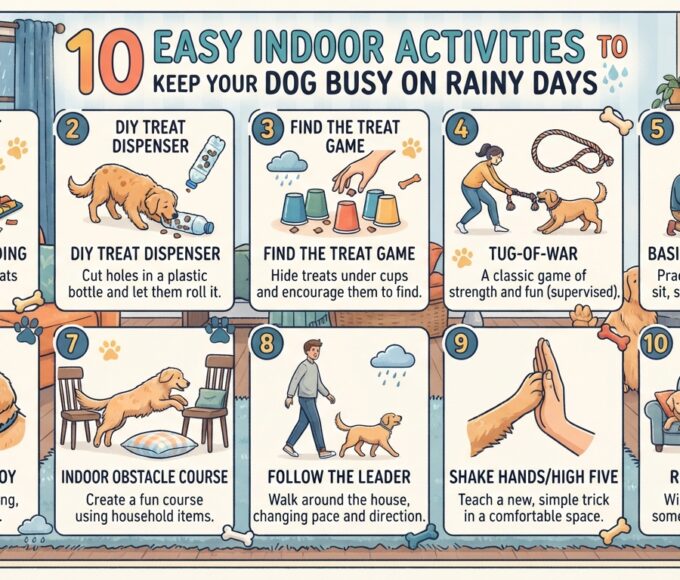
Treat Treasure Hunt
Hide small portions of your dog’s treats around an easy-to-search area and encourage them to sniff them out.
As your dog improves, you can gradually make the search more challenging.
Toy-Based Training
If your dog isn’t highly motivated by food, use an appropriate toy as a reward.
For example, ask for a sit before starting a favorite game of tug or fetch.
Simple Obstacle Course
You can create a basic course using safe household objects, cones, or other equipment designed for dogs.
Avoid unstable furniture, slippery surfaces, high jumps, and anything that could cause your dog to fall or collide with an object.
The goal is controlled movement and mental engagement—not making your dog perform dangerous stunts.
Use Positive Reinforcement
Reward-based training gives your dog a reason to repeat behaviors you like.
When your dog performs the desired behavior, provide a reward at the right moment. Depending on the dog, the reward might be:
- A small treat
- Praise
- A favorite toy
- A short game
- Access to something they enjoy
Timing matters. The closer the reward is to the behavior you’re trying to reinforce, the easier it is for your dog to understand what earned it.
Keep Training Sessions Short
Long sessions can become frustrating for both you and your dog.
Instead of trying to accomplish everything at once, practice for short periods and finish while your dog is still interested.
For example, you might practice:
Session 1: Name recognition
Session 2: Sit and release
Session 3: Recall
Session 4: Loose-leash walking
Session 5: Settle on a mat
You can repeat skills throughout the day during normal activities rather than treating training as one long daily event.
Make Everyday Life Part of Training
You don’t need to wait for a formal training session to teach your dog.
Everyday moments can become opportunities to reinforce good behavior.
For example:
- Ask for a sit before putting down the food bowl.
- Reward calm behavior when guests arrive.
- Practice waiting briefly before opening a door.
- Reward your dog for checking in with you during walks.
- Ask for a simple behavior before starting a favorite game.
This helps your dog understand that training isn’t just something that happens when you have treats in your hand.
Track Your Dog’s Progress
A simple training journal can help you identify what’s working.
| Skill | Current Progress | Next Goal |
|---|---|---|
| Name response | Responds indoors | Practice outdoors |
| Sit | Reliable indoors | Add distractions |
| Recall | Good at short distance | Increase distance gradually |
| Leash walking | Improving | Practice in busier areas |
| Settle | Short periods | Increase duration gradually |
Don’t worry if progress isn’t perfectly linear. Dogs can perform a behavior successfully one day and struggle with it in a new environment.
Celebrate Small Wins
Training progress isn’t always about learning a brand-new trick.
Maybe your dog waited calmly instead of jumping on a visitor. Maybe they looked at you instead of pulling toward another dog. Maybe they came when called from a slightly greater distance.
These small improvements matter.
Celebrate them with a reward your dog enjoys and then continue building the behavior gradually.
Avoid using extra food simply because a milestone was reached if your dog is already receiving plenty of treats. You can celebrate with play, praise, sniffing time, or another activity your dog enjoys.
What You Need for Online Dog Training
You don’t need a room full of equipment.
A basic setup might include:
- Small training treats
- Collar or suitable harness
- Leash
- Favorite toy
- Mat or bed
- Treat pouch
- Clicker if you choose to use one
- Phone or camera for recording sessions
- Notebook or digital training log
Recording short training clips can be especially useful because you can review your timing and technique later.
Common Training Problems and Simple Adjustments
Your Dog Loses Interest
The session may be too long, too difficult, or not rewarding enough.
Make the exercise easier and finish on a successful repetition.
Your Dog Doesn’t Understand the Cue
Break the behavior into smaller steps.
Instead of expecting the complete behavior immediately, reward each useful approximation and gradually raise your expectations.
Your Dog Is Too Distracted
Move to a quieter environment and build up distractions gradually.
A dog that can sit perfectly in your living room may not immediately be able to do it beside a busy sidewalk.
Your Dog Keeps Making Mistakes
Avoid repeatedly giving the same cue.
Pause, make the exercise easier, and try again. Repetition without changing the setup often doesn’t solve the underlying problem.
Your Dog Is Frustrated
Watch their body language. If they become increasingly distracted, stop responding, vocalize excessively, or repeatedly walk away, give them a break.
Training should be challenging enough to encourage learning without becoming overwhelming.
When Online Training Isn’t Enough
Online resources can be excellent for basic manners and training games, but they aren’t the right solution for every behavior problem.
Seek help from a qualified professional if your dog displays serious:
- Aggression
- Fear
- Anxiety
- Resource guarding
- Separation-related behavior
- Reactivity
- Attempts to bite
- Dangerous escape behavior
A veterinarian can also help determine whether pain, illness, or another medical issue could be contributing to a sudden behavior change.
Frequently Asked Questions
Is online dog training effective?
Online training can be useful for teaching owners how to practice basic skills at home. Success depends on the quality of the instruction, consistency of practice, the dog’s individual needs, and the owner’s ability to apply the techniques correctly.
Can I train my dog without a professional trainer?
Yes. Many everyday skills can be taught by owners using clear instructions and reward-based techniques. However, serious or complicated behavior problems may require individualized professional assistance.
What should I teach my dog first?
Start with practical skills such as responding to their name, coming when called, sitting, settling, walking calmly, and accepting handling.
Choose skills that make everyday life safer and easier.
How long should dog training sessions be?
There is no single ideal duration for every dog. Short sessions are often easier for dogs to handle than lengthy drills. End the session when your dog is still engaged rather than waiting until they become frustrated or exhausted.
Do I need a clicker for online dog training?
No. A clicker can be useful for marking the exact moment a behavior occurs, but it’s not essential. A consistent verbal marker can also be used.
What treats should I use for training?
Use small, dog-appropriate treats that your dog finds motivating. You can also use portions of their regular food if your dog enjoys working for it.
Keep overall treat intake in mind when planning your dog’s daily diet.
What if my dog isn’t learning quickly?
Slow down and make the exercise easier.
Try breaking the behavior into smaller steps, changing the reward, reducing distractions, or taking a short break. Dogs learn at different rates, and difficulty in one skill doesn’t mean your dog can’t learn it.
Can older dogs learn new behaviors?
Yes. Older dogs can learn new skills, although training should take their physical abilities, health, previous experiences, and individual temperament into account.
Should I punish my dog for making mistakes?
Punishment can create fear or confusion and doesn’t teach the dog what behavior you want instead. Focus on preventing unwanted behavior when possible, redirecting your dog, and reinforcing desirable choices.
A Simple Weekly Online Training Routine
| Day | Training Focus |
|---|---|
| Monday | Name recognition and attention |
| Tuesday | Sit, down, and release cues |
| Wednesday | Recall games |
| Thursday | Leash-walking practice |
| Friday | Puzzle or scent game |
| Saturday | Trick or obstacle activity |
| Sunday | Review favorite skills |
You can adjust this routine to your dog’s age, ability, energy level, and schedule. The goal is consistency—not completing a rigid program.
Final Thoughts
Online dog training can turn your living room, backyard, or local park into a practical learning environment. You don’t need expensive equipment or complicated exercises to make meaningful progress.
Focus on clear communication, reward the behaviors you want, keep sessions manageable, and give your dog plenty of opportunities to succeed.
Most importantly, enjoy the process. Training isn’t only about teaching commands—it can also be a great way to build communication, confidence, and trust between you and your dog.







Leave a comment