




Have you ever had a difficult day, only to find your dog quietly sitting beside you?
Dogs may not understand human emotions in exactly the same way we do, but they are remarkably good at noticing changes in our behavior, voice, facial expressions, posture, and daily routines. Some dogs are especially people-oriented and attentive, which can make their responses feel almost like they know exactly when something is wrong.
A dog might move closer, rest against you, bring you a favorite toy, or simply stay nearby when you’re having a difficult moment.
While every dog is an individual, certain breeds are known for their affectionate, attentive, and people-focused personalities. Here are 19 breeds that may be especially responsive to their humans’ emotional cues.
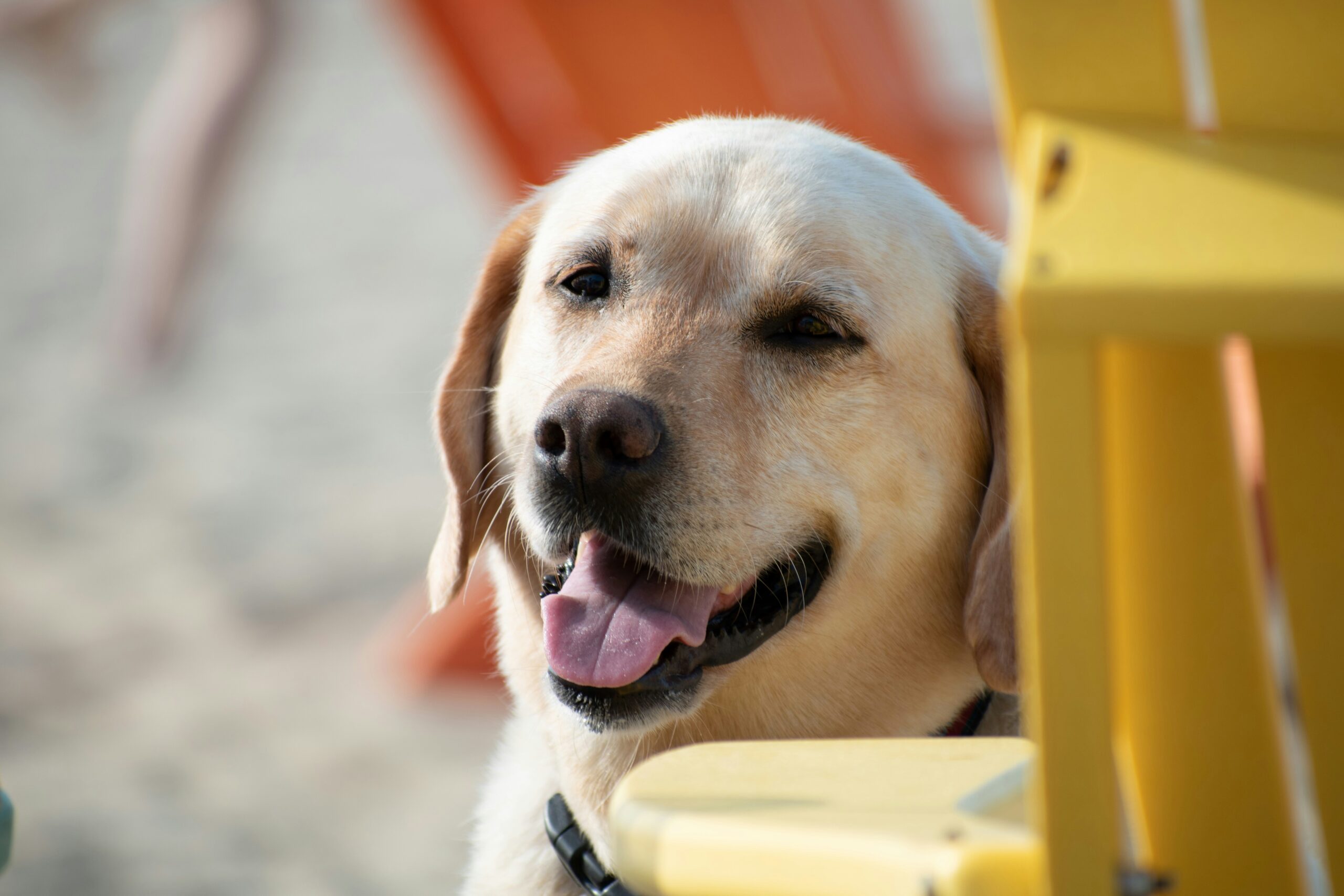
1. Labrador Retriever
Labrador Retrievers are known for their friendly and people-oriented personalities. Their history as working retrievers also encouraged close cooperation with humans.
A Labrador may respond to a quiet or upset owner by staying nearby, leaning against them, or seeking gentle interaction. Their playful personality can also bring some much-needed energy into an otherwise difficult day.
Their social nature is one reason Labradors are commonly seen in assistance and therapy-related roles, although an individual dog’s suitability for such work depends on temperament and training.
2. Golden Retriever
Golden Retrievers are often highly attentive to the people around them.
When their human becomes unusually quiet or withdrawn, a Golden may remain close or initiate gentle contact. Some enjoy resting beside their owners, placing their head on a lap, or simply following them around the house.
Their affectionate nature and eagerness to interact can make them wonderful companions during both happy and difficult moments.
3. Cavalier King Charles Spaniel
Cavalier King Charles Spaniels were developed primarily as companion dogs, and many enjoy being close to their families.
A Cavalier may happily curl up beside you when you’re having a quiet day. Their small size also makes them natural lap companions for people who enjoy close physical contact with their dogs.
However, individual dogs differ. Some may seek cuddles while others prefer to sit nearby without much physical contact.
4. Border Collie
Border Collies are famous for their intelligence and close attention to their handlers.
That attentiveness can make them particularly responsive to changes in a person’s routine or behavior. A Border Collie may notice when their owner is unusually quiet and choose to remain nearby.
Because they are energetic working dogs, however, emotional companionship isn’t their only need. They also require plenty of mental stimulation, exercise, training, and appropriate outlets for their energy.
5. Pug
Pugs have a talent for staying close to their favorite people.
Their expressive faces and affectionate personalities make them entertaining companions, while many Pugs enjoy curling up beside their owners.
If you are having a bad day, your Pug may follow you from room to room or settle beside you. Their playful personality can also provide a welcome distraction.
Because Pugs have short, flat faces, owners should also pay attention to heat and breathing concerns and avoid excessive exertion.
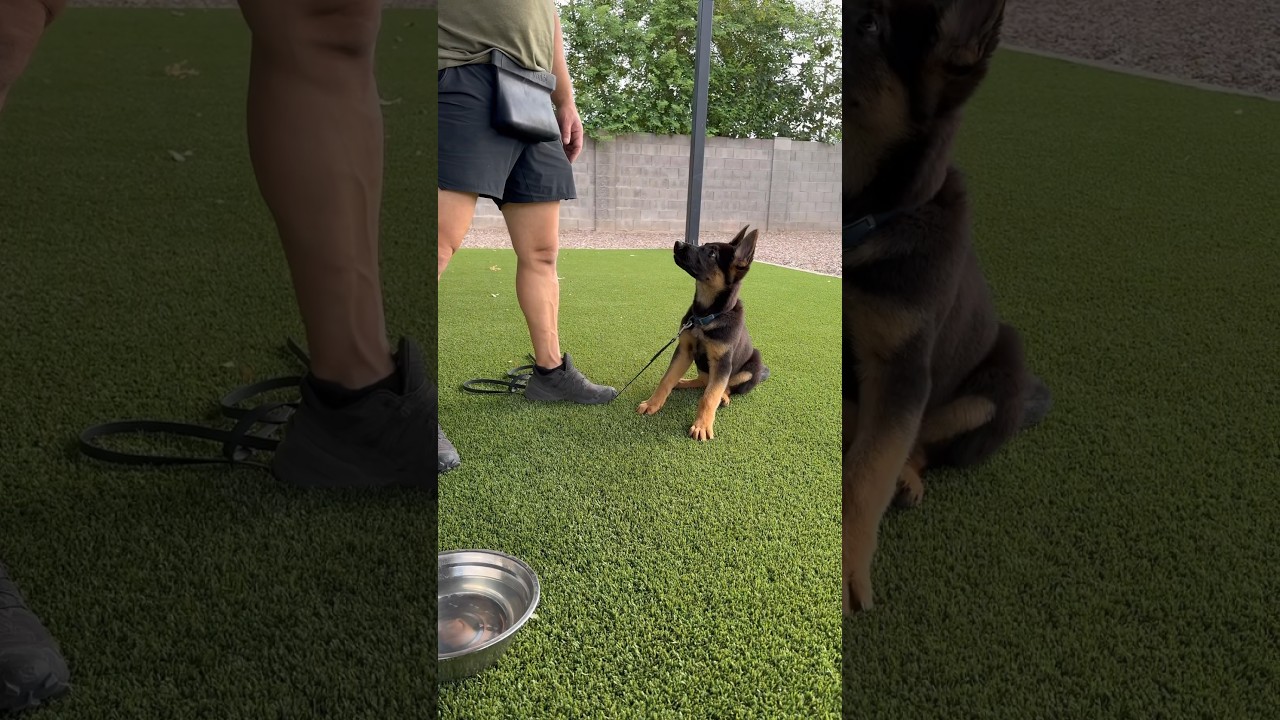
6. German Shepherd
German Shepherds are highly trainable, attentive dogs that often form strong relationships with their families.
A German Shepherd may notice changes in household routines and respond by staying closer to its owner. Their calm presence can feel reassuring, particularly when they are well socialized and trained.
Their protective instincts should not be confused with emotional understanding, though. A dog may respond to unusual behavior because it notices changes in movement, voice, scent, or routine rather than because it understands the underlying human emotion.
7. Chihuahua
Chihuahuas may be tiny, but many develop extremely close relationships with their owners.
A Chihuahua may follow its favorite person around the house, sit beside them, or seek physical contact when the household becomes quiet.
Their alert nature also means they can be very observant of changes happening around them.
Early socialization and positive training are important because individual Chihuahuas can vary considerably in confidence and sociability.
8. Shih Tzu
Shih Tzus were bred as companion dogs and often enjoy spending time with their families.
When you’re feeling down, your Shih Tzu may choose to curl up beside you or quietly follow you around.
Their affectionate nature makes them well suited to households looking for a close companion, although regular grooming is an important part of caring for their long coat.
9. Boxer
Boxers are energetic, affectionate dogs with a famously playful personality.
Their enthusiasm can make them excellent mood boosters. At the same time, many Boxers enjoy physical closeness and may lean against their owners or settle beside them when things become quiet.
Their combination of affection and playfulness can make life with a Boxer entertaining even on difficult days.
10. Great Dane
Great Danes are enormous dogs with a reputation for being gentle and affectionate with their families.
Some enjoy leaning against their people or resting their large heads on them. Because of their size, even a simple attempt to sit beside you can feel like having a furry piece of furniture suddenly appear.
Great Danes need appropriate space, nutrition, exercise, and veterinary care, but their calm companionship can be wonderful for families prepared for a giant breed.
11. French Bulldog
French Bulldogs often enjoy staying close to their favorite people.
Their attentive expressions and companion-oriented personalities can make them seem particularly interested in what their owners are doing.
A Frenchie may sit beside you, ask for attention, or simply remain in the same room while you relax.
As with other flat-faced breeds, owners should be particularly mindful of heat and breathing difficulties.
12. Beagle
Beagles are social, curious dogs that often enjoy being part of family life.
Their strong interest in people can lead them to stay close when something about their owner’s normal behavior changes.
A Beagle might investigate your quiet mood, curl up nearby, or attempt to turn the situation into play.
Their cheerful personality can make them wonderful companions, but their strong noses and curiosity mean they also benefit from plenty of scent-based enrichment.
13. Collie
Collies are intelligent, responsive dogs that often form close bonds with their families.
Their sensitivity to human movement and communication can make them attentive companions. A Collie may notice that you’re behaving differently and choose to remain near you.
They also tend to enjoy having a job or purpose, so training, enrichment, exercise, and regular interaction are important parts of keeping them happy.
14. Bichon Frise
Bichon Frises are cheerful companion dogs that often enjoy being around people.
Their playful personalities can provide entertainment when you’re feeling low, while their small size makes them easy companions for relaxing at home.
Some Bichons may seek cuddles or attention when their owner is quiet, while others may simply stay close by.
Their affectionate nature doesn’t mean every Bichon will respond to sadness in the same way, but many enjoy plenty of human interaction.
15. Dachshund
Dachshunds can develop strong attachments to their favorite people.
A Dachshund may follow you around the house, settle beside you, or seek attention when you’re unusually quiet.
Their small size makes them easy cuddle companions, although owners should be mindful of their long backs and avoid encouraging repeated high-impact jumping from furniture.
16. Staffordshire Bull Terrier
Staffordshire Bull Terriers are often affectionate and people-oriented dogs.
Many enjoy close physical contact with their families and may happily sit beside their favorite person.
A Staffy can be playful and energetic but also capable of settling down for quiet companionship when properly exercised and trained.
As always, temperament varies from dog to dog, so socialization and responsible training matter.
17. Samoyed
Samoyeds are friendly, social dogs that often enjoy being involved in family activities.
Their expressive faces and interactive personalities can make them particularly engaging companions. A Samoyed may seek attention when its owner is sitting quietly or behaving differently from normal.
Their thick coats and active nature also mean they need appropriate grooming, exercise, and careful management in warm weather.
18. Newfoundland
Newfoundlands are large dogs known for their gentle and affectionate nature.
Some enjoy simply lying beside their families and providing quiet companionship. Their impressive size can make even a simple nuzzle feel like a substantial gesture of affection.
Newfoundlands require considerable grooming and space, and owners need to take special care with heat because of their heavy coats.
19. Havanese
Havanese are companion dogs that generally enjoy spending time with their people.
Their social nature can make them attentive to changes in household behavior. If you’re sitting quietly, a Havanese may come over looking for attention or settle beside you.
Their smaller size and affectionate personality can make them appealing to people who want a dog that enjoys close family interaction.
How Do Dogs Know When Something Is Different?
Dogs don’t need to understand human sadness in the same way another person does to notice that something has changed.
They are highly responsive to patterns and sensory information. Your dog may notice:
- A change in the tone of your voice
- Different facial expressions
- Changes in posture or movement
- Less activity than usual
- Changes in your daily routine
- Different interactions with other people
- Changes in familiar household sounds or behavior
Dogs can also learn through repeated experiences. If a particular behavior from your dog consistently receives attention, affection, or another reward, the dog may repeat it in similar situations.
That’s one reason a comforting behavior can appear remarkably intentional.
Does Every Dog Comfort a Sad Person?
Not necessarily.
Dogs have individual personalities just like people do.
One dog may immediately climb onto your lap when you’re upset. Another may sit across the room and quietly watch you. A nervous dog might actually leave the room when human emotions become intense.
None of these responses necessarily means the dog cares more or less.
The important thing is to respect the individual dog’s preferences and body language.
Can Dogs Actually Sense Human Emotions?
Research suggests dogs can respond to human emotional cues, including information from facial expressions, voices, body language, and other sensory signals.
However, saying that a dog “knows you’re sad” is a simplified way of describing a much more complicated process.
Your dog may recognize that your behavior is different without understanding exactly why you’re feeling that way.
That distinction is important because it helps us appreciate canine abilities without assuming dogs experience human emotions in precisely the same way.
How to Help Your Dog Support You Safely
If your dog naturally stays close when you’re having a difficult day, that companionship can be comforting.
You can strengthen your relationship by:
- Spending regular quality time together
- Using positive reinforcement during training
- Playing appropriate games
- Going for walks and exploring together
- Providing mental enrichment
- Respecting your dog’s need for rest
- Learning your dog’s body language
- Maintaining a predictable routine
Remember that your dog shouldn’t be expected to act as a replacement for professional mental-health or medical support when you need it.
A dog’s companionship can be meaningful, but humans may also need support from family, friends, counselors, doctors, or other qualified professionals.
Signs Your Dog Wants to Give You Space
Even affectionate dogs sometimes need a break.
If your dog moves away, hides, turns their head, repeatedly licks their lips, becomes tense, or tries to avoid interaction, give them some space.
Don’t force a dog to cuddle simply because you are looking for comfort.
The healthiest relationship works both ways: your dog can offer companionship, and you can respect their boundaries.
The Special Connection Between Dogs and Their Humans
One of the most wonderful things about living with a dog is how closely they become woven into everyday life.
They learn our routines, recognize familiar voices, watch our movements, and notice when something changes.
Whether a dog responds to a difficult day with a cuddle, a toy, a quiet presence, or simply a curious look, those little interactions can make the human-dog relationship feel incredibly special.
The next time you’re having a rough day and your dog quietly settles beside you, you may not know exactly what they understand.
But you can appreciate the companionship all the same.
Final Thoughts
Labradors, Golden Retrievers, Cavaliers, German Shepherds, Havanese, and many other breeds can form remarkably close relationships with their humans.
Some dogs appear especially attentive when their owners are upset, but there is no breed that can automatically detect sadness or provide emotional support in every situation. Individual temperament, socialization, training, and the relationship between the dog and owner all matter.
Perhaps that’s what makes these moments so meaningful.
Your dog doesn’t need to understand every reason you’re having a difficult day to simply stay beside you.








Leave a comment