





Bringing a puppy home is an exciting milestone, but the first few weeks can also be a little overwhelming. Between feeding schedules, potty training, playtime, naps, and veterinary appointments, new puppy parents have plenty to think about.
Having the right supplies ready before your puppy arrives can make the transition much easier. Some items, such as food and water bowls, are obvious necessities. Others can help with training, travel, grooming, safety, and keeping your curious puppy entertained.
Here are 10 useful accessories that can make life with a new puppy easier, safer, and more comfortable.
1. Puppy Collar and Leash
A properly fitted collar and a suitable leash are among the first accessories you’ll need.
A collar can hold identification information and help your puppy become accustomed to wearing something around their neck. The collar should fit securely without being so tight that it causes discomfort.
A lightweight leash can be useful for introducing your puppy to walking and practicing basic leash skills.
Remember that puppies grow quickly, so check the collar regularly and adjust or replace it as needed.
Look for:
- A comfortable, properly fitted collar
- Secure hardware
- A lightweight leash appropriate for your puppy’s size
- Identification information where appropriate
For walks, always prioritize secure handling and age-appropriate training.
2. A Properly Sized Dog Crate
A crate can provide a puppy with a quiet place to rest while also supporting house training and safe management when used correctly.
The crate should give your puppy enough room to stand up, turn around, lie down, and change positions comfortably. A crate that’s excessively large may make some puppies more likely to use one end as a bathroom, while a crate that’s too small can be uncomfortable.
Introduce the crate gradually and make it a positive space rather than using it as punishment.
A comfortable mat or washable bedding can make the area more inviting, although some puppies may chew or destroy bedding, so choose materials appropriate for your individual puppy.
3. Puppy Playpen
A playpen can give your puppy a safe area for supervised play without giving them access to the entire house.
This can be especially useful when you’re puppy-proofing your home or need to manage a curious puppy while you complete a short task.
You can place appropriate toys, water, and a resting area inside the pen, depending on your setup.
A playpen should never be treated as a substitute for exercise, training, social interaction, or supervision. Puppies still need plenty of attention and opportunities to explore safely.
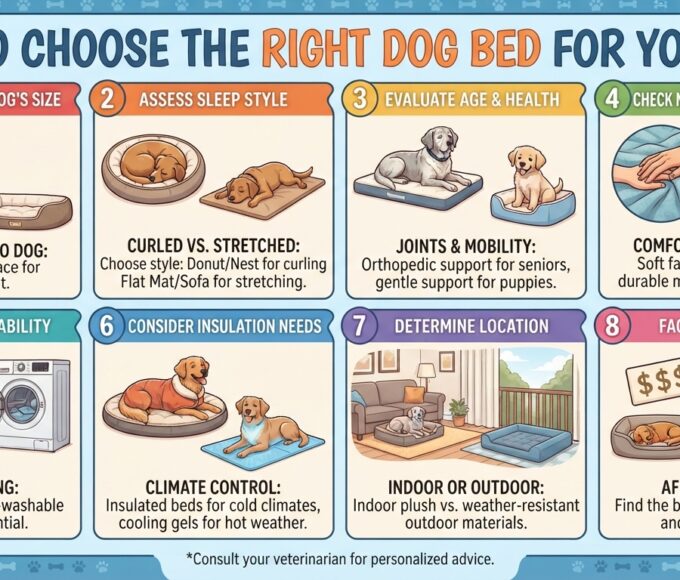
4. A Comfortable Puppy Bed
Puppies spend a lot of time sleeping, so having a comfortable resting area is important.
Choose a bed that’s appropriate for your puppy’s current size and easy to wash. Machine-washable covers can be particularly helpful because accidents, muddy paws, and chewing are common during puppyhood.
If your puppy is still learning what is appropriate to chew, avoid beds with easily swallowed pieces or loose material.
You may eventually need to replace the bed as your puppy grows.
Tip: Consider having a second washable bed or blanket so you have a clean option available while the other one is being washed.
5. Food and Water Bowls
Your puppy will need dedicated bowls for food and fresh drinking water.
Stainless steel bowls are popular because they’re durable and relatively easy to clean. Ceramic bowls can also work when they are sturdy and kept in good condition.
Choose a size that allows your puppy to eat and drink comfortably without struggling to reach the contents.
Water should be available regularly, and bowls should be cleaned frequently to prevent buildup of food residue and microorganisms.
Your puppy’s diet and feeding schedule should be based on their age, size, growth needs, and veterinary guidance.
6. Safe Puppy Toys
Toys aren’t just for entertainment. Appropriate toys can provide mental stimulation, encourage play, and give puppies suitable outlets for chewing.
Keep several types available, such as:
- Durable chew toys
- Food-stuffable toys
- Soft toys designed for puppies
- Interactive toys
- Fetch toys appropriate for the puppy’s size
Safety is more important than simply having a large collection of toys.
Inspect toys regularly for cracks, loose pieces, torn fabric, or other damage. Remove damaged toys immediately, particularly if your puppy could swallow pieces.
Don’t assume that a toy labeled “indestructible” is impossible for a determined puppy to damage.
7. Basic Grooming Supplies
Getting your puppy accustomed to grooming early can make future care much easier.
Depending on your puppy’s coat type, basic supplies may include:
- A suitable brush or comb
- Puppy-safe shampoo
- Nail trimmers or a nail grinder
- A soft towel
- Ear-cleaning products recommended by your veterinarian
Start slowly and keep early grooming sessions short and positive.
Rather than immediately attempting a full grooming routine, let your puppy become comfortable with being touched around the paws, ears, face, and body.
If you’re unsure how to trim nails or clean your puppy’s ears safely, ask a veterinarian or professional groomer for guidance.
8. Puppy Potty-Training Supplies
House training takes consistency and patience, and the right supplies can make the process easier.
Puppy training pads can be useful in some households, particularly for temporary indoor potty arrangements or situations where a puppy cannot immediately go outside.
However, they aren’t essential for every puppy. If your goal is outdoor house training, you may prefer to focus on frequent supervised trips outside and rewarding your puppy for eliminating in the appropriate location.
Whichever approach you use, accidents are normal during the learning process.
Avoid punishing your puppy for accidents. Instead, establish a predictable routine, supervise closely, and reward the behavior you want to encourage.
9. A Pet First-Aid Kit
A basic pet first-aid kit can be useful for minor situations while you’re waiting for veterinary advice or traveling with your puppy.
Depending on the kit, useful supplies may include:
- Gauze
- Bandages
- Clean towels or dressings
- Tweezers
- Disposable gloves
- A digital thermometer
- Saline for appropriate wound flushing
It’s important to understand that a first-aid kit isn’t a replacement for veterinary care.
If your puppy has difficulty breathing, severe bleeding, suspected poisoning, a serious injury, repeated vomiting, collapse, seizures, or another emergency, contact a veterinarian or emergency animal hospital immediately.
Keep the kit somewhere accessible but safely out of your puppy’s reach.
10. A Safe Car Restraint
If your puppy will travel in a car, plan their transportation before the first trip.
A properly secured crate or a crash-tested pet restraint system designed for vehicle use can help prevent your puppy from moving freely around the vehicle.
A puppy should not be allowed to sit loose in your lap or roam around the cabin while the car is moving.
For many puppies, short practice rides can also help them become comfortable with traveling.
Keep the first journeys brief and positive, and never leave your puppy unattended in a parked vehicle.
Other Puppy Supplies Worth Considering
The 10 accessories above cover many common needs, but your shopping list may change depending on your puppy and your home.
You might also consider:
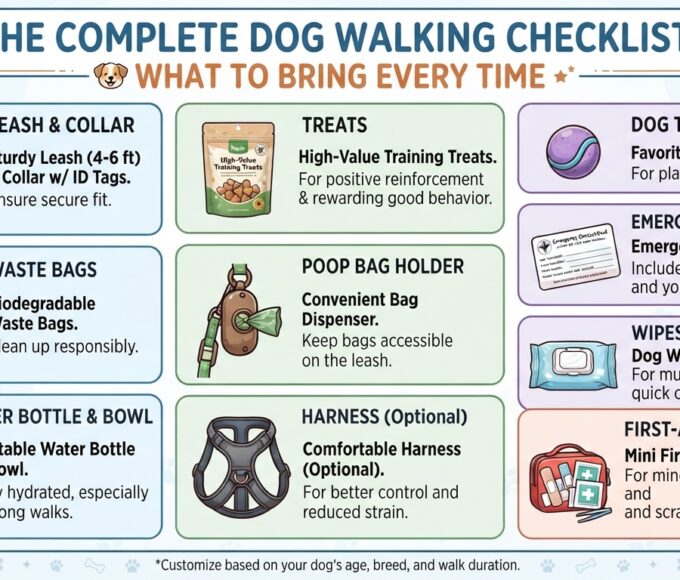
- Poop bags and a dispenser
- Puppy gates for restricting access to certain rooms
- An enzymatic cleaner for accidents
- A food-storage container
- A treat pouch for training
- A reflective accessory for nighttime walks
- A puppy toothbrush and veterinary-approved dental products
- A portable water bowl for outings
- Identification tags
- A thermometer for monitoring the home environment
You don’t need to purchase everything at once. Start with the items your puppy actually needs and add accessories as you learn more about their habits and routine.
How to Puppy-Proof Your Home
Accessories can help, but your puppy’s environment is just as important.
Before bringing your new companion home, look around from a puppy’s perspective.
Keep electrical cords, medications, cleaning products, toxic plants, small objects, and potentially dangerous household items out of reach.
Secure trash cans and food storage areas, and use gates or closed doors where necessary.
Remember that puppies explore with their mouths. Something that seems harmless to an adult can become dangerous when a curious puppy decides to chew or swallow it.
How to Choose Puppy Products Safely
Buying the most expensive accessory isn’t always necessary.
Instead, consider whether the product is:
- Appropriate for your puppy’s size
- Made from suitable materials
- Easy to clean
- Secure and stable
- Designed for its intended purpose
- Free from easily detachable parts
- Comfortable for your puppy to use
Your puppy’s needs will also change quickly.
A collar that fits perfectly today may become too tight within a few weeks, and a small bed may soon become impractical.
Check equipment regularly as your puppy grows.
Frequently Asked Questions
When should I start grooming my puppy?
You can begin introducing gentle grooming from an early age. Start with brief sessions involving brushing and calmly handling areas such as the paws, ears, and face.
Gradual exposure can help your puppy become more comfortable with future grooming.
How often should I feed my puppy?
Puppy feeding schedules vary depending on age, breed, size, diet, and individual needs.
Follow the feeding instructions provided for the appropriate puppy food and discuss the schedule and portion sizes with your veterinarian.
Avoid making major dietary changes without appropriate guidance.
Do puppies really need a crate?
Not every puppy needs a crate, but a properly introduced crate can be a useful management and training tool.
Some families use crates for sleeping, travel, house training, and creating a safe resting area. Others use puppy-proofed rooms or playpens instead.
The important thing is that your puppy has a safe, comfortable place to rest.
Are puppy pads necessary?
No. Puppy pads can be useful in certain situations, but they’re not required for every house-training plan.
If you’re teaching your puppy to eliminate outdoors, consistent outdoor potty trips and positive reinforcement may be more appropriate.
What should I buy before bringing my puppy home?
At minimum, prepare appropriate food, food and water bowls, a collar or other suitable identification setup, a leash, a safe sleeping area, appropriate toys, cleaning supplies, and a plan for transportation.
You’ll also want to puppy-proof your home before your new companion arrives.
Final Thoughts
Preparing for a puppy is about more than filling a shopping cart. The right accessories should make your puppy’s environment safer, more comfortable, and easier to manage.
A properly fitted collar and leash can support safe outings, while a crate or playpen can provide a controlled space for rest and supervision. Toys encourage appropriate play, grooming supplies help establish healthy routines, and a safe car restraint can make travel much easier.
You don’t need every puppy product on the market. Start with the essentials, choose items suited to your puppy’s size and behavior, and adjust your supplies as they grow.
With a little preparation, you’ll be better equipped to focus on what matters most: helping your new puppy feel safe, loved, and ready to explore their new home.




Leave a comment