






Being a responsible pet owner isn’t only about choosing nutritious food and providing good veterinary care. The products we buy for our dogs and cats can also have an environmental impact.
Pet beds, toys, collars, bowls, grooming products, and waste bags all require materials and manufacturing resources. Some eventually become household waste, while others can be reused, recycled, or donated.
The good news is that making more environmentally conscious choices doesn’t mean sacrificing your pet’s comfort or safety.
In many cases, the most sustainable option is simply to buy fewer, better-made products, take care of them properly, and replace them only when necessary.
Here are several eco-friendly pet accessories worth considering.
1. Toys Made From Durable Natural Materials
Pet toys are often made from plastic or synthetic materials, but there are alternatives.
Depending on your pet’s chewing habits and the type of toy, you may find products made from materials such as:
- Hemp
- Organic cotton
- Natural rubber
- Wool
- Responsibly sourced wood
- Recycled materials
Natural materials can be an appealing choice, but “natural” doesn’t automatically mean safe.
A toy still needs to be appropriate for your pet’s size, age, and chewing strength. Inspect it regularly and remove it if pieces begin breaking off.
For aggressive chewers, durability and safety should take priority over environmental claims.
A More Sustainable Approach to Pet Toys
You don’t necessarily need a large collection of toys.
Rotating a smaller selection can keep them interesting while reducing unnecessary purchases. When a toy becomes damaged, replace it rather than allowing your pet to continue chewing pieces that could be swallowed.
2. Plant-Based or Compostable Waste Bags
Cleaning up after your dog is an unavoidable part of responsible pet ownership.
Traditional plastic waste bags contribute to plastic waste, which is why some owners look for bags marketed as compostable or made from plant-based materials.
However, it’s important to read the packaging carefully.
Terms such as “biodegradable,” “compostable,” and “plant-based” don’t necessarily mean the same thing.
Some compostable bags require specific commercial composting conditions and may not break down quickly in a typical landfill.
Before purchasing, check:
- What material the bags are made from
- Whether they are certified compostable
- What disposal conditions they require
- Whether local waste facilities accept them
- Whether the manufacturer provides clear disposal instructions
Most importantly, always pick up your dog’s waste and dispose of it according to local waste-management rules.
An environmentally responsible product is only useful when it is disposed of correctly.
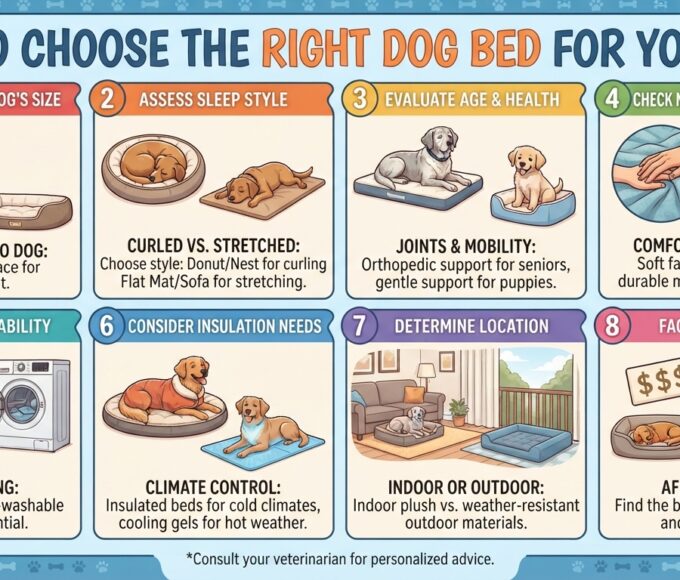
3. Recycled or Responsibly Made Pet Beds
Pet beds can eventually wear out, particularly when they’re used every day.
When replacing one, consider beds made partly from recycled fibers or other responsibly sourced materials.
Look for practical features such as:
- Removable covers
- Machine-washable fabric
- Durable stitching
- Replaceable components
- Appropriate cushioning
- A size suitable for your pet
A washable cover can extend the useful life of a bed because you can clean it without replacing the entire product.
Don’t Replace a Good Bed Just to Go Green
The most sustainable choice isn’t always buying something new.
If your pet’s current bed is safe, comfortable, and in good condition, continuing to use it may create less environmental impact than replacing it simply because a newer product has an eco-friendly label.
4. Sustainable Collars and Leashes
Collars and leashes are everyday essentials, making them another area where you can consider material choices.
Some manufacturers offer products made with recycled polyester, recycled nylon, hemp, or other alternative materials.
When choosing one, focus first on:
- Strength
- Secure hardware
- Correct size
- Comfortable fit
- Reliable stitching
- Appropriate design for your pet
A sustainable leash isn’t useful if the clip breaks or the material fails during a walk.
For dogs that pull strongly, choose equipment specifically designed to handle the forces involved.
5. Stainless Steel Feeding Bowls
Stainless steel is a practical choice for food and water bowls.
It is durable, relatively easy to clean, and can remain useful for many years when properly cared for.
Its long service life can reduce the need for frequent replacement.
Look for a bowl that is appropriately sized for your pet and has a stable base.
A non-slip mat underneath can also help protect your flooring and keep the feeding area cleaner.
6. Ceramic Bowls
Ceramic bowls can also be a good option when they are made with appropriate food-safe materials and are kept in good condition.
They come in many designs, which means you don’t have to sacrifice appearance for practicality.
However, inspect ceramic bowls regularly.
Cracks, chips, and damaged surfaces can make a bowl unsuitable for continued use because they can become difficult to clean properly.
If the bowl becomes damaged, replace it.
7. Reusable Water Bottles and Travel Bowls
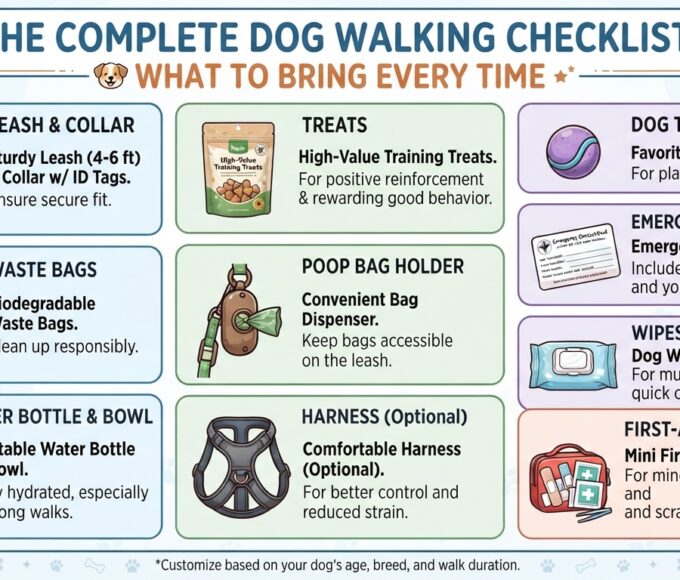
If you frequently take your dog on walks, hikes, or road trips, reusable travel equipment can reduce the need for disposable products.
A reusable water bottle designed for pets or a collapsible travel bowl can be used repeatedly.
Choose products that are:
- Easy to clean
- Durable
- Lightweight
- Appropriately sized
- Made from suitable food-contact materials
Carry enough water for your pet’s needs, especially during warm weather or extended outdoor activities.
8. Eco-Conscious Grooming Products
Grooming products eventually wash down drains, so some owners prefer shampoos and conditioners marketed around biodegradable ingredients or reduced packaging.
When selecting grooming products, don’t choose them solely because they are labeled “natural.”
Your pet’s skin and coat needs matter more.
Look for products appropriate for your pet’s species and skin condition, and avoid using human shampoos unless a veterinarian specifically recommends them.
If your pet has persistent itching, redness, sores, hair loss, or other skin problems, a veterinarian can help determine the underlying cause rather than relying on a cosmetic grooming product.
9. Reusable Grooming Tools
Brushes, combs, nail clippers, and grooming tools can last for years when they’re properly maintained.
Instead of repeatedly purchasing disposable grooming products, invest in durable tools suited to your pet’s coat and needs.
Clean them regularly and replace them only when they’re damaged or no longer working properly.
This is a simple example of sustainability through reuse rather than constant replacement.
10. Recycled-Content Blankets
A washable blanket can serve several purposes around the house.
You can place one:
- On your pet’s bed
- On the sofa
- Inside a crate
- In the car
- In a travel carrier
Some blankets are manufactured using recycled fibers.
But again, the most environmentally friendly choice may simply be to use an existing blanket that’s already suitable.
Washable products are particularly useful because they can be cleaned and reused rather than discarded after becoming dirty.
11. Sustainable Toy Storage
You can even make your pet’s storage more environmentally conscious.
A durable basket, fabric bin, or reused container can keep toys organized without requiring a specialized plastic storage product.
Before purchasing something new, look around your home.
An existing basket or container may already be perfectly suitable for storing your pet’s toys.
The goal isn’t to replace everything with “eco” versions. It’s to reduce unnecessary consumption.
12. Upcycled Pet Accessories
Upcycling gives existing materials a second life.
Depending on your skills and the material involved, old household textiles can sometimes be transformed into:
- Pet blankets
- Toy storage
- Simple bedding covers
- Snuffle-style enrichment items
- Cleaning cloths
However, DIY products should always be checked carefully for loose threads, buttons, zippers, small pieces, toxic materials, and other hazards.
Don’t give your pet an upcycled item simply because it would otherwise become waste.
Safety still comes first.
13. Durable Food Storage Containers
Buying pet food in larger quantities can sometimes reduce packaging waste, but only if the food can be stored properly and consumed before it becomes stale.
A durable, airtight container can help keep food fresh while reducing the need to transfer food into disposable bags or containers.
Choose a container that’s:
- Food-safe
- Airtight
- Easy to clean
- Appropriately sized
- Secure from curious pets
Always follow the food manufacturer’s storage recommendations.
14. Reusable Food and Treat Pouches
If you use training treats regularly, a reusable treat pouch can replace disposable bags or packaging used during training sessions.
Wash the pouch regularly and store treats according to their instructions.
For dogs that train frequently, this can be a small but practical way to reduce disposable waste.
15. Consider Adoption and Second-Hand Items
One of the most effective ways to reduce the environmental impact of pet products is to avoid unnecessary new purchases.
Some shelters and rescue organizations accept gently used:
- Crates
- Bowls
- Blankets
- Leashes
- Toys
- Pet beds
If you’re adopting a pet, ask the organization whether they need specific supplies.
Before giving a used item to your pet, inspect it carefully and clean it appropriately.
Don’t reuse damaged equipment, worn-out restraints, unsafe toys, or anything that could pose a health or injury risk.
What Does “Eco-Friendly” Really Mean?
The term eco-friendly can mean many different things.
A product may use recycled materials, renewable materials, less packaging, longer-lasting components, or manufacturing practices intended to reduce environmental impact.
But one environmental benefit doesn’t automatically make a product better in every category.
For example, a product made from a renewable material may wear out quickly, while a durable product made from a conventional material could remain useful for many years.
When evaluating a pet accessory, consider its entire life cycle:
Where did the materials come from?
How long will the product last?
Can it be repaired or reused?
Can it be recycled?
How should it be disposed of?
Thinking beyond the label can help you make more informed decisions.
How to Make Pet Ownership More Sustainable
You don’t need to replace all your pet’s belongings overnight.
Instead, make small changes over time.
Buy Less
Before purchasing another toy, bed, bowl, or accessory, ask whether your pet actually needs it.
Choose Durable Products
A product that lasts for years may prevent repeated purchases and reduce waste.
Repair When Possible
If a safe item can be repaired rather than discarded, consider fixing it.
Never repair safety-critical equipment such as a damaged leash or restraint in a way that could cause failure.
Reuse
Repurpose suitable household items when they’re safe for pets.
Donate Usable Items
If your pet no longer needs something, consider giving it to a shelter, rescue organization, or another pet owner.
Follow Local Recycling Rules
Not every recycling facility accepts the same materials. Check local guidance rather than assuming an item is recyclable.
Are Eco-Friendly Pet Products Safer for Pets?
Not automatically.
A product’s environmental credentials don’t guarantee that it is safe for every animal.
When purchasing an accessory, consider:
- Materials
- Construction quality
- Size
- Potential choking hazards
- Chewing behavior
- Cleaning requirements
- Intended use
A product should be appropriate for your individual pet before environmental considerations become the deciding factor.
Frequently Asked Questions
Are eco-friendly pet accessories worth buying?
They can be, particularly when they are durable, practical, and genuinely reduce waste or resource use. However, you don’t need to replace perfectly good products simply because an alternative is marketed as eco-friendly.
Are biodegradable poop bags really better for the environment?
It depends on the material and how the bags are disposed of. Some products require specific composting conditions and may not break down as advertised in ordinary landfill environments. Check the manufacturer’s certifications and your local disposal options.
Are natural pet toys safer?
Not necessarily. Natural materials can be useful, but safety depends on the entire product. Choose toys appropriate for your pet’s size and chewing behavior and inspect them regularly for damage.
What is a sustainable material for pet accessories?
There isn’t one material that is automatically the most sustainable for every product. Recycled materials, renewable fibers, durable metals, and long-lasting products can all have environmental advantages depending on how they’re manufactured, used, and disposed of.
How can I make my pet’s lifestyle more environmentally friendly?
Start with simple changes: buy fewer unnecessary products, choose durable accessories, reuse what you already have, donate usable items, minimize packaging where practical, and dispose of pet waste and unwanted products responsibly.
Should I replace my pet’s plastic bowls?
Not necessarily. If a plastic bowl is safe, intact, appropriately cleaned, and still useful, replacing it immediately may create unnecessary waste. If you’re buying a new bowl, stainless steel or suitable ceramic can be practical alternatives.
Final Thoughts
Creating a more environmentally conscious lifestyle for your pet doesn’t require buying an entirely new collection of accessories.
In many cases, the most sustainable approach is surprisingly simple: buy less, choose durable products, reuse what you already own, repair when appropriate, and dispose of unwanted items responsibly.
When you do need something new, consider recycled or renewable materials, reusable products, minimal packaging, and accessories designed to last.
At the same time, never let an environmental label replace basic safety considerations. Your pet’s comfort, health, and safety should always come first.
Small choices made consistently can reduce waste without making pet ownership complicated—and your dog or cat will probably appreciate a durable toy and comfortable bed far more than the label printed on the packaging.
This Article Was Generated By AI.







Leave a comment