



Bringing home a puppy is exciting, rewarding, and sometimes wonderfully chaotic. Between the tiny paws, sharp little teeth, potty-training accidents, and endless curiosity, those first few months can feel like a full-time adventure.
The good news is that you don’t need to have everything figured out on day one. A safe home, consistent routine, appropriate nutrition, positive training, socialization, and regular veterinary care can give your puppy a strong start.
Here are the essential puppy care tips every new dog parent should know.
1. Gather the Right Puppy Supplies
Before your puppy arrives, prepare the basics so you aren’t scrambling for supplies during those first few days.
Your starter kit should include:
- Comfortable bedding: Give your puppy a dedicated place to rest.
- Food and water bowls: Choose sturdy bowls that are easy to clean.
- Puppy food: Select a complete and balanced diet formulated for growth.
- Collar and identification: Make sure identification information stays current.
- Leash and harness: Useful for safe walks and gradual leash training.
- Puppy-safe toys: Offer appropriate toys for chewing, play, and enrichment.
- Crate or playpen: A properly introduced crate can provide a safe resting space.
- Waste bags and cleaning supplies: Accidents are normal during house training.
- Grooming supplies: A suitable brush, nail-care tools, and other breed-appropriate supplies can help establish handling routines.
- Health records: Keep vaccination, deworming, and veterinary information together.
Don’t buy every puppy product you see. Start with the essentials and add items based on your puppy’s size, breed, temperament, and lifestyle.
2. Puppy-Proof Your Home Before the Big Arrival
Puppies investigate the world with their noses and mouths, which means ordinary household objects can quickly become hazards.
Before bringing your puppy home, look around from their level and identify anything they could chew, swallow, knock over, or get trapped behind.
Pay particular attention to:
- Electrical cords
- Cleaning products and medications
- Toxic plants
- Small objects
- Human foods that are unsafe for dogs
- Shoes and other chewable belongings
- Open trash cans
- Accessible cables and wires
- Unsecured doors, windows, or balconies
AAHA also recommends securing potential hazards such as electrical cords, household chemicals, toxic plants, and small objects that could be swallowed.
Create a Puppy Zone
A gated area or playpen can make those first weeks easier. Include:
- A comfortable bed
- Safe toys
- Fresh water
- Appropriate chew toys
- A place for calm rest
The goal isn’t to confine your puppy constantly. Instead, create a safe area where you can supervise them while they’re learning the rules of their new home.
3. Establish a Predictable Daily Routine
Puppies are learning everything from scratch. A consistent routine helps them understand what happens next and makes house training and training sessions easier.
Try to keep regular times for:
- Meals
- Potty breaks
- Play
- Training
- Quiet time
- Sleep
Your schedule doesn’t need to be perfect. What matters most is consistency.
During the first few weeks, keep the environment relatively calm and give your puppy time to adjust rather than overwhelming them with constant visitors and activities.
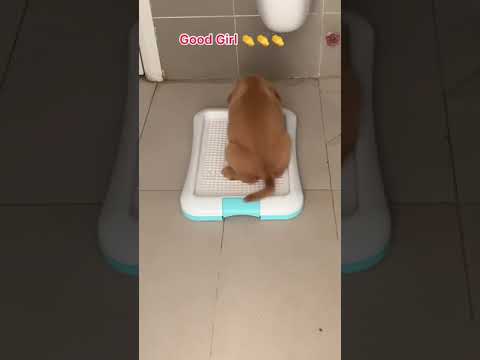
4. Start House Training Early
Potty training takes patience. Young puppies have limited bladder control, so accidents should be expected rather than treated as misbehavior.
Take your puppy to their designated bathroom area regularly, particularly:
- First thing in the morning
- After eating
- After drinking
- After waking from a nap
- After play
- Before bedtime
When your puppy eliminates in the correct place, immediately reward them with praise, affection, or an appropriate treat.
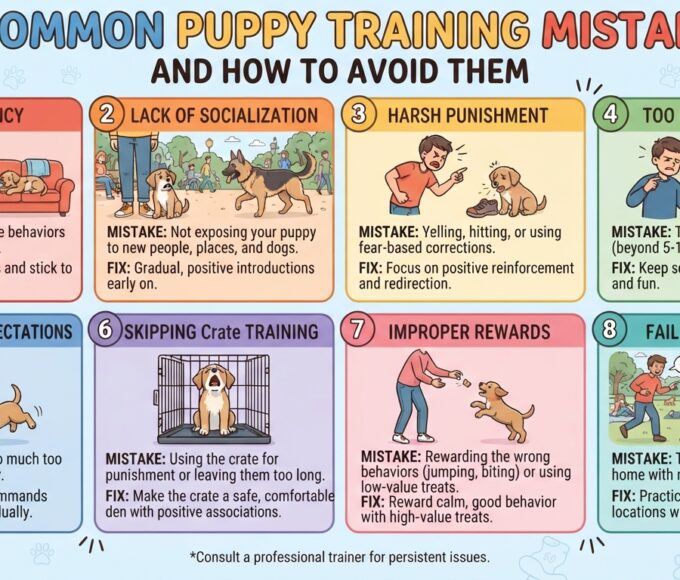
If an accident happens indoors, clean it thoroughly and continue the routine. Avoid yelling or punishing your puppy.
Merck Veterinary Manual recommends taking puppies outside frequently and rewarding them when they eliminate in the appropriate location.
5. Use Positive Reinforcement for Training
Puppies don’t automatically understand words such as “sit,” “stay,” or “come.” They have to learn what your cues mean.
Start with simple skills such as:
- Their name
- Sit
- Come
- Stay
- Down
- Leave it
- Walking politely on a leash
Reward behaviors you want to see again using treats, praise, toys, or play.
Keep training sessions short and enjoyable. Several brief sessions throughout the day can be more productive than trying to keep a young puppy focused for a long period.
Reward-based training is also recommended as part of healthy puppy behavior development.
Keep Your Commands Consistent
If one person says “down” while another uses “off” for the same behavior, your puppy may become confused.
Everyone in the household should agree on basic commands and rules.
6. Socialize Your Puppy Carefully
Socialization is about helping a puppy become comfortable with the world—not forcing them to interact with everyone and everything.
Gradually introduce your puppy to appropriate experiences such as:
- Different people
- Household sounds
- New surfaces
- Car rides
- Grooming and handling
- Calm, friendly dogs
- Different environments
- Everyday sights and sounds
Keep new experiences positive and allow your puppy to move at their own pace.
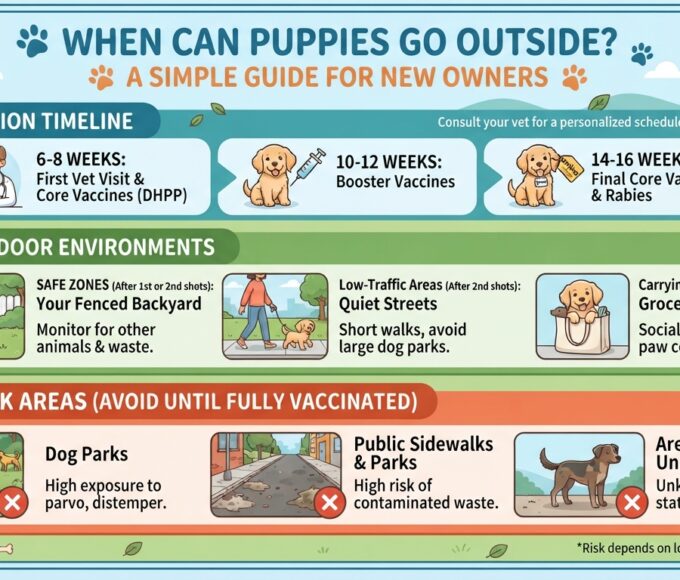
Vaccination status matters, too. Puppies are vulnerable to infectious diseases while they’re completing their vaccination series, so ask your veterinarian which environments and dog interactions are appropriate in your area.
7. Feed a Complete and Balanced Puppy Diet
Nutrition plays an important role during puppy growth.
Choose a food formulated specifically for growing puppies and check the label for an appropriate nutritional adequacy statement. A complete and balanced diet should provide the nutrients puppies need for development.
Puppies have different nutritional requirements from adult dogs, and their needs can also vary according to expected adult size. Large- and giant-breed puppies may need specially formulated growth diets and careful weight management.
Don’t Overfeed
More food doesn’t mean faster or healthier growth.
Follow the feeding guidance for your puppy’s food and discuss portions with your veterinarian. Your vet can help you adjust feeding based on your puppy’s growth, body condition, breed size, and health.
Fresh, clean water should always be available.
8. Be Smart About Puppy Treats
Treats can be useful training rewards, but they shouldn’t replace a balanced puppy diet.
Choose appropriately sized treats and keep extras reasonable. You can also use a portion of your puppy’s regular food as training rewards if appropriate.
Safe snack choices depend on the individual puppy, so when introducing human foods, check with your veterinarian first.
Avoid giving puppies foods that are toxic or dangerous for dogs.
9. Handle Puppy Biting and Chewing Correctly
Puppies naturally explore with their mouths. Chewing and play biting are common parts of puppy development.
Instead of simply telling your puppy what not to chew, show them what they can chew.
If your puppy grabs your hand, shoe, or furniture:
- Calmly interrupt the behavior.
- Offer an appropriate chew toy.
- Encourage interaction with the toy.
- Praise your puppy when they use it.
Keep tempting belongings out of reach while your puppy is learning.
Supervision and management are often just as important as training.
10. Provide Age-Appropriate Exercise and Enrichment
Puppies need movement and mental stimulation, but more exercise isn’t always better.
Give your puppy opportunities for:
- Short walks when appropriate
- Gentle play
- Sniffing and exploring
- Food puzzles
- Basic training
- Fetch with suitable toys
- Safe social interaction
- Chewing appropriate toys
Avoid relying on rigid exercise formulas such as “five minutes per month of age.” Puppies differ considerably by breed, size, health, development, and temperament.
Veterinary guidance is a better way to determine appropriate activity, particularly for growing puppies and large breeds.
Also remember that puppies need plenty of sleep and quiet time.
11. Make Veterinary Care a Priority
Your puppy’s first veterinary visits are an important part of getting them off to a healthy start.
Your veterinarian can help you establish a plan for:
- Vaccinations
- Parasite prevention
- Deworming
- Nutrition
- Growth monitoring
- Dental care
- Behavior
- Exercise
- Spaying or neutering when appropriate
- Future preventive care
Puppies typically require several veterinary visits during early life because vaccinations and other preventive-care needs occur during this developmental period.
Bring any available health, vaccination, or deworming records to the first appointment.
12. Teach Your Puppy to Enjoy Handling
Don’t wait until your puppy needs a nail trim or veterinary examination to introduce handling.
Gently and briefly practice touching:
- Paws
- Ears
- Mouth
- Tail
- Legs
- Collar area
- Body
Pair calm handling with treats and praise.
This can help your puppy become more comfortable with routine grooming and veterinary procedures. AAHA recommends positive handling practice as part of preparing dogs for veterinary visits.
13. Introduce the Crate as a Positive Space
A crate can be useful for travel, rest, house training, and keeping a puppy safe when supervision isn’t possible.
However, your puppy should learn that the crate is a comfortable place rather than a punishment.
Try:
- Leaving the door open initially
- Putting comfortable bedding inside
- Tossing treats into the crate
- Feeding appropriate meals nearby or inside
- Allowing your puppy to enter voluntarily
- Gradually increasing the amount of time spent there
AAHA recommends creating positive associations with the crate rather than forcing a puppy inside.
14. Give Your Puppy Time to Adjust
The first days can be overwhelming.
Your puppy has suddenly left familiar surroundings and entered a completely new environment filled with unfamiliar people, sounds, smells, and routines.
Don’t expect perfect behavior immediately.
Your puppy may:
- Cry at night
- Have potty accidents
- Chew things
- Bite during play
- Sleep frequently
- Become overwhelmed
- Need time to feel comfortable
Be patient and focus on building trust and predictable routines.
Puppy Care Checklist
| Task | What to Remember |
|---|---|
| Food | Use a complete and balanced puppy diet |
| Water | Provide fresh, clean water |
| Training | Use short, positive sessions |
| Potty training | Take your puppy out frequently and reward success |
| Socialization | Introduce new experiences gradually and safely |
| Exercise | Keep activity age- and development-appropriate |
| Sleep | Provide plenty of quiet rest |
| Grooming | Introduce handling gradually |
| Safety | Puppy-proof the home |
| Veterinary care | Follow a personalized preventive-care plan |
Frequently Asked Questions About Puppy Care
What should I do during my puppy’s first day at home?
Give your puppy a quiet, safe area to settle in. Show them their sleeping, eating, drinking, and bathroom areas, and avoid overwhelming them with too many visitors or activities.
How often should a puppy eat?
Young puppies generally need multiple meals throughout the day, but the appropriate schedule depends on age, size, breed, food, and individual needs. Your veterinarian can help establish a suitable feeding schedule.
How do I potty train my puppy?
Take your puppy outside regularly, especially after meals, naps, play, drinking, and overnight. Reward successful bathroom trips immediately and handle accidents calmly.
When should puppy training begin?
Training can begin as soon as your puppy comes home. Start with simple behaviors such as responding to their name, coming when called, sitting, and learning household routines.
Can puppies socialize before finishing all their vaccines?
Early socialization is important, but puppies also need protection from infectious disease. Ask your veterinarian what types of social exposure are safe based on your puppy’s vaccination status and the disease risks in your area.
How can I stop my puppy from chewing everything?
Keep tempting objects out of reach, supervise your puppy, and provide appropriate chew toys. When your puppy chooses an acceptable toy, reward that behavior.
How much exercise does a puppy need?
There isn’t one exercise amount that works for every puppy. Breed, age, size, development, health, and activity level all matter. Focus on appropriate play, exploration, mental enrichment, and rest, and ask your veterinarian about strenuous activities.
What are the most important things for a new puppy parent to remember?
Focus on five basics: safety, nutrition, veterinary care, positive training, and patience. You don’t need a perfect puppy or a perfect routine. Consistency and a strong relationship matter much more.
Final Thoughts
Raising a puppy is a learning experience for both of you. Some days will be filled with adorable cuddles and successful training sessions, while others may involve chewed shoes, muddy paws, or another unexpected accident.
That’s normal.
Create a safe environment, feed your puppy appropriately, schedule regular veterinary care, introduce new experiences gradually, and use positive reinforcement to teach the behaviors you want to see.
Most importantly, give your puppy time to grow and learn. The foundation you build during puppyhood can help create a confident, well-adjusted companion for years to come.
This Article Was Generated By AI.





Leave a comment