




Bringing a puppy home means taking responsibility for much more than meals, vaccinations, grooming, and a comfortable bed. Puppies also need emotional security, mental stimulation, social experiences, rest, and plenty of opportunities to explore the world at their own pace.
While dogs experience emotions differently from humans, their behavior can give us important clues about how they are coping with their environment. A puppy that regularly has opportunities to play, rest, learn, explore, and interact positively with people is more likely to develop confidence and healthy coping skills.
Supporting your puppy’s emotional well-being does not require complicated routines or expensive products. Small things you do every day can make a meaningful difference.
Here are 10 practical ways to support your puppy’s mental well-being and help them grow into a confident, content companion.
1. Give Your Puppy Age-Appropriate Exercise
Puppies have plenty of energy, but more exercise is not always better. Their bodies are still developing, so physical activity should be appropriate for their age, breed, health, and individual abilities.
Instead of relying only on long walks, provide a mixture of gentle activities such as:
- Short walks when appropriate
- Interactive play
- Gentle games of fetch
- Exploring safe areas
- Supervised play with suitable dogs
- Short training sessions
- Sniffing and exploring
Mental stimulation can also tire a puppy without placing excessive physical demands on a growing body.
Your veterinarian can provide guidance about appropriate exercise, particularly for puppies from larger breeds or puppies with specific health considerations.
Watch for Signs of Overstimulation
A puppy that becomes extremely wild, nippy, or unable to settle may not simply need more exercise. They may actually be overtired.
Puppies need substantial amounts of sleep. Quiet periods and naps should be part of their daily routine.
2. Make Socialization Positive and Gradual
Socialization is one of the most important parts of helping a puppy become comfortable with the world.
It involves introducing your puppy to different experiences rather than simply exposing them to as many people and animals as possible.
Your puppy may gradually encounter:
- Different people
- Friendly, appropriately vaccinated dogs
- Car rides
- Household sounds
- Different floor surfaces
- Grooming tools
- Veterinary handling
- New environments
- Collars and harnesses
- Everyday objects
The goal is to help your puppy learn that unfamiliar experiences can be safe.
Never Force an Interaction
If your puppy is frightened, hiding, freezing, or trying to escape, give them more distance and allow them to recover.
Forcing a frightened puppy to approach something can make the experience more stressful.
Instead, use gradual exposure and rewards to create positive associations.
A veterinarian or qualified reward-based trainer can help you create an appropriate socialization plan.
3. Establish a Predictable Daily Routine
Puppies are constantly learning about their surroundings. A predictable routine can make everyday life easier to understand.
Try to establish reasonably consistent times for:
- Meals
- Bathroom breaks
- Play
- Training
- Walks or outdoor exploration
- Quiet time
- Sleep
Your schedule does not have to be identical every day. Life happens, and puppies should also gradually learn to cope with reasonable changes.
However, having a general rhythm helps your puppy understand what to expect.
For example:
Wake up → bathroom break → breakfast → play → nap
Later:
Wake up → bathroom break → training → play → quiet time
A routine can also make it easier for you to notice changes in your puppy’s appetite, energy, bathroom habits, or behavior.
4. Give Your Puppy Plenty of Mental Stimulation
Physical exercise is only one part of keeping a puppy engaged.
Puppies naturally want to investigate their environment, solve problems, sniff, chew, and learn.
Mental enrichment can include:
Puzzle Toys
Food puzzles can encourage your puppy to work for part of their meal while providing an engaging activity.
Scent Games
Hide a few safe treats around an easy-to-search area and encourage your puppy to find them.
Training Games
Teach simple cues such as:
- Sit
- Down
- Come
- Leave it
- Touch
- Wait
- Go to bed
Sniffing Activities
Allowing your puppy to safely investigate interesting smells can be mentally enriching.
Toy Rotation
You do not need to leave every toy available all day. Rotating suitable toys can keep familiar items interesting.
Always supervise your puppy with new toys and remove anything that becomes damaged or could be swallowed.
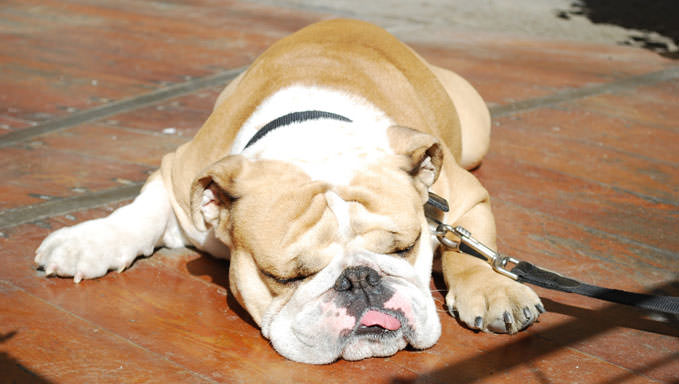
5. Give Your Puppy Plenty of Sleep and Quiet Time
One of the easiest things to overlook is rest.
Puppies spend a significant amount of time sleeping because their bodies and brains are developing rapidly.
An overtired puppy may become:
- Extremely excitable
- More mouthy
- Difficult to redirect
- Restless
- Unable to settle
- More easily frustrated
Create a comfortable, quiet place where your puppy can sleep without constant interruption.
A crate, puppy pen, bed, or other safe resting area can become a positive part of your puppy’s routine when introduced properly.
6. Build a Strong Bond Through Everyday Interaction
Your puppy’s relationship with you is an important part of their sense of security.
Bonding does not require spending every minute together. Instead, focus on the quality of your interactions.
You can strengthen your relationship by:
- Playing together
- Practicing short training sessions
- Grooming gently
- Offering calm affection
- Exploring safe environments
- Feeding appropriate meals
- Rewarding desirable behavior
- Simply sitting together quietly
Learn to notice what your puppy enjoys and what makes them uncomfortable.
Building trust means respecting their signals rather than constantly expecting interaction.
7. Teach Through Positive Reinforcement
Training can be a form of mental enrichment as well as a way to teach useful behaviors.
Reward your puppy when they do something you want to see repeated.
Rewards may include:
- Small treats
- Praise
- Toys
- Play
- Affection
- Access to something they enjoy
For example, if your puppy calmly sits instead of jumping on you, reward that behavior.
Over time, your puppy learns which behaviors produce positive outcomes.
Avoid relying on fear, intimidation, or harsh punishment. These approaches can create stress and interfere with the trust you are trying to develop.
8. Give Your Puppy a Safe Space
Every puppy should have somewhere they can retreat when they need rest or a break from activity.
This could be:
- A comfortable bed
- A crate
- A puppy pen
- A quiet corner
- A designated resting room
Family members, particularly children, should understand that a puppy resting in their designated space should be left alone.
A safe space should feel like somewhere your puppy can relax, not a place used for punishment.
This becomes especially useful when visitors arrive or the household becomes busy.
9. Help Your Puppy Learn to Handle Short Periods Alone
Constant companionship may feel comforting, but puppies also need to gradually learn that being apart from their people can be safe.
Begin with very short periods of separation while your puppy is comfortable.
For example, you might:
- Place your puppy in a safe area.
- Give them an appropriate enrichment activity.
- Step away briefly.
- Return before they become highly distressed.
- Gradually increase the duration over time.
The goal is not to leave a puppy alone for long periods suddenly.
If your puppy shows persistent distress when separated, speak with your veterinarian or a qualified behavior professional for guidance.
10. Pay Attention to Changes in Behavior
Your puppy cannot tell you directly that something is wrong, so changes in behavior deserve attention.
Possible signs that a puppy is stressed, uncomfortable, or struggling include:
- Hiding frequently
- Persistent whining
- Excessive barking
- Repeated pacing
- Avoiding people
- Sudden changes in appetite
- Destructive behavior
- Excessive licking or chewing
- Difficulty settling
- Unusual aggression or fear
- Significant changes in sleep
These signs do not automatically mean your puppy has a mental health problem. Pain, illness, environmental changes, insufficient sleep, fear, or other factors can affect behavior.
If you notice a sudden or persistent change, particularly if it is accompanied by physical symptoms, contact your veterinarian.
How Can You Tell if Your Puppy Is Comfortable?
Every puppy has an individual personality, so there is no single behavior that proves a puppy is happy.
However, a puppy that is comfortable in their environment may show behaviors such as:
- Relaxed body language
- Interest in play
- Normal eating and drinking
- Curiosity about their surroundings
- Willingness to interact
- Regular sleeping patterns
- Ability to settle after activity
- Interest in training
- Seeking appropriate social contact
Look at the overall pattern rather than focusing on one behavior, such as tail wagging.
For example, a wagging tail does not always mean a dog is happy. Context and the rest of the dog’s body language matter.
Creating a Puppy-Friendly Home Environment
Your home can have a major influence on your puppy’s emotional well-being.
Try to provide a balance between activity and rest.
Create Predictable Areas
Your puppy should know where they eat, sleep, play, and go for bathroom breaks.
Puppy-Proof the Home
Remove or secure items that could be dangerous to chew or swallow.
Pay particular attention to:
- Electrical cables
- Cleaning products
- Small objects
- Medications
- Toxic foods
- Household chemicals
- Accessible trash
- Unsafe plants
Provide Appropriate Chews
Chewing is a natural behavior for puppies. Provide suitable puppy-safe chewing options rather than expecting them never to chew.
Allow Exploration
Within safe limits, let your puppy investigate new objects, sounds, and areas of the home.
Don’t Confuse Boredom With a Lack of Discipline
A puppy that repeatedly chews furniture, steals objects, or gets into trouble may not simply be “bad.”
They may be:
- Bored
- Overtired
- Under-supervised
- Looking for attention
- Exploring normally
- In need of appropriate chewing outlets
- Unsure about household boundaries
Instead of immediately punishing the behavior, consider what is causing it.
For example, if your puppy repeatedly steals socks, keep socks out of reach and provide an appropriate toy. Reward your puppy for choosing the toy.
Management and positive training often work better than repeatedly reacting after the unwanted behavior has already happened.
How to Help a Puppy Adjust to a New Home
Moving away from their mother and littermates and entering a new household is a major change for a puppy.
During the first days and weeks:
- Keep their routine reasonably predictable.
- Give them a comfortable sleeping area.
- Introduce new experiences gradually.
- Avoid overwhelming them with visitors.
- Provide plenty of sleep.
- Use calm, positive interactions.
- Establish bathroom and meal routines.
- Allow them time to explore.
Some puppies settle quickly, while others need more time.
There is no need to rush the process.
Frequently Asked Questions
How do I know if my puppy is happy?
A comfortable puppy will often show interest in play, exploration, food, learning, and appropriate social interaction. Relaxed body language and the ability to settle are also useful signs.
However, every puppy has a different personality, so compare your puppy’s behavior with their normal patterns rather than expecting a particular behavior.
Can puppies become stressed?
Yes. Puppies can experience stress when faced with unfamiliar people, environments, sounds, separation, changes in routine, or experiences that are too intense for them.
Gradual exposure, predictable routines, appropriate rest, and positive training can help.
Does my puppy need mental stimulation every day?
Yes. Puppies naturally benefit from opportunities to explore, sniff, learn, play, and solve simple problems. Short training sessions, appropriate toys, and interactive games can provide mental enrichment.
Is too much exercise bad for a puppy?
Excessive or inappropriate physical activity can be unsuitable for growing puppies. Exercise should be adjusted for age, breed, health, and individual development. Ask your veterinarian about appropriate activity levels for your puppy.
What should I do if my puppy seems anxious?
First, identify possible triggers and reduce overwhelming situations where possible. Give your puppy a safe place to retreat and use calm, positive interactions.
If anxiety is persistent, severe, or interfering with everyday life, speak with your veterinarian or a qualified behavior professional.
Can training improve a puppy’s confidence?
Training can provide structure, communication, and opportunities for successful learning. Using achievable exercises and rewarding desirable behavior can help a puppy develop positive associations with learning and interacting with their environment.
Final Thoughts
Taking care of a puppy’s emotional well-being is an important part of responsible pet ownership. A healthy puppy needs more than food and shelter—they also need appropriate exercise, sleep, mental stimulation, positive social experiences, training, security, and companionship.
Pay attention to your puppy’s individual personality and body language. Give them time to rest, introduce new experiences gradually, and reward the behaviors you want to encourage.
Most importantly, remember that puppies are still learning how to navigate the world. Patience and consistency can help turn everyday experiences into opportunities for learning and confidence-building.
By creating a safe, predictable, enriching environment, you can give your puppy a strong foundation for a happy and well-adjusted life.







Leave a comment