


Keeping your dog at a healthy weight is one of the most important things you can do for their long-term health. Extra body fat may seem like a minor issue at first, but carrying excess weight can place additional stress on a dog’s joints, affect mobility, and increase the risk of several health problems.
The good news is that healthy weight management does not require extreme diets or exhausting exercise routines. In most cases, it comes down to understanding how much your dog actually needs to eat, choosing appropriate food, staying active, monitoring body condition, and working with your veterinarian when changes are necessary.
Whether you have a growing puppy, an active adult dog, or a senior companion, the right approach can help your pet maintain a healthier body throughout life.
What Is a Healthy Weight for a Dog?
There is no single ideal weight that applies to every dog. Two dogs of the same breed can have noticeably different healthy weights because of differences in body structure, muscle mass, age, sex, activity level, and overall health.
Instead of relying only on the number shown on a scale, veterinarians often assess a dog’s body condition score (BCS). This looks at body shape and the amount of fat covering the ribs and other areas.
A dog at a healthy body condition will generally have:
- Ribs that can be felt without pressing firmly.
- A visible waist when viewed from above.
- An abdominal tuck when viewed from the side.
- A body shape that is neither excessively thin nor noticeably rounded.
- Normal energy and mobility for their age and health status.
If you’re unsure whether your dog is carrying too much or too little weight, ask your veterinarian to evaluate them.
1. Measure Your Dog’s Food Instead of Guessing
One of the easiest ways for calories to creep into a dog’s diet is simply giving too much food.
Using a measuring cup or, even more accurately, a kitchen scale can help you provide consistent portions. Follow the feeding guidance on the food packaging as a starting point, but remember that those recommendations are not automatically perfect for every individual dog.
Your dog’s calorie requirements can change depending on:
- Age
- Body size
- Activity level
- Breed and body type
- Neutering or spaying status
- Current body condition
- Medical conditions
- The calorie density of the food
If your dog is gaining weight despite apparently reasonable portions, talk with your veterinarian about adjusting the amount.
Don’t Forget the Extras
The main meal isn’t the only source of calories.
Treats, dental chews, table scraps, training rewards, and food used to hide medication can all contribute to daily calorie intake.
Keep these extras in mind when considering your dog’s overall diet.
2. Choose Food That Matches Your Dog’s Needs
The right food should provide appropriate nutrition without supplying more calories than your dog needs.
Look for a complete and balanced food appropriate for your dog’s life stage and health requirements. If your dog is already overweight, your veterinarian may recommend a specially formulated weight-management diet rather than simply feeding much smaller portions of regular food.
Weight-management foods may be designed with factors such as calorie density, protein, fiber, and nutrient balance in mind.
However, lower-fat or higher-fiber does not automatically mean better for every dog. Nutritional needs vary, so your veterinarian can help determine which diet makes sense for your pet.
Avoid switching foods repeatedly just because a package claims to promote weight loss. Focus on the nutritional needs of your individual dog.
3. Make Exercise Part of the Daily Routine
Physical activity helps dogs maintain muscle, mobility, cardiovascular fitness, and mental well-being.
The ideal amount of exercise varies considerably. A young working breed may need substantially more activity than an older companion dog, while a dog with arthritis or another medical condition may require a modified routine.
Depending on your dog’s abilities, activities can include:
- Brisk walks
- Gentle walks
- Fetch
- Swimming
- Interactive games
- Training sessions
- Sniffing and exploration
- Hiking where appropriate
- Supervised play with compatible dogs
Exercise should be increased gradually if your dog has been inactive or overweight for some time.
Don’t Try to Exercise Away an Unbalanced Diet
A common mistake is assuming that extra exercise can completely compensate for excessive calorie intake.
It can be difficult to burn off the calories found in frequent treats or oversized meals through exercise alone. Weight management works best when nutrition and physical activity are addressed together.
4. Use Treats Strategically
Treats can be valuable for training and bonding, but they can also quietly add a significant number of calories to your dog’s day.
Instead of giving treats throughout the day without tracking them, decide how many rewards your dog will receive and include them in their overall food intake.
You can also:
- Break larger treats into smaller pieces.
- Use some of your dog’s regular food as training rewards.
- Choose appropriately sized, lower-calorie treats.
- Reward with play, praise, or attention when food isn’t necessary.
- Avoid routinely sharing high-calorie human foods.
Be particularly careful with foods that are unsafe for dogs, including chocolate, grapes and raisins, onions, garlic, xylitol, and certain other ingredients.
5. Be Careful With Table Scraps
Dogs are experts at looking convincing when food is nearby.
However, regularly feeding leftovers can make calorie control much harder. Human meals can also contain excessive fat, salt, or ingredients that are unsafe for dogs.
If several family members feed the dog from the table, your pet may receive far more food than you realize.
A simple household rule can help: everyone follows the same feeding plan.
If you want to give your dog a small food-based reward, choose an appropriate dog-safe option and account for it as part of their daily intake.
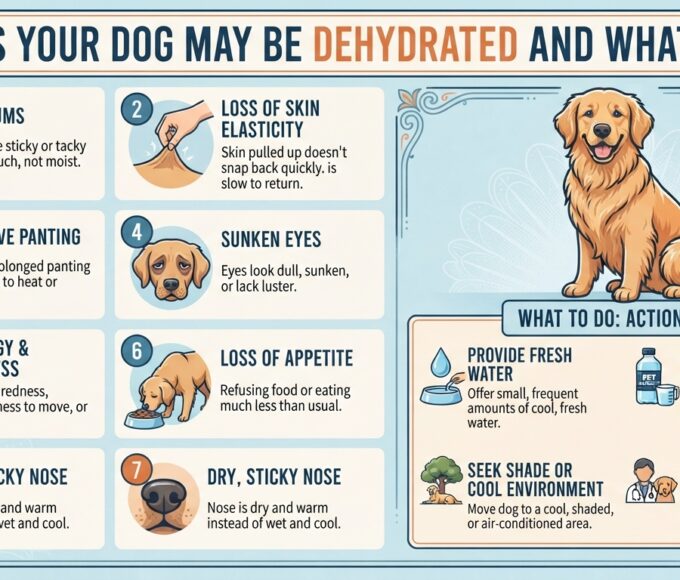
6. Keep Fresh Water Available
Your dog should have access to clean, fresh water throughout the day.
Water itself doesn’t cause weight loss, but proper hydration is essential for normal body functions and overall health. A dog that suddenly drinks much more or much less than usual may also be experiencing a health problem, so significant changes in drinking habits deserve attention.
Keep water bowls clean and refill them regularly, particularly during hot weather or after exercise.
Never use dehydration as a weight-loss strategy.
7. Monitor Your Dog’s Weight and Body Shape
You don’t have to wait for an annual veterinary appointment to notice changes in your dog’s body.
Regularly check their overall shape and, when practical, weigh them using a reliable scale.
For smaller dogs, you may be able to weigh yourself while holding your dog and then subtract your own weight. Larger dogs can be weighed at many veterinary clinics or using suitable pet scales.
Pay attention to gradual changes such as:
- A disappearing waist
- Ribs becoming difficult to feel
- A larger or rounder abdomen
- Reduced willingness to exercise
- Difficulty climbing stairs
- More frequent panting during activity
- Trouble getting up or lying down
Small changes are easier to address than significant weight gain that has continued for months.
8. Consider Your Dog’s Age and Lifestyle
A dog’s nutritional needs can change throughout their life.
Puppies are growing and need appropriate nutrition to support development. Adult dogs may require fewer calories depending on their activity level. Senior dogs can experience changes in metabolism, muscle mass, mobility, and health conditions that affect their nutritional requirements.
Lifestyle matters too.
A highly active dog may require more calories than a companion who spends most of the day resting. Likewise, a dog recovering from an injury may temporarily need a different exercise and feeding plan.
Don’t assume that the same portion should be used throughout your dog’s entire life.
9. Recognize That Some Dogs Have a Higher Obesity Risk
Some dogs appear particularly food-motivated or may have a tendency to gain weight easily.
Breed can be one factor, but it isn’t the only one. Genetics, age, activity, feeding practices, neutering status, environment, and individual metabolism can all influence weight.
Breeds commonly discussed as having an increased tendency toward weight gain include Labrador Retrievers, Beagles, and Dachshunds, among others.
That doesn’t mean every dog in these breeds will become overweight. It simply means owners should pay close attention to body condition and calorie intake.
10. Make Mealtimes More Enriching
Weight management doesn’t have to mean making your dog feel deprived.
You can make appropriately portioned meals more interesting by using food puzzles, slow feeders, or other veterinarian-approved enrichment methods.
Instead of simply placing the entire meal in a bowl, some dogs may enjoy working for part of their food through safe interactive activities.
This can provide mental stimulation while helping slow down dogs that eat too quickly.
Always make sure enrichment products are appropriate for your dog’s size, chewing style, and supervision needs.
11. Don’t Ignore Sudden Weight Changes
Not every weight change is caused by overeating.
Unexpected weight gain or weight loss can sometimes be associated with an underlying medical issue, medication, reduced mobility, hormonal conditions, or other health problems.
Contact your veterinarian if your dog’s weight changes unexpectedly, particularly if the change is accompanied by:
- Increased thirst
- Increased urination
- Changes in appetite
- Persistent vomiting or diarrhea
- Unusual tiredness
- Difficulty breathing
- Changes in mobility
- Noticeable weakness
- Changes in behavior
A veterinary examination can help determine whether the problem is dietary or whether something else needs attention.
Why Dog Obesity Should Be Taken Seriously
Carrying excess body weight can place additional physical demands on a dog’s body.
Overweight dogs may have a harder time moving comfortably and may experience greater strain on their joints. Excess body fat has also been associated with metabolic and inflammatory effects that can affect overall health.
Potential concerns associated with canine obesity include:
- Joint and mobility problems
- Reduced exercise tolerance
- Increased difficulty staying active
- Greater risk of certain metabolic problems
- Reduced quality of life
- Greater challenges during some medical procedures
Maintaining a healthy body condition is therefore about much more than appearance.
How to Help an Overweight Dog Lose Weight Safely
If your dog is already overweight, avoid putting them on a crash diet.
Suddenly cutting food dramatically can create nutritional problems and may not provide a sustainable solution. Instead, work with your veterinarian to establish a gradual weight-management plan.
A professional may recommend:
- Determining your dog’s current body condition.
- Establishing a realistic target weight.
- Calculating an appropriate calorie intake.
- Selecting a suitable diet.
- Measuring meals accurately.
- Accounting for treats and chews.
- Introducing appropriate exercise.
- Monitoring progress regularly.
- Adjusting the plan when necessary.
The exact rate of healthy weight loss depends on the individual dog. Your veterinarian can determine an appropriate target and monitor progress.
A Simple Daily Weight-Management Routine
A consistent routine can make healthy habits easier to maintain.
Morning
- Provide the measured breakfast portion.
- Refresh the water bowl.
- Take your dog for an appropriate walk or activity.
- Use a few pieces of their daily food allowance for training if desired.
During the Day
- Avoid unplanned table scraps.
- Provide mental enrichment.
- Monitor treats.
- Encourage appropriate movement.
Evening
- Serve the measured dinner portion.
- Provide another suitable walk or play session.
- Check that your dog is comfortable and moving normally.
- Refresh their water.
Consistency is often more useful than making dramatic changes that are difficult to maintain.
Healthy Weight Management Checklist
| Habit | Why It Matters |
|---|---|
| Measure meals | Helps control calorie intake |
| Monitor body condition | Identifies weight changes early |
| Limit unnecessary treats | Prevents hidden calories |
| Provide regular activity | Supports fitness and mobility |
| Offer fresh water | Supports normal hydration |
| Choose appropriate nutrition | Meets individual dietary needs |
| Schedule veterinary check-ups | Helps monitor health and weight |
| Adjust portions when needed | Keeps feeding aligned with changing needs |
| Track changes | Makes gradual weight gain easier to spot |
Frequently Asked Questions
How can I tell if my dog is overweight?
A healthy dog generally has ribs that are easy to feel without a thick layer of fat, a visible waist when viewed from above, and an abdominal tuck from the side. If you aren’t sure, ask your veterinarian to assess your dog’s body condition.
Can an obese dog lose weight?
Yes. Many overweight dogs can safely lose weight through a carefully managed nutrition and activity plan. The appropriate approach depends on the dog’s current condition, health, age, and lifestyle.
Should I feed my dog less if they are gaining weight?
Possibly, but don’t make major changes without considering the dog’s complete diet and health. A veterinarian can help determine whether portion size, food type, treats, exercise, or an underlying medical issue needs to be addressed.
Are some dog breeds more likely to gain weight?
Yes. Certain breeds have been identified as having a greater tendency toward obesity, but individual dogs within every breed can have very different needs. Lifestyle and feeding habits remain important factors.
How many meals should an adult dog eat each day?
Many adult dogs do well with two meals per day, but feeding frequency can vary according to the individual dog’s needs, health, schedule, and veterinary recommendations.
Can treats be part of a weight-management plan?
Yes. Treats don’t necessarily need to disappear, but their calories should be accounted for. Smaller portions, appropriately sized treats, or using part of your dog’s normal food allowance for training can make calorie control easier.
Should I use a weight-loss dog food?
A veterinarian may recommend a therapeutic or specially formulated weight-management food for an overweight dog. These diets are designed to help manage calories while providing appropriate nutrition. Don’t assume that simply choosing a “light” food is the right solution for every dog.
Final Thoughts
Managing your dog’s weight is an ongoing part of responsible pet care. The goal isn’t to make your dog as thin as possible—it is to maintain a healthy body condition that supports mobility, energy, and overall quality of life.
Start with practical habits: measure meals, keep treats under control, provide regular age-appropriate activity, offer fresh water, monitor body condition, and schedule routine veterinary care.
If your dog is already overweight, don’t feel discouraged. Sustainable changes made with professional guidance can make a meaningful difference. By paying attention to your dog’s changing needs throughout their life, you can give them a better chance of staying active, comfortable, and healthy for years to come.






Leave a comment