



Bringing home a puppy is exciting, but it also comes with an important responsibility: making sure your new companion gets the nutrition needed to grow into a healthy adult dog.
Puppies aren’t simply smaller versions of adult dogs. Their bodies are developing rapidly, including their bones, muscles, organs, immune system, and brain. Because of this, they need a carefully balanced diet that provides the right amount of energy and essential nutrients without excessive calories.
Choosing between different foods, understanding feeding portions, deciding how often to feed, and knowing which treats are safe can feel overwhelming at first.
The good news is that puppy nutrition doesn’t have to be complicated. By understanding a few basic principles and working with your veterinarian when necessary, you can establish healthy eating habits from the beginning.
Why Puppy Nutrition Is Different From Adult Dog Nutrition
Growing puppies have nutritional requirements that differ from those of mature dogs.
They need nutrients to support:
- Bone and skeletal development
- Muscle growth
- Brain and nervous-system development
- Immune-system function
- Healthy skin and coat
- Normal organ development
- Healthy energy levels
Feeding a puppy an inappropriate diet for a prolonged period can contribute to nutritional deficiencies or excessive growth.
This is particularly important for large- and giant-breed puppies, whose diets need careful attention to calorie intake and mineral balance because overly rapid growth can increase orthopedic risks.
Rather than simply choosing the food with the highest protein or calorie content, focus on whether the complete diet is appropriate for your puppy’s life stage and size.
The Essential Nutrients Puppies Need
A balanced puppy diet contains several important categories of nutrients.
1. Protein
Protein provides amino acids needed for developing muscles, tissues, enzymes, hormones, and other components of the body.
Good puppy foods generally contain highly digestible animal or plant protein sources in appropriate amounts.
Ingredients may include:
- Chicken
- Turkey
- Beef
- Fish
- Lamb
- Eggs
- Carefully formulated plant proteins
The ingredient list can be useful, but don’t judge a food solely by whether one particular meat appears first. The overall nutritional formulation matters more than a single ingredient.
2. Fat
Dietary fat provides concentrated energy and supplies essential fatty acids.
Healthy fats can support:
- Brain development
- Normal skin function
- Coat health
- Energy needs
- Absorption of fat-soluble vitamins
Puppies need adequate fat, but more isn’t automatically better. Excess calories can contribute to unhealthy weight gain.
3. Carbohydrates
Dogs don’t have a dietary requirement for carbohydrates in the same way they require certain amino acids and fatty acids, but appropriately formulated carbohydrate sources can provide energy and other nutrients.
Depending on the food, carbohydrate sources may include:
- Rice
- Oats
- Barley
- Potatoes
- Sweet potatoes
- Peas
- Other grains or vegetables
There’s no universal rule that grains are bad for puppies. What matters is whether the complete diet is nutritionally appropriate for the individual dog.
4. Vitamins and Minerals
Puppies require numerous vitamins and minerals for normal development.
Calcium and phosphorus are especially important for growing bones, but the balance and amount matter. Adding extra calcium or mineral supplements to a complete puppy diet without veterinary guidance can be harmful.
This is particularly important for large-breed puppies.
5. Water
Fresh water is just as important as food.
Your puppy should have regular access to clean drinking water throughout the day. Water requirements can increase after exercise, during hot weather, or when eating dry food.
Monitor your puppy’s drinking habits and speak with a veterinarian if you notice a sudden and persistent change in thirst or urination.
How to Choose a Good Puppy Food
Walking into a pet store can leave new puppy owners facing dozens of options.
Instead of choosing based solely on advertising, packaging, price, or a single ingredient, look for a complete and balanced food specifically formulated for growth.
Depending on your puppy’s expected adult size, you may need a diet designed for:
- Small-breed puppies
- Medium-breed puppies
- Large-breed puppies
- Giant-breed puppies
Check the food’s nutritional adequacy statement and make sure it is appropriate for puppies or growth.
If you’re uncertain about a product, your veterinarian can help you evaluate whether it suits your puppy’s age, size, health, and lifestyle.
Dry Food
Dry kibble is popular because it is:
- Convenient
- Easy to measure
- Simple to store
- Usually economical
- Easy to use in feeding toys
Some puppies may need their kibble softened with water when they are very young or transitioning from their previous food.
Wet Food
Canned or wet puppy food can be useful for puppies that prefer softer textures or need additional moisture in their diet.
Because wet food contains a lot of water, feeding amounts cannot be compared directly with dry food by volume.
If you mix wet and dry foods, adjust portions so that you’re not unintentionally overfeeding your puppy.
Combining Different Foods
There’s no requirement that a puppy eat only one type of food.
Some owners use a combination of wet and dry food, while others feed exclusively one format.
The important consideration is the total nutritional intake, not whether the food comes from a can or a bag.
What About Raw Diets?
Raw feeding is a controversial subject, and it deserves careful consideration before being used for a growing puppy.
Raw diets can create challenges involving:
- Nutritional balance
- Calcium and phosphorus levels
- Foodborne pathogens
- Safe handling
- Appropriate calorie intake
- Bone-related injuries or gastrointestinal problems
Growing puppies have particularly little room for nutritional mistakes.
If you’re considering a raw or homemade diet, work with a veterinarian or a veterinary nutrition professional who can formulate a nutritionally complete diet for growth.
Avoid assuming that raw meat plus vegetables automatically creates a balanced puppy diet.
How Often Should You Feed a Puppy?
Puppies have relatively small stomachs but substantial nutritional needs, so they generally benefit from several meals throughout the day.
A common starting point is:
| Puppy Age | Typical Meal Frequency |
|---|---|
| Around 8–12 weeks | 3–4 meals per day |
| Around 3–6 months | 3 meals per day |
| Around 6–12 months | 2 meals per day |
These are general guidelines rather than strict rules.
Your veterinarian may recommend a different schedule based on your puppy’s breed, size, health, growth rate, and individual needs.
Very young or unusually small puppies may need more frequent meals.
How Much Should Your Puppy Eat?
This is where many new owners make mistakes.
Feeding instructions on puppy-food packaging provide a starting point, but they’re not a perfect prescription for every puppy.
Two puppies of the same age can have significantly different calorie requirements.
Monitor:
- Body condition
- Growth
- Activity level
- Stool quality
- Appetite
- Weight trends
Your puppy should grow steadily without becoming excessively heavy.
For growing dogs, particularly large breeds, maintaining an appropriate body condition is more important than trying to make them grow as quickly as possible.
Your veterinarian can help you determine whether your puppy is growing appropriately.
Don’t Forget Treat Calories
Training treats are useful, especially during puppyhood, but they still count toward your dog’s daily calorie intake.
If your puppy receives treats throughout the day, consider reducing the amount of regular food accordingly.
You can also use a portion of your puppy’s normal kibble as training rewards.
Keep treats relatively small. Puppies don’t need large pieces to understand that they’ve done something correctly.
Safe Treat Options
Depending on the individual puppy, appropriate treats can include:
- Commercial puppy treats
- Small pieces of cooked lean meat
- Tiny pieces of certain dog-safe fruits or vegetables
- Portions of their regular puppy food
Always introduce new foods gradually and avoid anything known to be toxic to dogs.
Human Foods Puppies Should Avoid
Sharing food with a puppy can be tempting, but some common human foods can be dangerous.
Never intentionally feed puppies foods such as:
- Chocolate
- Grapes and raisins
- Onions
- Garlic
- Xylitol-containing products
- Alcohol
- Caffeinated foods or drinks
- Macadamia nuts
- Raw yeast dough
High-fat foods can also cause digestive problems in some dogs.
If your puppy accidentally consumes something potentially toxic, contact a veterinarian or animal poison service promptly rather than waiting for symptoms.
Should Puppies Take Supplements?
In most cases, a complete and balanced puppy food should provide the nutrients your puppy needs.
Adding supplements “just in case” isn’t necessarily beneficial.
Excessive amounts of certain nutrients can actually be harmful, particularly during skeletal development.
Avoid routinely adding:
- Calcium
- Vitamin supplements
- Mineral supplements
- Joint supplements
- Fish oil
unless your veterinarian recommends them for your puppy.
If your puppy has a specific nutritional or medical need, supplementation should be based on professional guidance.
How to Change Your Puppy’s Food
If you decide to change foods, avoid switching suddenly unless a veterinarian tells you otherwise.
A gradual transition over several days can help reduce digestive upset.
For example, you can begin by mixing a small amount of the new food with the old food and gradually increase the proportion of the new diet.
Monitor your puppy for:
- Loose stools
- Vomiting
- Reduced appetite
- Excessive gas
- Changes in energy
If significant digestive problems occur, contact your veterinarian.
Feeding Your Puppy During Training
Food can be an extremely useful training tool.
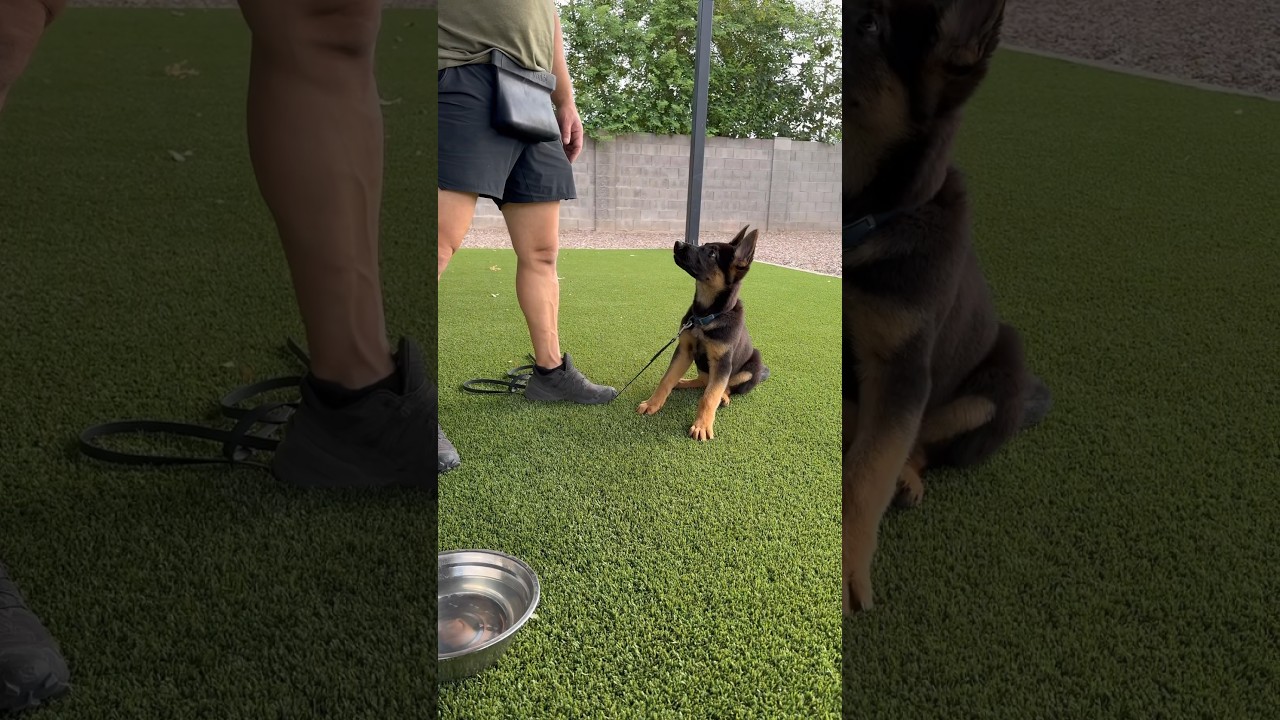
Instead of giving all of your puppy’s daily food from a bowl, you can reserve a portion for training sessions.
For example, use small pieces of kibble to practice:
- Their name
- Sit
- Down
- Come
- Leave it
- Drop it
- Loose-leash walking
- Settling calmly
This helps turn mealtime into an opportunity for mental stimulation.
Keep training sessions short and positive. Puppies have limited attention spans and learn best when exercises remain manageable.
How to Prevent Fast Eating
Some puppies seem to inhale their food rather than eat it.
Rapid eating can cause problems such as choking or digestive discomfort in some dogs.
If your puppy consistently eats too quickly, consider discussing it with your veterinarian and trying an appropriate slow-feeding bowl or food puzzle.
You can also divide the daily ration into additional meals if appropriate.
Avoid turning feeding into a stressful competition. Puppies should be able to eat in a calm environment.
Create a Healthy Feeding Routine
Puppies thrive on predictable routines.
Try to establish reasonably consistent times for:
- Meals
- Potty breaks
- Exercise
- Training
- Sleep
- Play
A routine can also make house training easier because many puppies need to eliminate shortly after eating, drinking, waking, or playing.
Keep your puppy’s feeding area clean and place food somewhere away from household chemicals or other potentially dangerous substances.
Signs Your Puppy May Need Veterinary Attention
Not every change in appetite is an emergency, but puppies can become unwell quickly, so persistent problems shouldn’t be ignored.
Contact your veterinarian if your puppy experiences:
- Persistent vomiting
- Repeated diarrhea
- Refusal to eat
- Significant lethargy
- Poor growth
- Sudden weight loss
- A swollen or painful abdomen
- Blood in vomit or stool
- Persistent changes in drinking or urination
Very young puppies that stop eating or become unusually weak deserve prompt veterinary attention.
Frequently Asked Questions
How many times a day should I feed my puppy?
Many young puppies do well with three or four meals per day, while older puppies can gradually transition to two meals. The appropriate schedule depends on age, size, health, and individual needs.
Should puppies eat wet or dry food?
Either can work when the food is complete and balanced for growth. Some owners use one type, while others combine them. Choose based on your puppy’s nutritional needs, preferences, and your veterinarian’s advice.
Can puppies drink milk?
Most puppies don’t need cow’s milk after weaning, and some dogs have difficulty digesting lactose. Fresh water should be their primary drink.
Can I feed my puppy homemade food?
A homemade diet can be nutritionally adequate, but it needs careful formulation. Growing puppies have precise nutritional requirements, so work with a veterinary nutrition professional rather than creating a diet from random online recipes.
Should I leave food out all day?
Free-choice feeding isn’t ideal for every puppy. Scheduled meals make it easier to monitor appetite, manage portions, establish routines, and support house training. Your veterinarian can advise you based on your puppy’s individual needs.
What happens if I overfeed my puppy?
Excess calories can cause unhealthy weight gain and, particularly in large-breed puppies, may contribute to overly rapid growth. Measuring portions and regularly monitoring body condition can help prevent overfeeding.
How do I know if my puppy is getting enough food?
Healthy growth, appropriate body condition, normal energy, and good overall health are useful indicators. Because puppies grow rapidly, regular veterinary examinations are the best way to monitor development.
Final Thoughts
Feeding a puppy properly is about much more than filling a bowl.
A growing puppy needs a diet that provides the right balance of calories, protein, fats, vitamins, minerals, and other essential nutrients. Choosing a complete puppy food, providing appropriate portions, establishing regular meals, and monitoring growth can help give your new companion a strong foundation.
Remember that every puppy is an individual. Breed, expected adult size, age, activity level, health, and body condition can all affect nutritional requirements.
When in doubt, your veterinarian is the best person to help you choose a diet and feeding routine suited to your puppy.
With good nutrition, regular veterinary care, appropriate exercise, and plenty of love and training, you can help your puppy grow from a curious little companion into a healthy adult dog.








Leave a comment