




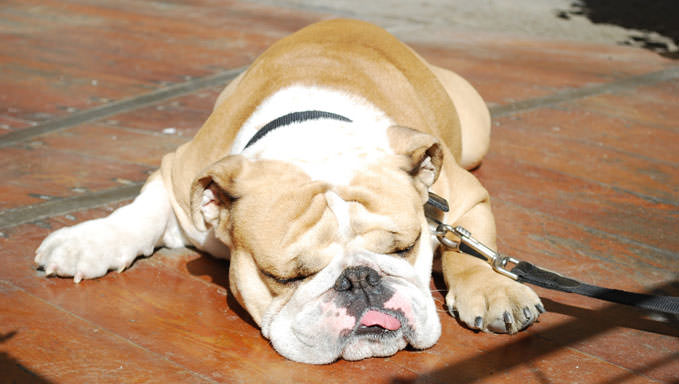


When your dog needs more exercise, socialization, and playtime, you have several options. Two of the most common are dog parks and dog daycare.
Both can give dogs opportunities to interact with other dogs and stay active, but the experience can be very different. Dog parks are generally open spaces where owners supervise their own pets, while dog daycare provides a more structured environment with staff supervision and planned activities.
Understanding these differences can help you decide which option better suits your dog’s personality, energy level, and social needs.
Exercise at a Dog Park vs. Dog Daycare
Dog parks give dogs room to run, chase, explore, and play. For confident, well-socialized dogs, this freedom can provide plenty of physical activity.
However, dog parks can sometimes become unpredictable. A busy park may contain dogs with very different energy levels and play styles. Some dogs may become overwhelmed by the noise, movement, unfamiliar people, or number of other animals.
Shy or cautious dogs may also struggle to find comfortable playmates in a crowded environment.
Dog Daycare Offers More Structured Exercise
Dog daycare can provide a more organized approach to exercise. Activities may include supervised group play, games, interactive toys, climbing structures, or other forms of enrichment.
Instead of simply allowing dogs to run around, staff can help manage the pace of activities and provide breaks when dogs become tired.
This can be especially useful for dogs that enjoy social interaction but do better with predictable routines.
Playtime Duration Can Be Different
A trip to the dog park depends on your schedule, weather, and how long you want to stay.
Dog daycare, on the other hand, allows dogs to spend several hours in a supervised environment. Depending on the facility, dogs may rotate between active play and rest periods throughout the day.
Indoor daycare can also provide an alternative when extreme heat, rain, or cold makes outdoor exercise less practical.
Playing With Other Dogs
Socialization is one of the biggest reasons people take their dogs to parks or daycare.
At a dog park, you generally don’t know which dogs will be there when you arrive. Your dog could meet energetic puppies, nervous dogs, rough players, or dogs with very different communication styles.
That variety isn’t necessarily bad, but it means owners need to pay close attention to body language and interactions.
Dog daycare may offer more controlled groupings. Some facilities separate dogs according to factors such as size, temperament, age, and play style.
A carefully managed group can make it easier for dogs with compatible personalities to interact and develop positive social skills.
Safety and Supervision
Safety is important in both environments, but the supervision model is different.
Dog Park Supervision
At a dog park, the responsibility generally falls on the owner. You need to watch your dog’s body language and interactions throughout the visit.
Warning signs can include:
- Stiff or tense body language
- Repeated avoidance
- Excessive chasing
- Persistent mounting
- Growling or snapping
- Attempts to hide or escape
- One dog repeatedly overwhelming another
- Sudden changes in play behavior
Play can change very quickly, so owners should be prepared to calmly separate their dog when necessary.
Dog Daycare Supervision
Dog daycare typically has staff members whose job includes monitoring the dogs and managing group activities.
Trained staff can watch for signs of stress, fatigue, overstimulation, or inappropriate play. They can also provide rest periods or move dogs to different groups when necessary.
However, daycare quality varies between facilities. Before enrolling your dog, ask about staff-to-dog ratios, group sizes, emergency procedures, vaccination requirements, rest periods, and how behavioral issues are handled.
The Health of Other Dogs
Another consideration is the health status of dogs your pet interacts with.
Dog parks are usually open to a broad range of dogs, and owners may have different standards regarding vaccinations, parasite prevention, or keeping sick dogs at home.
That doesn’t mean every dog park is unsafe, but it does mean there can be less control over which dogs your pet encounters.
Reputable daycare facilities generally have health and vaccination requirements designed to reduce the chance of contagious illnesses spreading.
Before choosing a daycare, ask what vaccinations are required and what policies are followed when a dog becomes sick.
Cleanliness: Dog Park vs. Dog Daycare
Outdoor dog parks naturally expose dogs to grass, dirt, mud, insects, and other environmental elements.
Depending on the park, maintenance and cleaning schedules can also vary considerably.
Daycare facilities can provide a more controlled environment, particularly when they use surfaces that are easy to clean and have established sanitation procedures.
Still, cleanliness shouldn’t be assumed simply because a facility is indoors. Visit the daycare beforehand and look at the play areas, rest spaces, water stations, and outdoor areas.
A clean facility should have clear procedures for dealing with accidents and maintaining shared spaces.
Variety and Mental Enrichment
A dog park can be excellent for running and social interaction, but the experience may primarily revolve around free play.
Daycare can sometimes provide a wider variety of activities.
Depending on the facility, dogs might participate in:
- Supervised group games
- Puzzle activities
- Sniffing and scent games
- Training exercises
- Interactive toys
- Short individual play sessions
- Rest and relaxation periods
- Enrichment activities
Mental stimulation is important because physical exercise alone doesn’t always satisfy a dog’s need to explore, learn, and solve problems.
Which Dogs May Prefer a Dog Park?
A dog park may work well for dogs that:
- Enjoy meeting unfamiliar dogs
- Are comfortable in busy environments
- Have good social skills
- Respond reliably to their owner’s cues
- Enjoy outdoor exploration
- Can handle unpredictable play situations
Even then, individual temperament matters more than breed alone.
A highly social dog may love a busy park, while another dog of the same breed may prefer quieter walks or smaller playgroups.
Which Dogs May Benefit From Dog Daycare?
Daycare may be useful for dogs that:
- Enjoy regular interaction with other dogs
- Have lots of energy
- Spend extended periods alone during the day
- Enjoy structured activities
- Benefit from supervised socialization
- Prefer predictable routines
- Need additional mental stimulation
Daycare isn’t automatically appropriate for every dog, though. Some dogs become stressed in group environments or simply prefer spending their day at home.
What About Puppies?
Puppies can benefit from carefully managed socialization, but more isn’t always better.
Young puppies need opportunities to experience different people, environments, sounds, surfaces, and appropriately selected dogs. Their vaccination status and age should also be considered before visiting shared dog spaces.
A puppy daycare program may provide controlled interactions, but owners should ask how young dogs are grouped, how play is monitored, and when puppies receive rest.
What About Older or Less Active Dogs?
Senior dogs may not enjoy the same level of activity as younger dogs.
A busy dog park can sometimes be overwhelming for an older dog, especially if energetic dogs repeatedly chase or bump into them.
Some daycare facilities offer quieter groups or individual activities, which may be more appropriate for certain senior dogs.
The goal should be finding an environment that matches your dog’s physical abilities rather than simply maximizing activity.
How to Choose Between a Dog Park and Dog Daycare
Consider these questions before deciding:
1. How Social Is Your Dog?
Does your dog enjoy unfamiliar dogs, or does it become nervous around new animals?
2. How Does Your Dog Handle Busy Environments?
Some dogs thrive around activity, while others become overstimulated.
3. How Much Exercise Does Your Dog Need?
High-energy dogs may benefit from additional structured activity during the week.
4. Can You Supervise Park Visits?
Dog parks require your attention. If you’re unable to monitor your dog closely, another option may be more practical.
5. Does Your Dog Enjoy Group Play?
Not every dog wants to spend hours playing with other dogs. Some prefer human interaction, individual games, sniff walks, or quiet companionship.
6. What Does the Daycare Facility Provide?
If you’re considering daycare, visit first. Ask about:
- Staff training
- Group sizes
- Vaccination requirements
- Rest periods
- Cleaning procedures
- Emergency plans
- Temperament assessments
- How dogs are introduced
- What happens when a dog becomes stressed
- Whether dogs receive individual attention
Dog Park vs. Dog Daycare: Quick Comparison
| Feature | Dog Park | Dog Daycare |
|---|---|---|
| Supervision | Usually owner-supervised | Staff-supervised |
| Environment | Mostly outdoor | Often indoor and/or outdoor |
| Dog groups | Usually unpredictable | Often organized by compatibility |
| Exercise | Primarily free play | Structured and supervised activities |
| Socialization | Highly variable | More controlled |
| Schedule | Usually owner-directed | Often follows a set routine |
| Mental enrichment | Depends on owner | May include planned activities |
| Weather | Can affect visits | Indoor facilities may operate year-round |
| Owner involvement | Required during visit | Dog can stay while owner is away |
| Best fit | Social, confident dogs | Dogs that enjoy structured group activities |
Neither Option Is Right for Every Dog
The biggest takeaway is that there is no universal winner between dog parks and dog daycare.
Some dogs love the freedom and outdoor excitement of a dog park. Others feel more comfortable in a smaller, supervised daycare group. Some dogs may enjoy both, while others would rather go for a quiet walk with their owner.
Your dog’s age, temperament, health, social skills, energy level, and previous experiences should all be considered.
Final Thoughts
Dog parks and dog daycare can both provide valuable opportunities for exercise, socialization, and enrichment, but they offer different experiences.
A dog park provides freedom and outdoor exploration, while daycare can provide structure, supervision, and planned activities. Whichever option you choose, pay attention to your dog’s body language and make sure the environment is genuinely enjoyable for them.
The best activity isn’t necessarily the one that provides the most exercise or the most social interaction. It’s the one that helps your individual dog feel safe, comfortable, engaged, and happy.










Leave a comment