





Having a fenced yard can make life easier for many energetic dogs, but it isn’t automatically a requirement for every breed.
Some dogs were developed for demanding jobs such as herding, hunting, sled pulling, or working alongside people for long periods. These dogs often have substantial exercise and mental-stimulation needs. Without enough outlets for those instincts, they may become frustrated, restless, or destructive.
That doesn’t necessarily mean they cannot live in an apartment or a home without a yard. An active owner may be able to meet their needs through daily walks, running, hiking, training, dog sports, sniffing activities, and other forms of enrichment.
However, some breeds can be particularly demanding when their owners don’t have convenient access to outdoor space.
Here are 13 breeds worth carefully considering before choosing a yard-free lifestyle.
1. Siberian Husky
Siberian Huskies were developed as endurance sled dogs, so physical activity is an important part of their heritage.
They tend to be energetic, curious, and adventurous. Many also have a reputation for finding creative ways to investigate their surroundings, which makes secure management especially important.
A yard can provide convenient space for supervised play, but simply opening the back door isn’t enough. Huskies still need meaningful exercise and interaction.
Without sufficient physical and mental activity, an under-stimulated Husky may become noisy, destructive, or determined to find its own entertainment.
People without a yard can potentially keep a Husky, but they should be prepared to provide substantial daily activity elsewhere.
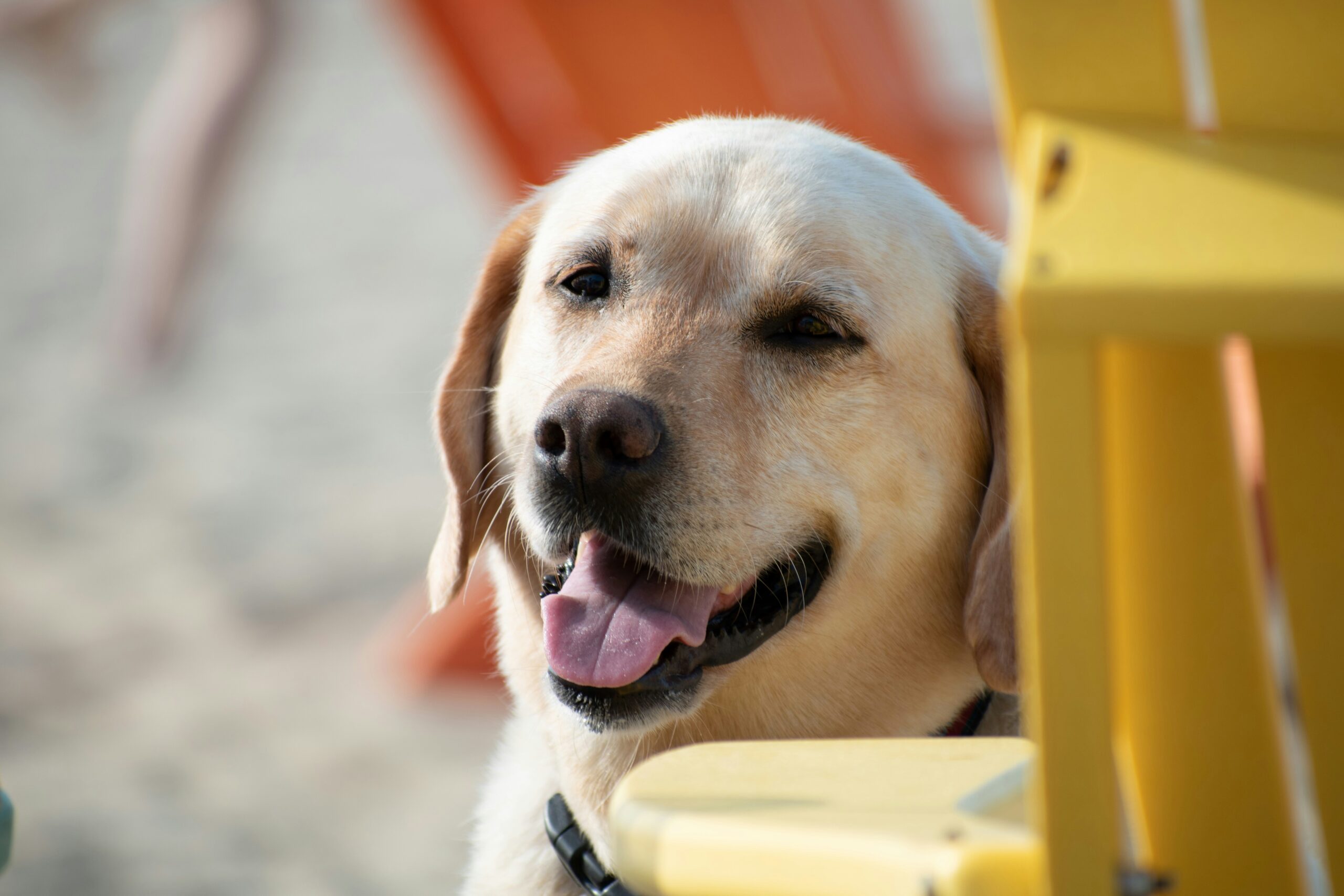
2. Labrador Retriever
Labrador Retrievers are famous family dogs, but their friendly reputation shouldn’t obscure their exercise needs.
Labs were developed as retrieving and sporting dogs. Many enjoy swimming, retrieving, walking, hiking, training, and interactive games.
A yard can make activities such as fetch convenient, but it isn’t a substitute for regular engagement.
A Labrador living without a yard may do perfectly well if their owner provides consistent outdoor exercise and enrichment.
The bigger concern is an inactive lifestyle.
A bored young Labrador may look for something to do, and that can include chewing household objects, stealing items, or creating their own games.
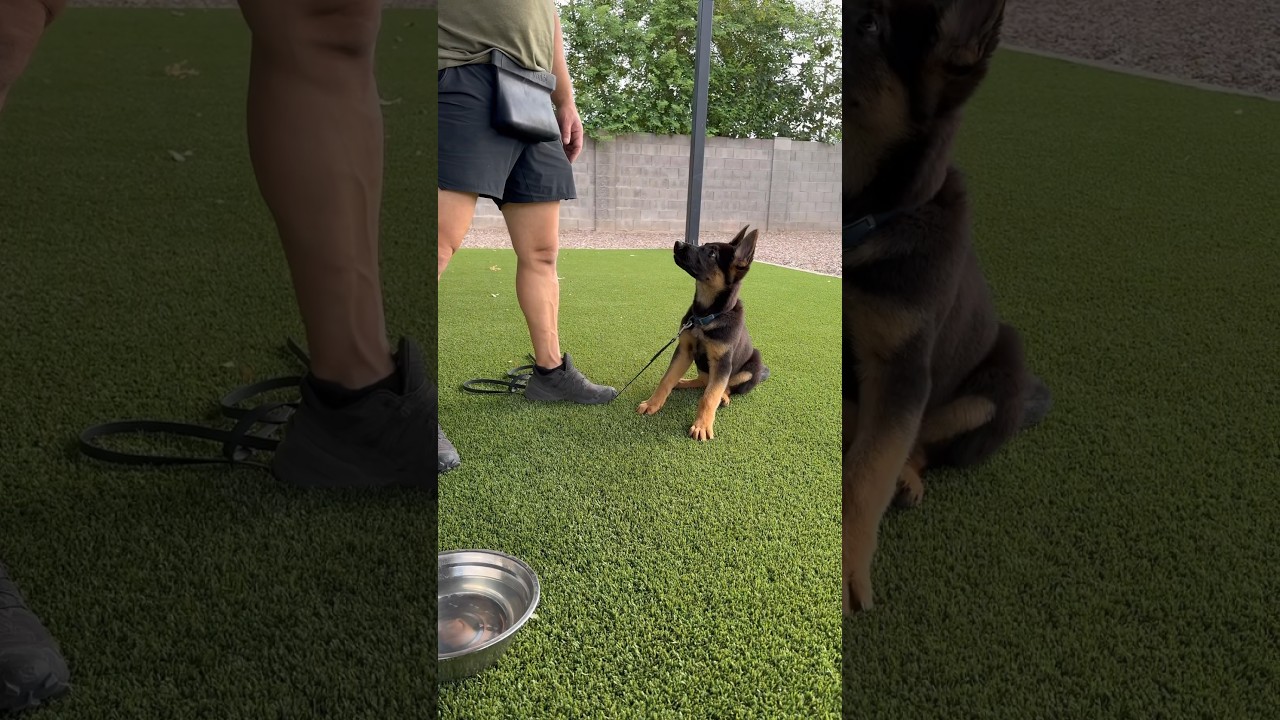
3. German Shepherd
German Shepherds are versatile working dogs with a history that includes herding and numerous modern working roles.
They tend to benefit from a combination of physical activity and mental challenges.
A secure yard can provide additional room for movement, training games, and play, but German Shepherds shouldn’t simply be left outside for hours with nothing to do.
Training, scent work, obedience exercises, structured walks, and interactive games can be equally important.
Without enough stimulation, some German Shepherds may become frustrated or develop unwanted behaviors.
If you don’t have a yard, you’ll need a realistic plan for meeting this breed’s activity and training needs.
4. Australian Shepherd
Australian Shepherds are energetic herding dogs that were developed to work closely with people.
They are often highly responsive and enjoy having something interesting to do.
A large yard can make games and outdoor activities easier, but the real challenge is meeting their need for both physical exercise and mental engagement.
Simply allowing an Australian Shepherd to run around a yard isn’t necessarily enough.
Training, trick work, scent games, herding activities, hiking, and interactive play can provide valuable outlets.
Apartment living may be possible for an individual Australian Shepherd, but an owner should be prepared for an active daily routine.
5. Border Collie
Border Collies are famous for their intelligence and working ability.
Their herding heritage means they often thrive when they have opportunities to use their brains as well as their bodies.
A yard can provide additional space for games, but it doesn’t automatically solve the needs of a Border Collie.
An enormous backyard with no interaction can still leave an intelligent dog bored.
Without sufficient enrichment, some Border Collies may develop behaviors such as excessive barking, chasing, obsessive movement, or attempts to control household activity.
Owners without yards should be prepared to invest heavily in training, exercise, scent work, dog sports, and other mentally engaging activities.
6. Belgian Malinois
The Belgian Malinois is one of the most demanding breeds on this list.
These athletic working dogs are used in various demanding roles because of their trainability, energy, and working drive.
A yard can offer space for play and training, but the breed’s needs go far beyond simply having somewhere to run.
Belgian Malinois generally require structured activity, training, socialization, and appropriate mental challenges.
An owner who doesn’t have a yard may need to be especially creative and consistent about providing those outlets.
This is a breed whose overall lifestyle requirements should be considered carefully before adoption—not simply its need for outdoor space.
7. Boxer
Boxers are playful, athletic dogs that often retain a youthful enthusiasm well into adulthood.
They enjoy interactive activities and can have plenty of energy, particularly when young.
A secure yard makes games such as fetch and supervised play convenient, but Boxers can also exercise through walks, training, hiking, and other activities.
Without sufficient activity, a bored Boxer may become overly excitable or destructive.
Another consideration is climate. Boxers have short coats and can be sensitive to temperature extremes, so outdoor exercise should always be adapted to weather conditions.
A yard can be useful, but an active owner can provide many of the same opportunities elsewhere.
8. Dalmatian
Dalmatians are athletic dogs with considerable stamina.
Their history as carriage dogs meant they were expected to travel alongside horses over long distances, contributing to the breed’s reputation for endurance.
A Dalmatian typically needs more activity than a short bathroom walk around the block.
A yard can provide extra room for play, but regular walks, running where appropriate, hiking, training, and interactive games may be necessary as well.
If a Dalmatian spends most of the day indoors with little exercise, excess energy can become a problem.
For households without a yard, planning daily physical activity should be a priority.
9. Vizsla
Vizslas are athletic sporting dogs that often enjoy being involved in whatever their humans are doing.
They were developed for hunting and field work, so many have significant exercise requirements.
A fenced yard can provide convenient space for supervised games, but a Vizsla generally needs more than occasional outdoor access.
Running, hiking, retrieving, scent work, training, and other appropriate activities can help provide outlets for their energy.
Vizslas are also known for being closely connected with their families, so owners should consider their social and companionship needs alongside their exercise requirements.
A yard-free home can work for some individuals, but an inactive household may be a poor match.
10. Rhodesian Ridgeback
Rhodesian Ridgebacks are athletic dogs with a history as hunting and farm dogs in southern Africa.
They can be independent, strong, and physically capable, making appropriate training and management important.
A secure yard can give a Ridgeback additional room to move, but it isn’t a substitute for purposeful exercise.
Regular walks, hiking, training, and controlled outdoor activities can provide valuable outlets.
Because of their athleticism and independence, owners without yards should have a reliable plan for providing safe exercise.
They also need secure handling outdoors because an unfenced environment may provide opportunities for a curious dog to wander.
11. Rottweiler
Rottweilers are powerful working dogs that historically performed tasks involving livestock and pulling carts.
Modern Rottweilers can be affectionate family companions, but they still benefit from regular physical and mental activity.
A fenced yard can make supervised play and training easier, particularly for a large dog.
However, simply putting a Rottweiler outside isn’t enough to meet its needs.
Obedience training, structured walks, interactive games, and appropriate enrichment are valuable parts of everyday life.
Owners without yards should also consider whether they have convenient access to safe walking areas and can comfortably manage a strong adult dog.
12. Weimaraner
Weimaraners are athletic sporting dogs known for their energy and distinctive gray coats.
They were developed for hunting, so physical activity and opportunities to explore can be particularly important.
A yard can provide a convenient place for supervised play, but Weimaraners generally need more than casual backyard access.
Long walks, hiking, retrieving games, scent activities, and training can help keep them occupied.
They can also be highly people-oriented, meaning exercise isn’t the only consideration. They need companionship and interaction with their families as well.
Without sufficient activity and attention, an under-stimulated Weimaraner may become difficult to manage.
13. Irish Setter
Irish Setters are energetic sporting dogs recognized for their beautiful red coats and athletic builds.
Their hunting heritage contributes to their need for regular exercise and opportunities to explore.
A yard can make active play easier, particularly when securely fenced, but it doesn’t eliminate the need for walks and other activities.
Irish Setters can benefit from retrieving games, hiking, training, and other appropriate forms of exercise.
Their energetic nature can be particularly challenging for owners who prefer a very low-activity lifestyle.
For households without a yard, the key question isn’t simply whether there is outdoor space—it’s whether the owner can consistently provide enough appropriate activity.
Does a Dog Actually Need a Yard?
Not necessarily.
This is one of the most important points to understand when choosing a dog.
A fenced yard is convenient, but it isn’t automatically a substitute for exercise, training, social interaction, or enrichment.
A dog living in a home with a yard can still be bored if nobody interacts with them.
Meanwhile, a dog living in an apartment may receive plenty of exercise and stimulation through walks, hiking, training, play, and enrichment.
The individual dog’s age, health, temperament, and energy level also matter.
How to Keep an Active Dog Happy Without a Yard
If you don’t have a yard but are interested in an energetic breed, consider building outdoor activity into your daily routine.
Take Longer Walks
Instead of focusing only on bathroom breaks, allow your dog opportunities to walk, sniff, explore, and experience different environments.
Try Hiking
For dogs that are physically suited to it, hiking can combine exercise and mental stimulation.
Always consider weather, terrain, fitness, and the dog’s individual abilities.
Use Scent Games
Searching for treats or toys can give dogs a chance to use their powerful sense of smell.
Short scent games can be particularly useful when outdoor exercise isn’t possible.
Practice Training
Obedience training and trick training can challenge a dog’s brain.
Even a few short sessions throughout the day can provide useful mental stimulation.
Consider Dog Sports
Depending on the breed and individual dog, activities such as agility, rally, scent work, dock diving, retrieving, or herding sports can provide structured outlets.
Arrange Safe Play
A compatible, well-supervised playmate can provide social and physical activity for dogs that genuinely enjoy playing with other dogs.
Not every dog needs or wants frequent dog-to-dog interaction, so let the individual dog’s behavior guide your choices.
Make Indoor Time Interesting
Puzzle feeders, food-search games, chew items, training sessions, and rotating enrichment activities can help prevent boredom when you’re spending more time indoors.
What Should You Consider Before Getting an Active Dog Without a Yard?
Ask yourself:
- How much time can I devote to exercise every day?
- Where will my dog get safe off-leash or controlled running opportunities?
- Can I provide mental stimulation?
- Do I enjoy hiking, walking, training, or dog sports?
- Can I handle a strong or energetic adult dog?
- How will I exercise the dog during extreme weather?
- What will happen if my schedule becomes busy?
- Can I afford professional training, dog walking, or daycare if necessary?
- Does the breed’s temperament fit my household?
If your answer to several of these questions is no, a very demanding working or sporting breed may not be the easiest match.
A Yard Is Helpful, But Lifestyle Matters More
The presence or absence of a yard is only one part of choosing the right dog.
A fenced yard can provide convenient space for play and outdoor time, but it doesn’t replace companionship, training, exercise, or enrichment.
Likewise, not having a yard doesn’t automatically rule out living with an energetic dog.
The better question is whether you can consistently meet the individual dog’s needs.
Final Thoughts
Siberian Huskies, Border Collies, Belgian Malinois, Vizslas, Weimaraners, and the other breeds on this list can be demanding because of their energy, athleticism, working instincts, or need for mental stimulation.
A yard may make some aspects of ownership easier, but it isn’t an absolute requirement for every dog on this list.
What matters most is having a realistic plan.
If you don’t have a yard, be prepared to provide exercise, enrichment, training, safe outdoor adventures, and plenty of interaction in other ways.
The best dog for your home isn’t necessarily the breed with the biggest yard. It’s the individual dog whose needs and temperament fit the lifestyle you can genuinely provide.





Leave a comment