



Puppies seem to have unlimited energy. One minute they’re sleeping peacefully, and the next they’re racing around the house, chasing a toy, investigating a corner, or trying to turn your shoelaces into their newest plaything.
That energy is a normal part of growing up—but puppies need more than simply being tired out.
Age-appropriate exercise and play support healthy physical development, provide mental enrichment, encourage good habits, and give you valuable opportunities to build a strong relationship with your puppy.
At the same time, puppies are still growing. Their bones, joints, muscles, coordination, and stamina are developing, so too much strenuous activity can be just as unhelpful as too little.
The goal is to provide the right kind of activity at the right intensity for your individual puppy.
Let’s look at why exercise and play matter and how you can keep your puppy active safely.
Why Exercise Matters for Puppies
Physical activity isn’t simply about burning off energy. A thoughtfully designed routine can contribute to several aspects of your puppy’s development.
1. Helps Support Healthy Growth
Regular movement helps puppies develop coordination, balance, and physical skills.
As puppies explore their surroundings, they learn how to navigate different surfaces, change direction, stop, start, and control their bodies.
However, growing puppies shouldn’t be pushed into intense endurance activities.
Long-distance running, repetitive jumping, or strenuous exercise may be inappropriate for a young puppy, particularly while their skeleton is still developing.
Your veterinarian can advise you about activities that are suitable for your puppy’s age, breed, and individual development.
2. Helps Maintain a Healthy Body Condition
Keeping your puppy at an appropriate body condition is important for long-term health.
Excess body weight places additional stress on growing joints and can contribute to health problems later in life.
Exercise is one part of maintaining a healthy body condition, but nutrition matters too. Feeding appropriate portions of a complete puppy diet and monitoring your puppy’s growth are equally important.
Don’t try to make a puppy lose weight through extra exercise without veterinary guidance.
3. Provides Mental Stimulation
Puppies don’t just need to move—they need to think.
A walk isn’t valuable only because your puppy is physically moving. All those new smells, sounds, sights, and surfaces provide information for their developing brains.
You can also incorporate mental challenges into playtime with:
- Food puzzles
- Sniffing games
- Simple training exercises
- Find-the-treat games
- Interactive toys
- Toy searches
- Basic scent games
Mental enrichment can be especially useful for puppies that become bored easily.
4. Helps Reduce Boredom
A puppy with nothing to do may invent its own entertainment.
Unfortunately, that entertainment could involve chewing furniture, digging at carpets, stealing socks, barking at everything, or investigating objects that aren’t safe.
Providing appropriate physical and mental activities gives your puppy better outlets for their natural curiosity.
However, don’t assume every unwanted behavior means your puppy needs more exercise. Puppies can also become overstimulated or overtired.
Sometimes the best solution is a nap.
5. Strengthens Your Bond
Playing with your puppy isn’t just fun.
It’s an opportunity to teach them that spending time with you is rewarding.
A simple game of fetch, a short training session, or exploring a safe outdoor area together can help build trust and communication.
Over time, your puppy learns that you are someone they can rely on for food, safety, guidance, play, and affection.
6. Supports Confidence and Social Development
Appropriate outings can expose puppies to new environments and experiences.
A puppy might encounter:
- Different sounds
- New surfaces
- Cars and bicycles
- Friendly people
- Household noises
- New smells
- Different environments
These experiences can contribute to confidence when introduced gradually and positively.
Socialization doesn’t mean forcing your puppy to interact with everyone or every dog they encounter. The goal is to help them feel comfortable around a variety of experiences.
Because vaccination requirements and disease risks vary, ask your veterinarian which public areas and dog interactions are appropriate for your puppy.
Safe Types of Exercise and Play for Puppies
There are many ways to keep a puppy active without turning exercise into an endurance workout.
1. Short, Gentle Walks
Walks provide both physical activity and mental enrichment.
Allow your puppy time to sniff and explore rather than treating every walk like a fitness session.
Keep walks appropriate for your puppy’s age and development, and increase activity gradually.
For puppies who aren’t yet fully vaccinated, speak with your veterinarian about safe alternatives for outdoor enrichment.
2. Free Play in a Safe Area
Supervised play in a puppy-proofed room, secure yard, or other suitable area allows your puppy to move at their own pace.
Let them investigate, change direction, play with toys, and take breaks when needed.
Free movement can also help puppies develop coordination naturally.
3. Fetch Games
A gentle game of fetch can be a great way to combine movement and play.
For young puppies, keep the game short and avoid repeatedly throwing a toy high into the air or encouraging hard stops and sharp turns.
The goal is fun—not exhausting your puppy.
4. Tug Games
Tug can provide physical activity and mental engagement when played appropriately.
Use a puppy-safe toy and teach your puppy that the game starts and stops on your cue.
There’s no need to yank aggressively or lift your puppy off the ground.
If your puppy becomes overly excited, pause the game and allow them to settle.
5. Sniffing Activities
Sniffing is an excellent form of mental enrichment.
Hide a few pieces of your puppy’s regular food around an appropriate area and encourage them to find them.
You can also use a properly designed snuffle mat or food puzzle under supervision.
These activities allow puppies to use their natural sense of smell while working their brains.
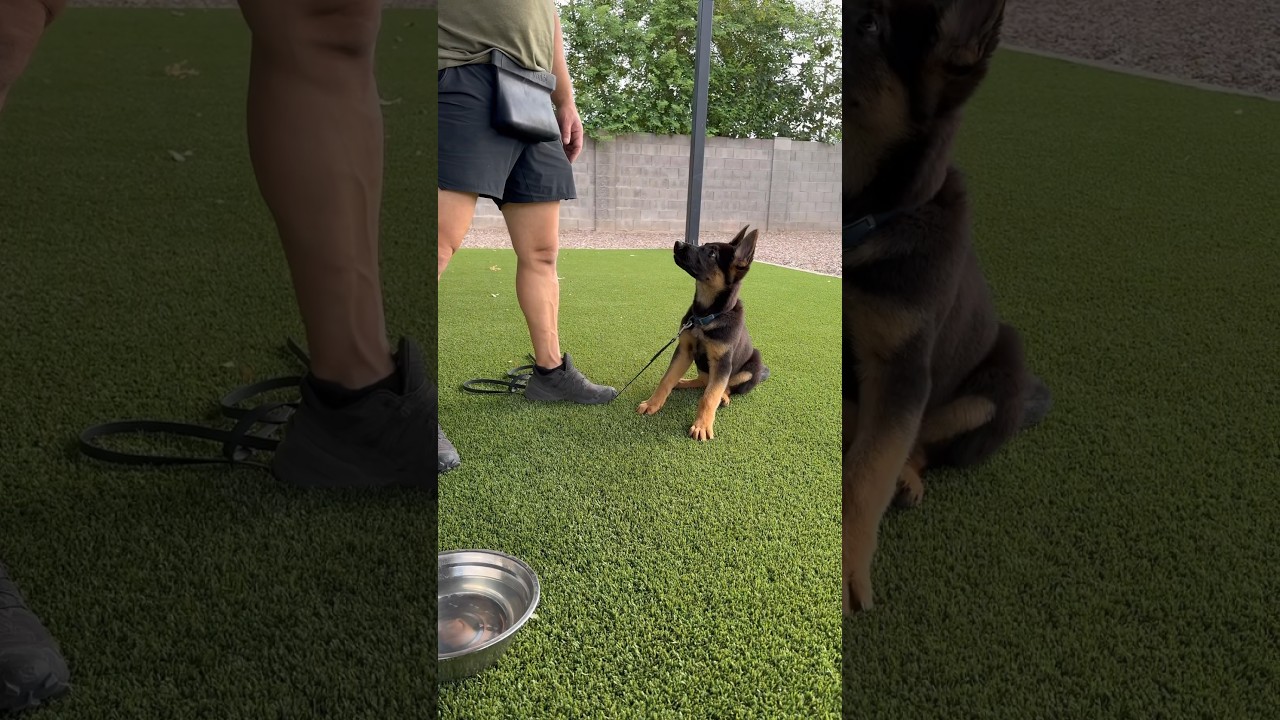
6. Basic Training
Training counts as mental exercise.
Teaching your puppy:
- Their name
- Sit
- Come
- Touch
- Leave it
- Down
- Settle
- Hand targeting
can provide useful mental stimulation.
Keep sessions short and positive.
A five-minute training session can be surprisingly tiring for a young puppy.
7. Gentle Water Activities
Some puppies enjoy swimming, but not every dog naturally knows how to swim safely.
If you introduce your puppy to water, use a controlled, shallow environment and supervise them continuously.
Never force a puppy into water.
A properly fitted canine life jacket can provide additional support in appropriate situations, but it does not replace supervision.
8. Puppy-Friendly Obstacle Games
You don’t need a professional agility course to make movement interesting.
You can create simple, low-impact activities using safe objects.
For example, your puppy can walk around cones, follow you through a hallway, step onto an appropriate stable surface, or navigate a simple toy-filled area.
Avoid high jumps and repetitive obstacles that put unnecessary stress on developing joints.
Formal agility training involving jumps and other demanding equipment should wait until your dog is physically mature enough, with guidance from a qualified trainer and veterinarian where appropriate.
Can Puppies Exercise Too Much?
Absolutely.
It’s easy to assume that a tired puppy is a happy puppy, but exhaustion isn’t the goal.
Young puppies are still developing physically, and excessive or repetitive exercise can place unnecessary stress on their developing bodies.
Watch for signs that your puppy needs a break:
- Falling behind during activity
- Excessive panting
- Reluctance to continue
- Sitting or lying down repeatedly
- Difficulty settling after activity
- Limping
- Stiffness
- Unusual tiredness
- Becoming unusually irritable
If your puppy appears painful, develops persistent lameness, or behaves unusually after exercise, stop the activity and contact your veterinarian.
Don’t Forget About Rest
Rest is one of the most important parts of a puppy’s routine.
Puppies sleep a lot because they’re growing and developing.
A puppy who becomes hyperactive, nippy, vocal, or unable to settle may not necessarily need another game. They may simply be overtired.
Create a quiet sleeping area where your puppy can rest without being constantly disturbed.
A healthy routine should contain a balance of:
Activity → food → training/play → rest → repeat
The exact schedule will change as your puppy grows.
How Much Exercise Does a Puppy Need?
There isn’t a single number of minutes that is appropriate for every puppy.
Exercise requirements can vary based on:
- Age
- Breed
- Adult size
- Health
- Temperament
- Development
- Environment
- Individual energy level
A young puppy may need several brief activity periods throughout the day, while an older puppy may gradually handle longer periods of appropriate activity.
Instead of following a rigid formula, pay attention to your puppy and increase activity gradually.
Your veterinarian can provide personalized guidance, especially for large-breed puppies or puppies with orthopedic or other health concerns.
Exercise Ideas for Different Puppy Personalities
The Energetic Puppy
Try combining short physical activities with mental challenges.
For example:
5 minutes of training → rest → sniffing game → rest → gentle play
This prevents you from relying solely on physical exercise to manage energy.
The Shy Puppy
Don’t immediately take a nervous puppy into a busy environment.
Start somewhere quiet and allow them to observe from a comfortable distance.
Reward calm behavior and gradually introduce new experiences.
The Curious Puppy
Use exploration as enrichment.
Let your puppy investigate safe objects, surfaces, smells, and environments at their own pace.
The Food-Motivated Puppy
Food puzzles and scent games can be excellent ways to provide mental stimulation while making mealtime more interesting.
The Toy-Loving Puppy
Use toys for short games of fetch, tug, chasing, and retrieving.
Always supervise toys that could break apart or be swallowed.
Exercise Isn’t the Only Answer to Behavioral Problems
When a puppy is chewing, barking, digging, or jumping, it can be tempting to assume they simply need more exercise.
Sometimes that’s true—but not always.
Unwanted behaviors can also be related to:
- Teething
- Lack of sleep
- Fear
- Frustration
- Overstimulation
- Hunger
- Attention-seeking
- Normal puppy exploration
- Inadequate training
For example, a puppy who becomes wild after a long play session may need a nap rather than another walk.
Learning to recognize the difference between under-stimulation and over-stimulation is an important part of puppy care.
A Simple Daily Activity Routine
Your puppy’s routine should be customized to their age and needs, but a day might look something like this:
| Time | Activity |
|---|---|
| Morning | Potty break, breakfast, gentle play |
| Mid-morning | Short training session and nap |
| Afternoon | Exploration, enrichment, or supervised play |
| Later afternoon | Rest and another brief training session |
| Evening | Gentle play, dinner, and family time |
| Before bed | Potty break and quiet settling |
The schedule doesn’t need to be exact.
Consistency is more important than following the clock perfectly.
Puppy Exercise Safety Tips
Keep these guidelines in mind whenever your puppy is active:
Avoid Extreme Heat
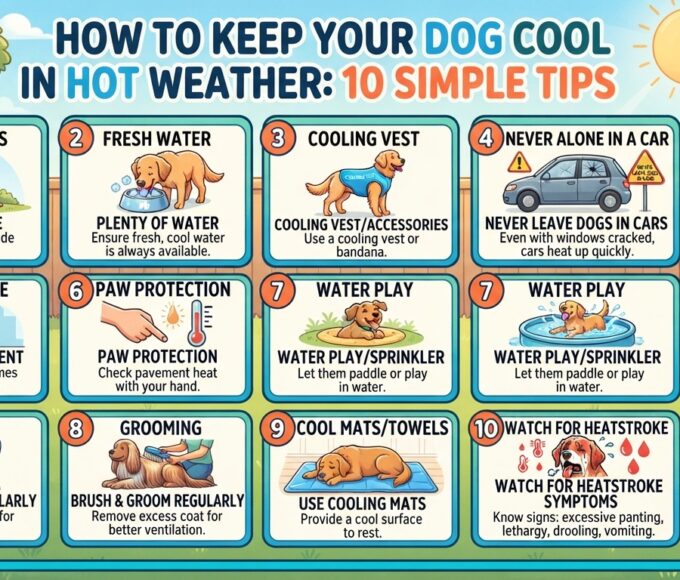
Puppies can struggle in hot conditions. During warm weather, choose cooler times of day and provide plenty of water.
Be Careful With Hard Surfaces
Repeated high-impact activity on hard surfaces may be inappropriate for developing puppies.
Avoid Forced Exercise
Don’t make a puppy keep walking or running after they are clearly tired.
Supervise Outdoor Play
Young puppies are curious and can quickly find dangerous objects.
Watch Their Paws
Hot pavement, sharp debris, ice, and rough surfaces can hurt sensitive paws.
Use Appropriate Equipment
A properly fitted harness may be more comfortable for many puppies during walks. Make sure collars and harnesses fit securely without restricting breathing or movement.
Introduce New Activities Gradually
A puppy doesn’t need to experience everything in one afternoon.
Slow introductions can help prevent fear and physical exhaustion.
Frequently Asked Questions
How much exercise does a puppy need each day?
There is no universal daily exercise requirement for every puppy. Age, breed, size, health, and individual development all matter. Several short periods of appropriate activity are often more suitable for young puppies than one long workout.
Can puppies go running with their owners?
Young puppies generally shouldn’t be taken on sustained running programs because their bodies are still developing. Wait until your dog is physically mature enough and ask your veterinarian when higher-impact exercise is appropriate.
Is playing fetch safe for puppies?
Gentle fetch can be enjoyable, but avoid excessive repetition, high jumps, abrupt stops, and very long sessions. Keep the game short and allow your puppy plenty of rest.
Can puppies swim?
Some puppies can learn to swim, but they should never be assumed to be naturally safe in water. Always supervise closely and introduce water gradually.
What happens if a puppy gets too much exercise?
A puppy may become unusually tired, reluctant to continue, stiff, sore, or develop lameness. If you notice persistent pain, limping, or significant changes in behavior, contact your veterinarian.
Does exercise stop puppies from chewing?
Exercise and enrichment may reduce boredom, but chewing is also normal puppy behavior, particularly during teething. Provide appropriate chew toys and supervise your puppy rather than expecting exercise alone to eliminate chewing.
Is mental stimulation as important as physical exercise?
Yes. Puppies need opportunities to explore, learn, sniff, solve simple problems, and interact with their environment. A balanced routine includes both physical and mental enrichment.
Final Thoughts
Exercise and play are essential parts of raising a healthy, confident puppy—but the objective isn’t to make your puppy as tired as possible.
The best approach combines age-appropriate movement, mental stimulation, play, training, socialization, and plenty of rest.
Keep activities short and positive, watch your puppy’s body language, and increase exercise gradually as they grow. Choose activities that match their developmental stage rather than simply their energy level.
Most importantly, make movement fun.
A few minutes of gentle play, a sniffing game, or a short training session can become more than exercise—it can be an opportunity to teach your puppy, build trust, and create memories together.
As your puppy grows into an adult dog, those healthy habits can become the foundation for an active and rewarding life.
This Article Was Generated By AI.





Leave a comment