




For some dogs, hearing the words “car ride” is enough to send them racing toward the door. Others would rather stay on solid ground.
Every dog is different, and a dog’s response to traveling can depend on its age, previous experiences, health, temperament, and how often it rides in a vehicle. However, certain breeds may have characteristics that make car travel more challenging.
Some dogs are more likely to struggle with motion sickness or anxiety, while others need special consideration because of their body shape, size, or breathing needs.
That doesn’t mean these breeds can’t enjoy road trips. With proper preparation, secure restraint, comfortable temperatures, regular breaks, and gradual training, many dogs can become much more confident travelers.
Here are 13 breeds that may benefit from extra attention during car rides.
1. Basset Hound
Basset Hounds are famous for their long ears, short legs, heavy bodies, and relaxed personalities. Their unique build can make getting comfortable inside a vehicle more challenging than it is for some other dogs.
Long journeys may also be tiring for a Basset Hound, particularly if they don’t have enough room to change positions.
How to make car rides easier
- Give your dog a stable, nonslip resting area.
- Use an appropriately fitted crash-tested harness or travel crate.
- Provide enough room for comfortable repositioning.
- Stop regularly on longer journeys.
- Watch for signs of nausea or discomfort.
If your Basset Hound frequently drools, vomits, pants excessively, or becomes distressed in the car, discuss the problem with your veterinarian.
2. Boxer
Boxers are energetic, playful dogs that often want to know what’s happening around them.
That enthusiasm can become restlessness when they’re confined inside a moving vehicle. A dog that hasn’t been gradually introduced to car travel may also become nervous.
Before a longer trip, give your Boxer an opportunity for appropriate exercise and mental stimulation. Avoid exhausting your dog immediately before travel, however, especially in warm weather.
Helpful travel tips
- Use a secure restraint.
- Bring a familiar blanket or toy.
- Keep the vehicle comfortably cool.
- Start with short trips.
- Reward calm behavior.
- Take breaks during longer journeys.
The goal is to teach your Boxer that getting into the car doesn’t always mean something stressful is about to happen.
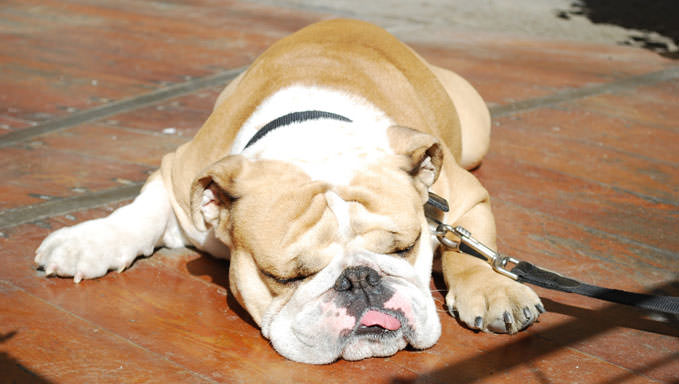
3. English Bulldog
English Bulldogs deserve particular attention when traveling because of their brachycephalic, or short-muzzled, anatomy.
Their shortened airways can make breathing more difficult, and heat and stress can increase the challenge. A poorly ventilated or hot vehicle can become dangerous very quickly.
Keep your Bulldog cool and comfortable
Use air conditioning when necessary, avoid unnecessary travel during extreme heat, and make sure your dog isn’t placed somewhere cramped or poorly ventilated.
Never leave an English Bulldog unattended in a parked vehicle, even if the windows are partially open.
If your dog develops severe breathing difficulty, weakness, collapse, or signs of overheating, seek emergency veterinary assistance immediately.
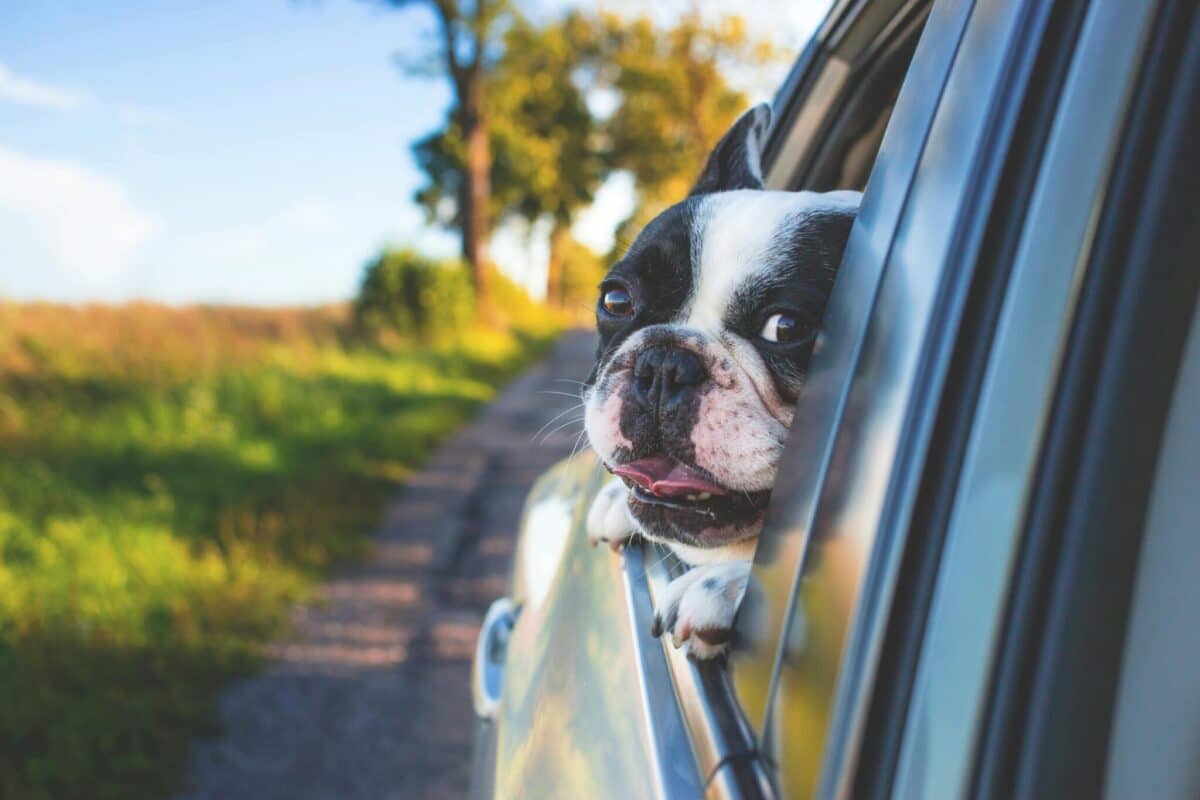
4. French Bulldog
French Bulldogs are another short-muzzled breed that requires careful temperature and ventilation management.
A Frenchie that becomes excited or anxious may pant more heavily, and excessive heat can put additional strain on breathing.
Before traveling, make sure your dog is safely restrained and has enough space to sit or lie comfortably.
For safer French Bulldog travel:
- Keep the vehicle cool.
- Avoid traveling during the hottest part of the day when possible.
- Never leave your dog alone inside a parked car.
- Use a secure harness or appropriately sized crate.
- Take regular breaks on longer journeys.
- Monitor breathing and behavior throughout the trip.
If your French Bulldog already has significant breathing problems, ask your veterinarian about travel precautions before taking a long journey.
5. Great Dane
Great Danes are gentle giants, but their enormous size creates an obvious transportation challenge.
A vehicle that feels spacious to a Labrador may be surprisingly cramped for a Great Dane.
Before planning a long trip, consider whether your vehicle provides enough room for your dog to stand, turn around, lie down, and remain safely restrained.
Making travel easier for a Great Dane
Choose a suitable vehicle setup with plenty of floor space and a comfortable, nonslip surface.
Older Great Danes or dogs with joint problems may also appreciate extra cushioning and regular opportunities to get out, stretch, and walk.
Don’t allow a giant breed to ride loose in the vehicle. Their size can make an unsecured dog especially dangerous during sudden braking or a collision.
6. Chihuahua
Chihuahuas may be tiny, but their small size doesn’t make car safety less important.
In fact, a loose Chihuahua can be particularly vulnerable to being thrown around during sudden braking or a collision.
Some Chihuahuas may also become nervous when traveling, particularly if they haven’t had many positive experiences with vehicles.
Keep a Chihuahua secure
A properly sized, secured travel carrier can provide a comfortable and protected space. A crash-tested harness may also be appropriate depending on the individual dog and vehicle setup.
Don’t allow your Chihuahua to ride on your lap while you’re driving.
A familiar blanket, quiet environment, and gradual exposure to short trips can help build confidence.
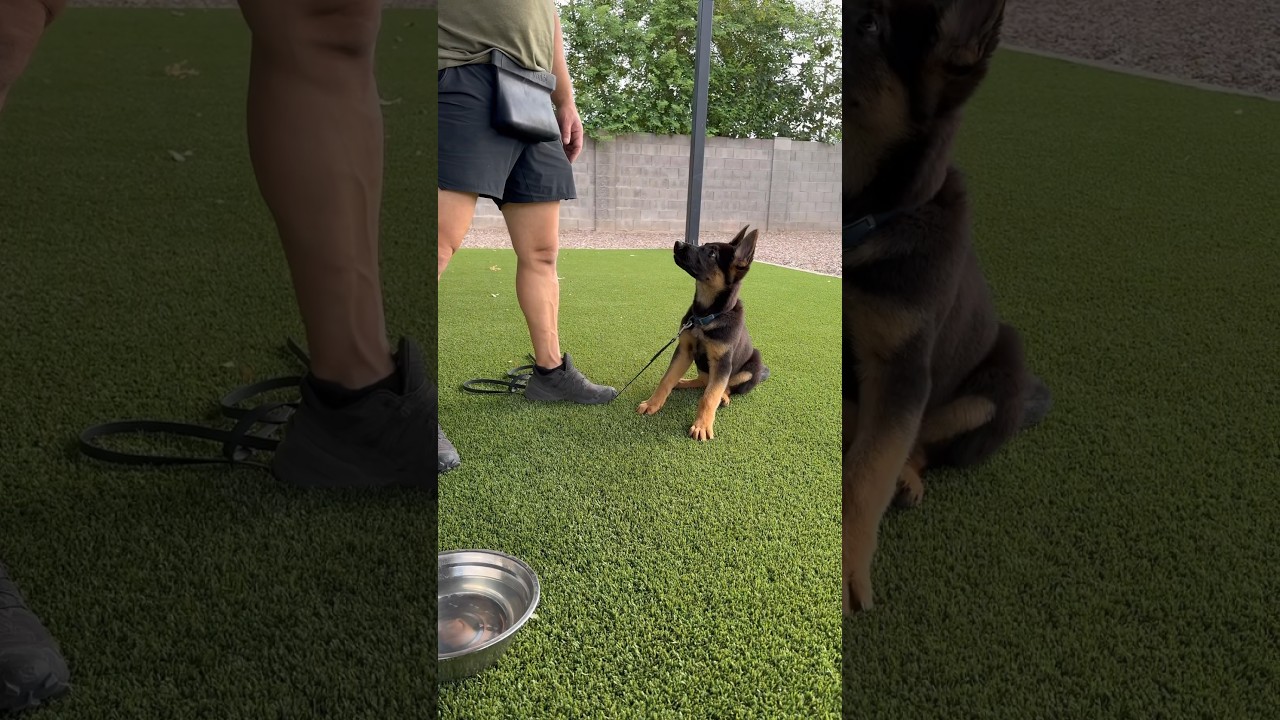
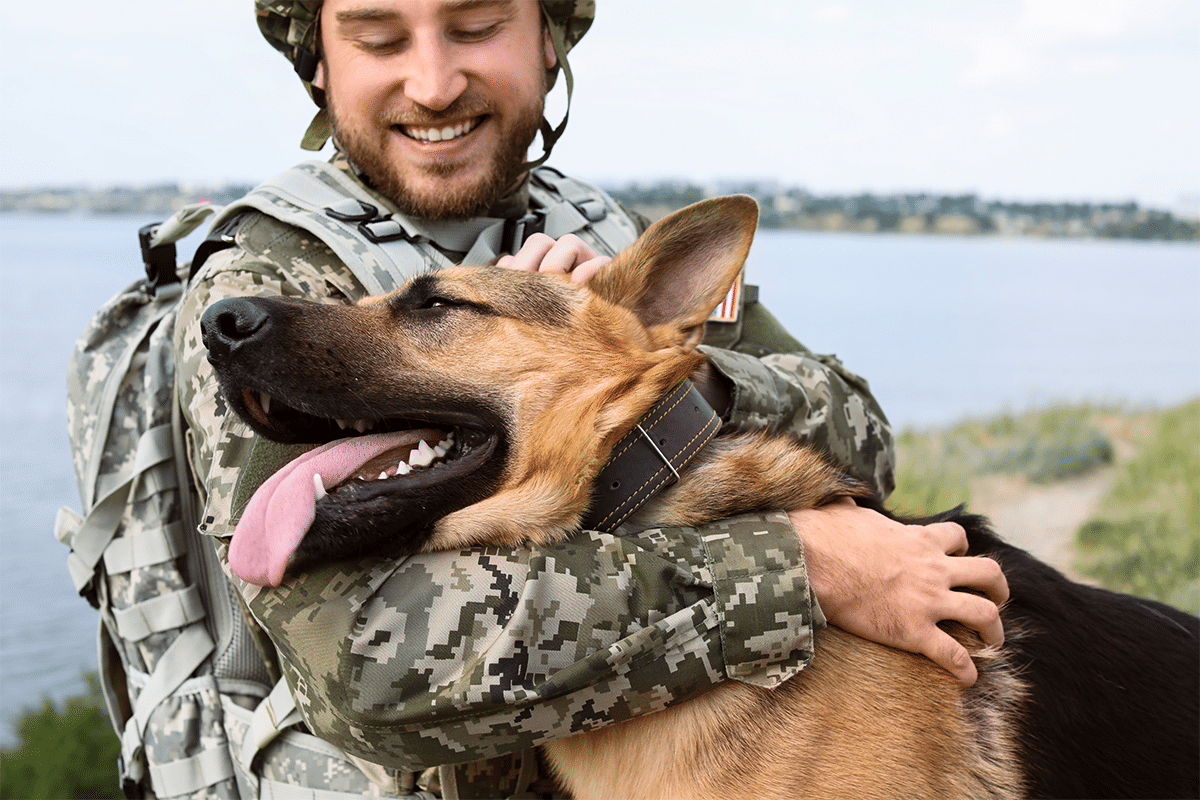
7. German Shepherd
German Shepherds are intelligent, active dogs that often enjoy accompanying their families.
However, some may become stressed during car travel, especially if they associate vehicles with unpleasant experiences such as veterinary visits.
Their size also means they require a properly planned travel space.
Before a long trip
Practice with short journeys first.
For example:
- Let your dog sit in the stationary vehicle.
- Reward calm behavior.
- Take a very short drive.
- Return home and provide a positive experience.
- Gradually increase the length of trips.
This approach can help your German Shepherd build a positive association with the vehicle.
8. Cavalier King Charles Spaniel
Cavalier King Charles Spaniels are affectionate companion dogs that often enjoy being close to their families.
However, some Cavaliers can experience motion sickness, nervousness, or discomfort while traveling.
Their relatively small size also means they should never be allowed to ride loose inside a vehicle.
A secure carrier or properly fitted travel harness can help keep them protected.
Make the journey comfortable
Bring a familiar blanket or toy and keep the environment calm. Avoid feeding a large meal immediately before traveling if your dog is prone to motion sickness, but don’t make major feeding changes without discussing them with your veterinarian.
If your Cavalier repeatedly vomits or becomes extremely distressed during car rides, ask your veterinarian about possible causes and appropriate treatment.
9. Shih Tzu
Shih Tzus have short muzzles and can be sensitive to heat, making temperature management particularly important during car journeys.
Their long coats can also make warm environments uncomfortable.
Keep the vehicle cool and make sure your dog isn’t exposed to excessive heat during stops.
Shih Tzu travel checklist
- Secure your dog properly.
- Keep the cabin comfortably cool.
- Avoid leaving your dog unattended in the vehicle.
- Bring fresh water.
- Schedule breaks on longer trips.
- Monitor breathing and signs of overheating.
- Keep grooming appropriate for the dog’s coat and climate.
If your Shih Tzu has known respiratory problems, discuss travel plans with your veterinarian.
10. Dachshund
Dachshunds have one of the most recognizable body shapes in the dog world: a long back combined with short legs.
That unique structure means owners should take particular care when transporting them.
The biggest priority is reducing unnecessary jumping and providing a secure travel arrangement.
Protect your Dachshund’s back
Don’t encourage your Dachshund to repeatedly jump in and out of a tall vehicle.
For some dogs, a suitable ramp can make getting into and out of a vehicle easier. During travel, use a properly fitted harness or a secure carrier that prevents excessive movement.
On longer journeys, regular breaks allow your Dachshund to walk around gently rather than remaining in one position for hours.
If your dog has a history of back problems, ask your veterinarian about the safest transportation setup.
11. Pug
Pugs are affectionate, entertaining companions, but their short-muzzled anatomy means owners need to take heat and breathing seriously.
Stress, excitement, and high temperatures can all contribute to heavier breathing.
A cool, well-ventilated vehicle is essential.
Avoid scheduling unnecessary car trips during very hot weather, and never leave your Pug unattended inside a parked vehicle.
Watch for warning signs
Pay attention to:
- Excessive or worsening panting
- Difficulty breathing
- Weakness
- Unusual lethargy
- Excessive drooling
- Confusion
- Collapse
Signs of heat-related illness can become serious quickly, so seek veterinary help if your dog appears to be overheating.
12. Cocker Spaniel
Cocker Spaniels are often enthusiastic and people-oriented, but individual dogs can respond differently to car travel.
Some may experience motion sickness, while others become anxious when they hear the engine start.
Their long, floppy ears also deserve routine care, although a car ride itself isn’t necessarily a cause of ear disease.
Help your Cocker Spaniel enjoy the ride
Use gradual exposure if your dog is nervous. Start with sitting in the parked vehicle, then progress to short drives.
A secure harness or crate, familiar bedding, and a calm environment can make the experience more predictable.
If your dog regularly becomes sick during trips, consult your veterinarian rather than relying on unverified calming products or medications.
13. Bichon Frise
Bichon Frises are small companion dogs that often enjoy spending time with their owners.
However, some individuals may become nervous in unfamiliar situations, including traveling in a moving vehicle.
Because of their small size, a properly secured carrier or travel harness is especially important.
Their fluffy coats can also pick up dirt and debris during outdoor stops, so bringing a towel and basic grooming supplies can be useful.
Why Any Dog Can Struggle With Car Travel
Although certain breeds may have characteristics that require extra consideration, breed isn’t the only factor.
A Labrador can hate car rides.
A Chihuahua can love them.
A Great Dane may sleep peacefully through a six-hour journey.
An individual dog’s previous experiences, age, temperament, health, and training can make a much bigger difference than breed alone.
That’s why it’s better to observe your own dog’s behavior instead of assuming they’ll react a certain way based solely on their breed.
How to Make Car Rides Safer for Any Dog
Regardless of breed, several basic practices can make traveling safer.
Use a Proper Restraint
Never allow your dog to roam freely around the passenger compartment.
Use an appropriate travel crate, secured carrier, or crash-tested harness designed for vehicle use.
Don’t attach a seat-belt system to a collar. A properly fitted harness is generally a safer option for restraint.
Keep Your Dog Out of the Front Seat
Airbags are designed for human passengers and can seriously injure a small dog.
The back seat or an appropriately secured cargo area is generally a safer location, depending on your vehicle and restraint system.
Never Leave a Dog in a Parked Car
Even when the weather doesn’t seem extremely hot, temperatures inside a parked vehicle can rise rapidly.
Cracking the windows does not make leaving a dog unattended safe.
If you need to leave the vehicle, take your dog with you when it is safe and permitted.
Take Regular Breaks
On longer journeys, stop periodically so your dog can:
- Stretch
- Walk
- Drink water
- Use the bathroom
- Sniff and explore safely
Always keep your dog securely leashed when outside an unfamiliar vehicle or location.
Don’t Let Dogs Hang Their Heads Out the Window
The classic image of a dog enjoying the breeze through an open car window may look adorable, but it can be dangerous.
Flying debris can injure the eyes and face, and a dog could potentially fall or jump from the vehicle.
Keep windows positioned so your dog cannot escape.
What to Pack for a Dog Road Trip
A little preparation can make a huge difference.
Pack:
- Food
- Fresh water
- Bowls
- Leash and harness
- Identification tags
- Waste bags
- Familiar bedding
- Appropriate toys
- Towels
- Grooming supplies
- Any prescribed medication
- Veterinary records when appropriate
- First-aid supplies
- Cleaning supplies
- Emergency contact information
For longer journeys, bring more food and water than you expect to need in case of unexpected delays.
Signs Your Dog Isn’t Comfortable in the Car
Dogs don’t always communicate discomfort in obvious ways.
Watch for:
- Excessive drooling
- Lip licking
- Yawning
- Panting
- Whining
- Trembling
- Restlessness
- Repeated swallowing
- Vomiting
- Attempts to escape
- Hiding
- Unusual agitation
These signs can have different causes, including anxiety and motion sickness.
If they happen repeatedly, talk to your veterinarian about your dog’s individual situation.
Frequently Asked Questions
Which dog breeds are most difficult to travel with?
There isn’t a universal ranking of breeds that are hardest to travel with. Individual temperament and previous experience matter greatly. However, dogs with short muzzles, very large bodies, certain physical limitations, or a tendency toward motion sickness may require additional planning.
How can I help my dog overcome car anxiety?
Start with very short, positive experiences. Allow your dog to sit in the stationary vehicle, then gradually introduce short drives. Reward calm behavior and increase the journey length slowly.
Should I feed my dog before a car ride?
Some dogs experience motion sickness after eating. If your dog regularly becomes nauseated during travel, ask your veterinarian about appropriate meal timing and other strategies.
Can my dog ride in my lap?
It’s safest not to allow a dog to ride on the driver’s lap or roam freely around the vehicle. A properly secured crate, carrier, or vehicle-rated harness provides much better protection.
How often should I stop during a long road trip?
The ideal schedule depends on your dog’s age, health, bladder control, and individual needs. On long journeys, regular stops for water, bathroom breaks, and gentle movement are important.
What should I do if my dog gets carsick?
Speak with your veterinarian, especially if vomiting happens regularly. Your veterinarian can help determine whether motion sickness, anxiety, or another issue is contributing and can recommend appropriate treatment.
Final Thoughts
A successful road trip isn’t about having a dog that naturally loves the car. It’s about creating a travel environment where your dog can remain safe and comfortable.
Some breeds may need additional consideration because of their size, body structure, breathing characteristics, or temperament, but every dog deserves individualized care.
Secure your dog properly, keep the vehicle at a comfortable temperature, avoid leaving them unattended, take regular breaks, and introduce car travel gradually when necessary.
With the right preparation, even a dog that isn’t naturally enthusiastic about road trips can learn that getting into the car doesn’t have to be stressful—and may eventually become excited when they hear those famous words: “Want to go for a ride?”
This Article Was Generated By AI.





Leave a comment