




Bringing a puppy home is an exciting milestone. Those tiny paws, curious eyes, and playful bursts of energy can quickly become the highlight of your day. But while puppyhood is full of adorable moments, it also comes with plenty of responsibility.
A young puppy needs more than food and affection. They need appropriate nutrition, veterinary care, sleep, exercise, training, socialization, grooming, and a safe environment where they can learn and grow.
The good news is that you don’t have to get everything perfect from day one. With a predictable routine, positive training, and plenty of patience, you can give your new puppy a strong foundation for a healthy and confident life.
Here is a practical guide to caring for your puppy during those important early months.
1. Feed a Puppy-Appropriate Diet
Nutrition plays an important role in your puppy’s growth and development.
Puppies generally need food formulated specifically for their life stage because growing dogs have different nutritional requirements from adult dogs. Large- and giant-breed puppies may also have different nutritional needs from small breeds.
When choosing puppy food, look for a complete and balanced diet appropriate for your puppy’s age, expected adult size, and individual needs.
How much should a puppy eat?
There isn’t one portion size that works for every puppy.
The appropriate amount depends on factors such as:
- Age
- Breed and expected adult size
- Current weight
- Activity level
- Type of food
- Growth rate
- Individual health needs
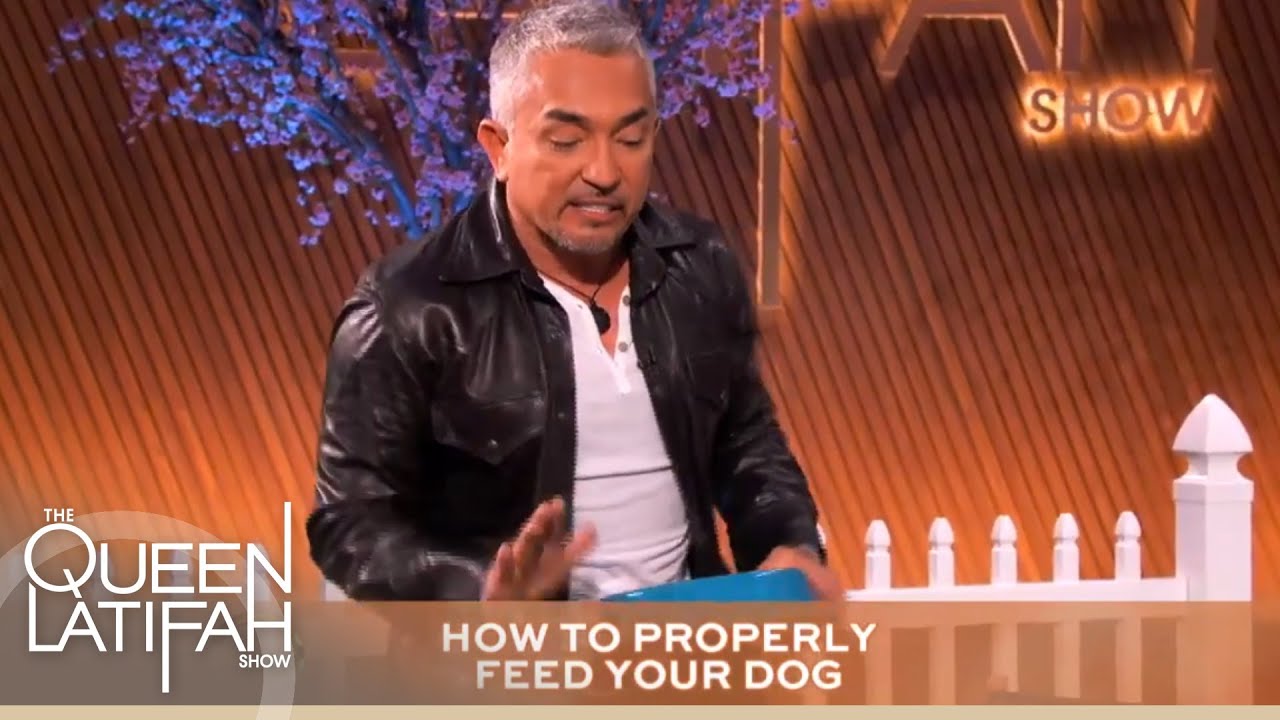
Follow the feeding guidance on the food packaging and discuss your puppy’s portions with your veterinarian. Your puppy’s body condition and growth should also be monitored rather than relying only on a measuring cup.
Overfeeding can contribute to excessive weight gain, while inadequate nutrition can interfere with healthy growth.
Keep Fresh Water Available
Your puppy should have access to clean, fresh water throughout the day.
Wash their water bowl regularly and check it frequently, especially during hot weather or after active play.
If you notice a significant change in your puppy’s drinking habits, particularly when accompanied by other symptoms, contact your veterinarian.
2. Create a Safe Puppy-Proofed Home
Before your puppy arrives, look at your home from a puppy’s perspective.
Anything within reach could potentially become a chew toy.
Secure or remove:
- Electrical cords
- Cleaning products
- Medications
- Small objects
- Toxic plants
- Food that is unsafe for dogs
- Easily swallowed children’s toys
- Loose wires
- Accessible trash cans
Use baby gates or puppy gates if you need to restrict access to certain rooms.
A crate or puppy-safe area can also provide your new companion with a quiet place to rest, provided it is introduced positively and never used as punishment.
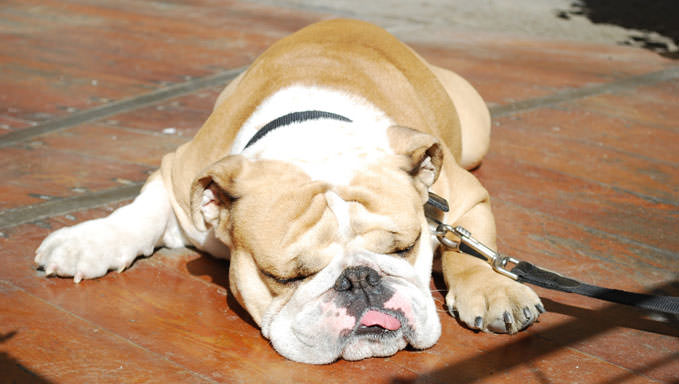
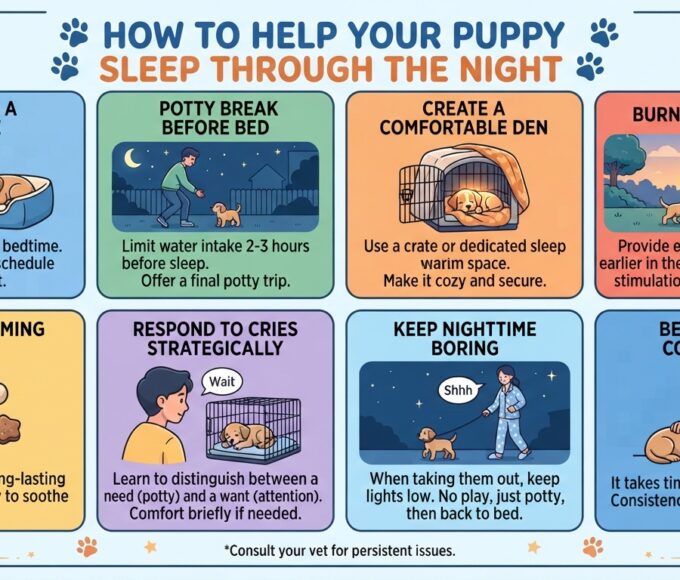
3. Give Your Puppy Plenty of Sleep
One of the most overlooked parts of puppy care is sleep.
Young puppies can sleep for many hours throughout the day because their bodies and brains are developing rapidly. A puppy that suddenly becomes wild, mouthy, or unable to settle may sometimes simply be overtired.
Provide a comfortable, quiet sleeping area where your puppy can rest without constant interruptions.
Don’t feel as though you need to entertain your puppy every minute they’re awake.
Learning to relax is an important skill, too.
4. Exercise at the Right Level
Puppies are energetic, but more exercise isn’t always better.
Their bones, joints, muscles, and coordination are still developing. The appropriate amount of physical activity varies according to age, breed, size, health, and individual development.
Instead of pushing your puppy through long or strenuous workouts, offer several opportunities for gentle activity throughout the day.
Good options can include:
- Short walks when appropriate
- Gentle games
- Exploring safe areas
- Supervised play
- Basic training
- Sniffing activities
- Age-appropriate puzzle toys
Avoid forcing a tired puppy to continue exercising.
Your veterinarian can help you determine what types and amounts of exercise are appropriate for your puppy.
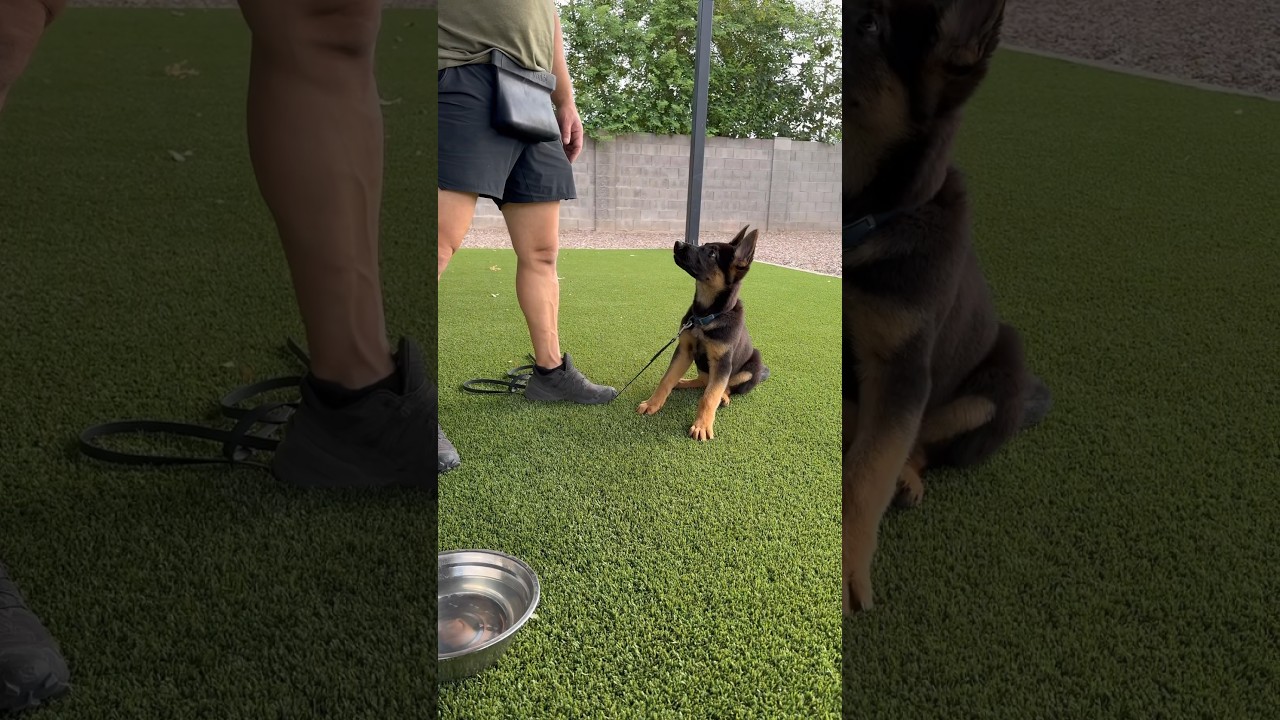
5. Start Training From Day One
You don’t need to wait until your puppy is several months old before beginning training.
In fact, simple training can start as soon as your puppy arrives home.
Begin with easy skills such as:
- Responding to their name
- Sitting
- Coming when called
- Waiting briefly
- Walking politely on a leash
- Going to a designated potty area
- Settling on a bed or mat
Use Positive Reinforcement
Reward behaviors you want to see again.
Depending on your puppy, rewards can include:
- Small treats
- Praise
- Toys
- Play
- Petting
- Access to something they enjoy
Keep training sessions short and upbeat. Several short sessions are often more effective than one long session that leaves your puppy tired or frustrated.
6. Make Potty Training Part of the Daily Routine
House training can take time, and accidents are normal during puppyhood.
Take your puppy to their designated toilet area regularly, especially:
- After waking up
- After eating
- After drinking
- After playing
- Before bedtime
- After periods of excitement
When your puppy eliminates in the correct place, reward them immediately.
If an accident happens indoors, clean the area thoroughly to remove lingering odors. Avoid punishment, yelling, or rubbing your puppy’s nose in the mess.
Your puppy isn’t being deliberately disobedient. They are still learning how their body works and what you expect from them.
7. Prioritize Safe Socialization
Socialization is about much more than meeting lots of dogs.
A well-socialized puppy gradually learns that different people, sounds, surfaces, environments, handling experiences, and everyday situations are nothing to fear.
You might gradually introduce your puppy to:
- Different household sounds
- Friendly people
- Different flooring surfaces
- Car rides
- Grooming equipment
- Collars and harnesses
- Veterinary handling
- New environments
- Well-managed interactions with suitable dogs
Keep experiences positive and age-appropriate.
Don’t Force Interaction
If your puppy appears frightened, overwhelmed, or wants to move away, give them space.
Socialization should build confidence, not force a puppy into situations that scare them.
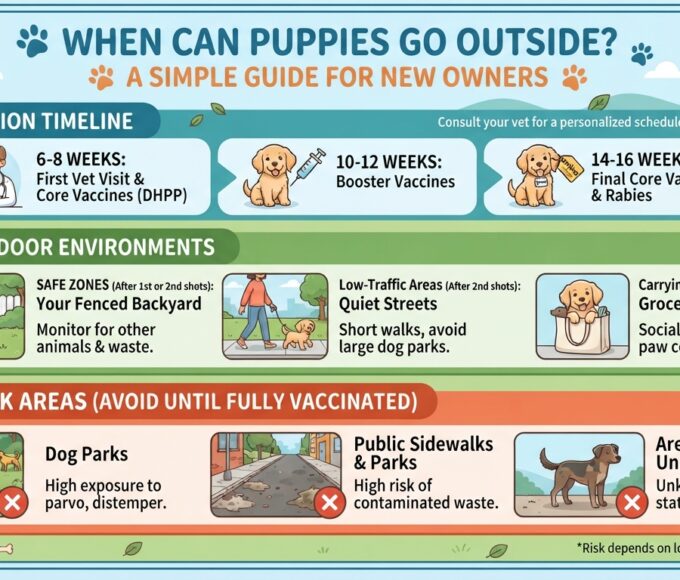
Because puppies may not yet have completed their vaccination series, ask your veterinarian about local disease risks and safe ways to socialize your puppy before visiting places where many unknown dogs gather.
8. Schedule Veterinary Care
One of the first priorities after bringing home a puppy should be arranging a veterinary appointment.
Your veterinarian can assess your puppy’s general health and develop an appropriate care plan.
Depending on your puppy’s age and circumstances, veterinary care may include:
- Vaccinations
- Parasite prevention
- Deworming
- Weight monitoring
- Nutrition advice
- Dental care
- Microchipping
- Spay/neuter discussions
- Breed-specific health considerations
Puppies often need several veterinary visits during their first year, so follow the schedule recommended by your veterinarian.
9. Get Your Puppy Comfortable With Grooming
Grooming isn’t just about making your puppy look adorable.
Regular grooming can help maintain coat condition and gives you an opportunity to check your puppy’s skin, ears, paws, and nails.
Start slowly by introducing:
- Gentle brushing
- Paw handling
- Ear checks
- Nail handling
- Tooth brushing
- Bathing
- Being touched around the face and body
Reward calm behavior during these sessions.
If your puppy becomes frightened, take a step back and make the experience easier. For puppies that require specialized grooming, working with a professional groomer can be helpful.
10. Begin Dental Care Early
Puppies eventually develop adult teeth, making early dental habits worthwhile.
Introduce tooth brushing gradually with a dog-safe toothbrush and toothpaste recommended for dogs.
Never use human toothpaste unless your veterinarian specifically tells you it is appropriate.
Start by allowing your puppy to become comfortable with having their mouth and lips gently handled. Then gradually introduce the toothbrush.
Building the habit early can make dental care much easier as your dog grows.
11. Teach Your Puppy How to Be Alone
Puppies naturally want to stay close to their people.
However, they also need to learn that being alone for reasonable periods is safe.
Start with very short separations and gradually increase the time when your puppy remains comfortable.
A puppy-safe area containing a comfortable bed and an appropriate enrichment toy can help create a positive experience.
If your puppy shows intense distress whenever you leave, speak with your veterinarian or a qualified behavior professional rather than simply allowing the problem to escalate.
12. Give Your Puppy Mental Stimulation
A tired brain can be just as important as a tired body.
Puppies are naturally curious and need opportunities to investigate, learn, and solve simple problems.
Try:
- Food puzzles
- Sniffing games
- Basic obedience exercises
- Finding hidden treats
- Short training sessions
- Appropriate chew toys
- Simple scent games
Mental stimulation can also make everyday training more enjoyable.
13. Choose Safe Chew Toys
Chewing is a normal part of puppy development.
Instead of expecting your puppy never to chew, give them appropriate alternatives.
Keep several safe toys available and redirect your puppy when they begin chewing something they shouldn’t.
Inspect toys regularly and remove anything that becomes damaged or small enough to swallow.
Don’t assume that every commercially available chew is automatically safe for every puppy. Your veterinarian can help you choose suitable options based on your puppy’s age, size, and chewing habits.
14. Build a Predictable Daily Routine
Puppies tend to benefit from consistency.
A simple routine might include:
| Part of the Day | Possible Activity |
|---|---|
| Morning | Potty break, meal, gentle play |
| Mid-morning | Training and nap |
| Afternoon | Potty break, enrichment, supervised play |
| Evening | Meal, short walk or play, training |
| Before bed | Potty break and quiet time |
The exact schedule will vary according to your puppy’s age and needs.
A routine helps your puppy understand what to expect and can make potty training, feeding, sleeping, and training easier to manage.
15. Teach Good Behavior Through Redirection
Puppies naturally explore with their mouths and bodies.
They may:
- Jump on people
- Grab socks
- Bite during play
- Steal objects
- Bark for attention
- Dig
- Chew furniture
Instead of focusing only on what your puppy shouldn’t do, show them what they can do.
For example, if your puppy grabs a shoe, calmly exchange it for an appropriate toy. When your puppy chooses the toy, reward them.
This teaches the puppy what behavior earns positive attention.
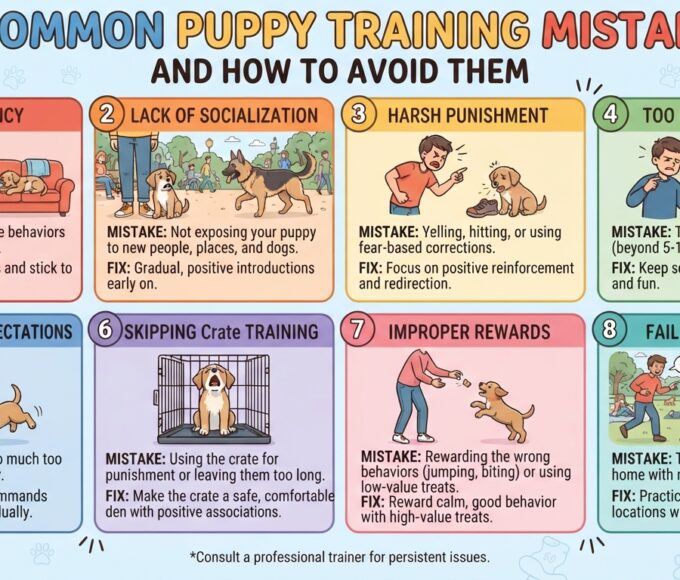
Common Puppy Care Mistakes to Avoid
Even experienced owners can make mistakes when raising a puppy.
Try to avoid:
Expecting Too Much Too Soon
A puppy won’t understand every household rule immediately. Learning takes repetition.
Using Punishment
Harsh punishment can create fear and damage trust. Reward-based training provides a clearer way to teach desired behaviors.
Skipping Socialization
Limited exposure during puppyhood can make new experiences more difficult later.
Overexercising
Growing puppies need activity, but excessive or inappropriate exercise can place unnecessary stress on developing bodies.
Ignoring Small Health Changes
Changes in appetite, energy, stool, breathing, behavior, or other normal patterns may deserve attention, particularly if they are sudden or persistent.
Giving Too Much Freedom
A puppy with unrestricted access to the entire house can quickly get into trouble. Gradually expand their freedom as they demonstrate reliable behavior.
Frequently Asked Questions About New Puppy Care
How often should I feed my puppy?
Many young puppies need multiple meals throughout the day, but the ideal schedule depends on age, size, breed, and individual needs. Follow the food manufacturer’s guidance and your veterinarian’s recommendations.
When should puppy training begin?
Basic training can begin as soon as your puppy comes home. Start with simple skills and use short, positive sessions.
How much exercise does a puppy need?
There isn’t one universal exercise requirement for all puppies. Age, breed, size, health, and development all matter. Your veterinarian can help you create an appropriate activity plan.
How often should I bathe my puppy?
Puppies generally don’t need frequent baths unless they become dirty or your veterinarian recommends bathing for a specific reason. Over-bathing can contribute to skin irritation in some dogs.
How can I stop my puppy from biting?
Puppy mouthing is common. Redirect biting toward an appropriate toy, avoid encouraging rough hand play, and reward calm interactions. If biting becomes unusually intense or concerning, seek guidance from a qualified trainer or veterinary behavior professional.
How do I help my puppy settle into a new home?
Keep the first few days relatively calm. Establish predictable meal, potty, sleep, and play routines, provide a safe resting area, and give your puppy time to explore gradually.
When should I take my new puppy to the vet?
Arrange an initial veterinary visit soon after bringing your puppy home. Your veterinarian can establish a vaccination, parasite prevention, nutrition, and general health plan based on your puppy’s individual needs.
New Puppy Care Checklist
Before settling into puppy life, make sure you have:
- ☐ Complete puppy food
- ☐ Food and water bowls
- ☐ Comfortable sleeping area
- ☐ Puppy-safe toys
- ☐ Appropriate chew toys
- ☐ Collar and identification
- ☐ Properly fitted harness and leash
- ☐ Crate or puppy-safe area if needed
- ☐ Grooming supplies
- ☐ Dog-safe toothbrush and toothpaste
- ☐ Cleaning supplies for accidents
- ☐ Veterinary appointment
- ☐ Plan for vaccinations and parasite prevention
- ☐ Puppy-proofed home
- ☐ Daily routine
Final Thoughts
Caring for a new puppy is a learning experience for both you and your dog.
Your puppy doesn’t need a perfect owner. They need someone who is patient, consistent, attentive, and willing to learn. Focus on the basics: nutritious food, appropriate exercise, plenty of sleep, veterinary care, positive training, safe socialization, grooming, and lots of healthy interaction.
There will be accidents, chewed belongings, sleepless nights, and moments when you wonder whether your puppy is ever going to calm down.
Then they’ll curl up beside you, learn a new command, greet you with a wagging tail, or discover something fascinating in the backyard—and you’ll remember why puppyhood is such a special stage of life.
With patience and thoughtful care, those chaotic early months can become the foundation for a confident, healthy, and well-adjusted companion.
This Article Was Generated By AI.







Leave a comment