



Bringing a puppy home is an exciting experience. Those tiny paws, curious expressions, playful bursts of energy, and sleepy cuddles can quickly become some of your favorite parts of the day. But behind all that cuteness is a young dog that depends on you for almost everything.
Puppies are learning how to eat, sleep, communicate, explore their surroundings, interact with people, and understand household rules. The habits and experiences they have during their early months can influence their confidence and behavior as they mature.
Good puppy care isn’t about being perfect. It’s about providing a safe environment, appropriate nutrition, veterinary care, positive training, social experiences, rest, and plenty of patience.
This complete guide covers the most important areas of puppy care so you can give your new companion a strong start.
1. Prepare Your Home Before Your Puppy Arrives
Puppy care begins before you bring your new dog through the front door.
Puppies explore the world with their mouths and noses, so objects that seem harmless to adults can become dangerous when a curious puppy is involved.
Before arrival, look around your home from a puppy’s perspective.
Keep dangerous items out of reach
Secure or remove:
- Cleaning products
- Human medications
- Electrical cords
- Small objects that could be swallowed
- Toxic plants
- Trash cans
- Sharp household objects
- Certain human foods that are unsafe for dogs
- Open balconies or unsafe windows
- Easily accessible chemicals
Use baby gates or puppy pens if you need to restrict access to particular rooms.
Create a puppy zone
A dedicated area can help your puppy settle into the new environment.
It might include:
- A comfortable bed
- Water
- Appropriate toys
- A crate, if you’re crate training
- Puppy pads if you’re temporarily using them
- A washable floor surface
Having a predictable area can also make house training and supervision easier.
2. Give Your Puppy Appropriate Nutrition
Nutrition plays an important role during puppyhood because young dogs are growing rapidly.
Choose a complete and balanced puppy food appropriate for your puppy’s life stage and expected adult size. Large-breed puppies in particular can have different nutritional requirements from small-breed puppies.
Your veterinarian can help you select an appropriate diet and determine whether your puppy needs a specific formulation.
How often should a puppy eat?
Young puppies generally need more frequent meals than adult dogs because of their smaller stomachs and developing bodies.
The appropriate feeding schedule depends on factors such as:
- Age
- Breed
- Expected adult size
- Individual growth
- Health
- Type of food
Follow the feeding guidance for the specific food and your veterinarian’s recommendations rather than assuming every puppy needs exactly the same number of meals.
Avoid excessive treats
Treats are useful for training, but too many can contribute unnecessary calories or upset a puppy’s diet.
Keep treats small and account for them as part of your puppy’s overall food intake.
Avoid feeding random table scraps, particularly foods that may be toxic to dogs.
3. Establish a Consistent Potty-Training Routine
House training requires supervision, repetition, and patience.
Puppies have limited bladder control, so accidents are a normal part of the learning process.
Take your puppy to their designated bathroom area regularly, particularly:
- After waking up
- After eating
- After drinking
- After playing
- After naps
- Before bedtime
- When they show signs of needing to go
When your puppy successfully goes in the appropriate place, reward them immediately with calm praise or a small treat.
What if an accident happens?
Don’t punish your puppy.
Yelling, hitting, or rubbing their nose in an accident won’t teach the behavior you want and can make your puppy fearful.
Instead:
- Clean the area thoroughly.
- Remove lingering odors where possible.
- Increase supervision.
- Take the puppy outside or to the designated area more frequently.
- Reward successful bathroom trips.
Consistency is far more useful than punishment.
4. Start Training Early
Puppies don’t need to wait until they’re older to begin learning.
Training can start as soon as they arrive home, using short and positive sessions.
Begin with useful behaviors such as:
- Responding to their name
- Sit
- Come
- Wait
- Leave it
- Drop it
- Gentle handling
- Walking calmly on a leash
Positive reinforcement works particularly well because it gives your puppy a clear reason to repeat a desirable behavior.
Reward good behavior with something meaningful to your puppy, such as food, praise, toys, or access to play.
Keep sessions short
Young puppies have limited attention spans.
Several short sessions throughout the day are often more practical than one long lesson.
End training while your puppy is still engaged rather than waiting until they become exhausted or frustrated.
5. Socialize Your Puppy Carefully
Socialization is about much more than letting a puppy play with lots of dogs.
A well-socialized puppy gradually learns that different people, sounds, surfaces, environments, handling experiences, and everyday situations can be safe and predictable.
Positive experiences can include exposure to:
- Different types of people
- Household sounds
- Car rides
- Different flooring
- Grooming equipment
- Veterinary handling
- Traffic sounds
- New environments
- Friendly, appropriately vaccinated dogs
Quality matters more than quantity
Don’t overwhelm your puppy by introducing everything at once.
If your puppy appears frightened, overwhelmed, or desperate to escape, increase distance and make the situation easier.
Socialization should be gradual and positive.
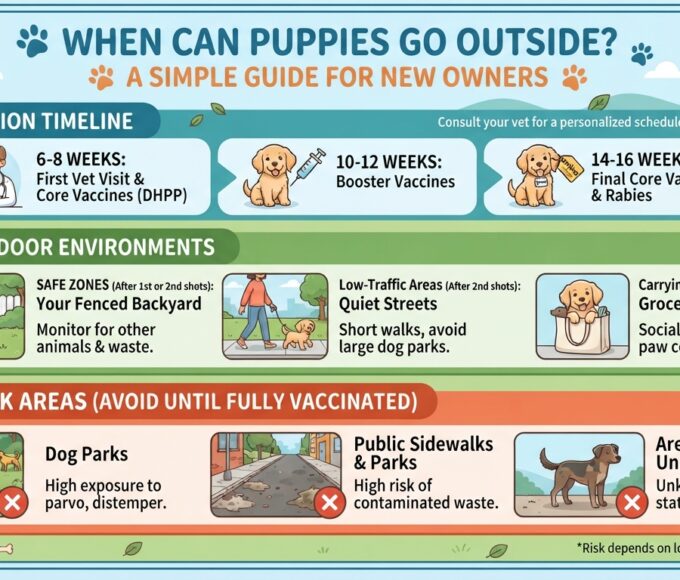
Your veterinarian can also advise you about safe opportunities for socialization based on your puppy’s vaccination status and local disease risks.
6. Make Exercise Age-Appropriate
Puppies have plenty of energy, but that doesn’t mean they should be exercised as much as possible.
Young dogs are still developing physically, and excessive forced exercise can place unnecessary stress on growing bodies.
Instead of relying on long, intense workouts, provide a mixture of:
- Short walks when appropriate
- Gentle play
- Supervised exploration
- Training games
- Sniffing activities
- Food puzzles
- Appropriate chewing activities
Allow your puppy plenty of opportunities to rest.
Watch for signs of fatigue
If your puppy becomes unusually tired, struggles to keep up, repeatedly lies down, or seems uncomfortable, give them a break.
Exercise requirements change substantially as puppies grow, so ask your veterinarian for guidance appropriate to your puppy’s breed, age, and health.
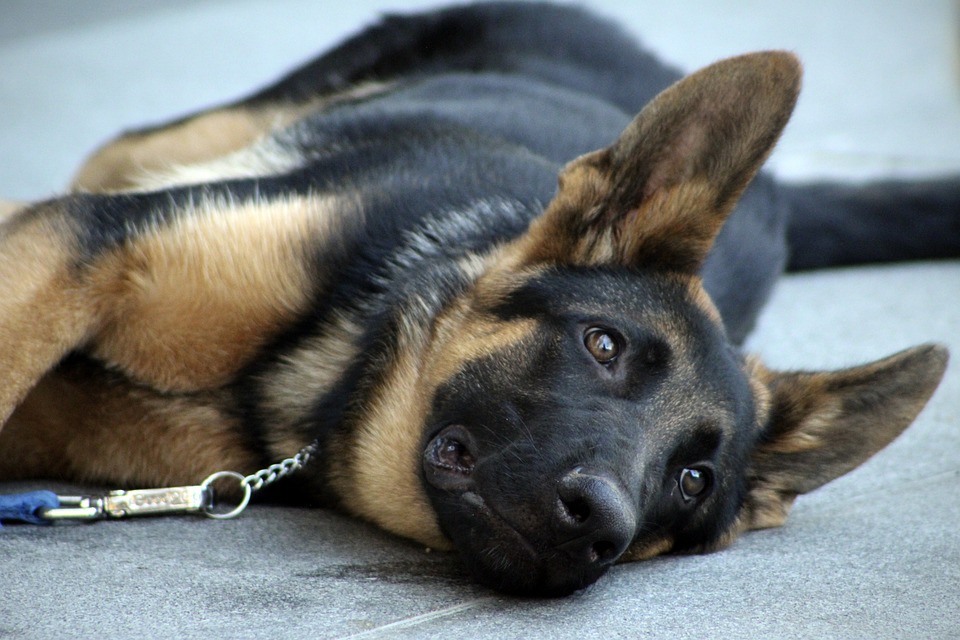
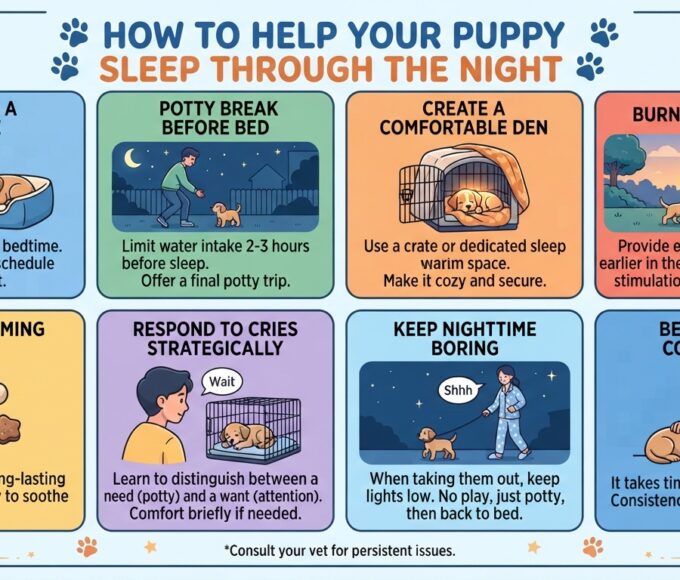
7. Give Your Puppy Plenty of Sleep
One of the easiest puppy-care needs to underestimate is sleep.
Growing puppies can sleep for a large portion of the day. After periods of activity and learning, they need substantial downtime to recover.
A comfortable sleeping area should be:
- Quiet
- Safe
- Comfortable
- Free from hazards
- Easy for the puppy to access when they need rest
If your puppy becomes excessively bitey, frantic, or unable to settle, they may sometimes be overtired rather than in need of even more stimulation.
A predictable routine can help puppies learn when it’s time to play and when it’s time to relax.
8. Introduce Grooming From an Early Age
Grooming shouldn’t begin only when your puppy desperately needs a bath or haircut.
Introduce grooming equipment gradually so your puppy learns that brushing, paw handling, ear checks, and other routine care are normal.
Depending on the breed and coat, your puppy may eventually need:
- Regular brushing
- Nail trimming
- Bathing
- Ear care
- Coat trimming
- Dental care
Start with very short sessions and reward calm behavior.
For example, touch a paw briefly, offer a treat, and stop. Over time, you can gradually increase the amount of handling.
This can make future veterinary visits and grooming appointments much easier.
9. Start Dental Care Early
Puppy teeth won’t stay forever, but early dental habits are valuable.
Once your puppy is comfortable with having their mouth handled, gradually introduce a dog-specific toothbrush and toothpaste.
Never use human toothpaste unless specifically directed by a veterinarian, as some human dental products can contain ingredients that are unsafe for dogs.
Dental care should become part of your dog’s long-term routine.
Appropriate veterinary dental examinations are also important as your dog grows.
10. Keep Up With Veterinary Care
One of the most important responsibilities of puppy ownership is establishing veterinary care early.
Your veterinarian can monitor your puppy’s:
- Growth
- Weight
- Development
- Vaccination schedule
- Parasite prevention
- Nutrition
- Dental health
- General wellbeing
Puppies typically need several veterinary visits during their early development because vaccinations and preventive care often occur on a schedule rather than in a single appointment.
Know the warning signs
Contact your veterinarian if your puppy develops concerning symptoms such as:
- Persistent vomiting
- Repeated diarrhea
- Significant loss of appetite
- Extreme lethargy
- Difficulty breathing
- Severe pain
- Unusual weakness
- Collapse
- Signs of dehydration
- Sudden major behavior changes
Very young puppies can become unwell quickly, so don’t hesitate to seek professional advice when something seems seriously wrong.
11. Teach Your Puppy to Be Comfortable Alone
Puppies often want to follow their owners everywhere.
While bonding is important, teaching a puppy to spend short periods alone can help them develop independence.
Start gradually.
Give your puppy a safe area with an appropriate toy or food enrichment activity, step away briefly, and return before they become highly distressed.
Gradually increase the duration as your puppy becomes comfortable.
Don’t suddenly leave a puppy alone for many hours and expect them to understand.
Building independence should be a gradual process.
12. Provide Safe Things to Chew
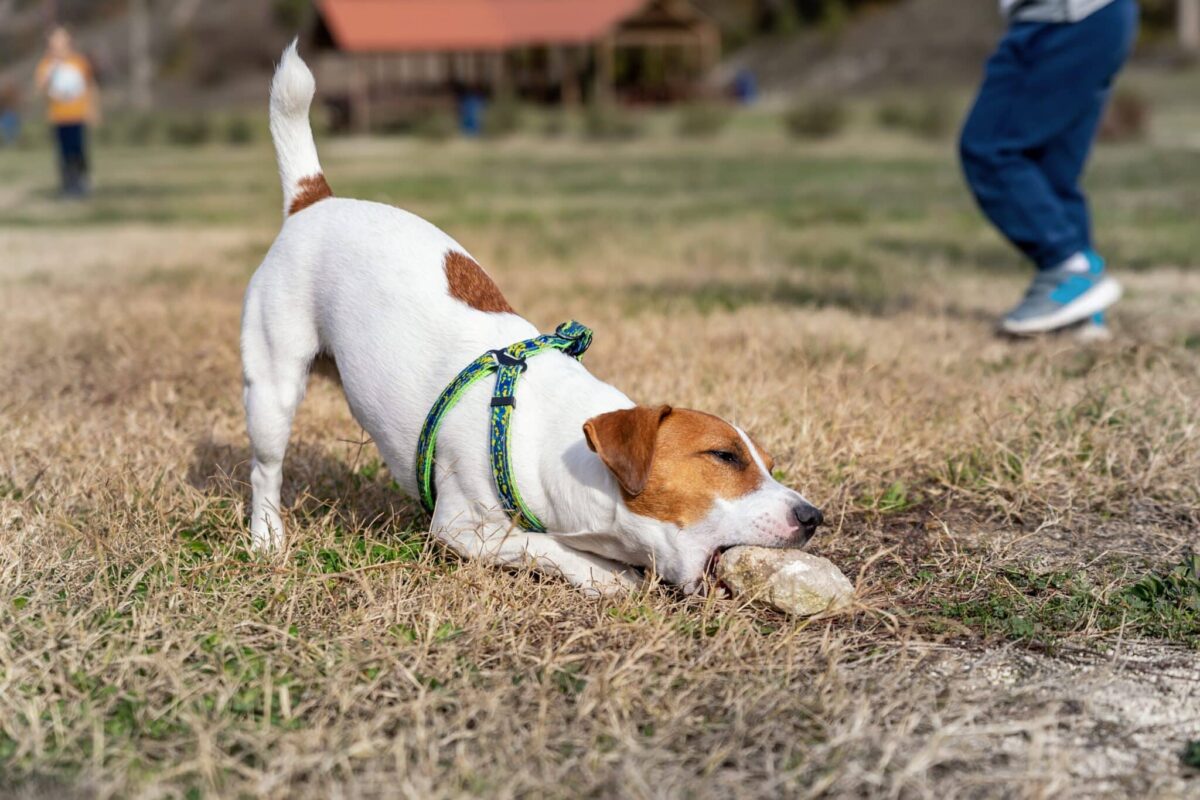
Chewing is a normal part of puppy development, particularly while puppies are exploring their environment and going through teething.
Instead of trying to eliminate chewing, teach your puppy what is appropriate to chew.
Keep suitable options available, such as:
- Puppy-safe rubber toys
- Food-stuffable toys
- Appropriate chew products
- Soft toys designed for supervised use
When your puppy chooses an appropriate item, praise them.
If they grab something they shouldn’t have, calmly redirect them to an appropriate toy.
Always supervise new chew products and remove anything that becomes damaged or small enough to swallow.
13. Teach Bite Inhibition and Gentle Play
Puppy teeth are incredibly sharp.
Mouthing and play-biting are common puppy behaviors, but puppies need to learn how to interact with people appropriately.
Avoid encouraging your puppy to bite hands as a game.
If play becomes too rough, calmly pause the interaction and redirect the puppy toward an appropriate toy.
Consistent responses from everyone in the household make the lesson clearer.
If biting becomes unusually intense, frightening, or difficult to manage, seek guidance from a qualified positive-reinforcement trainer or veterinary behavior professional.
14. Help Your Puppy Learn Good Leash Manners
Walking isn’t simply about attaching a leash and heading outside.
Teach your puppy that staying near you and walking calmly is rewarding.
Start indoors or in a quiet area and reward your puppy for:
- Looking toward you
- Following you
- Walking beside you
- Stopping when you stop
- Responding to their name
Avoid turning every walk into a battle over pulling.
A puppy’s outdoor environment is full of fascinating smells and sounds, so allow appropriate opportunities for sniffing and exploration as part of the walk.
15. Build a Predictable Daily Routine
Puppies thrive when their world becomes easier to understand.
A routine doesn’t need to be rigid, but having predictable patterns for meals, potty breaks, training, play, rest, and bedtime can help.
For example, your day might broadly follow:
Wake up → bathroom → meal → play/training → rest → bathroom → play → rest → meal → evening activity → bathroom → bedtime
The exact schedule should be adapted to the puppy rather than forcing every dog into the same timetable.
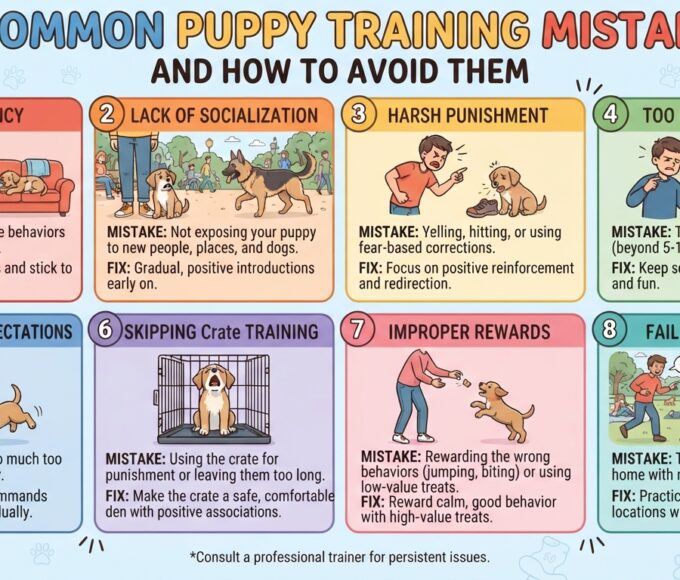
Common Puppy-Care Mistakes to Avoid
Even well-intentioned owners can make mistakes during the early months.
Expecting perfect behavior immediately
Puppies are babies. They need repetition before behaviors become reliable.
Using punishment for accidents
Punishment can create fear without teaching the desired bathroom behavior.
Overexercising
More exercise isn’t always better for a growing puppy.
Ignoring mental stimulation
A puppy needs opportunities to think, sniff, explore, and learn—not just run.
Skipping socialization
Avoiding new experiences completely can leave a puppy unfamiliar with normal aspects of everyday life.
Giving too much freedom too soon
Supervision and controlled access can prevent many unwanted habits and accidents.
Forgetting about rest
An overtired puppy may become more difficult to manage, not less.
A Simple Puppy-Care Checklist
Before bringing your puppy home, consider preparing:
- ☐ Complete puppy food
- ☐ Food and water bowls
- ☐ Comfortable bed
- ☐ Safe crate or puppy pen if desired
- ☐ Collar and identification
- ☐ Properly fitted harness
- ☐ Leash
- ☐ Age-appropriate toys
- ☐ Safe chew toys
- ☐ Grooming supplies
- ☐ Dog toothbrush and toothpaste
- ☐ Enzyme-based cleaning supplies
- ☐ Poop bags
- ☐ Puppy-proofing supplies
- ☐ Veterinary contact information
- ☐ Basic first-aid supplies
Frequently Asked Questions
How often should I feed my puppy?
Feeding frequency depends on age, breed, size, food, and individual needs. Young puppies generally require more frequent meals than adult dogs. Follow the food manufacturer’s feeding guidance and your veterinarian’s recommendations.
When should puppy training begin?
Training can begin as soon as your puppy comes home. Start with simple behaviors and use short, positive sessions.
How long does potty training take?
There is no universal timeline. Some puppies learn relatively quickly, while others need several months of consistent supervision and reinforcement. Accidents during the learning process are normal.
How can I stop my puppy from biting?
Redirect biting toward appropriate toys, avoid encouraging hand-biting during play, and consistently reward gentle interactions. If biting becomes unusually severe or concerning, seek professional behavioral guidance.
Should puppies exercise every day?
Puppies need regular age-appropriate activity, but they also require substantial rest. Gentle play, exploration, training, and appropriately timed walks can all contribute to a healthy routine.
When should I start socializing my puppy?
Socialization should begin early and continue throughout development. However, exposure should be safe and appropriate for the puppy’s vaccination status. Ask your veterinarian about suitable socialization opportunities in your area.
How much sleep does a puppy need?
Puppies can sleep for many hours throughout the day because sleep supports growth and development. Individual needs vary, so provide a comfortable environment where your puppy can rest whenever needed.
What should I do if my puppy isn’t eating?
A temporary change in appetite can have many causes, but puppies can become unwell quickly. If your puppy refuses food, particularly if accompanied by vomiting, diarrhea, weakness, unusual sleepiness, or other concerning symptoms, contact your veterinarian promptly.
Final Thoughts
Raising a puppy is a combination of joyful moments, repetitive routines, unexpected messes, and plenty of learning—for both you and your dog.
The goal isn’t to create a perfectly behaved puppy overnight. Instead, focus on building good habits one small step at a time.
Provide nutritious food, regular veterinary care, safe socialization, appropriate exercise, plenty of sleep, gentle grooming, positive training, and a secure home environment.
Most importantly, be patient. Your puppy is learning how the world works, and every calm interaction, successful training session, appropriate play session, and positive new experience helps shape the adult dog they’re becoming.
With consistency, compassion, and responsible care, those chaotic puppy months can become the foundation for a happy and rewarding lifelong relationship.






Leave a comment