



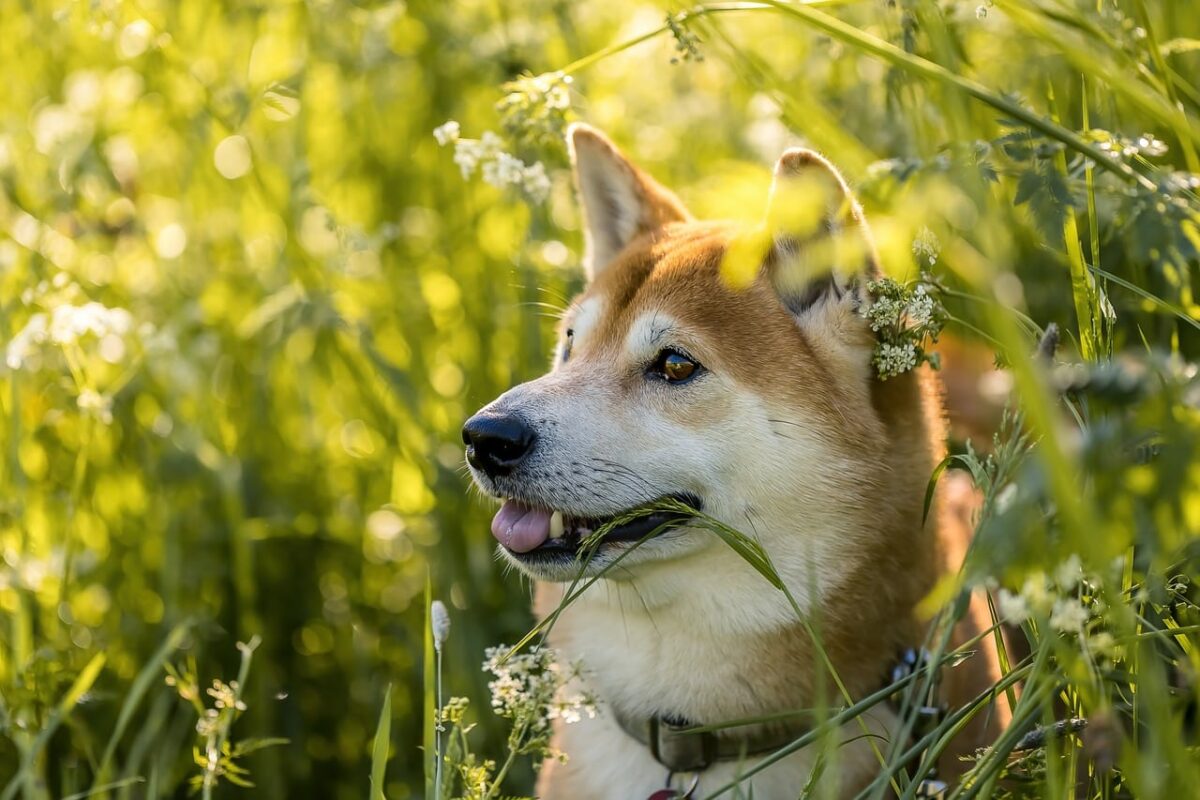
Shiba Inus may look like small foxes, but anyone who lives with one quickly discovers that there is much more to this breed than its adorable appearance. They are intelligent, alert, independent, energetic, and often surprisingly determined.
That combination makes Shiba Inus fascinating companions—but it can also make them challenging for unprepared owners. A Shiba may decide that coming inside is optional, find a creative way out of a yard, ignore a command when something more interesting catches their attention, or leave a generous layer of fur throughout the house during shedding season.
The good news is that the right equipment can make everyday life considerably easier.
Whether you’re bringing home your first Shiba Inu or already share your home with one, these 10 useful items can help support grooming, training, enrichment, exercise, safety, and relaxation.
1. A Secure, Escape-Resistant Harness
If there’s one piece of equipment Shiba owners should take especially seriously, it’s walking gear.
Shiba Inus are agile and can be remarkably good at backing out of poorly fitted harnesses or slipping free from collars. Their independent nature can also make reliable recall challenging, particularly when they spot another animal, interesting scent, or something worth investigating.
A secure harness should fit comfortably while making it difficult for your dog to escape.
Look for:
- Adjustable straps
- Secure buckles
- Strong attachment points
- A fit that doesn’t restrict normal movement
- Escape-resistant construction
- Durable, comfortable materials
Always check the fit periodically, especially if your dog is still growing or has changed weight.
For additional security, some owners use a properly fitted harness together with a suitable backup connection.
Remember: equipment isn’t a substitute for training
A secure harness reduces the chance of an accidental escape, but Shiba Inus should still receive consistent leash and recall training.
Until reliable recall has been established, avoid allowing your Shiba to roam off-leash in unsecured areas.
2. Durable Chew and Puzzle Toys
Shiba Inus are intelligent dogs that can quickly become bored when they don’t have enough appropriate outlets for their energy and curiosity.
Keeping a selection of durable toys around the house gives them safe ways to play, chew, and solve problems.
Consider having several types available:
- Durable chew toys
- Treat-dispensing toys
- Food puzzles
- Rubber enrichment toys
- Interactive toys
- Toys designed for supervised tug games
Don’t assume that a toy labeled “indestructible” actually cannot be destroyed. Every dog has a different chewing style.
Inspect toys regularly and replace anything that develops cracks, sharp edges, loose pieces, or sections that could be swallowed.
Rotate rather than overwhelm
You don’t need to leave every toy on the floor at once.
Put some away and rotate them throughout the week. This can help maintain novelty and gives your Shiba something different to explore.
3. A High-Quality Grooming Brush
Shiba Inus have a thick double coat and are famous for shedding. During seasonal coat changes, the amount of loose fur around the house can increase dramatically.
A suitable grooming brush can help remove loose undercoat and keep the coat manageable.
Depending on your dog’s coat and tolerance for grooming, useful tools may include:
- An undercoat-friendly brush
- A deshedding tool used appropriately
- A grooming comb
- A soft brush for finishing
Grooming isn’t just about reducing hair
Regular brushing can also help you notice changes in your dog’s skin, such as unusual redness, lumps, parasites, or irritated areas.
Introduce grooming gradually, especially if your Shiba dislikes being handled. Short, positive sessions with treats can be much more productive than forcing a long grooming session.
Avoid aggressively scraping or repeatedly using deshedding tools, as excessive grooming can irritate the skin or damage the coat.
4. A Comfortable Dog Bed With Raised Sides
Many Shiba Inus enjoy having a comfortable place that feels like their own.
A bed with supportive sides or bolsters can give your dog somewhere cozy to curl up and rest. Choose a size that allows your Shiba to stretch out comfortably rather than forcing them into a tight sleeping position.
When selecting a bed, consider:
- Washable covers
- Durable fabric
- Adequate cushioning
- Easy cleaning
- Your dog’s preferred sleeping position
- Support appropriate for their age and mobility
Place the bed somewhere relatively quiet but where your Shiba can still observe what’s happening around the home.
Some dogs prefer privacy, while others want to keep an eye on the entire household.
5. A Snuffle Mat or Scent-Enrichment Toy
Physical exercise is important, but Shiba Inus also need opportunities to use their brains.
A snuffle mat allows you to hide small portions of food or treats among fabric strips, encouraging your dog to use their nose to locate them.
Other scent-based activities include:
- Hiding treats around a room
- Scatter feeding in a safe area
- Sniff walks
- Simple scent games
- Food puzzles
These activities can provide mental stimulation without requiring constant high-intensity physical exercise.
Use enrichment safely
Supervise your dog when introducing a new snuffle mat or similar product. Some dogs may try to chew or pull apart fabric rather than simply search for food.
If your Shiba starts destroying the item, remove it and choose a different enrichment activity.
6. A Quiet Nail Grinder or Appropriate Nail Clippers
Nail care is an important part of routine dog maintenance, but Shiba Inus aren’t always enthusiastic about having their paws handled.
A quiet nail grinder can be useful for owners who are comfortable using one, while traditional dog nail clippers are another option.
Whichever method you choose, introduce the equipment gradually.
For example:
- Let your dog see the tool.
- Reward calm behavior.
- Touch the paws without trimming.
- Introduce the sound of the grinder from a distance if you’re using one.
- Gradually work toward brief nail-care sessions.
Never rush through the process simply to finish quickly.
Overgrown nails can affect how a dog stands and walks, while cutting too far into the nail can cause pain and bleeding.
If your Shiba strongly resists nail care, a veterinarian or professional groomer can help.
7. A Properly Sized Crate or Safe Retreat
A crate can be a useful management and training tool when introduced positively.
For some Shiba Inus, it can become a comfortable place to sleep, relax, or take a break from household activity.
The crate should be large enough for your dog to:
- Stand comfortably
- Turn around
- Lie down naturally
- Change positions without difficulty
Don’t use the crate as punishment.
Instead, build a positive association by offering treats, meals, enrichment toys, or quiet rest inside.
A crate isn’t the only option
Some dogs prefer a gated room, playpen, or dedicated quiet area instead. The goal is to provide a safe retreat—not to force every dog to enjoy crate confinement.
Never use a crate for excessive periods that prevent your dog from getting adequate exercise, bathroom breaks, social interaction, and enrichment.
8. A Strong Interactive Tug Toy
Tug can be a fantastic game for an energetic Shiba Inu and can also strengthen the relationship between dog and owner when played appropriately.
Choose a tug toy that’s:
- Large enough to hold safely
- Durable
- Free from easily detachable pieces
- Comfortable for both dog and handler
Teach your dog simple rules such as “take it” and “drop it.” Rewarding your dog for releasing the toy can turn the game into a training opportunity.
Tug doesn’t inherently make a dog aggressive. The important part is teaching appropriate play behavior and stopping the game if it becomes overly rough or uncontrolled.
Always supervise play with toys that can be damaged through vigorous chewing.
9. Complete, Balanced Dog Food
Nutrition is one of the most important things you can provide for your Shiba Inu.
Instead of choosing food based solely on marketing claims or one particular ingredient, look for a complete and balanced diet appropriate for your dog’s life stage.
Puppies, adults, seniors, dogs with allergies, and dogs with medical conditions can have different nutritional requirements.
Omega-3 fatty acids can play a role in supporting normal skin and coat health, but adding supplements isn’t automatically necessary. If your dog has recurring itching, ear problems, hair loss, or skin irritation, don’t assume that a supplement will solve the underlying issue.
Possible causes can include allergies, parasites, infections, environmental factors, or other medical conditions.
Talk to your veterinarian about:
- Appropriate food choices
- Portion sizes
- Weight management
- Treat quantities
- Supplements
- Food allergies or sensitivities
Keeping your Shiba at a healthy body condition is more important than simply choosing a food advertised as “premium.”
10. GPS Tracker and Reliable Identification
A GPS tracker can be a useful additional safety tool for a Shiba Inu, particularly for dogs that are skilled escape artists.
If your dog gets through an open gate or slips free during a walk, a tracker may help you locate them more quickly, depending on the device and available network coverage.
However, GPS technology should be treated as backup protection, not permission to allow your dog to roam.
Your Shiba should also have:
- A secure collar
- Current identification information
- A registered microchip where available
- Up-to-date contact details
- A secure yard or outdoor area
Check your dog’s identification information periodically to make sure it remains current.
Bonus: A Long Training Lead for Safe Recall Practice
A long line can be extremely useful when teaching recall outdoors.
It gives your Shiba more freedom to explore while maintaining a physical connection to you. This can provide a safer way to practice coming when called before considering off-leash activity in appropriate secure locations.
Start in a low-distraction environment and gradually increase the difficulty.
Never attach a long line to equipment that isn’t designed to handle the force generated by a running dog.
Creating a Shiba-Friendly Home
The products you buy are only part of preparing your home.
Shiba Inus are curious and capable of finding trouble in places you might not expect. Puppy-proofing and adult-dog-proofing should therefore be taken seriously.
Secure:
- Cleaning chemicals
- Medications
- Human foods that are unsafe for dogs
- Electrical cables
- Small objects
- Trash cans
- Toxic plants
- Open windows and balconies
- Unsecured gates and doors
Pay particular attention to doors leading directly outside.
A Shiba that spots an interesting distraction may move through an open doorway before you have time to react.
Why Mental Stimulation Matters for Shiba Inus
A tired dog isn’t necessarily a satisfied dog.
If all of your Shiba’s activities involve physical exercise, they may still become bored. Mental enrichment can give them a different kind of challenge.
Try combining:
Physical activity: Walks, controlled running, play, and appropriate hiking.
Mental activity: Puzzle toys, scent games, obedience training, and food enrichment.
Social interaction: Spending calm, positive time with family members.
Rest: A predictable place and routine for relaxing.
A balanced routine is often more sustainable than trying to exhaust your dog every day.
Training Is One of Your Most Important “Shiba Essentials”
No product can replace good training.
Shiba Inus are intelligent, but intelligence doesn’t necessarily mean they will automatically want to obey every command. They often respond best when training is clear, consistent, rewarding, and worthwhile to them.
Useful skills include:
- Name recognition
- Sit
- Stay
- Come
- Leave it
- Drop it
- Loose-leash walking
- Waiting at doors
- Settling on a mat
- Handling and grooming tolerance
Keep sessions relatively short and engaging. If your dog loses interest, change the activity rather than turning training into a battle.
Frequently Asked Questions
Are Shiba Inus difficult to own?
They can be challenging for inexperienced owners because they are independent, intelligent, energetic, and sometimes less naturally eager to follow commands than certain other breeds. Consistent training, secure management, and appropriate enrichment can make life with a Shiba much easier.
Do Shiba Inus shed a lot?
Yes. Their double coat can produce substantial shedding, particularly during seasonal coat changes. Regular brushing can help manage loose fur.
What is the best brush for a Shiba Inu?
The ideal grooming tool depends on the dog’s coat and your grooming routine. Brushes designed to reach and remove loose undercoat can be useful, while a comb may help check for remaining tangles. Use deshedding tools carefully rather than aggressively.
Can a Shiba Inu be trusted off-leash?
Some individual dogs can develop excellent recall, but Shiba Inus are known for their independence and can be highly motivated to chase or investigate distractions. Off-leash freedom should only be considered in appropriate secure environments unless you have established exceptionally reliable recall and the location is genuinely safe.
Do Shiba Inus need puzzle toys?
They don’t specifically require puzzle toys, but mental enrichment is valuable for an intelligent breed. Food puzzles, scent games, training, and interactive play can all help provide mental stimulation.
How often should I trim my Shiba Inu’s nails?
Nail growth varies between dogs, so there isn’t one universal schedule. Check the nails regularly and trim them before they become excessively long. Your veterinarian or groomer can demonstrate proper technique if you’re unsure.
Is a crate necessary for a Shiba Inu?
No. A crate is an optional management and training tool. Some dogs enjoy having one, while others may prefer a bed, gated room, or another safe retreat.
Should I give my Shiba Inu omega-3 supplements?
Not automatically. A complete and balanced diet may already provide appropriate nutrition. If you’re considering supplements because of skin, coat, joint, or other concerns, discuss the specific product and dosage with your veterinarian.
Final Thoughts
Shiba Inus are clever, energetic, independent dogs that can keep their owners entertained—and occasionally challenge them—in equal measure.
Preparing your home with secure walking equipment, grooming supplies, enrichment toys, a comfortable resting area, appropriate nutrition, and reliable identification can make daily life safer and more enjoyable.
But the most valuable things you can give a Shiba aren’t all products. Consistent training, secure management, mental stimulation, regular exercise, veterinary care, and a respectful relationship are just as important.
Understand your Shiba’s personality, provide appropriate outlets for their natural behaviors, and give them clear boundaries. With the right environment and routine, that famously independent little dog can become a rewarding and deeply entertaining companion.




Leave a comment