



Bringing home a puppy is an exciting experience filled with playtime, training, cuddles, and new discoveries. But while puppies are full of energy, their developing bodies and immune systems can make them more vulnerable to certain illnesses and health problems.
Good puppy care isn’t just about feeding your new companion and giving them plenty of love. Preventive healthcare, vaccinations, parasite control, proper nutrition, dental care, hygiene, and regular veterinary visits all play an important role in helping a puppy grow into a healthy adult dog.
Knowing the warning signs of common puppy health problems can also help you act quickly when something isn’t right. Some conditions are relatively minor when treated early, while others can become serious very quickly.
This guide explains common health problems in puppies, what you can do to reduce their risk, and which warning signs should prompt a call to your veterinarian.
Why Are Puppies More Vulnerable to Health Problems?
Puppies are still developing physically and mentally. Their immune systems are also developing, which means they may have less protection against certain infections than healthy adult dogs.
Young puppies can also get into trouble simply because they’re curious. They may chew objects, swallow things they shouldn’t, encounter contaminated surfaces, or come into contact with parasites.
Their nutritional needs are different from those of adult dogs as well. Rapid growth requires an appropriate balance of calories, protein, fats, vitamins, and minerals.
For these reasons, preventive care is particularly important during the first year of life.
1. Intestinal Worms and Other Parasites
Parasites are among the most common health concerns in young puppies. Depending on where you live and your puppy’s lifestyle, they may encounter intestinal worms, fleas, ticks, mites, or other parasites.
Common intestinal parasites include:
- Roundworms
- Hookworms
- Whipworms
- Tapeworms
- Giardia and other intestinal parasites
Some puppies can become infected before they are even adopted. Others pick up parasites from contaminated soil, feces, fleas, or infected animals.
Signs of parasites
Possible symptoms include:
- Diarrhea
- Vomiting
- Poor weight gain
- A swollen-looking abdomen
- Dull coat
- Scooting
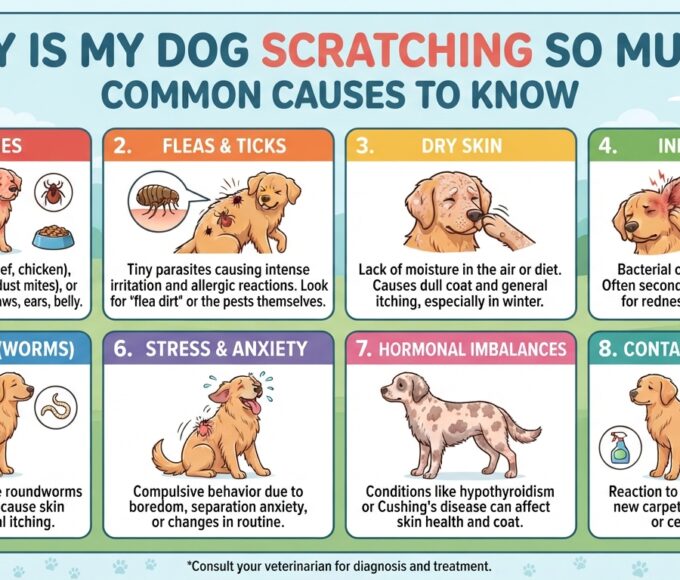
- Excessive scratching
- Pale gums
- Low energy
- Visible worms or worm segments in stool
Not every puppy with parasites will show obvious symptoms, so routine veterinary testing and preventive care are important.
How to reduce the risk
Your veterinarian can recommend an appropriate parasite-prevention program based on your puppy’s age, weight, lifestyle, and local risks.
You can also help by:
- Cleaning up feces promptly
- Washing bedding regularly
- Keeping your puppy’s living area clean
- Checking for ticks after outdoor activities
- Using veterinarian-recommended flea and tick prevention
- Avoiding contact with contaminated environments when appropriate
Never give a puppy a parasite medication without confirming that it is appropriate for their age and weight.
2. Fleas and Ticks
Fleas can cause intense itching and skin irritation. Heavy infestations can be particularly dangerous for very young puppies because blood loss may contribute to anemia.
Ticks can also transmit diseases, depending on the species and geographic area.
Watch for:
- Persistent scratching
- Red or irritated skin
- Small dark specks in the coat
- Visible fleas or ticks
- Hair loss from excessive scratching
- Weakness or pale gums in severe flea infestations
Regularly inspect your puppy’s coat, especially after outdoor activities.
Your veterinarian can recommend a safe flea and tick preventive appropriate for your puppy’s age and weight.
3. Parvovirus
Canine parvovirus is one of the serious infectious diseases that can affect puppies. Young, unvaccinated, or incompletely vaccinated dogs are particularly vulnerable.
The virus can cause severe gastrointestinal illness and dehydration.
Potential warning signs include:
- Severe or persistent vomiting
- Diarrhea, sometimes containing blood
- Loss of appetite
- Extreme tiredness
- Abdominal discomfort
- Dehydration
- Fever or abnormal body temperature
Parvovirus can become life-threatening, so a puppy showing these symptoms needs prompt veterinary attention.
Prevention
Vaccination is one of the most important ways to reduce the risk of parvovirus. Puppies generally receive a series of core vaccinations because protection develops over multiple doses rather than from a single puppy shot.
Until your veterinarian confirms that your puppy has adequate protection, avoid unnecessary exposure to areas where many unknown dogs gather or where contamination may be present.
4. Canine Distemper
Canine distemper is another serious viral disease that can affect dogs, particularly those that aren’t adequately vaccinated.
Depending on the stage and severity of infection, symptoms may include:
- Fever
- Eye or nose discharge
- Coughing
- Reduced appetite
- Vomiting
- Diarrhea
- Weakness
- Neurological symptoms in some cases
Vaccination is a key part of preventing distemper.
If your puppy develops respiratory, gastrointestinal, or neurological symptoms, contact your veterinarian rather than assuming it’s simply a minor puppy illness.
5. Respiratory Infections and Kennel Cough
Puppies can develop respiratory infections after exposure to infected dogs. “Kennel cough” is a common term used for a contagious respiratory illness involving several possible infectious agents.
Symptoms may include:
- Persistent coughing
- Sneezing
- Nasal discharge
- Mild lethargy
- Reduced appetite
- Gagging after coughing
Many respiratory infections are manageable, but some puppies can develop more serious complications.
Avoid allowing a sick puppy to interact closely with other dogs until your veterinarian advises that it is safe.
6. Diarrhea and Vomiting
An occasional soft stool can happen when a puppy experiences stress or a sudden diet change. However, repeated vomiting or diarrhea should not be ignored in a young puppy.
Potential causes include:
- Sudden food changes
- Eating inappropriate objects
- Parasites
- Stress
- Food intolerance
- Bacterial infections
- Viral infections
- Toxic substances
- Foreign-body obstruction
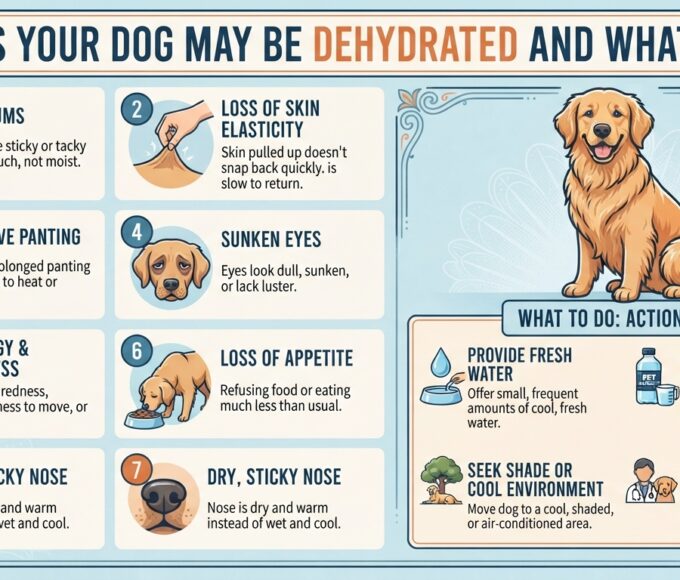
Puppies can become dehydrated more quickly than adult dogs, making persistent gastrointestinal problems especially concerning.
When should you call the vet?
Contact your veterinarian promptly if your puppy has:
- Repeated vomiting
- Persistent or severe diarrhea
- Blood in vomit or stool
- Significant weakness
- Refusal to drink
- Refusal to eat
- Signs of dehydration
- A painful or swollen abdomen
- Symptoms combined with fever or unusual behavior
Don’t attempt to treat persistent vomiting or diarrhea at home without veterinary guidance.
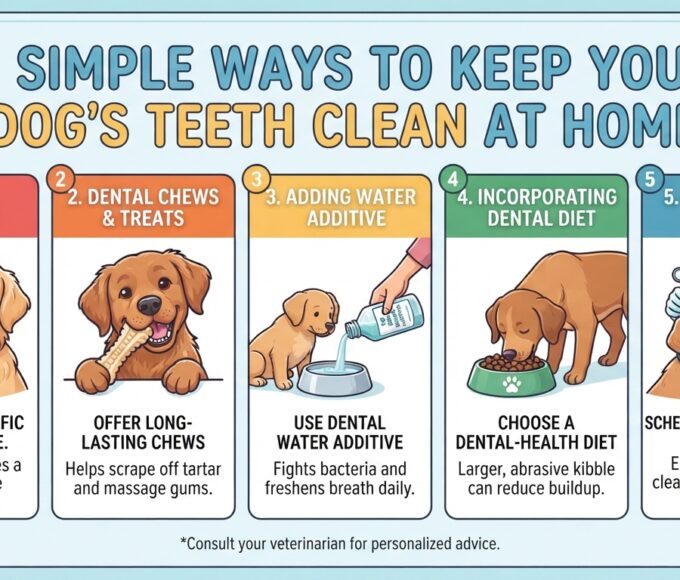
7. Dental Problems
Puppies go through a natural teething period as their baby teeth are replaced by adult teeth. During this stage, chewing is common.
However, poor dental care can contribute to plaque buildup, gum irritation, and other oral problems.
Healthy puppy dental habits
Introduce tooth brushing gradually and use a toothbrush and toothpaste specifically designed for dogs. Human toothpaste isn’t appropriate for dogs because some ingredients can be harmful if swallowed.
You can also provide safe, appropriately sized chew toys.
Regularly look inside your puppy’s mouth for:
- Red or swollen gums
- Bad breath
- Broken teeth
- Difficulty eating
- Excessive drooling
- Persistent mouth discomfort
Your veterinarian can also monitor how your puppy’s adult teeth are developing.
8. Nutritional Problems
Puppies need nutrition that supports growth and development. Feeding an inappropriate diet or too much food can contribute to health problems.
Choose a complete and balanced puppy diet appropriate for your puppy’s life stage and expected adult size.
Large- and giant-breed puppies may have particularly specific nutritional requirements because excessive growth or inappropriate mineral intake can affect developing bones and joints.
Avoid overfeeding
It’s easy to overfeed a puppy because they always seem hungry. However, maintaining healthy growth and body condition is more important than simply maximizing food intake.
Follow feeding guidance on the food label and adjust portions with your veterinarian based on your puppy’s growth and body condition.
Avoid routinely giving large amounts of table scraps or unbalanced homemade diets unless a veterinary nutrition professional has formulated the diet.
9. Ear Problems
Puppies can develop ear infections or irritation, particularly those with certain ear shapes or underlying skin conditions.
Possible signs include:
- Frequent head shaking
- Scratching at the ears
- Redness
- Unpleasant odor
- Discharge
- Sensitivity when the ears are touched
- Tilting the head
Don’t insert cotton swabs deep into your puppy’s ear canal or use random ear medications.
If you notice signs of an ear problem, have your veterinarian examine the ear and recommend appropriate treatment.
10. Skin Allergies and Irritation
Puppies can develop itchy skin for several reasons, including parasites, allergies, infections, environmental irritation, or other underlying conditions.
Common signs include:
- Excessive scratching
- Licking or chewing paws
- Red skin
- Hair loss
- Recurrent ear problems
- Skin odor
- Hot spots
The key to treating skin problems is identifying the underlying cause rather than simply treating the itching.
Keeping your puppy’s bedding clean and using gentle, dog-safe grooming products can help support healthy skin.
11. Accidental Poisoning
Curious puppies explore the world with their mouths, which puts them at risk of swallowing dangerous substances.
Potential household hazards include:
- Certain human medications
- Cleaning products
- Chocolate
- Xylitol-containing products
- Some plants
- Pesticides
- Chemicals
- Certain foods
- Small objects
Puppy-proof your home
Keep medications, chemicals, toxic foods, and potentially dangerous objects out of reach.
Don’t assume something is safe simply because it is natural or commonly found in a household.
If you believe your puppy has swallowed something potentially toxic, contact a veterinarian or emergency veterinary service immediately. Don’t induce vomiting unless a veterinary professional specifically tells you to do so.
12. Foreign Objects and Choking Hazards
Puppies chew almost everything. Unfortunately, some objects can become lodged in the throat or digestive tract.
Examples include:
- Socks
- Small toys
- Pieces of plastic
- Stones
- Children’s toys
- Bones or fragments
- Fabric
- Parts of household objects
Choose puppy toys that are appropriately sized and inspect them regularly for damage.
If your puppy suddenly develops vomiting, loss of appetite, abdominal pain, difficulty swallowing, or unusual lethargy after chewing or swallowing something, seek veterinary advice promptly.
13. Dehydration and Heat-Related Problems
Puppies can become dehydrated through vomiting, diarrhea, excessive activity, or hot weather.
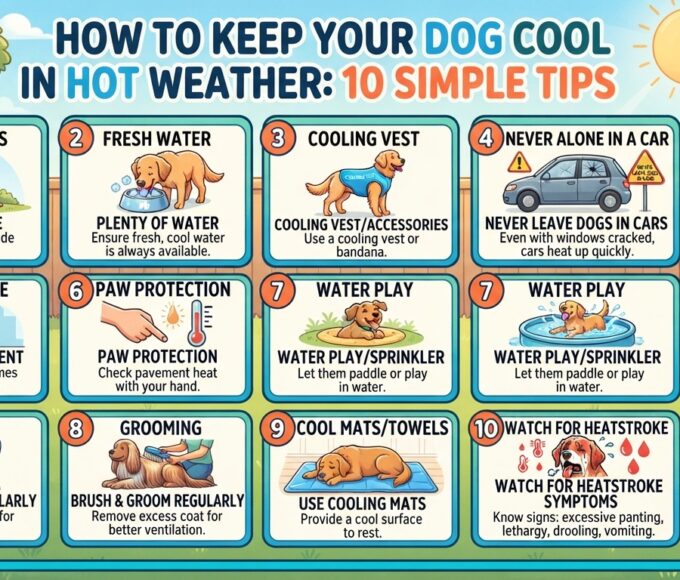
Heat is also an important concern. Dogs don’t cool themselves in the same way humans do, and young puppies may have difficulty regulating their body temperature.
Risk can be particularly high for flat-faced breeds and puppies exposed to hot, humid conditions.
Help your puppy stay cool
- Provide constant access to fresh water
- Keep outdoor activity appropriate for the weather
- Avoid strenuous exercise during the hottest part of the day
- Provide shade and ventilation
- Never leave a puppy alone in a parked vehicle
- Watch closely for excessive panting or weakness
Signs of possible heat-related illness require urgent veterinary attention.
14. Injuries During Play and Exercise
Puppies are energetic, but their developing bones and joints still need protection.
High-impact activities, repeated jumping from heights, slippery floors, and excessive forced exercise can increase injury risk.
Instead, provide age-appropriate activities such as:
- Short walks when vaccination and veterinary guidance allow
- Gentle games
- Sniffing activities
- Training exercises
- Puzzle toys
- Controlled play with suitable dogs
Allow plenty of rest between activities.
Preventive Puppy Care Checklist
A simple preventive routine can make it easier to keep track of your puppy’s health.
Every day
- Provide fresh water
- Feed an appropriate diet
- Monitor appetite
- Observe energy and behavior
- Check for unusual vomiting or diarrhea
- Provide safe exercise and play
- Keep dangerous objects out of reach
Every week
- Check the coat and skin
- Look at the ears
- Inspect the mouth and teeth
- Trim nails when needed
- Wash bedding and food bowls
- Check for fleas and ticks
Regularly with your veterinarian
- Vaccinations
- Parasite prevention
- Fecal or other recommended testing
- Growth monitoring
- Dental development checks
- Nutrition guidance
- Spay/neuter discussions when appropriate
- Microchipping and identification
- General wellness examinations
How Vaccinations Protect Your Puppy
Vaccination schedules vary depending on the puppy, location, lifestyle, and veterinary recommendations.
Core puppy vaccinations commonly provide protection against serious diseases such as canine parvovirus and distemper, while additional vaccines may be recommended based on local disease risks and your dog’s lifestyle.
A puppy usually needs a series of vaccinations because maternal antibodies and the developing immune system can affect how well early vaccines work.
Keep your puppy’s vaccination records organized and ask your veterinarian when they are sufficiently protected for different activities, including puppy classes, dog parks, boarding, and other social environments.
Socialization Without Unnecessary Health Risks
Puppies benefit greatly from safe, positive exposure to people, sounds, surfaces, handling, and appropriate environments.
However, socialization doesn’t necessarily mean taking an incompletely vaccinated puppy everywhere.
You can ask your veterinarian about safe ways to socialize your puppy while vaccination protection is developing.
For example, controlled exposure at home, meeting healthy vaccinated dogs you know, and attending appropriately managed puppy classes may be options depending on your puppy’s health and local disease risks.
Know Your Puppy’s Normal Behavior
One of the simplest ways to recognize illness is to know what is normal for your individual puppy.
Pay attention to:
- Normal appetite
- Typical energy levels
- Normal stool consistency
- Sleeping habits
- Drinking habits
- Usual breathing
- Normal play behavior
A sudden change can be more informative than any single symptom.
For example, a puppy that normally races around the house but suddenly becomes unusually quiet may need closer attention, even if there isn’t an obvious physical symptom.
When Is a Puppy Emergency?
Some symptoms require immediate veterinary attention rather than waiting for a routine appointment.
Seek urgent veterinary care if your puppy experiences:
- Difficulty breathing
- Collapse or severe weakness
- Seizures
- Uncontrolled bleeding
- Severe or repeated vomiting
- Severe or bloody diarrhea
- Suspected poisoning
- A swallowed foreign object
- Severe abdominal pain or swelling
- Serious injury
- Extreme overheating
- Pale, blue, gray, or unusual-colored gums
- Loss of consciousness
When in doubt, contacting a veterinary professional is safer than waiting for symptoms to become worse.
Frequently Asked Questions
How can I prevent parasites in my puppy?
Work with your veterinarian to establish an appropriate parasite-prevention plan. Keep your puppy’s environment clean, remove feces promptly, inspect the coat regularly, and follow recommended flea, tick, and intestinal parasite control.
What vaccines does a puppy need?
Puppies generally receive a series of core vaccinations, including protection against serious diseases such as distemper and parvovirus. Rabies vaccination is also required or recommended according to local laws and veterinary guidance. Your veterinarian can create a schedule based on your puppy’s age and circumstances.
How often should I brush my puppy’s teeth?
Daily brushing is an excellent goal once your puppy is comfortable with the process. Start slowly with dog-safe toothpaste and a suitable toothbrush. If daily brushing isn’t immediately possible, establishing a consistent routine several times per week can still help support oral hygiene.
What should I feed my puppy?
Choose a complete and balanced puppy food appropriate for your puppy’s life stage and, when relevant, expected adult size. Puppies with special health or nutritional needs may require individualized recommendations from a veterinarian.
Is diarrhea always an emergency in puppies?
Not necessarily, but puppies can become dehydrated quickly. Mild, short-lived digestive upset may sometimes resolve, but persistent diarrhea, bloody stool, vomiting, weakness, poor appetite, or other concerning symptoms warrant veterinary advice.
How do I know if my puppy is sick?
Look for changes from your puppy’s normal behavior. Warning signs can include reduced appetite, unusual tiredness, vomiting, diarrhea, coughing, difficulty breathing, excessive scratching, abnormal discharge, pain, or changes in drinking and urination.
Should I take my puppy to the vet even if they seem healthy?
Yes. Puppy wellness appointments aren’t only for treating illness. They provide opportunities to monitor growth, administer vaccinations, discuss parasite prevention, review nutrition, check development, and identify potential problems early.
Final Thoughts
Keeping a puppy healthy is much easier when preventive care becomes part of your everyday routine. Parasites, infectious diseases, dental problems, nutritional issues, injuries, and accidental poisoning are among the concerns puppy owners should understand.
The most important steps are simple: provide appropriate nutrition, follow a veterinarian-guided vaccination and parasite-prevention plan, maintain good hygiene, encourage safe exercise and socialization, puppy-proof your home, and pay attention to changes in behavior.
Most importantly, don’t hesitate to contact your veterinarian when something seems unusual. Puppies can deteriorate quickly when they are seriously ill, and early professional advice can make a meaningful difference.
With attentive care and regular veterinary support, you can give your puppy a strong foundation for a healthy and happy life.
This Article Was Generated By AI.








Leave a comment