


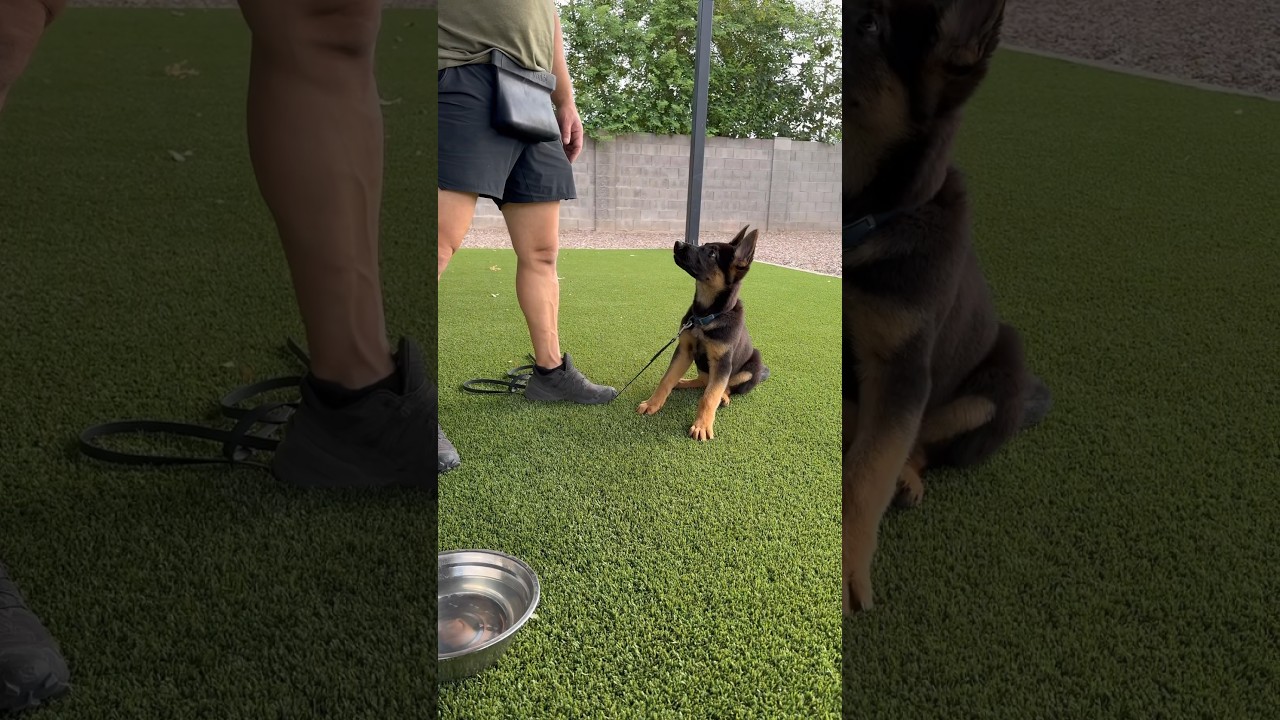


Bringing a puppy home is filled with exciting firsts: the first nap on their new bed, the first favorite toy, the first training session, and countless moments of playful curiosity. But alongside all the fun comes an important responsibility—making sure your puppy receives the healthcare they need while they grow.
One of the best ways to support your puppy’s health is to establish a relationship with a veterinarian early in life.
Puppies grow and change rapidly, and their healthcare needs are different from those of adult dogs. Regular veterinary visits allow your veterinarian to monitor development, administer appropriate vaccines, discuss parasite prevention, assess nutrition, and identify potential concerns before they become more complicated.
A veterinary appointment isn’t only necessary when your puppy is sick. Preventive care is an important part of raising a healthy dog.
Why Are Puppy Vet Visits So Important?
Puppies can sometimes appear perfectly healthy while an underlying issue is developing. They also go through rapid physical and behavioral changes during their first year.
Routine examinations give your veterinarian an opportunity to establish a health baseline and monitor changes over time.
Regular visits can help with:
- Monitoring growth and body condition
- Vaccination planning
- Parasite prevention
- Nutrition advice
- Dental development
- Skin and coat health
- Developmental concerns
- Behavioral questions
- Reproductive health planning
- Identification and microchipping discussions
- General preventive care
The exact schedule depends on your puppy’s age, health, vaccination history, location, lifestyle, and veterinary recommendations.
1. Puppy Check-Ups Help Detect Problems Early
One of the most valuable benefits of routine veterinary examinations is the opportunity to identify health problems before they become more serious.
During an examination, a veterinarian may assess your puppy’s:
- Eyes
- Ears
- Mouth and teeth
- Heart
- Lungs
- Skin and coat
- Abdomen
- Muscles and joints
- Weight and body condition
- Overall behavior and development
Your veterinarian may also ask about eating, drinking, bowel movements, urination, sleep, activity, and behavior at home.
Early detection doesn’t guarantee that every illness can be prevented, but finding a problem sooner can provide more opportunities for appropriate treatment and management.
2. Vaccinations Protect Against Serious Diseases
Vaccination is a major part of puppy preventive care.
Young puppies receive vaccinations according to a schedule recommended by their veterinarian. Depending on the region and lifestyle, vaccines may protect against diseases such as:
- Canine distemper
- Canine parvovirus
- Canine adenovirus
- Rabies
Additional vaccines may be recommended depending on local disease risks and the puppy’s circumstances.
Why do puppies need multiple vaccinations?
Puppies receive a series of vaccinations because maternal antibodies can interfere with vaccine response during early life. Repeated doses help provide protection as those antibodies decline.
Your veterinarian will determine the appropriate schedule based on factors such as age and previous vaccination history.
Until your puppy has appropriate protection, ask your veterinarian about how to safely socialize and exercise them while reducing exposure to infectious disease.
3. Parasite Prevention Should Start Early
Puppies can be vulnerable to intestinal parasites and external parasites.
Depending on your region and your puppy’s lifestyle, your veterinarian may recommend preventive care for:
- Intestinal worms
- Fleas
- Ticks
- Heartworm disease
- Other locally relevant parasites
Parasites aren’t merely an inconvenience. Some can cause significant illness in puppies, and certain parasites can also affect humans.
Your veterinarian can recommend products and schedules appropriate for your puppy’s age, weight, health, and local risks.
Never use a random parasite product
Some products are not appropriate for very young puppies, and certain medications intended for other animals can be dangerous to dogs.
Always check with your veterinarian before using a new parasite treatment.
4. Your Puppy’s Diet Can Be Reviewed
Nutrition has a major influence on healthy growth.
At veterinary visits, you can discuss:
- The type of puppy food you’re using
- Portion sizes
- Meal frequency
- Treat intake
- Body condition
- Expected growth
- Special nutritional needs
- Whether the food is appropriate for your puppy’s expected adult size
Large-breed puppies can have particular nutritional considerations because excessive or imbalanced nutrition during growth can contribute to skeletal problems.
Your veterinarian can help you monitor your puppy’s growth rather than relying solely on the number shown on a scale.
Avoid unnecessary supplements
If your puppy is eating a complete and balanced diet, additional vitamins or minerals aren’t automatically necessary.
Giving supplements without veterinary guidance can sometimes create nutritional imbalances.
5. Dental Health Starts During Puppyhood
Your puppy’s mouth is changing rapidly as baby teeth eventually give way to adult teeth.
Veterinary visits provide an opportunity to discuss:
- Normal tooth development
- Teething
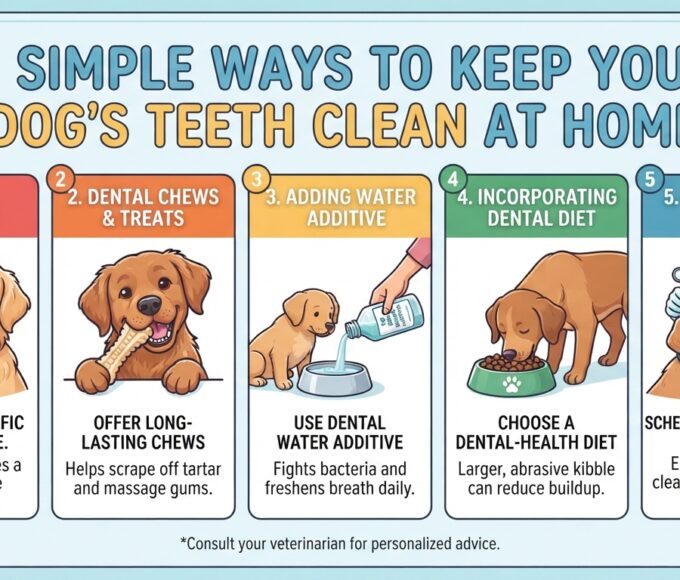
- Tooth brushing
- Safe dental products
- Retained baby teeth
- Gum health
- Appropriate chew items
Introducing tooth brushing gradually while your puppy is young can make dental care easier later.
Use toothpaste specifically made for dogs. Human toothpaste may contain ingredients that are unsafe for pets.
Why dental care matters
Poor oral health can cause pain, bad breath, gum inflammation, and other problems. Starting healthy habits during puppyhood can make dental care a normal part of your dog’s routine.
6. Veterinary Visits Are a Chance to Discuss Behavior
Your veterinarian can be an important resource for behavioral questions.
Puppies commonly display behaviors such as:
- Chewing
- Mouthing
- Jumping
- Barking
- Digging
- Potty-training accidents
- Excitement around visitors
- Difficulty settling
- Fear of unfamiliar situations
These behaviors don’t automatically mean something is wrong.
However, sudden or extreme behavioral changes can sometimes be associated with pain, illness, fear, or other underlying problems.
Bring your concerns to your veterinarian rather than assuming every unusual behavior is simply a training issue.
If more specialized help is necessary, your veterinarian may recommend a qualified trainer or veterinary behavior professional.
7. Growth and Development Can Be Monitored
Puppies don’t simply become adult dogs overnight.
Their bones, muscles, teeth, coordination, and reproductive systems develop throughout puppyhood.
Regular appointments allow your veterinarian to monitor whether development appears appropriate.
This can be particularly useful for identifying concerns involving:
- Growth rate
- Weight
- Body condition
- Gait
- Joint development
- Dental development
- Breed-related health risks
Your veterinarian can also provide guidance about appropriate exercise for your puppy’s stage of development.
8. Your Veterinarian Can Help With Exercise
Puppies need physical activity, but growing puppies also need plenty of rest.
The appropriate amount and type of exercise can vary considerably depending on:
- Age
- Breed
- Size
- Health
- Physical development
- Individual temperament
Instead of following a one-size-fits-all exercise rule, ask your veterinarian what activities are appropriate for your puppy.
Gentle play, age-appropriate walks, exploration, training games, and mental enrichment can all be useful.
Avoid routinely forcing a young puppy to perform strenuous or repetitive exercise beyond what their developing body can comfortably handle.
9. Spaying or Neutering Can Be Discussed
Decisions about spaying or neutering should be individualized.
The appropriate timing can depend on factors such as:
- Sex
- Breed
- Expected adult size
- Health
- Lifestyle
- Reproductive plans
- Veterinary recommendations
There isn’t necessarily one ideal age that applies to every dog.
Discuss the benefits, risks, timing, and alternatives with your veterinarian so you can make an informed decision based on your puppy’s circumstances.
10. Identification and Microchipping Are Worth Discussing
Puppies can be surprisingly talented escape artists.
A properly fitted collar or harness and an identification tag can provide useful contact information if your puppy becomes lost.
You can also discuss microchipping with your veterinarian.
A microchip is not a GPS tracker, but when properly registered and when your contact information is kept current, it can help identify a lost pet if they are found and scanned.
Make sure your puppy’s registration details remain up to date after moving or changing phone numbers.
How Often Should a Puppy Visit the Vet?
Puppies generally need more frequent veterinary attention during their early months than healthy adult dogs.
Early appointments often involve vaccination visits and monitoring growth and development.
After the initial puppy-care period, your veterinarian can recommend an appropriate ongoing schedule.
There is no single appointment calendar that applies to every puppy because healthcare needs vary by:
- Age
- Medical history
- Vaccination status
- Breed
- Location
- Lifestyle
- Parasite exposure
- Individual health
Follow the schedule provided by your veterinary clinic.
How to Prepare Your Puppy for Veterinary Visits
A little preparation can make veterinary appointments less stressful.
Practice gentle handling at home
Briefly touch your puppy’s paws, ears, mouth, and body while offering rewards.
Don’t force the interaction if your puppy becomes frightened.
Make the carrier or car familiar
If your puppy needs to travel in a carrier, leave it accessible at home and reward them for calmly investigating it.
For car trips, begin with short, positive journeys.
Bring useful information
Take note of:
- Current food
- Medications
- Supplements
- Parasite treatments
- Vaccination records
- Changes in appetite
- Bathroom habits
- Behavioral concerns
If you’re concerned about an unusual behavior, a short video recorded at home can sometimes help your veterinarian understand what you’re seeing.
Bring a favorite reward
Small treats can help create positive associations with the clinic, as long as your veterinarian says they’re appropriate for your puppy.
What Should You Ask Your Veterinarian?
You don’t have to wait for the veterinarian to mention every topic.
Consider asking:
- Is my puppy growing appropriately?
- Is their current diet suitable?
- How much should I feed them?
- Which vaccines do they need?
- What parasite prevention is appropriate?
- When should we start dental care?
- What exercise is suitable at this age?
- When can my puppy safely socialize with other dogs?
- When should we discuss spaying or neutering?
- Does my puppy need a microchip?
- Are there breed-specific health concerns I should watch for?
Writing questions down before the appointment can prevent you from forgetting them.
Signs Your Puppy May Need Veterinary Attention
Routine check-ups are important, but you shouldn’t wait for the next scheduled appointment if your puppy becomes seriously unwell.
Contact a veterinarian promptly if you notice concerning symptoms such as:
- Persistent vomiting
- Significant or repeated diarrhea
- Difficulty breathing
- Severe lethargy
- Collapse
- Seizures
- Bloated or painful abdomen
- Inability to keep water down
- Sudden weakness
- Significant loss of appetite
- Suspected poisoning
- Possible ingestion of a foreign object
- Serious injury
Very young puppies can become dehydrated or seriously ill quickly, so concerning symptoms deserve prompt attention.
If your puppy is having a life-threatening emergency, seek immediate veterinary care.
Common Mistakes New Puppy Owners Make
Waiting until the puppy is sick
Preventive care is one of the reasons veterinary visits are so valuable.
Ignoring dental care
Dental habits are easier to establish when puppies are young.
Using inappropriate medications
Never assume a product that is safe for humans or another animal is automatically safe for your puppy.
Skipping parasite prevention
Parasite risks vary by location and lifestyle, but prevention can be an important part of puppy healthcare.
Following generic advice instead of individualized guidance
Online puppy-care advice can be useful, but your veterinarian can account for your puppy’s specific health, size, environment, and medical history.
Hiding behavioral concerns
Tell your veterinarian about unusual or worrying behavior. Pain and illness can sometimes affect behavior.
Puppy Vet Visit Checklist
Before leaving for the appointment, consider bringing:
- Vaccination records
- Previous medical records
- List of medications and supplements
- Current food information
- A few small treats
- Leash and properly fitted collar or harness
- Carrier if appropriate
- Written questions
- Videos of concerning behaviors if relevant
After the visit, keep track of any medications, vaccination dates, follow-up appointments, and recommendations.
Frequently Asked Questions
How often should puppies see a veterinarian?
Puppies typically need several visits during their early months for vaccinations, growth monitoring, preventive care, and other developmental needs. Your veterinarian will recommend a schedule based on your puppy’s individual circumstances.
What vaccines does a puppy need?
Core vaccines commonly include protection against diseases such as distemper, parvovirus, and adenovirus, with rabies vaccination required or recommended according to local laws and circumstances. Additional vaccines may be appropriate depending on lifestyle and regional disease risks.
Should I take my puppy to the vet if they seem healthy?
Yes. Veterinary care isn’t only for sick animals. Preventive appointments allow your veterinarian to monitor development and address vaccinations, parasites, nutrition, dental health, and other routine needs.
Can I socialize my puppy before all vaccinations are complete?
Your puppy’s social development is important, but disease exposure must also be considered. Ask your veterinarian how to provide safe socialization based on your puppy’s vaccination status and local disease risks.
When should I start brushing my puppy’s teeth?
You can gradually introduce a dog-specific toothbrush and toothpaste while your puppy is young. Start slowly and reward calm cooperation.
What should I do if my puppy is terrified at the vet?
Tell the veterinary team before or during the appointment. They may be able to modify the visit, use low-stress handling techniques, or recommend strategies to make future appointments easier.
Final Thoughts
Regular veterinary check-ups are one of the most valuable investments you can make in your puppy’s early life.
These visits aren’t simply about vaccinations. They provide opportunities to monitor growth, discuss nutrition, prevent parasites, establish dental-care habits, address behavior, and catch potential health concerns early.
Your puppy will depend on you to make healthcare decisions on their behalf, so don’t hesitate to ask questions and share concerns with your veterinarian.
Starting with good preventive care can help you understand your puppy’s changing needs and give them the best possible foundation for a healthy life.
This Article Was Generated By AI.







Leave a comment