



If you’re looking for a dog that enjoys spending time with people, choosing a breed known for an affectionate and sociable temperament can be a helpful starting point.
Some dogs naturally tend to seek human companionship, enjoy meeting new people, or thrive when they’re included in family activities. Others are more independent or selective about the people they trust.
However, there is no breed that is guaranteed to be friendly in every situation. A dog’s personality is shaped by many factors, including genetics, early socialization, training, previous experiences, health, and its individual temperament.
With that in mind, the following 15 breeds are widely known for characteristics that can make them wonderful companions for the right household.
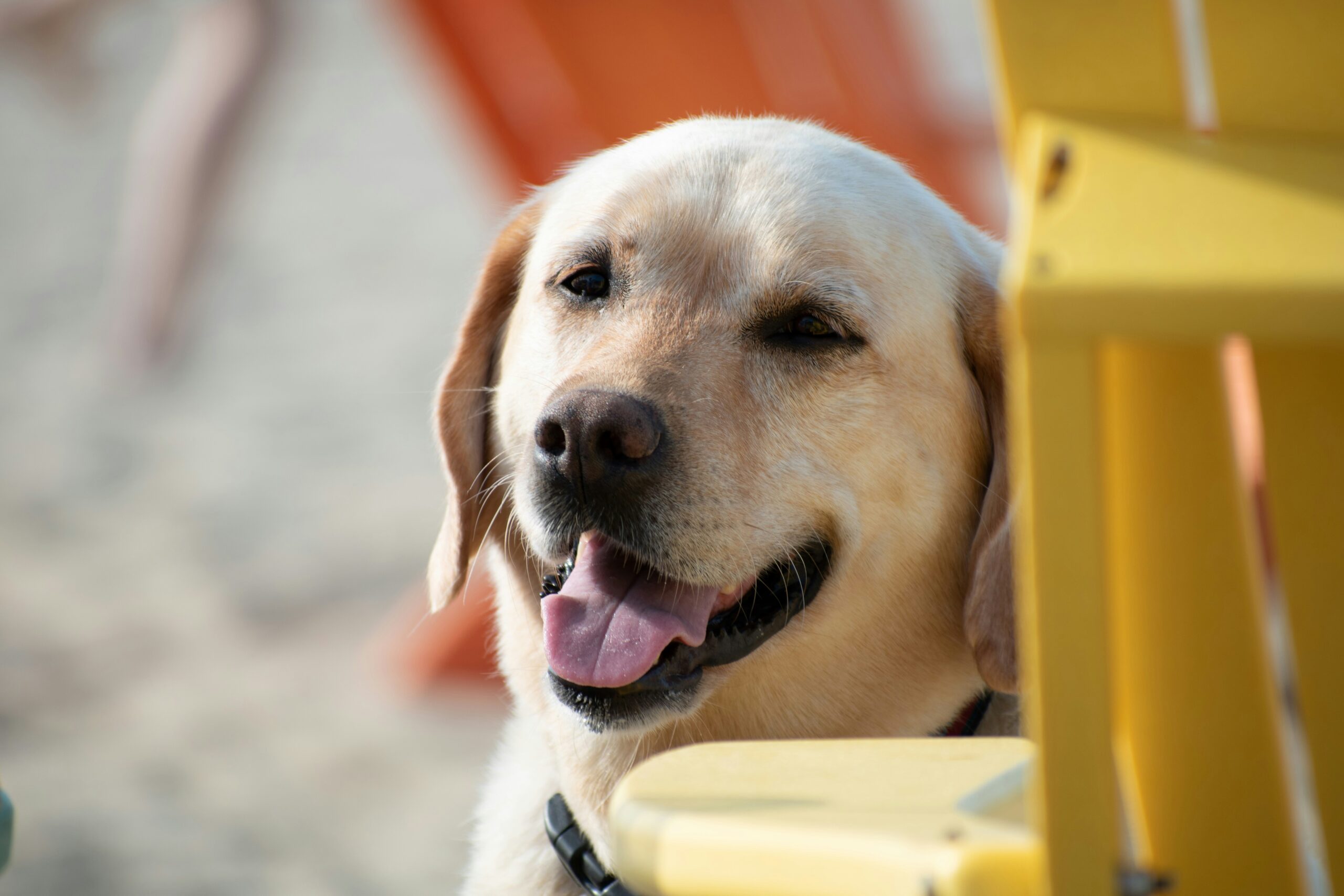
1. Labrador Retriever
Labrador Retrievers are famous for their outgoing personalities and enthusiasm for being around people.
Labs often enjoy participating in whatever their family is doing, whether that’s playing outdoors, going for a walk, learning a new skill, or relaxing at home. Their eagerness to work with people has also made them popular in assistance, therapy, detection, and other working roles.
They tend to be energetic and playful, so their friendly personality comes with a need for regular physical and mental activity.
Best suited for:
- Active families
- Owners who enjoy outdoor activities
- People interested in training
- Households wanting an affectionate companion
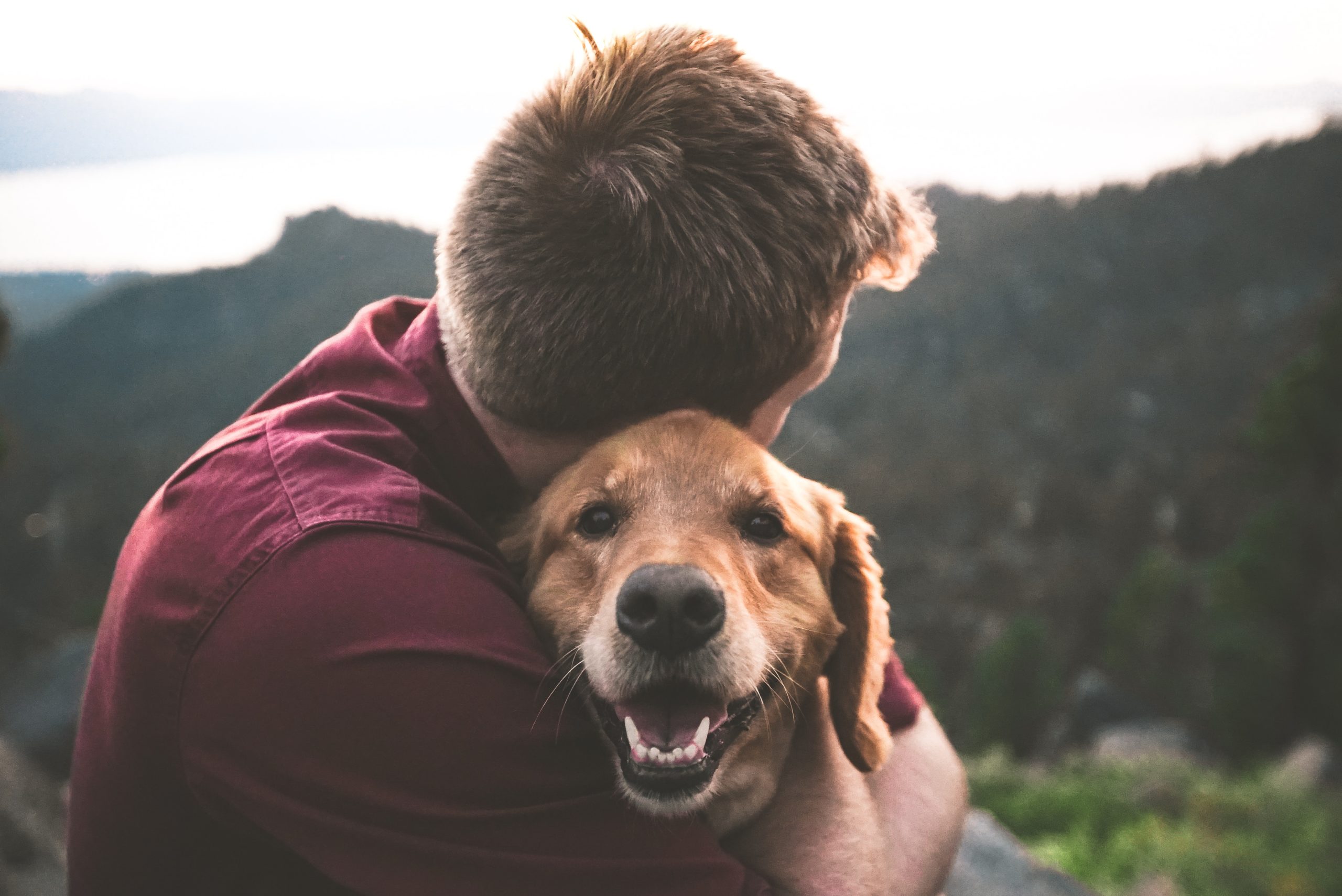
2. Golden Retriever
Golden Retrievers are another breed well known for their people-oriented personalities.
They often enjoy close interaction with their families and can be enthusiastic participants in games, walks, training sessions, and everyday household activities.
Their trainability and generally sociable nature have contributed to their popularity as family dogs and working companions.
Golden Retrievers do, however, require regular exercise, grooming, training, and social interaction.
What makes them appealing:
- Affectionate
- Social
- Highly trainable
- Playful
- Often adaptable to family life
3. Boxer
Boxers combine an energetic personality with a strong attachment to their families.
They can be playful, affectionate, and entertaining companions. Many Boxers enjoy interactive games and being involved in family activities.
Their enthusiasm means they aren’t necessarily the right choice for someone looking for a quiet, low-energy dog.
Early training and socialization are particularly important because an energetic, powerful dog needs to learn appropriate ways to interact with people and other animals.
Great for:
- Active households
- Families who enjoy play
- Owners willing to provide training and exercise
4. Irish Setter
The Irish Setter is known for its striking red coat and lively, outgoing personality.
These dogs often enjoy human company and can be enthusiastic participants in outdoor activities. Their playful nature can make them engaging family companions, particularly for people who enjoy spending time outside.
Irish Setters have considerable energy, so potential owners should be prepared for regular exercise and mental stimulation.
Their personality often includes:
- Enthusiasm
- Playfulness
- Sociability
- Affection
- Curiosity
5. Poodle
Poodles come in Standard, Miniature, and Toy varieties, and they are known for their intelligence and trainability.
A well-socialized Poodle can be an affectionate and engaging companion. Their intelligence also means they often enjoy learning tricks, participating in training, and solving problems.
Don’t mistake their elegant appearance for a lack of energy. Many Poodles need plenty of mental stimulation and physical activity.
Their curly coats also require regular grooming.
Poodles can be a good match for:
- Owners who enjoy training
- Active families
- People looking for an intelligent companion
- Households that can commit to regular grooming
Important: No dog breed is completely hypoallergenic. Poodles may produce fewer allergens for some people, but individuals with allergies can still react to them.
6. Staffordshire Bull Terrier
Staffordshire Bull Terriers are often affectionate and strongly people-oriented when responsibly bred, socialized, trained, and cared for.
They can form close relationships with their families and are frequently described by owners as playful and loving.
Their muscular build and energetic personality mean that responsible handling and training are important.
As with every breed, interactions with children and other animals should be supervised appropriately rather than relying on breed reputation alone.
Common characteristics:
- Affectionate
- Playful
- People-oriented
- Energetic
- Strong and athletic
7. Beagle
Beagles are cheerful scent hounds that often enjoy companionship.
They were historically developed to work in groups, and many Beagles are comfortable around other dogs. Their curious and social nature can make them entertaining family pets.
However, their excellent sense of smell can sometimes compete with their owner’s commands.
A Beagle who catches an interesting scent may suddenly become much more interested in following its nose than listening to you.
Beagles often thrive with:
- Regular walks
- Scent games
- Food puzzles
- Interactive play
- Consistent training
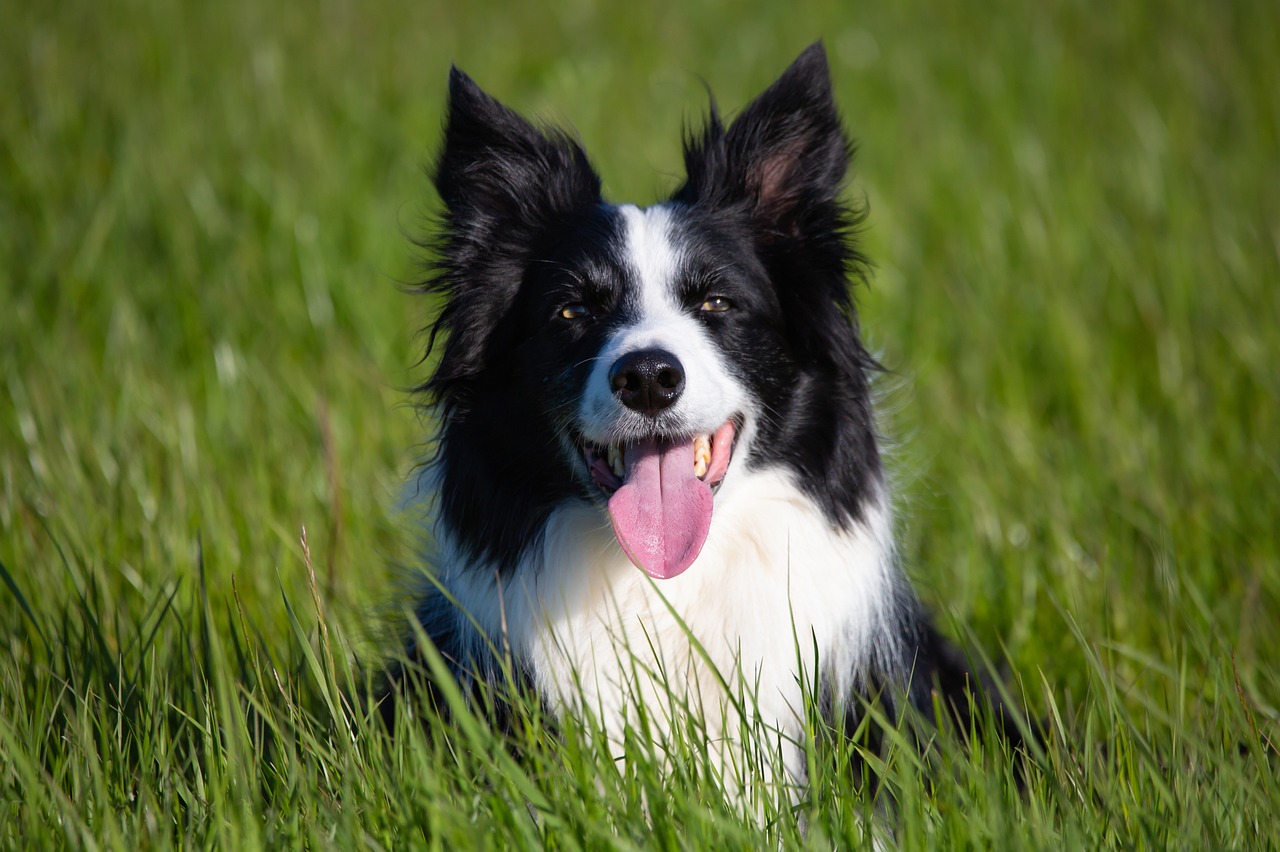
8. Border Collie
Border Collies are exceptionally intelligent and highly responsive working dogs.
Their intelligence can make them deeply connected to their owners, particularly when they receive enough training, exercise, and mental stimulation.
But calling them simply “friendly” doesn’t capture what makes this breed unique.
Border Collies are intensely active and often happiest when they have something meaningful to do.
Without adequate stimulation, they can become frustrated or develop unwanted behaviors.
Best for owners who enjoy:
- Dog sports
- Training
- Hiking
- Herding activities
- Advanced tricks
- Mental challenges
They can be wonderful companions, but their intelligence and energy require commitment.
9. Cavalier King Charles Spaniel
Cavalier King Charles Spaniels were developed primarily as companion dogs, and their affectionate nature is one of their most recognizable characteristics.
Many Cavaliers enjoy sitting close to their owners and participating in family life.
They can adapt to different living environments when their exercise, social, grooming, and companionship needs are met.
However, prospective owners should research the breed’s health considerations and work with responsible breeders or reputable rescue organizations.
Often appreciated for:
- Affectionate personality
- Companionable nature
- Playfulness
- Adaptability
- Small size
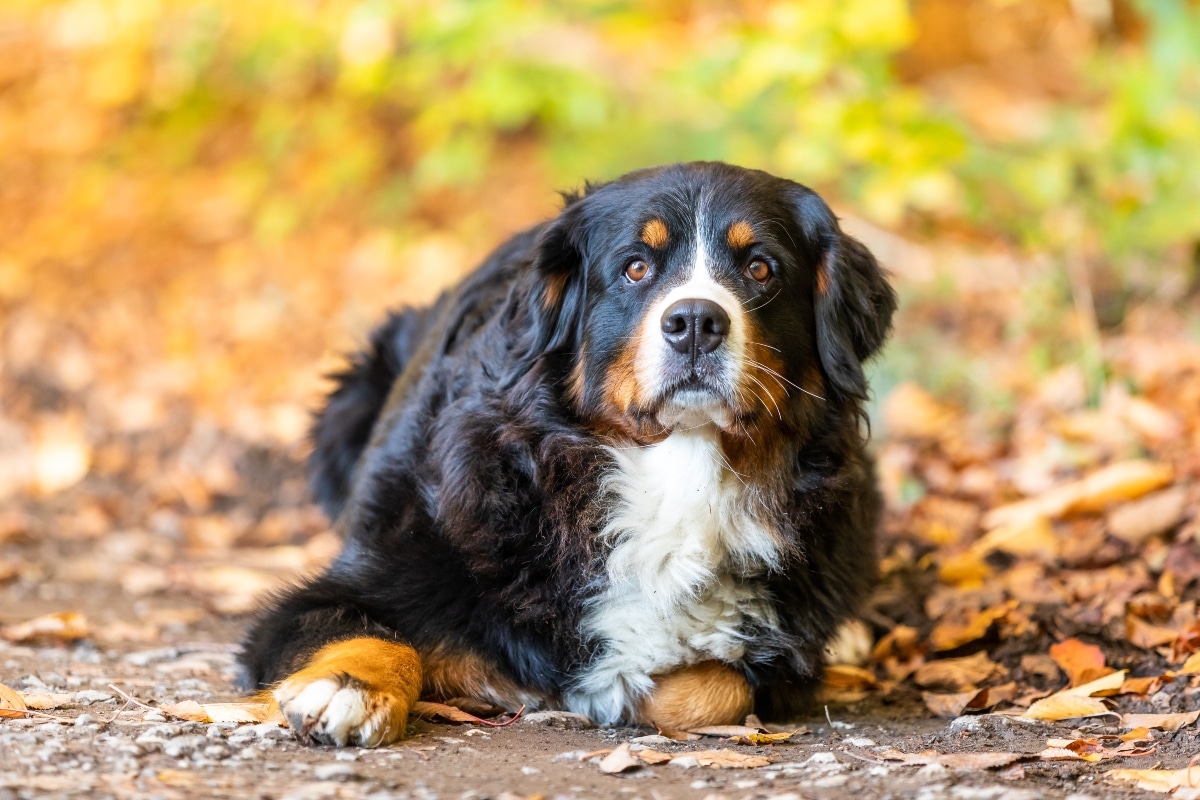
10. Bernese Mountain Dog
Bernese Mountain Dogs are large dogs with generally gentle and affectionate personalities.
Many form strong bonds with their families and enjoy being near their people.
Their substantial size means owners need to consider everything from living space and food costs to transportation and veterinary expenses.
Their thick coat can also make hot weather challenging, so appropriate temperature management is important.
They may suit:
- Families with enough space
- Owners who enjoy outdoor activities
- People looking for a large companion
- Households prepared for regular grooming
11. Newfoundland
Newfoundlands are famously large and are often described as gentle giants.
They have a history as working water dogs and are associated with strength, swimming ability, and cooperation with people.
Many Newfoundlands are affectionate and patient with their families, but their size requires careful planning.
A Newfoundland isn’t simply a larger version of a small companion dog. Owners need to consider exercise, grooming, food, drool, transportation, and veterinary costs.
Their notable qualities include:
- Gentle demeanor
- Affection
- Strong attachment to family
- Water-loving nature
- Impressive size
12. Cocker Spaniel
Cocker Spaniels are known for their expressive faces and affectionate personalities.
Both American and English Cocker Spaniels can be lively, social companions when appropriately socialized and trained.
They generally enjoy interaction with their families and can be enthusiastic about walks and play.
Their beautiful coats require regular grooming, while their ears need appropriate care and monitoring.
A Cocker Spaniel may suit:
- Active families
- Owners who enjoy grooming
- People wanting a medium-sized companion
- Households that can provide regular interaction
13. Shih Tzu
Shih Tzus were developed as companion dogs and often enjoy being close to their humans.
Their smaller size can make them suitable for a variety of homes, provided their individual exercise, grooming, and companionship needs are met.
Many enjoy sitting beside their owners but can also be playful when given appropriate opportunities.
Their long coat requires regular maintenance, and owners should be mindful of their facial anatomy, particularly in hot weather.
Shih Tzus are often appreciated for:
- Affectionate nature
- Companionable personality
- Small size
- Playfulness
- Adaptability
14. Bichon Frise
The Bichon Frise is a small companion breed known for its cheerful and engaging personality.
Many Bichons enjoy social interaction and can form strong bonds with their families.
They are often playful and can be entertaining household companions.
Their fluffy coat does require regular grooming, and their small size doesn’t mean they have no exercise or enrichment needs.
Like Poodles, Bichons are sometimes described as “hypoallergenic,” but no dog is completely allergen-free.
They can be a good fit for:
- Families
- Singles
- Apartment dwellers who can provide adequate activity
- Owners who enjoy companion dogs
15. Australian Shepherd
Australian Shepherds are intelligent, energetic working dogs that often form strong bonds with their owners.
Their desire to participate in activities can make them rewarding companions for people who enjoy training and outdoor adventures.
However, their friendliness shouldn’t be confused with being easy to manage.
Aussies typically need substantial mental and physical stimulation. Without enough appropriate activity, their intelligence and herding instincts can become challenging.
They often enjoy:
- Hiking
- Training
- Agility
- Herding activities
- Fetch
- Learning tricks
What Actually Makes a Dog Friendly?
Breed can provide clues about typical temperament, but it doesn’t determine an individual dog’s personality.
Several factors influence how sociable a dog becomes.
Genetics
Temperament has a genetic component, which is one reason breed characteristics can provide useful expectations.
Early Socialization
Positive exposure to people, animals, environments, sounds, and handling during appropriate developmental periods can help puppies develop confidence.
Training
Reward-based training teaches dogs how to behave in everyday situations and gives owners a way to communicate clearly.
Individual Personality
Two dogs from the same litter can have very different personalities.
One may greet everyone enthusiastically while another prefers to observe new people from a distance.
Previous Experiences
A dog’s history can strongly influence how it responds to strangers, children, other animals, and unfamiliar environments.
Friendly Doesn’t Mean Every Dog Loves Everyone
It’s important to distinguish between being generally sociable and wanting interaction with every person or dog.
Even a highly social breed may have individual dogs that:
- Prefer familiar people
- Feel nervous around strangers
- Dislike certain handling
- Need space around other dogs
- Become overwhelmed in busy environments
Respecting a dog’s body language is important.
Signs that a dog may be uncomfortable can include:
- Turning away
- Hiding
- Lip licking
- Yawning outside normal tiredness
- Cowering
- Tucked tail
- Avoiding eye contact
- Trying to leave
A friendly dog should still be allowed to say “no” to unwanted interaction.
How to Choose a Friendly Dog for Your Lifestyle
Instead of asking only, “Which breed is friendliest?” consider asking:
What type of dog fits my everyday life?
Think about:
Activity level
Can you provide the exercise the breed typically needs?
Time available
Some dogs thrive on frequent interaction and can struggle when left alone for extended periods.
Grooming
Long, curly, or dense coats may require considerable maintenance.
Living environment
Consider your home’s size, outdoor access, noise level, and local restrictions.
Children
If you have children, look for a dog whose temperament and energy level fit your household, and teach children how to interact respectfully with dogs.
Other pets
Consider the dog’s history, socialization, and prey drive rather than assuming every breed will automatically get along with other animals.
Training commitment
Even naturally sociable dogs need training and boundaries.
Frequently Asked Questions
What is the friendliest dog breed?
There isn’t one breed that can objectively be called the friendliest dog for every person or situation. Labrador Retrievers, Golden Retrievers, Cavalier King Charles Spaniels, Bichon Frises, and several other breeds are commonly associated with sociable and affectionate temperaments, but individual dogs vary.
Are friendly dog breeds easy to train?
Not necessarily. Friendliness and trainability are different traits. Some highly social dogs can still be energetic, easily distracted, independent, or challenging to manage.
Are friendly dogs good with children?
Some breeds are commonly suited to family life, but breed alone cannot guarantee compatibility with children. Children should always be taught appropriate dog-handling behavior, and interactions should be supervised.
Can a rescue dog be friendly?
Absolutely. Rescue dogs can be affectionate, social, playful, and wonderful companions. However, their personality may take time to emerge as they become comfortable in a new environment.
Are small dogs friendlier than large dogs?
No. Size doesn’t determine friendliness. Small and large breeds can both be affectionate or reserved depending on the individual dog and its experiences.
Can training make a dog more sociable?
Training can teach dogs appropriate responses and help them navigate everyday situations, while positive experiences and appropriate socialization can support confidence. However, training shouldn’t force a fearful dog into interactions it finds overwhelming.
Final Thoughts
The Labrador Retriever, Golden Retriever, Boxer, Irish Setter, Poodle, Staffordshire Bull Terrier, Beagle, Border Collie, Cavalier King Charles Spaniel, Bernese Mountain Dog, Newfoundland, Cocker Spaniel, Shih Tzu, Bichon Frise, and Australian Shepherd can all make affectionate companions for the right households.
But there is no universal “friendliest dog.”
The best match depends on more than a breed’s reputation. Consider energy level, grooming requirements, training needs, size, health considerations, socialization, and—most importantly—the personality of the individual dog.
Whether you choose a puppy from a responsible breeder or adopt a dog through a rescue organization, focus on building trust and creating positive experiences.
A truly wonderful canine companion isn’t defined only by how quickly they greet strangers. It’s the relationship you build together through patience, care, training, play, and countless everyday moments.







Leave a comment