



Bringing a puppy into your home is an exciting experience, but caring for a young dog involves much more than providing food, toys, and a comfortable bed. Puppies are growing rapidly, developing their immune systems, learning new behaviors, and becoming familiar with the world around them.
The habits you establish during puppyhood can influence your dog’s health and behavior for years to come. Regular veterinary care, appropriate nutrition, safe exercise, training, grooming, parasite prevention, and a secure home environment all play important roles in raising a healthy companion.
If you’re a new puppy owner, the following guide can help you understand the basics of puppy health and care and recognize when your puppy may need professional attention.
1. Schedule Your Puppy’s First Veterinary Visit
One of the first priorities after bringing a puppy home should be arranging a veterinary examination.
Even if your puppy appears healthy, an initial appointment allows the veterinarian to establish a baseline for their health and create a preventive-care plan.
During puppy visits, your veterinarian may assess:
- Weight and body condition
- Heart and lungs
- Eyes and ears
- Teeth and mouth
- Skin and coat
- Abdomen
- General development
- Parasite concerns
- Vaccination history
Your veterinarian can also discuss nutrition, parasite prevention, identification, grooming, exercise, and training.
Puppies generally need several veterinary visits during their early months because vaccinations, developmental checks, and other preventive care may need to be scheduled at different stages.
Keep your puppy’s medical records organized so you know which vaccinations, treatments, and examinations they have received.
2. Feed a Complete and Balanced Puppy Diet
Good nutrition provides the building blocks your puppy needs as their bones, muscles, organs, and immune system develop.
Choose a commercially prepared puppy food that is appropriate for your puppy’s age and expected adult size and is labeled as complete and balanced for growth.
Large-breed puppies can have different nutritional considerations from small-breed puppies, so ask your veterinarian for guidance if you’re unsure which formula is appropriate.
Avoid relying on table scraps
Some human foods are unhealthy or dangerous for dogs. Chocolate, grapes and raisins, onions, garlic, and products containing xylitol are examples of foods that can cause serious problems.
Instead of sharing random leftovers, use appropriate puppy treats for training and enrichment.
Don’t forget water
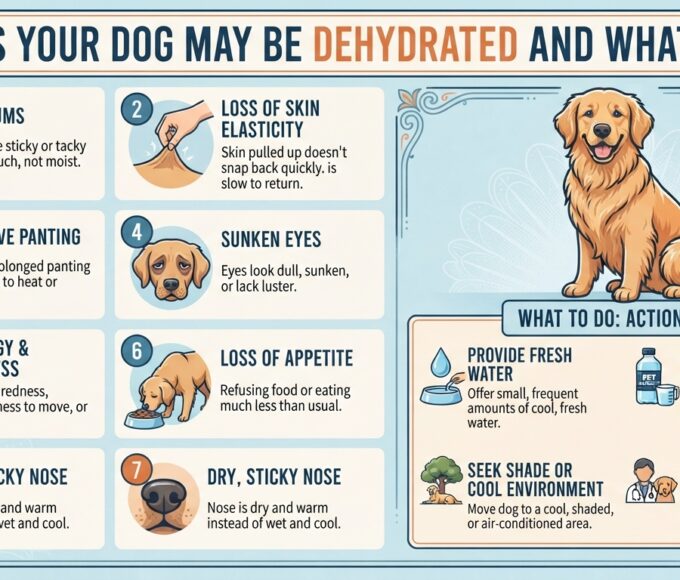
Fresh drinking water should be readily available. Puppies can become dehydrated more quickly than adult dogs, particularly during hot weather or after active play.
3. Establish a Healthy Feeding Routine
A puppy’s stomach is small, and young puppies often need several meals rather than one or two large meals.
The appropriate feeding schedule depends on age, breed, size, food, and individual needs.
Rather than guessing portions, follow the food manufacturer’s guidance as a starting point and ask your veterinarian how much your puppy should receive.
Monitor your puppy’s growth and body condition rather than focusing only on the number on a measuring cup.
A puppy that is growing rapidly isn’t necessarily healthier simply because they’re eating more.
4. Keep Vaccinations and Preventive Care Up to Date
Puppies are particularly vulnerable to several infectious diseases, which is why staying on schedule with recommended vaccinations is so important.
Your veterinarian will determine which vaccines your puppy needs and when they should be administered based on factors such as age, lifestyle, and local disease risks.
Preventive care may also include protection against:
- Intestinal parasites
- Fleas
- Ticks
- Heartworm
- Other regionally relevant parasites
Don’t use leftover medication or products intended for another animal. Some parasite-control products are not appropriate for puppies of certain ages or weights.
Always follow veterinary or product-label instructions.
5. Protect Your Puppy From Parasites
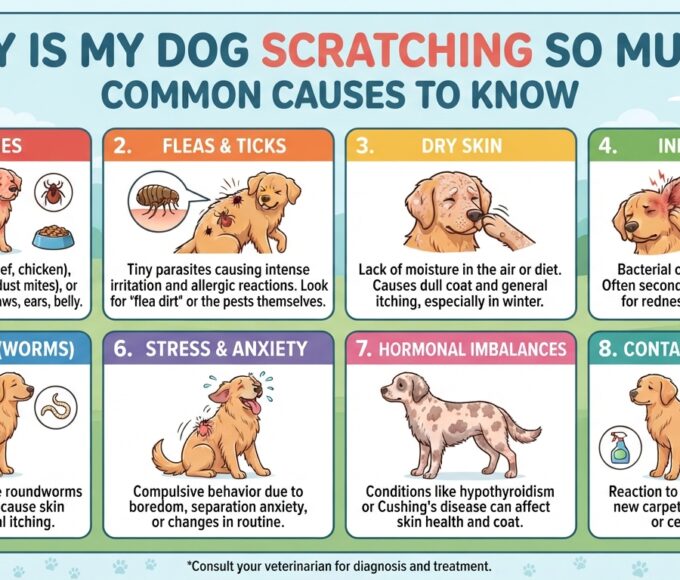
Fleas, ticks, worms, and other parasites can cause anything from mild irritation to serious illness.
Check your puppy regularly, particularly after outdoor activities.
Watch for signs such as:
- Excessive scratching
- Fleas or flea dirt
- Ticks attached to the skin
- Persistent coughing
- Diarrhea
- Poor weight gain
- A swollen-looking abdomen
- Changes in appetite or energy
Not every parasite is visible to the naked eye, which is why routine veterinary examinations and appropriate preventive treatments are important.
Your veterinarian can recommend products based on your puppy’s age, weight, health, and environment.
6. Give Your Puppy Appropriate Exercise
Puppies naturally have bursts of energy, but their growing bodies also need plenty of rest.
Exercise should be age-appropriate and shouldn’t consist entirely of long walks or strenuous activity.
Good options can include:
- Short walks when appropriate
- Gentle games
- Supervised exploration
- Fetch with appropriate intensity
- Sniffing activities
- Basic training exercises
- Food puzzles
- Interactive toys
Avoid forcing a young puppy to run for long distances or repeatedly perform high-impact activities.
The amount and type of exercise your puppy needs will change as they mature.
7. Don’t Underestimate Mental Stimulation
Physical activity is only one part of keeping a puppy healthy.
A puppy also needs opportunities to use their brain.
Mental enrichment can include:
- Learning simple cues
- Food puzzles
- Snuffle mats
- Scent games
- Finding hidden treats
- Exploring safe environments
- Learning new tricks
- Rotating toys
A few minutes of thoughtful training can sometimes be more useful than simply trying to exhaust your puppy physically.
Mental stimulation can also help reduce boredom-related behaviors such as inappropriate chewing and attention-seeking.
8. Make Sleep and Rest a Priority
Growing puppies need a great deal of sleep.
It can be tempting to keep playing with a puppy because they’re adorable and energetic, but insufficient rest can contribute to an overtired puppy becoming irritable, hyperactive, or difficult to settle.
Give your puppy a quiet sleeping area where they can rest without constant interruptions.
A crate, puppy pen, bed, or designated quiet area can help establish a predictable place for relaxation.
If your puppy suddenly sleeps much more than normal and is difficult to wake, however, that can be different from ordinary puppy sleepiness and may warrant veterinary attention.
9. Start Training Early
Training isn’t just about teaching your puppy to sit.
Early training helps your puppy learn how to live safely and politely around people.
Useful skills include:
- Responding to their name
- Sit
- Come
- Wait
- Leave it
- Drop it
- Walking on a leash
- Settling calmly
- Coming when called
- Accepting gentle handling
Use positive reinforcement by rewarding behaviors you want your puppy to repeat.
Keep sessions short and enjoyable. Puppies learn through repetition, so several brief sessions throughout the day may be more effective than one long lesson.
10. Socialize Your Puppy Safely
Socialization is an important part of healthy puppy development.
A well-socialized puppy isn’t necessarily one that wants to greet everyone. Instead, the goal is to help them become comfortable and confident around everyday experiences.
Gradually introduce your puppy to:
- Different people
- Household noises
- Car rides
- New surfaces
- Gentle handling
- Grooming equipment
- Friendly dogs when appropriate
- Different environments
- Common sights and sounds
Don’t force your puppy toward something that frightens them. Give them distance, time, and positive experiences.
Because young puppies may not yet have completed their vaccination series, speak with your veterinarian about which environments and dog interactions are considered safe in your area.
11. Establish a Grooming Routine
Grooming isn’t only about making your puppy look clean. Regular grooming can help maintain skin and coat health and teaches your puppy to tolerate routine handling.
Depending on your puppy’s breed and coat, grooming may include:
- Brushing
- Bathing when necessary
- Nail trimming
- Ear care
- Coat trimming
- Dental care
Start slowly.
For example, you might touch a paw for a few seconds, reward your puppy, and stop. Over time, gradually increase the amount of handling.
This approach can make future nail trims and veterinary examinations less stressful.
12. Take Care of Your Puppy’s Teeth
Dental care should begin early.
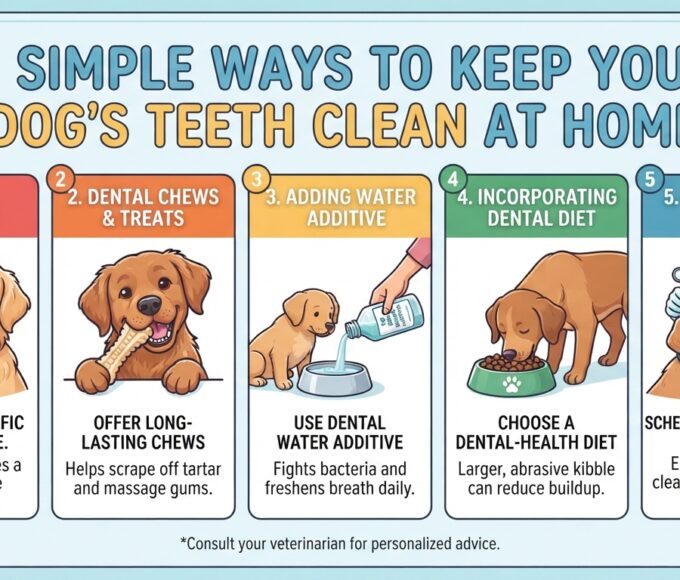
Start by allowing your puppy to become comfortable with having their mouth handled. You can then gradually introduce a dog-specific toothbrush and toothpaste.
Never assume that human toothpaste is safe for dogs.
Appropriate dental chews may also provide enrichment, but they shouldn’t automatically replace brushing or professional dental care.
Your veterinarian can advise you about your puppy’s developing teeth and overall oral health.
13. Puppy-Proof Your Home
Puppies are curious and have a habit of investigating objects by chewing them.
Before giving your puppy access to the house, look for hazards at their eye level and below.
Secure or remove:
- Electrical cables
- Cleaning chemicals
- Medications
- Small objects
- Batteries
- Sharp items
- Toxic plants
- Food waste
- Open containers
- Easily accessible household chemicals
Keep shoes, clothing, and other tempting objects out of reach.
Baby gates and puppy pens can be particularly useful when you cannot supervise your puppy directly.
14. Choose Safe Toys and Chews
Chewing is normal puppy behavior, especially during teething.
Provide toys designed for puppies rather than giving them random household objects.
Useful choices can include:
- Puppy-safe rubber toys
- Food-stuffable toys
- Appropriate chew toys
- Puzzle toys
- Soft toys for supervised play
- Tug toys
Inspect toys frequently.
If a toy becomes damaged, starts breaking apart, or contains pieces your puppy could swallow, remove it.
No toy is completely risk-free, so supervision is particularly important with aggressive chewers.
15. Teach Your Puppy Good Bathroom Habits
Potty training requires patience and consistency.
Take your puppy to the appropriate bathroom area regularly, especially after:
- Sleeping
- Eating
- Drinking
- Playing
- Exciting activities
Watch for signs that your puppy needs to eliminate, such as sniffing, circling, wandering away, or suddenly stopping an activity.
Reward successful potty trips immediately.
Accidents are part of the process. Avoid punishing your puppy because they had an accident indoors. Instead, clean the area thoroughly and increase supervision and potty opportunities.
16. Help Your Puppy Maintain a Healthy Weight
Puppies need adequate nutrition for growth, but excessive weight can place unnecessary stress on a developing body.
Learn what a healthy body condition looks like for your puppy and have your veterinarian monitor growth during regular appointments.
Be careful with treats.
Treats can be useful for training, but they still contribute calories. If you’re using food frequently during training, keep portions small and account for treats within your puppy’s overall daily intake.
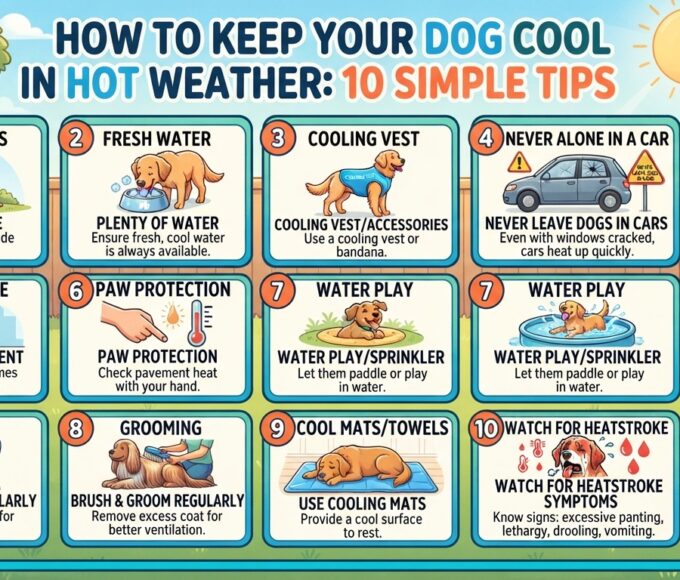
17. Keep Your Puppy Safe in Hot Weather
Puppies can be vulnerable to overheating, particularly during hot and humid weather.
Provide:
- Plenty of fresh water
- A cool resting area
- Shade outdoors
- Appropriate indoor ventilation or cooling
- Exercise during cooler periods
Avoid strenuous activity during the hottest part of the day.
Never leave your puppy alone in a parked vehicle, even for a short period. Temperatures inside vehicles can rise rapidly.
Flat-faced breeds and puppies with certain health conditions may be especially vulnerable to heat-related problems.
18. Learn the Warning Signs of Illness
Because puppies can become sick quickly, it’s useful to know what is normal for your individual dog.
Contact your veterinarian if you notice significant or persistent changes such as:
- Repeated vomiting
- Persistent diarrhea
- Refusal to eat
- Unusual weakness
- Severe lethargy
- Difficulty breathing
- Collapse
- Seizures
- Significant pain
- Blood in vomit or stool
- A swollen abdomen
- Pale or abnormal-looking gums
- Suspected poisoning
- Difficulty standing or walking
If you believe your puppy has swallowed a potentially dangerous substance or object, don’t wait for symptoms to appear before seeking professional advice.
When in doubt, contacting your veterinarian is safer than trying to diagnose the problem yourself.
19. Prepare a Puppy First-Aid and Emergency Plan
You don’t need to become a veterinary professional, but basic preparation can make an emergency less stressful.
Keep a pet first-aid kit containing appropriate supplies such as:
- Gauze
- Bandages
- Disposable gloves
- Tweezers
- Clean towels
- A digital thermometer
- Saline for appropriate cleaning
- Your veterinarian’s contact details
A first-aid kit is not a substitute for veterinary treatment.
Also save the contact information for an emergency veterinary clinic and know how you would transport your puppy there if necessary.
20. Keep Identification Information Current
Puppies can escape through open doors, damaged fences, or surprisingly small gaps.
Use appropriate identification, such as:
- A secure collar
- Identification tag
- Microchip
- Current contact information
If your phone number or address changes, update your puppy’s identification records.
A microchip is especially useful because collars and tags can become lost.
21. Build Healthy Habits Through Everyday Life
You don’t have to make puppy care complicated.
Many healthy habits can become part of your normal routine.
For example:
- Reward calm behavior while relaxing at home.
- Practice recall during safe activities.
- Brush your puppy while offering treats.
- Check their paws after outdoor adventures.
- Practice gentle ear and mouth handling.
- Use meals for simple training exercises.
- Rotate enrichment toys to maintain interest.
- Give your puppy regular opportunities to rest.
These small habits add up over time.
A Simple Puppy Health Checklist
Use this checklist to stay organized during your puppy’s first months:
| Puppy Care Area | What to Remember |
|---|---|
| Veterinary care | Schedule examinations and follow professional recommendations |
| Vaccinations | Keep recommended vaccinations on schedule |
| Nutrition | Feed an appropriate complete and balanced puppy diet |
| Water | Provide fresh water regularly |
| Parasites | Follow an appropriate prevention plan |
| Exercise | Use age-appropriate physical activity |
| Mental stimulation | Include training, sniffing, puzzles, and exploration |
| Grooming | Introduce brushing, nail care, and handling gradually |
| Dental care | Establish a dog-safe dental routine |
| Training | Use consistent, positive reinforcement |
| Socialization | Provide safe, gradual exposure to new experiences |
| Safety | Puppy-proof the home and supervise exploration |
| Identification | Keep tags and microchip information current |
| Emergency plan | Know how to contact veterinary care quickly |
Frequently Asked Questions About Puppy Health
How often should a puppy visit the veterinarian?
Puppies generally need multiple veterinary visits during their first months for health examinations, vaccinations, parasite management, and developmental monitoring. After the puppy stage, routine visits are typically less frequent, but the exact schedule depends on your dog’s age, health, lifestyle, and veterinary recommendations.
What should I feed my puppy?
Choose a complete and balanced food formulated for puppy growth and appropriate for your dog’s expected adult size. Your veterinarian can help you select an appropriate diet and determine suitable portions.
Can puppies exercise every day?
Yes, puppies need daily activity, but the intensity and duration should be appropriate for their age and development. Short periods of play, exploration, training, and gentle activity are often more suitable than prolonged strenuous exercise.
How can I tell if my puppy is sick?
Changes in appetite, energy, digestion, breathing, behavior, or appearance can indicate a problem. Persistent vomiting or diarrhea, severe lethargy, difficulty breathing, collapse, seizures, suspected poisoning, or other serious symptoms require prompt veterinary attention.
When should I start grooming my puppy?
You can introduce grooming and handling gradually from an early age. Start with short, positive experiences and reward calm behavior. The amount of brushing, bathing, and trimming required will depend on your puppy’s breed and coat.
How do I keep my puppy from getting parasites?
Ask your veterinarian about an appropriate parasite-prevention program. Regular preventive treatment, routine veterinary checks, good hygiene, and checking your puppy after outdoor activities can all help reduce parasite risks.
How much sleep does a puppy need?
Young puppies can sleep for many hours throughout the day because growth and development require substantial rest. Provide a quiet, comfortable place where your puppy can sleep without constant disturbance.
Are vaccinations really necessary for puppies?
Vaccinations are an important part of preventive veterinary care because they help protect puppies from several serious infectious diseases. Your veterinarian can recommend an appropriate vaccination schedule based on your puppy’s age and circumstances.
Final Thoughts
Keeping a puppy healthy is a long-term responsibility, but it doesn’t have to feel overwhelming. Start with the essentials: appropriate nutrition, veterinary care, preventive medicine, safe exercise, positive training, socialization, grooming, dental care, and a puppy-proofed home.
Most importantly, get to know your individual puppy. Every dog develops differently, and their nutritional, exercise, training, and healthcare needs can change as they grow.
With patience, consistency, and professional veterinary guidance when needed, you can help your puppy develop healthy habits and give them a strong foundation for a happy life.
This Article Was Generated By AI.





Leave a comment