





Traveling with your dog can turn an ordinary trip into a memorable adventure. Whether you’re taking a weekend road trip, visiting family, heading to a pet-friendly vacation rental, or simply driving to a new destination, having your canine companion along can be incredibly rewarding.
But dogs experience travel differently from people. A journey that seems exciting to you may be confusing, stressful, or uncomfortable for your pet. Changes in routine, unfamiliar environments, long car rides, crowds, heat, and strange sounds can all create challenges.
The good news is that many travel problems can be prevented with a little preparation.
Here are some of the most common mistakes dog owners make when traveling—and what you can do instead.
1. Failing to Plan Ahead
One of the biggest travel mistakes is treating your dog’s needs as an afterthought.
Before leaving home, research your destination and think about everything your dog may need along the way. A pet-friendly hotel isn’t necessarily the only thing you need to arrange.
Depending on your trip, you may need to check:
- Whether your accommodation allows dogs
- Pet fees or size restrictions
- Local leash requirements
- Nearby veterinary clinics
- Dog-friendly parks or walking areas
- Vaccination requirements
- Travel documentation
- Transportation rules
- Availability of pet-friendly restaurants or attractions
If you’re traveling across borders, additional documentation, health certificates, microchip requirements, or vaccination rules may apply.
A useful tip
Save important information on your phone, but also keep essential details available offline in case you lose internet access.
Planning ahead reduces last-minute stress for both you and your dog.
2. Ignoring Travel Safety
A loose dog inside a moving vehicle can be dangerous.
Even a normally calm dog can suddenly become excited by another animal, loud noise, or something outside the window. A dog moving around the cabin can distract the driver and may also be injured during sudden braking or a collision.
Instead, use an appropriate restraint such as:
- A crash-tested dog harness
- A properly secured travel carrier
- A suitable vehicle crate
- A secure pet barrier where appropriate
The safest option depends on your dog’s size, temperament, and the type of vehicle you’re using.
Never allow your dog to ride unsecured in the back of a pickup truck.
Don’t let your dog ride with its head out of the window
Although many dogs love the feeling of the wind, allowing them to hang their head outside a moving vehicle can expose them to flying debris, insects, sudden impacts, and other injuries.
A slightly open window can provide ventilation without allowing your dog to put its head outside.
3. Leaving Your Dog Alone in a Hot Car
This is one of the most serious mistakes a pet owner can make.
A parked vehicle can become dangerously hot surprisingly quickly, even when the outside temperature doesn’t seem extreme. Cracking the windows open is not a reliable way to make the car safe.
Never leave your dog unattended in a parked vehicle in conditions where heat or cold could endanger them.
If you need to stop somewhere that doesn’t allow pets, make alternative arrangements rather than leaving your dog inside the vehicle.
Signs of heat-related distress can include:
- Excessive panting
- Heavy drooling
- Weakness
- Confusion
- Vomiting
- Collapse
Heatstroke can become life-threatening. If you suspect your dog is overheating, seek veterinary assistance immediately.
4. Forgetting to Schedule Breaks
A long journey can be tiring for a dog just as it can be for a person.
Don’t wait until your dog becomes restless before stopping. Plan regular breaks where your dog can safely stretch, walk, drink water, and have a bathroom opportunity.
During breaks:
- Put your dog on a leash before opening the vehicle door.
- Choose a safe area away from traffic.
- Offer fresh water.
- Allow time for a bathroom break.
- Give your dog a few minutes to move around.
- Check that your dog is comfortable before continuing.
Never assume an unfamiliar dog-friendly area is secure enough for off-leash activity.
5. Changing Your Dog’s Routine Too Much
Dogs often feel more comfortable when their daily routine remains somewhat predictable.
Travel naturally changes things, but you can maintain familiar habits where possible.
Try to keep your dog’s:
- Feeding times
- Bathroom routine
- Walking schedule
- Bedtime
- Rest periods
reasonably consistent.
You don’t need to follow the schedule perfectly. Even small pieces of familiarity can help your dog adjust to an unfamiliar environment.
6. Packing Too Little
Another common mistake is remembering your own luggage while forgetting half of your dog’s supplies.
Before leaving, create a dedicated dog travel bag.
Consider packing:
Food and water
- Regular dog food
- Treats
- Bottled or travel-safe water
- Food and water bowls
- Food storage container
Comfort items
- Blanket
- Bed
- Favorite toy
- Familiar-smelling item from home
Walking equipment
- Collar
- Leash
- Backup leash
- Harness
- Waste bags
Health and identification
- Medication
- Veterinary information
- Vaccination records when needed
- Microchip information
- Emergency contact details
Cleaning supplies
- Paper towels
- Pet-safe cleaning supplies
- Towels
- Extra bedding
Packing extras can save you from trying to find unfamiliar supplies during the trip.
7. Introducing Too Many New Foods
Vacation isn’t the best time to completely change your dog’s diet.
Some owners are tempted to give their pets unfamiliar treats or table scraps while traveling. Sudden dietary changes can cause stomach upset, diarrhea, or vomiting.
Whenever possible, bring enough of your dog’s normal food for the entire trip, plus a little extra in case your plans change.
If you want to introduce a new food or treat, doing so gradually at home is generally easier than experimenting during travel.
And remember: some human foods are unsafe for dogs, so don’t assume a snack is safe simply because it is harmless to people.
8. Forgetting Identification
A dog becoming lost in an unfamiliar location is every owner’s nightmare.
Unfortunately, travel can increase the risk. An unfamiliar door may open unexpectedly, a leash may break, or a frightened dog may run when exposed to a strange environment.
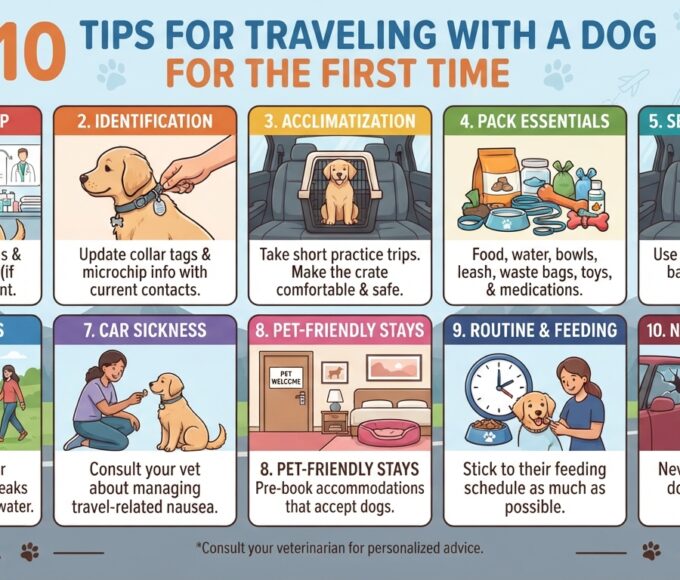
Before traveling, make sure your dog’s identification information is current.
Your dog should ideally have:
- A secure collar
- An identification tag
- Current contact information
- A registered microchip, where available
It’s also a good idea to carry a recent photograph of your dog on your phone.
Check identification details before every major trip, especially if you’ve recently changed your phone number or address.
9. Assuming Your Dog Will Love Every New Experience
Not every dog enjoys crowds, busy streets, noisy attractions, or unfamiliar animals.
Some dogs are naturally confident in new environments, while others become overwhelmed easily.
Pay attention to body language such as:
- Excessive panting when it’s not hot
- Lip licking
- Yawning
- Trembling
- Hiding
- Pacing
- Trying to escape
- Flattened ears
- Avoiding interaction
If your dog seems overwhelmed, give them space and reduce the stimulation.
A successful trip isn’t about visiting every attraction. Sometimes your dog would rather relax quietly at the accommodation while you explore separately.
10. Skipping Exercise and Mental Stimulation
Travel days can be busy, but dogs still need opportunities to move and use their minds.
A long car ride followed by hours of sitting in an unfamiliar hotel room can leave some dogs restless.
Depending on your dog’s age and physical condition, include appropriate activities such as:
- Short walks
- Sniffing opportunities
- Puzzle toys
- Training games
- Interactive toys
- Quiet exploration
Avoid suddenly demanding intense exercise from a dog that isn’t conditioned for it.
The goal is to provide appropriate activity—not exhaust your dog.
11. Not Preparing for Motion Sickness
Some dogs become nauseous during car journeys.
Signs may include:
- Drooling
- Lip licking
- Restlessness
- Whining
- Repeated swallowing
- Vomiting
If your dog experiences motion sickness, speak with your veterinarian before traveling. They can help determine whether training, feeding adjustments, or medication may be appropriate.
Avoid giving your dog human medication unless a veterinarian specifically tells you to do so.
12. Forgetting About Your Dog’s Comfort
Travel can involve unfamiliar temperatures, surfaces, sounds, and sleeping arrangements.
Pay attention to your dog’s comfort throughout the journey.
For example, don’t force your dog to lie directly on a cold or hot surface, and make sure they have a comfortable place to rest once you arrive.
Bringing a familiar blanket or bed can make a hotel room or vacation rental feel less strange.
Familiar smells can provide reassurance in an unfamiliar environment.
13. Letting Your Dog Off-Leash in Unfamiliar Places
A dog with an excellent recall at home may behave differently somewhere new.
Unfamiliar surroundings can trigger excitement, fear, or a strong desire to investigate.
Unless you’re in a secure, designated off-leash area, keep your dog appropriately restrained.
This is particularly important near:
- Roads
- Parking lots
- Hiking trails
- Beaches
- Campgrounds
- Busy tourist areas
- Wildlife
A secure leash and properly fitted harness can prevent a frightening situation from becoming an emergency.
14. Being Unprepared for Emergencies
Hopefully, your trip will go exactly as planned. But responsible pet travel means preparing for things that might go wrong.
Before leaving, identify a veterinary clinic near your destination and save its contact details.
A basic dog first-aid kit can also be useful for minor situations.
It may include items such as:
- Gauze
- Bandages
- Disposable gloves
- Tweezers
- Clean towels
- Saline suitable for basic wound rinsing
- Your veterinarian’s contact information
A first-aid kit isn’t a replacement for professional veterinary care. If your dog suffers a serious injury, becomes severely ill, has difficulty breathing, collapses, or shows signs of poisoning, seek veterinary assistance immediately.
15. Ignoring the Accommodation Rules
Even if a hotel or rental property advertises itself as pet-friendly, there may be specific rules.
Check whether the property has restrictions involving:
- Dog size
- Number of pets
- Certain rooms
- Pet fees
- Leash requirements
- Furniture
- Areas where dogs aren’t permitted
- Leaving pets unattended
Following the rules protects your dog, other guests, and the accommodation.
It’s also courteous to clean up after your pet and prevent excessive barking or other disturbances.
A Simple Dog Travel Checklist
Before heading out, use this quick checklist:
| Item | Packed? |
|---|---|
| Dog food | ☐ |
| Fresh water | ☐ |
| Food and water bowls | ☐ |
| Leash and harness | ☐ |
| Collar and ID tag | ☐ |
| Waste bags | ☐ |
| Medication | ☐ |
| Veterinary information | ☐ |
| Favorite toy | ☐ |
| Blanket or bed | ☐ |
| Travel carrier/restraint | ☐ |
| Towels | ☐ |
| Cleaning supplies | ☐ |
| First-aid supplies | ☐ |
| Recent photo of your dog | ☐ |
How to Make Travel Easier for Your Dog
The best trips usually involve preparation rather than improvisation.
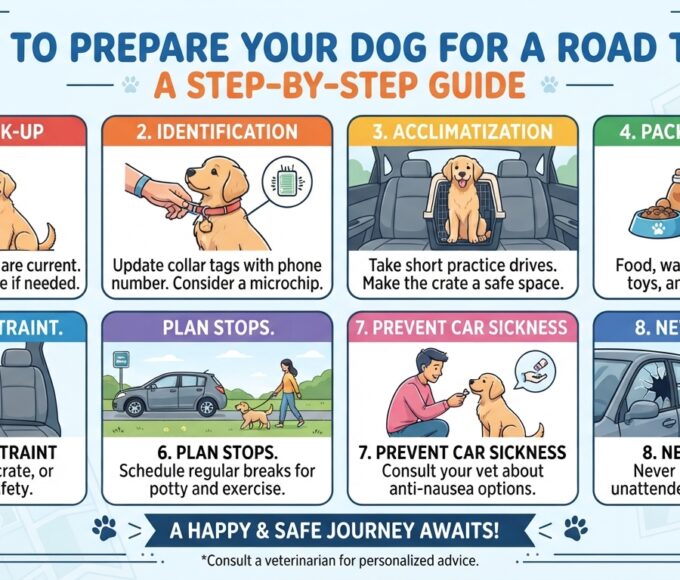
Before your departure, allow your dog to become familiar with their carrier, harness, or travel restraint. If they’re inexperienced with long car journeys, start with short drives and gradually increase the duration.
Reward calm behavior and avoid turning travel into something frightening.
On the actual journey, provide regular breaks and keep an eye on your dog’s behavior. Once you reach your destination, give them time to explore and settle before immediately filling the day with activities.
Remember that your dog doesn’t need a packed vacation itinerary.
Sometimes their perfect holiday is simply a comfortable bed, a familiar toy, a peaceful walk, and plenty of time with you.
Frequently Asked Questions
Can I take my dog on public transportation?
Some buses, trains, ferries, and other transportation services allow pets, while others have restrictions. Always check the specific company’s current pet policy before traveling.
How often should I stop during a road trip with my dog?
There isn’t one schedule that works for every dog, but regular breaks are important on longer journeys. Give your dog opportunities to drink, stretch, walk, and use the bathroom, and adjust the frequency based on age, health, and individual needs.
Should I feed my dog before a long car ride?
This depends on the individual dog, especially if they experience motion sickness. Ask your veterinarian for advice if your dog regularly becomes nauseous during travel.
What should I do if my dog gets anxious while traveling?
Reduce stimulation where possible, provide familiar items, maintain a calm environment, and give your dog opportunities to rest. If anxiety is severe or persistent, talk with your veterinarian before future trips.
Can I leave my dog alone in a hotel room?
That depends on the accommodation’s rules and your dog’s ability to remain calm and safe when alone. Never assume pets can be left unattended without checking first.
What should I do if my dog becomes sick during a trip?
For mild problems, contact your veterinarian for guidance. For serious symptoms, significant injuries, breathing difficulties, collapse, suspected poisoning, or other emergencies, seek veterinary care immediately.
Final Thoughts
Traveling with your dog doesn’t have to be stressful. Most problems can be avoided by thinking about your pet’s needs before the journey begins.
Plan your route, choose suitable accommodations, secure your dog properly, pack essential supplies, schedule regular breaks, maintain familiar routines, and prepare for emergencies.
Most importantly, pay attention to your dog’s behavior. If they’re tired, frightened, overheated, or overwhelmed, adjust your plans rather than forcing them to continue.
A successful dog-friendly trip isn’t measured by how many places you visit. It’s measured by whether you and your canine companion arrive home safe, comfortable, and ready to enjoy the memories you made together.







Leave a comment