






A Liverpool couple were convicted after running a dog-boarding business without the required licence, following an investigation by Liverpool City Council.
The case came to light after serious concerns were raised about dogs that had stayed at the couple’s home. One dog died while in their care, while another reportedly disappeared and was never reunited with its owners.
The case highlights why pet owners should check that anyone providing commercial dog boarding services is properly licensed and able to meet required animal-welfare standards.
The Case Involved an Unlicensed Dog-Boarding Business
Rachel and Owen Dempsey, from Fazakerley in Liverpool, pleaded guilty to operating a dog-boarding service without the required licence.
According to reports of the court proceedings, the couple had advertised their services and earned more than £3,000 over a period of just over a year.
A judge described their operation as “amateur” and “incompetent at best.”
Liverpool City Council investigated the business after a dog died while staying in the couple’s care.
Concerns Were Raised by Other Dog Owners
During the council’s investigation, additional dog owners reportedly came forward with complaints about their experiences.
Some owners said their dogs returned home unwell. Other concerns involved missing belongings and dog bedding that was reportedly returned in such poor condition that it had to be thrown away.
The investigation therefore extended beyond the original incident and examined the wider operation of the unlicensed boarding business.
A Dog Named Shadow Was Reportedly Never Found
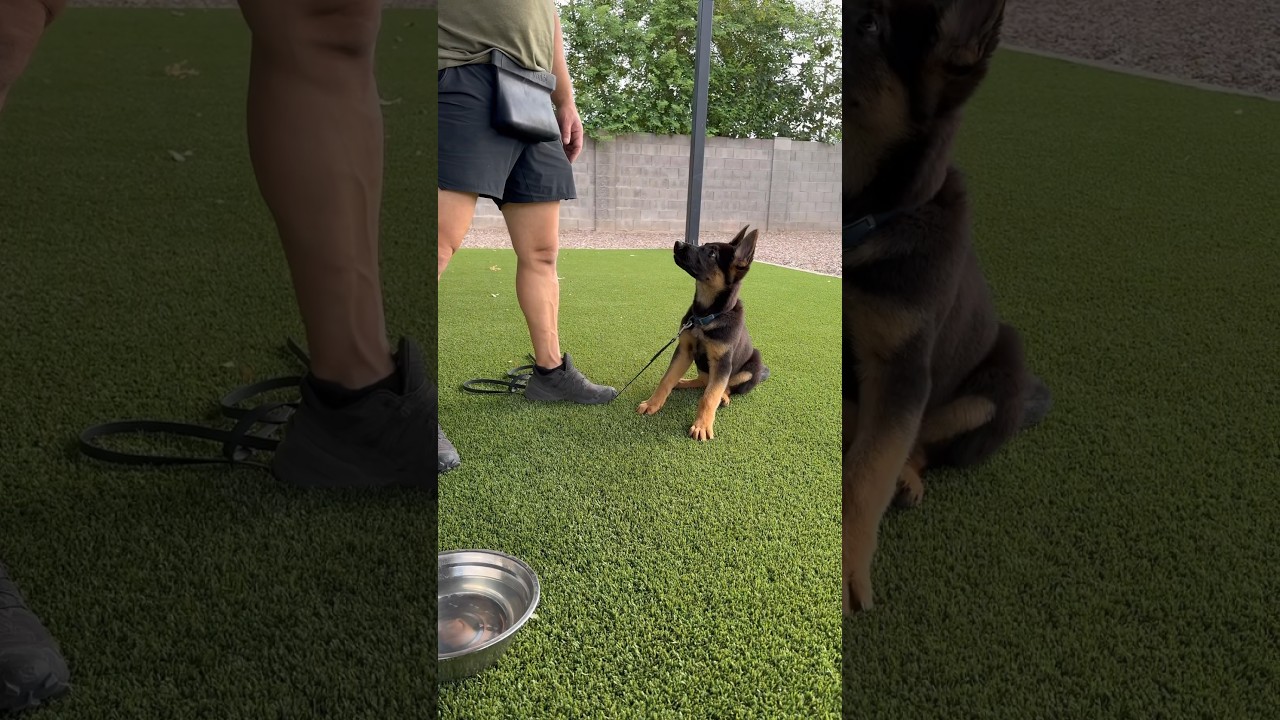
One of the most distressing aspects of the case involved a German Shepherd named Shadow.
According to the supplied report, Shadow disappeared while in the couple’s care and was never seen again by his owners, Terry and Lynn Maher.
The disappearance added to the concerns surrounding the couple’s operation and the standard of care being provided to animals staying at the property.
The Couple Received Community Orders and Fines
The case was heard at Liverpool Magistrates’ Court.
The couple received 12-month community orders and 12-week curfews, and each was ordered to pay a £250 fine, according to reporting of the September 2025 proceedings.
They were also disqualified from keeping or boarding dogs for a period imposed by the court.
The available case reporting describes the dog-related disqualification as seven years.
Why Dog-Boarding Licensing Matters
Commercial dog boarding isn’t simply a matter of providing food, water, and somewhere for a dog to sleep.
People who care for dogs as a business may be responsible for several animals with different medical, behavioral, exercise, and dietary needs.
Licensing requirements are intended to establish welfare standards for businesses providing certain types of animal care.
For pet owners, checking a boarding provider’s credentials before handing over their dog can provide an additional layer of protection.
What Dog Owners Should Check Before Booking a Sitter
If you’re leaving your dog with a professional boarding service, take time to investigate the provider beforehand.
Check Their Licence
If the service requires licensing in your area, ask to see evidence that the business is properly licensed.
Don’t rely solely on an online advertisement or social-media profile.
Visit the Property
If possible, visit the boarding location before making a booking.
Look at where dogs will sleep, exercise, eat, and spend their time.
A reputable provider should be willing to explain their routine and answer reasonable questions.
Ask About Emergency Procedures
Find out what happens if your dog becomes sick or injured.
Ask:
- Which veterinarian do they use?
- How quickly will they contact you?
- Who makes emergency medical decisions?
- How are medications handled?
- What happens if your dog escapes?
Having clear answers before the stay can prevent confusion during an emergency.
Provide Detailed Information About Your Dog
A responsible caregiver should know important details about your pet.
Provide information about:
- Feeding times
- Dietary restrictions
- Medications
- Medical conditions
- Exercise requirements
- Behavioral concerns
- Emergency contacts
- Veterinary details
- Microchip information
The more accurate information the caregiver has, the easier it is to maintain your dog’s normal routine.
Don’t Choose a Dog Sitter Based Only on Price
Cost is an understandable consideration, but the cheapest option isn’t necessarily the safest or most suitable.
Look at the provider’s experience, facilities, licensing status where applicable, emergency arrangements, reviews, and communication practices.
Ask questions before booking rather than waiting until the day you leave your dog.
A Reminder for Pet Owners
The Liverpool case demonstrates why researching a dog-boarding provider matters.
A professional-looking advertisement doesn’t necessarily tell you how a business operates behind the scenes. Checking licensing requirements, visiting the property, asking questions, and communicating your dog’s needs can help you make a more informed decision.
Most importantly, never hesitate to look for another provider if you are uncomfortable with the answers you receive.
Frequently Asked Questions
Do dog boarders need a licence in the UK?
Commercial dog home boarding is subject to licensing requirements in England, with local authorities responsible for licensing and inspection under the applicable animal-welfare framework. Requirements can vary depending on the type of service and jurisdiction.
What should I ask a dog boarding service before booking?
Ask about licensing, experience, supervision, exercise, sleeping arrangements, veterinary care, emergency procedures, insurance, and how the provider handles dogs with medical or behavioral needs.
Should I visit a dog boarding facility first?
Yes, visiting beforehand can help you understand where your dog will stay and give you an opportunity to ask questions about daily care and safety.
What should I do if I suspect an unlicensed dog boarding business?
If you believe a commercial dog-boarding service is operating without the required licence, you can contact the relevant local authority and report your concerns.
Is the Liverpool case an example of why pet owners should check credentials?
The case illustrates the importance of checking a provider’s licensing status and asking questions before leaving a pet in someone else’s care. The court findings and council investigation provide the specific context for this case.
Final Thoughts
The Liverpool dog-boarding case serves as a reminder that choosing someone to care for your dog is an important responsibility.
Before booking a professional sitter or boarding service, check whether they are properly licensed, inspect the environment when possible, ask about emergency procedures, and make sure the caregiver understands your dog’s individual needs.
Taking a little time to research a provider before your trip can help you feel more confident that your dog will receive appropriate care while you’re away.











Leave a comment