




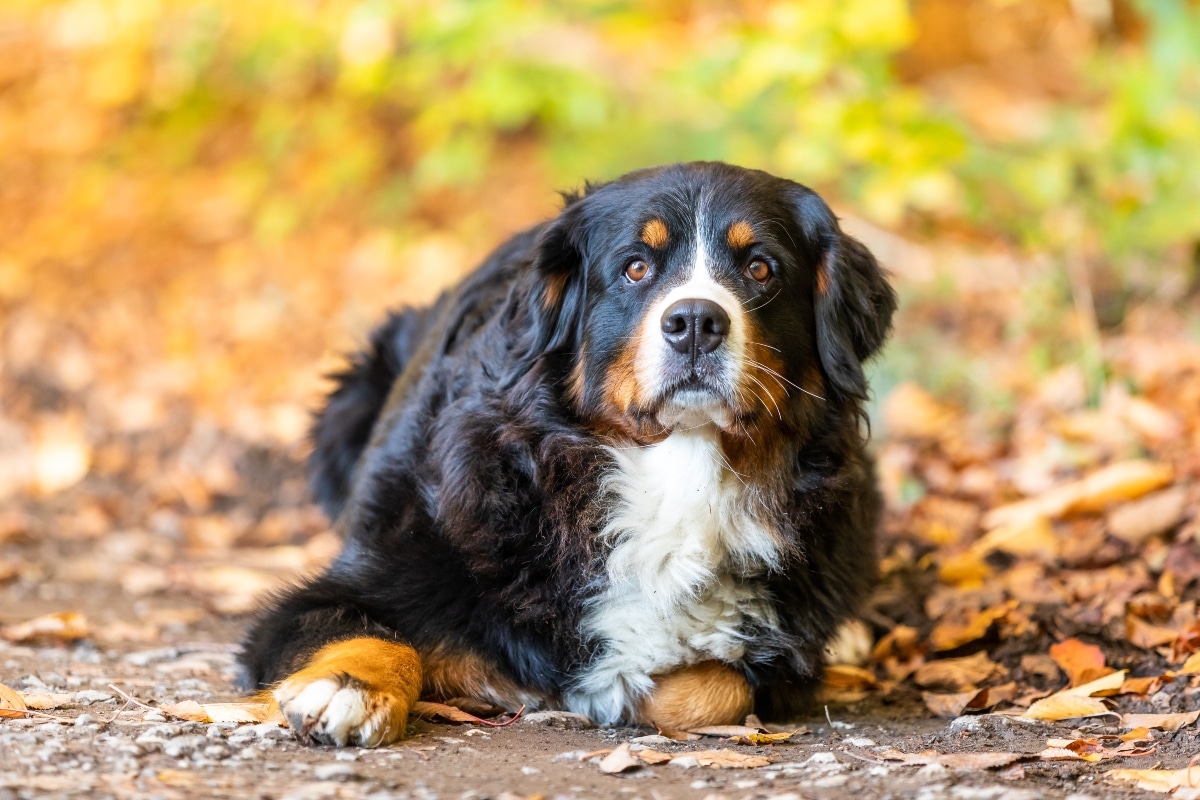
The Greater Swiss Mountain Dog is a breed that combines impressive strength with a surprisingly affectionate personality. Often called a Swissy, this large working dog has a long history of helping farmers in Switzerland with demanding jobs such as pulling carts, moving goods, and guarding property.
Today, Greater Swiss Mountain Dogs are appreciated not only for their powerful build but also for their loyalty, confidence, and desire to be involved in family life. They can be playful, devoted, watchful, and eager to participate in outdoor activities.
Of course, every dog is an individual. Temperament, energy level, and sociability can vary depending on genetics, upbringing, training, and socialization. Still, there are plenty of characteristics that make the Swissy an especially memorable companion.
Here are 11 reasons Greater Swiss Mountain Dogs are so special.
1. They Have Incredible Strength
Greater Swiss Mountain Dogs were developed as working dogs, and their physical build reflects that history.
They have a broad chest, strong legs, muscular body, and sturdy frame designed for physically demanding work. Historically, Swiss farmers relied on these dogs for tasks such as pulling carts and transporting supplies.
Their strength doesn’t mean they need a job pulling heavy loads today. Instead, their working heritage can be seen in their enthusiasm for activities that give them a purpose.
Some Swissies enjoy:
- Carting and drafting activities
- Long walks and hikes
- Obedience training
- Structured outdoor games
- Dog sports
- Carrying appropriate dog-safe equipment during adventures
Their size and strength also mean that basic leash and obedience training are particularly important from an early age.
2. They’re Big Dogs With Affectionate Personalities
One of the most charming things about the Greater Swiss Mountain Dog is the contrast between its imposing appearance and its affectionate nature.
A fully grown Swissy can look incredibly powerful, but many are happiest when they’re close to their families. They may follow their favorite people around the house, lean against them, or settle nearby when everyone is relaxing.
This combination of size and affection has earned the breed a reputation as a gentle giant.
However, because these are large, strong dogs, young children should always be supervised around them. Even a friendly Swissy can accidentally knock someone over while playing or moving through a room.
3. They’re Devoted to Their Families
Greater Swiss Mountain Dogs often form strong attachments to the people they live with.
They generally enjoy being included in everyday activities rather than being left isolated for long periods. A Swissy may be perfectly happy accompanying the family on a walk, relaxing in the backyard, or simply lying nearby while everyone watches television.
Their loyalty can make them wonderful companions for people who want a dog that genuinely enjoys family interaction.
That same attachment means owners should help them learn how to remain comfortable when alone. Gradual alone-time training can be especially useful for dogs that become overly dependent on constant human company.
4. They Can Be Naturally Watchful
The Greater Swiss Mountain Dog’s working background included guarding and farm duties, so it’s understandable that many individuals are naturally alert to unfamiliar sounds and people.
A Swissy may bark when someone approaches the home or when something unusual catches its attention.
This can make them useful watchdogs, but good socialization is important. A dog shouldn’t be encouraged to treat every unfamiliar person or situation as a threat.
Early exposure to different people, environments, sounds, and experiences can help a Swissy learn the difference between something genuinely concerning and an ordinary part of everyday life.
5. They Can Make Wonderful Family Companions
For the right household, a Greater Swiss Mountain Dog can be a loving family companion.
Their affectionate personalities and generally sturdy nature can work well in an active family environment. They may enjoy playing outside, accompanying their owners on walks, and relaxing with the family afterward.
However, calling any large breed an automatic “babysitter” would be misleading. Dogs should never be left unsupervised with young children, regardless of breed or temperament.
Families considering a Swissy should also remember that a large dog needs enough space to move comfortably and that its size can make everyday activities—from feeding to transportation—more demanding.
6. They’re Adaptable When Their Needs Are Met
Despite their farm-dog origins, Greater Swiss Mountain Dogs don’t necessarily need to live on a large rural property.
A Swissy can potentially adapt to suburban living or other environments if its physical, mental, and social needs are properly met.
What matters more than simply having a huge yard is providing a suitable lifestyle that includes:
- Regular exercise
- Daily interaction
- Training and mental stimulation
- Comfortable indoor living space
- Opportunities to explore
- Appropriate socialization
- Plenty of family time
A fenced yard can certainly be helpful, but it doesn’t replace walks and interaction with their owners.
Because of their size, potential owners should also consider whether their home has enough room for a large dog to move around without constantly bumping into furniture or people.
7. Their Working Heritage Makes Them Enjoy Having a Purpose
Greater Swiss Mountain Dogs weren’t originally developed simply to look impressive. They were working partners.
That history can still influence their behavior today. Many Swissies enjoy activities where they have something meaningful to do.
Training sessions, obedience exercises, structured games, hiking, and appropriate dog sports can provide opportunities to use both their bodies and their minds.
Giving a dog a “job” doesn’t have to mean assigning it farm work. Even simple routines can provide useful structure.
For example, you can teach your Swissy to:
- Wait politely before meals
- Carry a safe toy
- Walk calmly beside you
- Find hidden treats
- Practice obedience commands
- Settle on a mat
- Participate in appropriate dog sports
Mental stimulation can be just as important as physical exercise.
8. They Can Be Responsive to Positive Training
Their intelligence and willingness to work with their owners can make Greater Swiss Mountain Dogs rewarding to train.
However, they’re still powerful dogs with their own personalities. Training isn’t automatically easy simply because a breed is intelligent.
The most useful approach is usually consistent, reward-based training that teaches the dog what you want it to do.
Start early with fundamentals such as:
- Name recognition
- Sit and down
- Recall
- Loose-leash walking
- Leave it
- Wait
- Drop it
- Calm greetings
- Settling indoors
Early socialization is equally important.
A Swissy that learns good manners while young will be much easier to manage when it reaches its full adult size.
9. Their Short Coat Is Relatively Straightforward to Maintain
Compared with many long-coated breeds, the Greater Swiss Mountain Dog doesn’t require elaborate coat styling.
Its short double coat can generally be maintained with regular brushing. Brushing becomes especially useful during heavier shedding periods when loose hair can accumulate around the home.
Basic grooming should also include:
- Regular nail checks and trims
- Ear checks
- Dental care
- Occasional bathing when necessary
- Routine skin and coat checks
“Low maintenance” doesn’t mean “no maintenance.” Large dogs still need consistent grooming and hygiene care.
Owners should also be prepared for shedding, particularly during seasonal coat changes.
10. They Love Being Part of the Action
A Greater Swiss Mountain Dog often wants to know what’s happening.
Whether you’re heading outside, going for a walk, spending time in the yard, or relaxing at home, your Swissy may prefer being involved rather than watching from a distance.
This makes the breed appealing to people who want an active companion.
Outdoor activities can include:
- Hiking on suitable trails
- Exploring new walking routes
- Camping with appropriate preparation
- Long neighborhood walks
- Outdoor training
- Family trips to dog-friendly locations
Because of their size and heavy build, exercise should be appropriate for the individual dog. Puppies in particular need age-appropriate activity rather than forced long-distance exercise.
11. Their Affectionate “Swissy Snuggles” Are Hard to Resist
Perhaps the most lovable quality of the Greater Swiss Mountain Dog is simply the companionship they provide.
These dogs may have the strength of a working animal and the size of a small piece of furniture, but many also have a soft spot for relaxing close to their favorite people.
A Swissy might rest its head on your lap, lean against your legs, or curl up beside you after a busy day.
Of course, their idea of “personal space” may be very different from yours.
A dog that weighs well over 100 pounds may genuinely believe it belongs in the smallest available spot on the couch.
That affectionate personality is one reason the breed can be so rewarding for owners who enjoy large dogs and want a companion that likes being closely involved in family life.
What Should You Know Before Getting a Greater Swiss Mountain Dog?
The Swissy has many appealing qualities, but this isn’t a breed that should be chosen based on appearance alone.
Potential owners should consider several practical factors.
Size
These are large, powerful dogs. Everything from transportation to sleeping arrangements and veterinary care needs to accommodate their size.
Exercise
They generally benefit from regular physical activity and mental stimulation. A completely inactive lifestyle isn’t a good match for most Swissies.
Training
Early training is especially important because a poorly mannered large dog can be difficult to control simply because of its strength.
Shedding
Their short coat is relatively easy to maintain, but they still shed.
Socialization
Positive exposure to people, dogs, environments, and everyday experiences can help them develop into confident adults.
Family interaction
Many Swissies enjoy being part of the household. They may not be the ideal choice for someone looking for a dog that can spend most of the day isolated.
Is a Greater Swiss Mountain Dog Right for You?
The right question isn’t whether a Greater Swiss Mountain Dog is the “best” breed. Instead, it’s whether the breed’s characteristics fit your lifestyle.
A Swissy may be a good match for someone who wants a large, affectionate working breed and has the time and resources to provide appropriate exercise, training, socialization, grooming, and veterinary care.
Before bringing one home, consider:
- Do you have enough room for a giant dog?
- Can you provide daily exercise?
- Are you prepared for shedding?
- Can you commit to consistent training?
- Can you comfortably manage a very strong dog on a leash?
- Does your household have enough time for regular interaction?
- Are you financially prepared for the costs associated with owning a large breed?
Answering these questions honestly can help you determine whether the breed fits your circumstances.
Frequently Asked Questions
Are Greater Swiss Mountain Dogs good family dogs?
They can be affectionate and devoted family companions when properly trained and socialized. Because of their size and strength, interactions with young children should always be supervised.
Are Greater Swiss Mountain Dogs easy to train?
They can be responsive to training, particularly when owners use consistency, rewards, and clear communication. Early training is especially valuable because of their adult size.
Do Greater Swiss Mountain Dogs shed?
Yes. They have a short double coat and shed throughout the year, with heavier shedding often occurring during seasonal coat changes.
Do Greater Swiss Mountain Dogs need a lot of exercise?
They generally benefit from regular exercise and mental stimulation. The amount needed depends on age, health, conditioning, and the individual dog.
Are Swissies good watchdogs?
Many have naturally alert and watchful personalities and may bark when they notice unfamiliar people or unusual activity. Proper socialization helps keep this behavior appropriate.
Are Greater Swiss Mountain Dogs good with other dogs?
Individual temperament varies. Early socialization and positive experiences with other dogs can help, but owners should always supervise interactions and pay attention to body language.
Do Greater Swiss Mountain Dogs like cuddling?
Many enjoy being close to their owners and can be very affectionate. However, individual dogs differ in how much physical affection they want.
Final Thoughts
Greater Swiss Mountain Dogs are remarkable because they bring together several seemingly different qualities. They’re powerful working dogs with affectionate personalities, confident companions with a playful side, and imposing guardians that can also enjoy a quiet evening beside their families.
Their strength, loyalty, intelligence, outdoor enthusiasm, and distinctive appearance make them memorable dogs. But those qualities also come with responsibility.
A Swissy needs appropriate training, socialization, exercise, companionship, grooming, and care throughout its life.
For the right owner, sharing life with one can mean having a devoted four-legged companion who is ready for an adventure—and equally ready to take over the couch when the adventure is finished.
This Article Was Generated By AI.





Leave a comment