




Taking your puppy on a road trip can turn an ordinary vacation into a memorable adventure. But while you may be excited about exploring new places together, your puppy may find the experience confusing or overwhelming at first.
Cars bring unfamiliar sounds, movement, smells, and surroundings. A puppy that has only taken a few short rides may not immediately understand what is happening.
Fortunately, a little preparation can make traveling much easier.
From introducing your puppy to the car gradually to planning bathroom breaks and choosing safe accommodations, these tips can help you create a more comfortable journey for both of you.
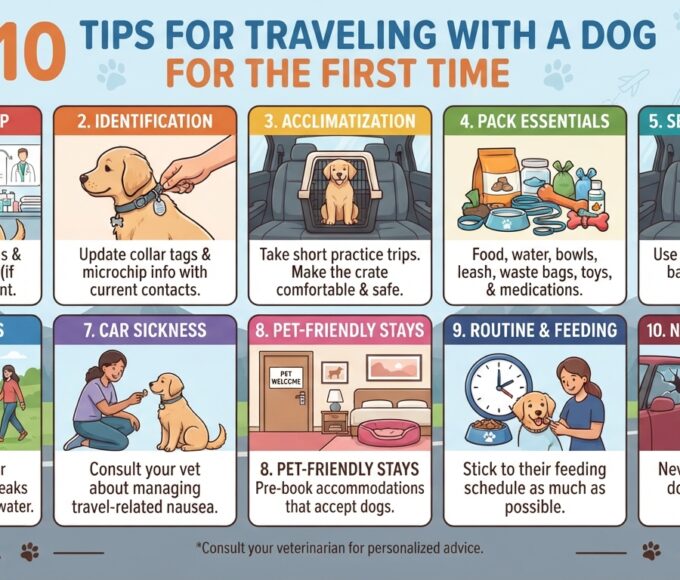
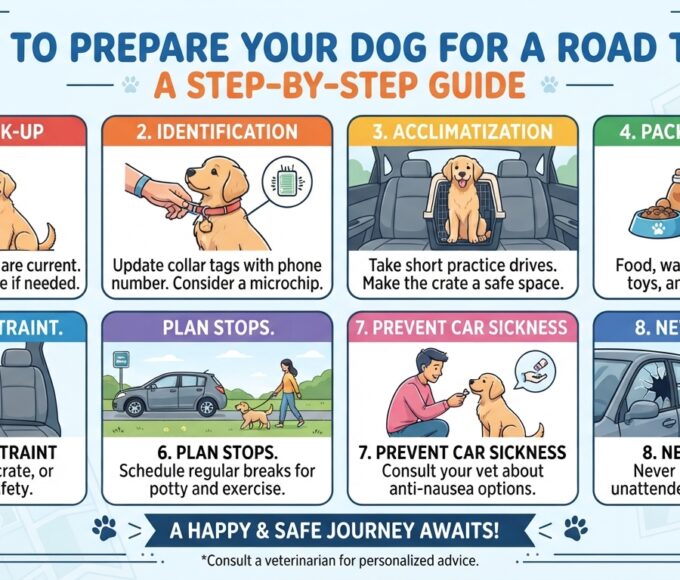
1. Get Your Puppy Used to the Car Before the Trip
Don’t make your first long car ride the day you leave for vacation.
Start with short trips and gradually increase the amount of time your puppy spends in the vehicle.
You might begin by sitting with your puppy in the parked car for a few minutes. Once they seem comfortable, take a short drive around the neighborhood.
Gradually introduce longer journeys.
This allows your puppy to become familiar with:
- The sound of the engine
- Vehicle movement
- Being restrained
- Road noise
- Getting in and out of the car
- Traveling away from home
Keep these early experiences positive and avoid forcing a frightened puppy to remain in the car for unnecessarily long periods.
2. Choose the Right Travel Restraint
One of the most important decisions is how your puppy will travel inside the vehicle.
A puppy should not be allowed to wander freely around the car.
Depending on the puppy and vehicle, suitable options can include:
- A properly secured travel crate
- A crash-tested pet carrier
- An appropriately fitted vehicle harness
- A secured pet travel system designed for car use
The restraint should allow your puppy to sit, lie down, and adjust position comfortably while preventing them from moving into unsafe areas.
Never allow your puppy to sit on the driver’s lap or roam around the vehicle while you’re driving.
3. Keep Your Puppy in the Back Seat
The back seat is generally a safer location for a puppy than the front passenger seat.
Front airbags are designed for human passengers and can seriously injure a small animal during a collision.
A properly secured crate or harness in the back seat can provide your puppy with a safer and more controlled travel space.
If you’re using a crate, make sure it is secured so that it cannot slide around during sudden braking or turns.
4. Pack a Puppy Travel Bag
Before leaving, create a dedicated bag containing everything your puppy may need.
Your checklist can include:
- Regular puppy food
- Fresh drinking water
- Food and water bowls
- Leash and collar or harness
- Waste bags
- Favorite toys
- Familiar blanket or bedding
- Medications
- Health and vaccination records
- Cleaning supplies
- Towels
- Treats
- Portable crate
- Pet first-aid supplies
Keeping everything together makes it much easier to find something when you need it during a stop.
5. Bring Familiar Items From Home
Traveling introduces your puppy to many unfamiliar sights and smells.
A familiar blanket, bed, or toy can provide a small piece of home during the journey.
The familiar scent may help your puppy settle into their travel space.
Choose items that are safe for unsupervised use and won’t create a choking or swallowing hazard.
6. Plan Frequent Breaks
Young puppies generally need more frequent bathroom opportunities than adult dogs.
Rather than relying on one fixed schedule for every puppy, plan regular stops and adjust them according to your puppy’s age, feeding schedule, water intake, and individual needs.
During breaks, give your puppy an opportunity to:
- Use the bathroom
- Stretch
- Drink water
- Calm down
- Get some gentle movement
Keep your puppy securely leashed whenever you’re outside the vehicle.
A strange parking area or rest stop can be frightening, and an unsecured puppy can easily bolt.
7. Don’t Leave Your Puppy Alone in a Parked Car
This is one of the most important travel rules.
Never assume that cracking the windows will make a parked car safe during warm weather.
Temperatures inside vehicles can rise rapidly, putting dogs at risk of heatstroke. Even on days that don’t initially feel extremely hot, conditions inside a vehicle can become dangerous.
If you need to enter a location where pets aren’t allowed, plan ahead so your puppy can remain somewhere safe with a responsible person.
8. Manage Food Before and During Travel
Some puppies experience motion sickness, particularly during longer journeys.
If your puppy is prone to car sickness, ask your veterinarian about appropriate feeding and travel strategies.
Avoid experimenting with a large meal immediately before departure.
For longer journeys, plan proper feeding stops rather than trying to feed your puppy while the vehicle is moving.
Always make sure your puppy has access to appropriate hydration and monitor them for signs of nausea.
9. Watch for Signs of Motion Sickness
Puppies may be more susceptible to motion sickness than adult dogs.
Possible signs include:
- Excessive drooling
- Lip licking
- Whining
- Restlessness
- Yawning
- Repeated swallowing
- Vomiting
- Appearing unusually anxious
If your puppy becomes sick, stop somewhere safe when possible and allow them to settle.
For puppies that consistently become nauseated during car rides, speak with your veterinarian. They may recommend strategies or medication depending on the puppy’s circumstances.
Never give your puppy human motion-sickness medication unless your veterinarian specifically recommends it and provides appropriate instructions.
10. Keep the Temperature Comfortable
Temperature control is particularly important during road trips.
Avoid exposing your puppy to excessive heat or cold, and make sure air from the vehicle’s climate-control system can circulate comfortably around their travel area.
Watch for signs that your puppy is too hot, such as:
- Heavy panting
- Excessive drooling
- Weakness
- Restlessness
- Confusion
- Vomiting
- Collapse
Heatstroke can become life-threatening quickly.
If you suspect your puppy is overheating, move them to a cooler environment and seek veterinary assistance immediately.
11. Plan Your Route Around Your Puppy
A road trip doesn’t have to be a race to the destination.
Allow additional time for bathroom stops, meals, rest breaks, and unexpected delays.
Before leaving, identify places where you can safely stop with your puppy.
You can also research:
- Pet-friendly parks
- Dog-friendly restaurants with outdoor areas
- Veterinary clinics along your route
- Pet-friendly hotels
- Rest areas
- Emergency animal hospitals
Having a basic plan reduces stress if you need to make an unexpected stop.
12. Choose Pet-Friendly Accommodations in Advance
If you’re staying overnight, don’t wait until you’re exhausted at the end of the day to find somewhere that accepts pets.
Book your accommodation ahead of time and confirm the current pet policy.
Ask about:
- Pet fees
- Breed or size restrictions
- Number of pets allowed
- Where dogs are permitted
- Whether pets can be left unattended
- Nearby walking areas
Policies can change, so confirmation before arrival can prevent an unpleasant surprise.
13. Bring Your Puppy’s Health Information
It’s useful to keep your puppy’s important medical information accessible while traveling.
Consider bringing:
- Vaccination records
- Medication information
- Your veterinarian’s contact details
- Identification information
- Microchip details
- Pet insurance information, if applicable
- Emergency veterinary contacts
You don’t necessarily need a large folder of paperwork. Digital copies stored securely on your phone can also be useful.
14. Make Sure Your Puppy Has Identification
Traveling can increase the consequences of a lost pet.
Before leaving, check that your puppy’s identification information is current.
Your puppy should have appropriate identification such as:
- A secure collar tag
- Current contact information
- A registered microchip
Make sure the phone number and other contact details connected to the microchip are up to date.
If your puppy becomes separated from you, accurate identification can make reunification much easier.
15. Keep the Journey Calm
Puppies can pick up on the energy around them.
If the car ride is chaotic, loud, or unpredictable, your puppy may become more anxious.
Try to create a calm travel environment.
Keep music at a comfortable volume, avoid unnecessary handling while driving, and allow your puppy to remain in their secure travel area.
If your puppy becomes frightened, don’t punish them for reacting.
Instead, use calm behavior and appropriate breaks to help them settle.
What Should You Do at Road Trip Stops?
Every stop is an opportunity to check on your puppy.
Before getting out:
- Secure the leash or harness.
- Open the door carefully.
- Keep your puppy away from traffic.
- Allow them to use the bathroom.
- Offer water.
- Give them a little time to stretch.
- Check for signs of overheating, nausea, or distress.
Never let your puppy wander around an unfamiliar rest area without a leash.
Even a normally obedient puppy can become frightened by traffic, unfamiliar animals, or sudden noises.
What If Your Puppy Is Nervous in the Car?
Some puppies settle into car travel quickly. Others need more time.
If your puppy appears anxious, try making the experience more gradual.
Short drives to pleasant destinations can help create positive associations.
For example, instead of only taking your puppy in the car for veterinary appointments, you can occasionally take them on brief rides that end with something enjoyable, such as a quiet walk or play session.
If severe anxiety continues, speak with your veterinarian or a qualified behavior professional.
What If Your Puppy Gets Carsick?
Don’t assume vomiting is simply something your puppy has to endure.
Motion sickness can sometimes improve as puppies mature, but persistent problems deserve attention.
Talk to your veterinarian if your puppy regularly:
- Vomits during car rides
- Drools excessively
- Becomes extremely anxious
- Refuses food after traveling
- Remains unwell after the journey
Your veterinarian can help determine whether motion sickness, anxiety, or another issue may be contributing to the problem.
Puppy Road Trip Checklist
Before leaving home, run through this quick checklist:
Safety
- Secure crate or travel harness
- Collar and identification
- Leash
- Updated microchip information
Food and water
- Regular puppy food
- Fresh water
- Bowls
- Treats
Comfort
- Familiar blanket or bed
- Favorite safe toys
- Towels
- Cleaning supplies
Health
- Medications
- Vaccination records
- Veterinarian contact information
- Basic first-aid supplies
Planning
- Pet-friendly accommodation
- Planned rest stops
- Veterinary clinics along the route
- Emergency contact information
Frequently Asked Questions
How often should I stop when traveling with a puppy?
There isn’t one perfect interval for every puppy. Young puppies may need more frequent bathroom breaks than adult dogs. Plan regular stops and adjust them according to your puppy’s age, routine, water intake, and behavior.
Can my puppy eat during a road trip?
Yes, puppies still need appropriate nutrition while traveling, but feeding a large meal immediately before or during a moving car ride may worsen motion sickness for some dogs. Plan feeding stops and ask your veterinarian about the best approach if your puppy gets carsick.
Where should my puppy sit in the car?
Your puppy should travel in a properly secured crate, carrier, or appropriate vehicle harness. The back seat is generally preferable to the front passenger seat because airbags can be dangerous for animals.
What should I do if my puppy vomits in the car?
Stop safely when possible and allow your puppy to settle. Clean the area and provide appropriate water. If vomiting happens repeatedly or your puppy appears unwell, contact your veterinarian for advice.
Can I leave my puppy alone in the car while I get food?
It’s safest not to leave your puppy unattended in a parked vehicle. Temperatures can become dangerous quickly, particularly in warm weather.
Should I bring my puppy’s favorite toys?
Yes, familiar and safe toys can provide comfort and entertainment during the journey. Avoid toys that could easily break apart or become choking hazards while your puppy is unsupervised.
Final Thoughts
A road trip with a puppy can be a wonderful experience when you plan around their needs instead of treating the journey like an ordinary car ride.
Introduce your puppy to the vehicle gradually, use an appropriate restraint, pack familiar items, schedule regular breaks, and keep an eye on temperature, hydration, motion sickness, and stress.
Most importantly, give yourself plenty of extra time.
Your puppy doesn’t know that you’re trying to reach a destination by a certain hour. They simply need to feel safe and comfortable along the way.
With thoughtful preparation, patience, and a little flexibility, the journey itself can become one of the best parts of your adventure together.
This Article Was Generated By AI.






Leave a comment