



Bringing a puppy home is an exciting experience, but puppyhood also comes with plenty of learning—for both the puppy and their new family. From establishing a routine to introducing new experiences, the choices you make during these early months can help your puppy develop into a confident, healthy, and well-adjusted adult dog.
Raising a puppy isn’t about creating a perfectly behaved dog overnight. Puppies are still developing physically and emotionally, and behaviors such as chewing, accidents, jumping, and getting distracted are normal parts of growing up.
What matters most is providing appropriate nutrition, veterinary care, exercise, socialization, training, sleep, enrichment, and a safe environment.
Here are 10 essential tips to help you give your puppy the best possible start.
1. Feed a Complete and Balanced Puppy Diet
Nutrition plays an important role in your puppy’s growth. Puppies have different nutritional requirements from adult dogs because their bodies are developing rapidly.
Choose a complete and balanced puppy food appropriate for your puppy’s:
- Age
- Expected adult size
- Growth stage
- Individual health needs
Large-breed puppies, in particular, can have different nutritional requirements from small-breed puppies, so your veterinarian can help you choose an appropriate diet.
Avoid guessing portion sizes
The correct amount of food depends on the food’s calorie density, your puppy’s size, age, activity, and body condition.
Follow the feeding guidance on the food label as a starting point, then adjust with veterinary guidance if necessary.
Keep treats relatively small and account for them as part of your puppy’s overall daily intake.
What about supplements?
Do not automatically add calcium, vitamins, or other supplements to a complete puppy diet. Too much of certain nutrients can be harmful, particularly during growth.
Ask your veterinarian before adding supplements.
2. Establish a Consistent Daily Routine
Puppies have a lot to learn, and a predictable routine can make their new environment easier to understand.
Try to establish regular patterns for:
- Meals
- Potty breaks
- Walks
- Play
- Training
- Rest
- Bedtime
A routine also helps you anticipate when your puppy is likely to need a bathroom break or some activity.
However, a routine does not need to be rigid down to the minute. Life happens, and puppies should gradually learn that small changes are safe and manageable.
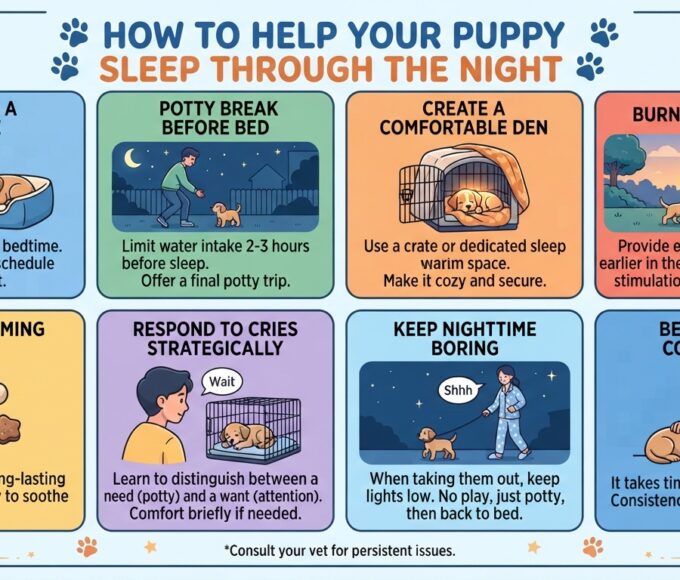
3. Prioritize Sleep and Rest
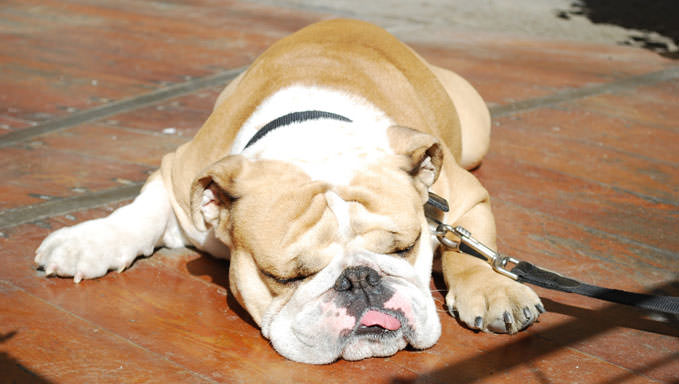
One of the most overlooked parts of puppy care is sleep.
Growing puppies can spend a large portion of the day sleeping. If a puppy becomes overtired, they may actually become more excitable, mouthy, or difficult to settle.
Give your puppy a quiet, comfortable place to rest.
Depending on your home, this might be:
- A crate
- A puppy pen
- A dog bed
- A quiet corner of the room
Teach family members to leave the puppy alone while they are sleeping.
Don’t confuse tiredness with a need for more exercise
If your puppy suddenly becomes wild, starts biting everything, or struggles to settle, they may need a nap rather than another energetic play session.
4. Begin Training From Day One
You do not need to wait until your puppy is several months old before starting training.
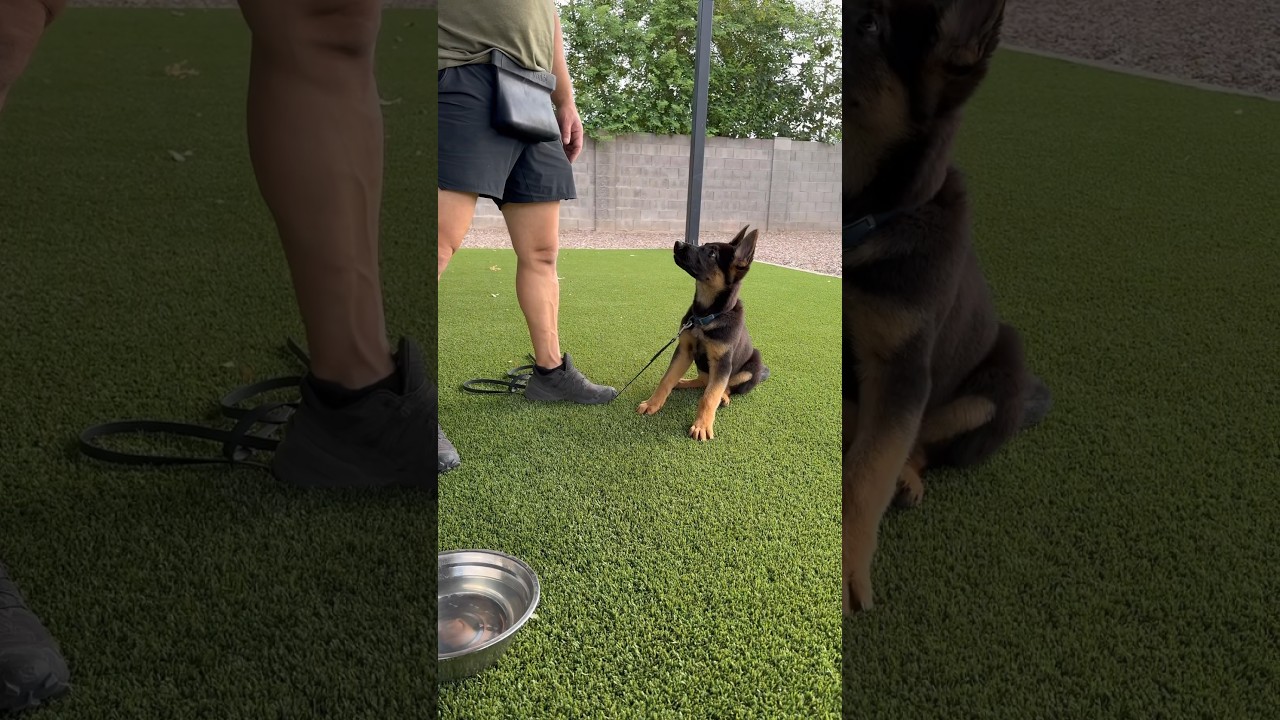
From the first day at home, you can teach simple behaviors such as:
- Responding to their name
- Looking toward you
- Sitting
- Coming when called
- Walking toward you
- Waiting briefly
- Settling calmly
- Releasing an object
Keep sessions short and make learning enjoyable.
Use positive reinforcement
Reward behaviors you want your puppy to repeat with things they value, such as:
- Small treats
- Praise
- Toys
- Play
- Access to something enjoyable
Timing matters. Reward your puppy close to the moment they perform the desired behavior so they can make the connection.
Avoid harsh physical punishment or intimidation. Training should help your puppy understand what you want rather than making them afraid of making mistakes.
5. Socialize Your Puppy Carefully and Positively
Socialization is one of the most important parts of puppy development.
It isn’t simply about introducing your puppy to as many people and dogs as possible. Instead, the goal is to help your puppy develop positive associations with the world around them.
Gradually expose your puppy to appropriate experiences such as:
- Different people
- Household noises
- Car rides
- Different surfaces
- Grooming equipment
- Veterinary handling
- Safe, vaccinated dogs
- Different environments
- Household appliances
- Visitors
- New sights and smells
Let your puppy set the pace
If your puppy appears frightened or overwhelmed, create more distance and make the experience easier.
Signs of stress may include:
- Hiding
- Freezing
- Excessive panting
- Repeated lip licking
- Trying to escape
- Tucked tail
- Avoiding interaction
Don’t force a frightened puppy to interact.
If your veterinarian considers it appropriate, a well-run puppy socialization or training class can provide controlled opportunities to learn around other dogs and people.
6. Give Your Puppy Appropriate Exercise
Puppies need movement, but they also need plenty of rest.
The right amount of exercise depends on your puppy’s age, breed tendencies, physical development, health, and individual temperament.
Good puppy activities can include:
- Short walks when appropriate
- Gentle play
- Sniffing games
- Basic training
- Food puzzles
- Exploring safe environments
- Playing with appropriate toys
Avoid treating exercise as a competition to see how tired you can make your puppy.
Repeated high-impact activity, forced running, excessive jumping, or very long outings may not be appropriate for a growing puppy.
Your veterinarian can help you determine what types of exercise are suitable for your puppy.
7. Provide Plenty of Mental Stimulation
A puppy’s brain needs exercise too.
Mental enrichment can reduce boredom and provide an appropriate outlet for natural behaviors such as sniffing, chewing, exploring, and searching.
Try activities such as:
Food puzzles
Use appropriately designed food toys to make meals more engaging.
Scent games
Hide small amounts of food in safe locations and encourage your puppy to find them.
Training games
Teach simple behaviors and gradually introduce new tricks.
Toy rotation
Instead of leaving every toy available all the time, rotate them to keep familiar items interesting.
Supervised exploration
Allow your puppy to investigate safe areas and new objects at their own pace.
Mental stimulation does not have to be complicated. Even a few minutes of focused learning can be valuable.
8. Puppy-Proof Your Home
Puppies explore the world with their mouths, which means ordinary household objects can become dangerous.
Before bringing your puppy home, look at your house from a puppy’s perspective.
Secure or remove:
- Electrical cables
- Cleaning products
- Medicines
- Toxic plants
- Small objects
- Loose strings
- Human foods that are dangerous to dogs
- Accessible trash
- Sharp objects
- Easily swallowed toys
Use baby gates or a puppy pen to restrict access to areas that aren’t safe.
Don’t forget outdoor spaces
Check your yard or balcony for gaps, toxic plants, sharp objects, chemicals, and other hazards.
A puppy can get into trouble surprisingly quickly, so supervision is particularly important during the early months.
9. Make Grooming and Veterinary Care a Positive Experience
Your puppy will eventually need veterinary examinations, vaccinations, nail care, brushing, ear checks, dental care, and possibly professional grooming.
Start preparing for these experiences gradually.
For example, briefly touch your puppy’s paws, reward them, and stop.
Later, introduce the sight and sound of nail clippers without immediately trimming the nails.
You can do the same with:
- Brushes
- Toothbrushes
- Harnesses
- Carriers
- Ear handling
- Gentle body handling
The goal is to teach your puppy that handling doesn’t automatically mean something unpleasant is about to happen.
Keep veterinary care on schedule
Your veterinarian can advise you about:
- Vaccinations
- Deworming
- Flea and tick prevention
- Heartworm prevention where relevant
- Nutrition
- Weight
- Dental care
- Spaying or neutering
- Breed-specific health concerns
If your puppy develops persistent vomiting, diarrhea, coughing, breathing difficulty, severe lethargy, loss of appetite, or another concerning symptom, contact your veterinarian promptly.
10. Build a Strong Bond Through Everyday Interaction
Training and care are important, but your puppy also needs a secure relationship with the people around them.
Spend time together through:
- Gentle play
- Training
- Quiet cuddles
- Short walks
- Grooming practice
- Exploring
- Relaxing in the same room
Learn to recognize your puppy’s body language.
Over time, you’ll begin to notice when your puppy is excited, nervous, tired, curious, or uncomfortable.
This communication can help you respond appropriately instead of treating every behavior as disobedience.
Teach independence too
Being loving doesn’t mean your puppy should be attached to you every second.
Gradually teach your puppy that relaxing alone in a safe area is normal. Short periods of independent time can help develop useful coping skills.
How to Potty Train Your Puppy
Potty training requires supervision, timing, and repetition.
Take your puppy to their designated bathroom area regularly, particularly:
- After waking
- After eating
- After drinking
- After playing
- Before bedtime
- When they show signs of needing to go
When your puppy eliminates in the appropriate place, reward them promptly.
Watch for warning signs
A puppy may need to go if they:
- Sniff the floor repeatedly
- Circle
- Wander away suddenly
- Whine
- Head toward a previous bathroom spot
Accidents are normal during puppyhood.
Don’t punish your puppy after an accident. Clean the area thoroughly and adjust your supervision or bathroom schedule.
How to Handle Puppy Biting and Chewing
Puppies naturally investigate objects with their mouths, and chewing is a normal behavior.
Instead of simply telling your puppy what not to chew, provide appropriate alternatives.
Keep safe chew toys available and redirect your puppy when they grab something inappropriate.
If your puppy bites during play, calmly pause the interaction and offer an appropriate toy.
Avoid rough games that encourage your puppy to repeatedly attack hands or clothing.
Persistent, intense biting or behavior that appears fearful or aggressive may require professional guidance.
Teach Your Puppy Good Leash Habits Early
A puppy doesn’t automatically know how to walk politely on a leash.
Start indoors or in a quiet area by allowing your puppy to become comfortable wearing an appropriately fitted harness or collar.
Reward your puppy for:
- Walking near you
- Looking at you
- Following you
- Keeping a loose leash
Gradually introduce more distractions.
Don’t expect a young puppy to immediately walk perfectly through a busy neighborhood.
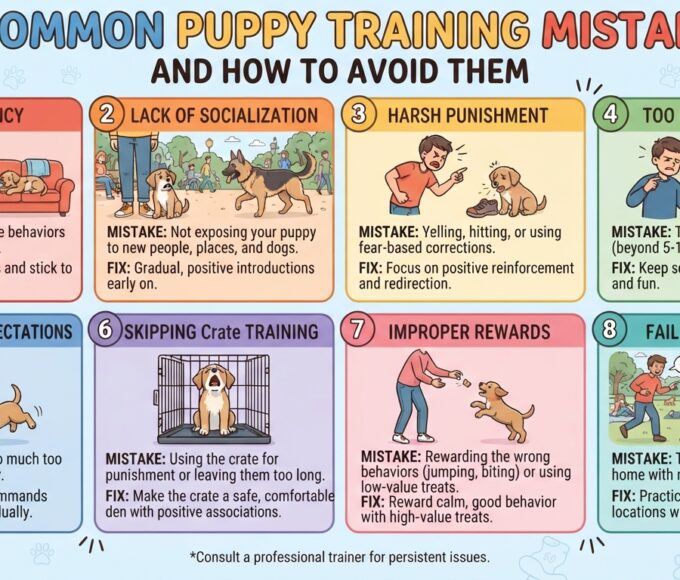
Common Puppy-Raising Mistakes to Avoid
Even experienced owners can make mistakes during puppyhood.
Expecting too much too soon
Puppies have short attention spans and limited impulse control.
Skipping socialization
A puppy that rarely experiences new environments may struggle with unfamiliar situations later.
Overexercising
More activity isn’t always better for a developing puppy.
Ignoring sleep
Overtired puppies can become much more difficult to manage.
Inconsistent household rules
If one family member allows a behavior and another constantly punishes it, your puppy receives mixed signals.
Punishing accidents
This can create fear without teaching the puppy where they should go instead.
Giving unrestricted freedom
Too much freedom before a puppy is ready can lead to chewing, accidents, and unsafe exploration.
A Simple Puppy Care Checklist
| Need | What to Provide |
|---|---|
| Nutrition | Complete and balanced puppy food |
| Water | Fresh, clean water |
| Sleep | Quiet, comfortable resting area |
| Exercise | Age-appropriate physical activity |
| Enrichment | Toys, puzzles, sniffing, training |
| Training | Short, positive sessions |
| Socialization | Safe and positive new experiences |
| Healthcare | Veterinary care and preventive treatments |
| Safety | Puppy-proofed home |
| Bonding | Play, attention, affection, and companionship |
Frequently Asked Questions
How often should I feed my puppy?
Feeding frequency depends on your puppy’s age, size, food, and individual needs. Young puppies generally need more frequent meals than older puppies. Follow the food manufacturer’s guidance and your veterinarian’s recommendations rather than relying on one schedule for every puppy.
When should I start training my puppy?
Training can begin as soon as your puppy comes home. Start with simple behaviors, name recognition, appropriate bathroom habits, handling, and calm routines.
How do I stop my puppy from biting?
Redirect biting toward an appropriate toy, avoid encouraging rough hand play, and calmly pause interactions when necessary. Consistency is important. If biting is severe, persistent, or associated with fear or aggression, seek professional help.
How much exercise does a puppy need?
There isn’t one exercise amount that works for every puppy. Age, breed, size, health, and development all matter. Short periods of age-appropriate activity combined with plenty of rest are generally more appropriate than prolonged or forced exercise.
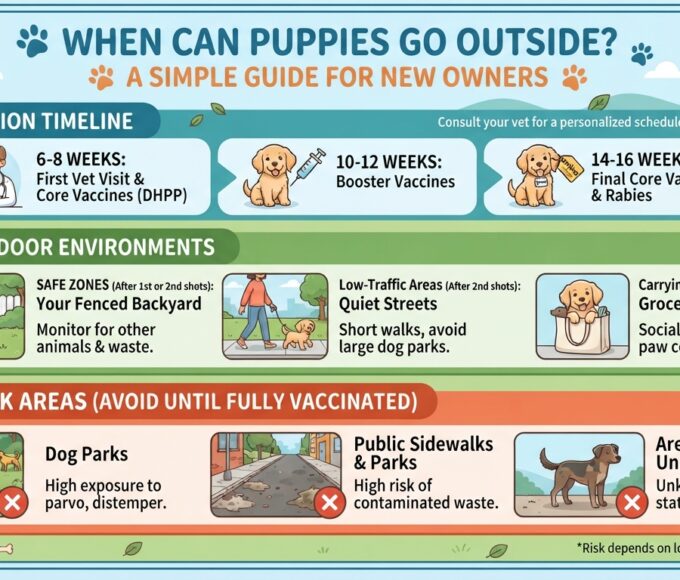
When can my puppy meet other dogs?
Your veterinarian can advise you about safe socialization based on your puppy’s vaccination status and local disease risks. Socialization should not necessarily wait until all developmentally important experiences have passed, but interactions should be carefully managed to reduce health and behavioral risks.
Why does my puppy sleep so much?
Growing puppies need substantial rest. Sleep supports development and recovery. If your puppy’s sleepiness seems extreme or is accompanied by poor appetite, weakness, vomiting, diarrhea, breathing problems, or other concerning symptoms, contact a veterinarian.
Final Thoughts
Raising a healthy and happy puppy is a long-term commitment, but it doesn’t have to be overwhelming.
Focus on the basics: good nutrition, veterinary care, appropriate exercise, plenty of sleep, positive training, safe socialization, mental enrichment, and a secure home environment.
Your puppy will make mistakes. They may chew something they shouldn’t, have an accident on the floor, forget a command they seemed to understand yesterday, or become distracted during training.
That’s part of growing up.
Instead of expecting perfection, give your puppy clear guidance and plenty of opportunities to succeed. With patience, consistency, and a strong relationship, you can help your puppy develop into a confident and well-adjusted companion.
This Article Was Generated By AI.







Leave a comment