




As dog owners, we naturally want to know whether our dogs are happy, comfortable, and enjoying their lives.
The challenge is that dogs can’t tell us exactly how they feel with words. Instead, they communicate through body language, behavior, routines, sounds, and the way they interact with the people and animals around them.
A relaxed body, playful behavior, curiosity, a healthy appetite, and a willingness to interact can all provide clues that a dog is comfortable and content.
However, it’s important to look at the whole picture. A wagging tail doesn’t always mean happiness, and a dog lying quietly doesn’t necessarily mean something is wrong. Every dog has an individual personality, and context matters.
So, how do you know if your dog is happy?
Here are 12 signs that can help you understand your dog’s emotional well-being.
1. Their Body Looks Loose and Relaxed
One of the most useful signs of a comfortable dog is relaxed body language.
When a dog feels safe, their muscles may appear loose rather than tense. Their posture is natural, their mouth may be relaxed, and their movements tend to look smooth rather than stiff or guarded.
You might notice your dog:
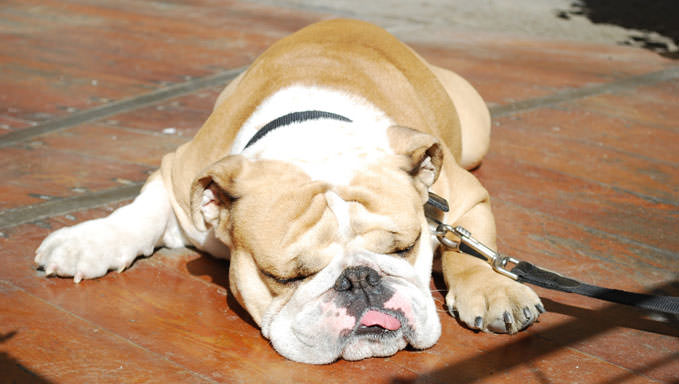
- Resting comfortably on their side
- Stretching out while relaxing
- Moving freely around the house
- Sitting or standing without obvious tension
- Relaxing their facial muscles
- Choosing comfortable sleeping positions
A relaxed posture doesn’t prove that a dog is happy on its own, but when combined with other positive behaviors, it can be a reassuring sign.
2. They Have a Relaxed, Natural Tail Wag
Everyone recognizes the classic happy tail wag, but tail movement is more complicated than simply meaning “happy.”
Dogs wag their tails in many emotional situations, including excitement, uncertainty, frustration, and social interaction.
The context and the rest of the body are important.
A comfortable dog may have a loose tail wag accompanied by relaxed muscles, a natural posture, and an easygoing expression. Some dogs even wiggle their entire rear end when greeting someone they love.
By contrast, a stiff, unusually high, or tightly tucked tail can communicate very different emotions depending on the situation.
So don’t just watch the tail.
Watch the whole dog.
3. Your Dog Wants to Play
Play is often a wonderful sign that your dog is feeling comfortable and engaged.
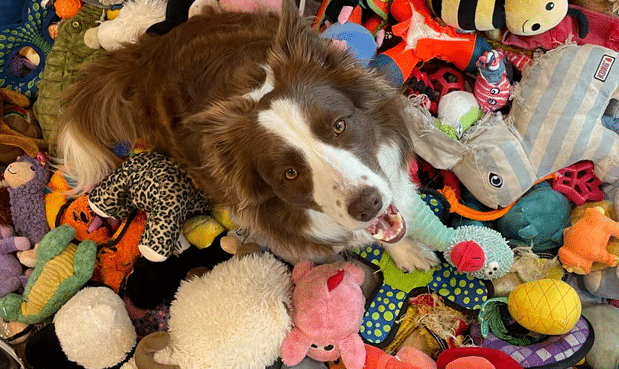
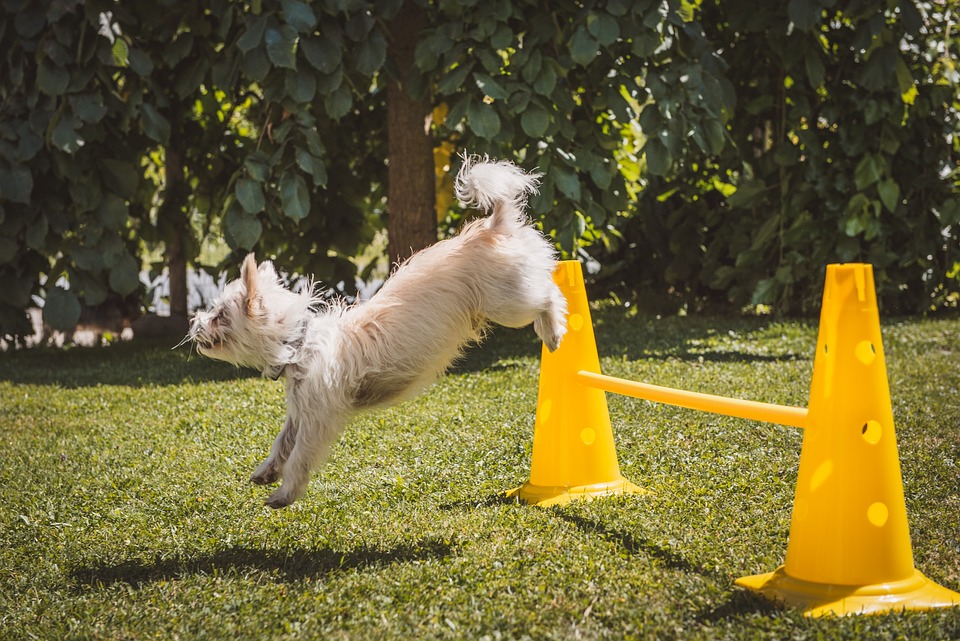
A happy, healthy dog may invite you to play with a toy, chase a ball, engage in a gentle game of tug, or initiate interaction with another compatible dog.
You may also see the famous play bow, where the front end drops while the rear remains raised.
Play isn’t only physical exercise. It can provide mental stimulation, social interaction, and an opportunity for dogs to express natural behaviors.
Of course, every dog has a different activity level. A senior dog may be content with a short game, while a young working breed may want much more activity.
The important thing is whether your dog’s current level of play is normal for them.
4. They Show Interest in Food
A consistent appetite is another useful clue when assessing your dog’s overall well-being.
Dogs that are feeling well often show enthusiasm when it’s time for a meal or when they receive an appropriate treat.
You might notice your dog waiting near their food bowl, becoming excited when you prepare dinner, or happily accepting treats during training.
However, appetite isn’t a direct measurement of happiness.
Some dogs are naturally less food-motivated than others, while sudden changes in appetite can be associated with illness, stress, pain, or other problems.
If your dog suddenly stops eating, eats dramatically less or more than usual, or develops other concerning symptoms, contact your veterinarian.
5. They Feel Comfortable Enough to Relax Around You
A dog that regularly chooses to relax around you may be showing that they feel safe in your presence.
They might lie beside you while you’re watching television, stretch out near your desk, or settle down at your feet while you’re doing something around the house.
Not every dog wants constant physical affection.
Some prefer to have their own space while still enjoying being near their family.
That’s perfectly normal.
A confident relationship doesn’t necessarily mean your dog has to be sitting in your lap. Sometimes simply choosing to rest peacefully in the same room is a sign of comfort and trust.
6. They Seek Affection in Their Own Way
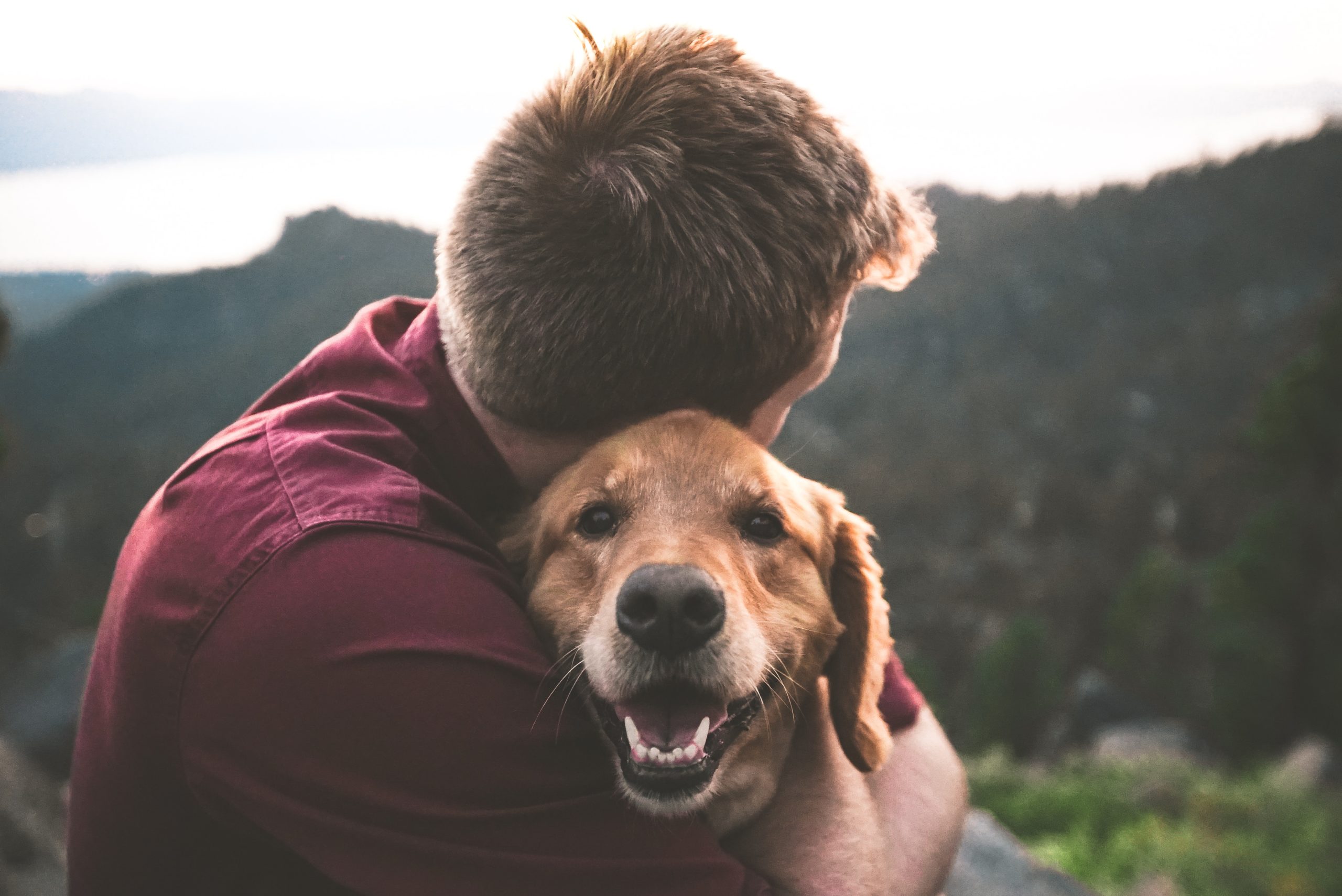
Some dogs love cuddles.
Others prefer a quick scratch behind the ears before returning to whatever they were doing.
Your dog may show affection by:
- Leaning against you
- Resting their head near you
- Sitting beside you
- Bringing you a toy
- Following you into another room
- Asking for a belly rub
- Greeting you enthusiastically
Pay attention to whether your dog chooses the interaction.
For example, a dog rolling onto their back may be asking for a belly rub, but it can also be a submissive or uncomfortable posture in certain situations. Look for relaxed muscles and other comfortable body-language signals before assuming what the dog wants.
Respecting your dog’s boundaries can actually strengthen your relationship.
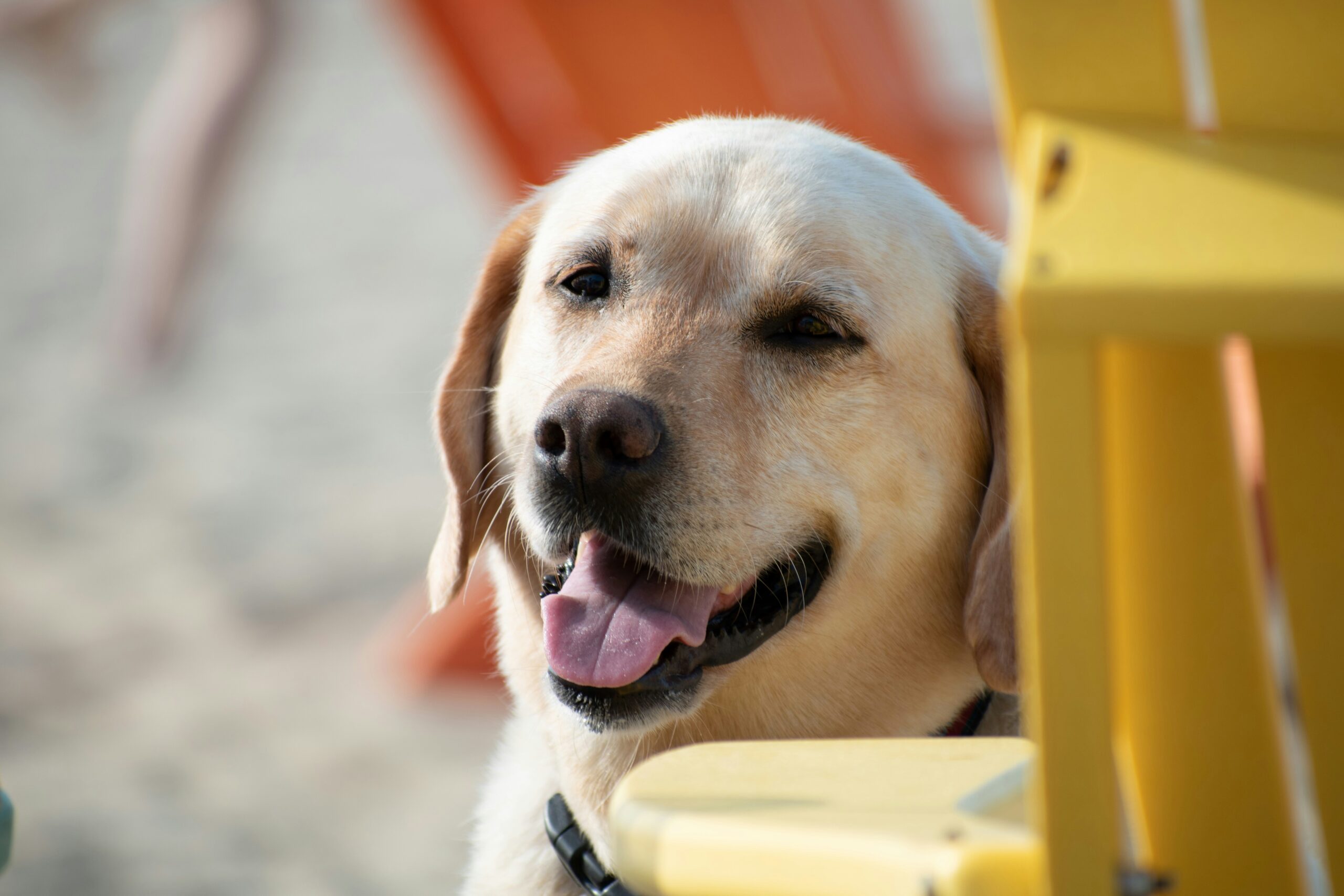
7. Their Eyes and Face Look Soft and Relaxed
A comfortable dog often has a soft facial expression rather than one dominated by tension.
Their eyes may appear naturally relaxed, and their face may look loose rather than strained.
You might notice your dog calmly looking toward you, blinking normally, or resting with an easy expression.
But avoid judging happiness from eye appearance alone.
A dog’s eyes can change because of lighting, excitement, fear, pain, tiredness, or medical conditions.
As with every other sign on this list, facial expression is most meaningful when considered alongside posture and behavior.
8. They Make Relaxed Sounds
Dogs communicate through many different sounds.
A content dog may sigh as they settle into bed, make a soft grunt while getting comfortable, or produce other quiet sounds during relaxation.
Some dogs also make little noises when they’re enjoying attention.
But vocalization isn’t always easy to interpret.
A whine could indicate excitement, frustration, anxiety, attention-seeking, discomfort, or another need.
That’s why it’s useful to learn what your individual dog’s normal sounds are.
If a usually quiet dog suddenly begins whining, crying, or vocalizing excessively, consider whether something has changed and speak with your veterinarian if the behavior persists or seems unusual.
9. They Enjoy Being Near You
Does your dog follow you from the living room to the kitchen and then back again?
Many dogs enjoy staying close to their favorite people.
Your dog may quietly follow you around the house, settle nearby while you work, or wait outside the bathroom door.
This can be a sign that they enjoy your company.
However, constant following isn’t automatically a sign of happiness.
Some dogs become excessively dependent on their owners because of anxiety or difficulty being alone. If your dog becomes distressed whenever you leave, destroys things when alone, or shows other signs of separation-related distress, the behavior deserves attention.
The key is to distinguish comfortable companionship from anxious dependence.
10. They Give You the Whole-Body Wiggle
Some dogs don’t just wag their tails.
Their entire rear end seems to move.
This famous “butt wiggle” often appears when a dog greets someone they know and feels excited about the interaction.
You might see it when you come home from work, pick up a favorite toy, prepare for a walk, or greet your dog after being apart.
When the movement is loose and accompanied by relaxed body language, it can be a delightful sign of positive excitement.
It’s one of those unmistakable moments that makes dog ownership so enjoyable.
11. They Are Curious About Their Environment
Curiosity can tell you a lot about how a dog is engaging with their surroundings.
A comfortable dog may want to sniff during walks, investigate a new toy, explore a new room, or inspect an interesting smell in the yard.
Sniffing and exploration also provide valuable mental stimulation.
Instead of rushing your dog through every walk, allowing appropriate opportunities to sniff and investigate can make the experience more enriching.
Sudden loss of interest in activities that your dog normally enjoys, however, may be worth paying attention to—especially if it happens alongside changes in appetite, sleep, movement, or behavior.
12. They Sleep Peacefully and Have a Normal Routine
Dogs spend a significant amount of time sleeping and resting.
A dog that feels comfortable in their environment may have a predictable routine of eating, playing, exploring, resting, and sleeping.
You may find your dog stretched out on their favorite bed, curled up in a quiet corner, or sleeping comfortably near the family.
Good sleep is important for overall health and behavior.
At the same time, a sudden increase in sleeping, difficulty getting comfortable, nighttime restlessness, or other changes from your dog’s normal routine can sometimes signal pain, illness, anxiety, or another problem.
Knowing your dog’s normal routine is therefore one of the best ways to notice when something changes.
What Does a Truly Happy Dog Look Like?
There isn’t one facial expression or behavior that can prove a dog is happy.
Instead, look for a pattern.
A dog who is generally comfortable may:
- Relax easily at home
- Show interest in food
- Enjoy age-appropriate activities
- Play when they want to
- Explore their environment
- Seek appropriate social interaction
- Sleep comfortably
- Show relaxed body language
- Recover reasonably well from everyday surprises
- Maintain their normal routines
The combination is much more informative than any single behavior.
Signs Your Dog May Not Be Feeling Their Best
Knowing the signs of happiness also means knowing what changes might deserve attention.
Watch for behaviors such as:
- Sudden withdrawal
- Loss of interest in favorite activities
- Significant appetite changes
- Excessive hiding
- Persistent pacing
- Unusual aggression or irritability
- Repeated whining
- Sudden changes in sleep
- Reluctance to move
- Excessive licking or scratching
- Changes in bathroom habits
- Unusual fearfulness
These behaviors don’t automatically mean your dog is unhappy. They can have many causes, including pain, illness, stress, environmental changes, or normal aging.
If a behavior change is sudden, persistent, or accompanied by physical symptoms, contact your veterinarian.
How Can I Make My Dog Happier?
You don’t need elaborate activities to improve your dog’s quality of life.
Start with the basics.
Provide Regular Exercise
Choose activities that match your dog’s age, health, breed tendencies, and fitness level.
A walk isn’t only about physical exercise. Sniffing and exploring can also provide mental enrichment.
Give Them Mental Stimulation
Food puzzles, scent games, training sessions, safe toys, and simple games can keep your dog mentally engaged.
Let Them Rest
Dogs need plenty of sleep and downtime.
Don’t assume a dog needs constant entertainment simply because they’re awake.
Spend Quality Time Together
Training, walking, playing, grooming, relaxing, or simply sitting together can strengthen your relationship.
Give Your Dog Choices
Whenever practical and safe, allow your dog to choose between activities, toys, resting locations, or whether they want physical affection.
Respecting their signals can help build trust.
Maintain a Predictable Routine
Regular meal, exercise, rest, and bathroom routines can make everyday life more predictable.
Take Care of Their Health
Preventive veterinary care, appropriate nutrition, dental care, parasite prevention, and maintaining a healthy body condition all contribute to your dog’s overall well-being.
Don’t Compare Your Dog’s Happiness to Another Dog
One dog may greet everyone with a dramatic tail wag and an enormous butt wiggle.
Another may quietly lie beside their owner and seem perfectly content.
A highly energetic dog may want several games of fetch every day, while a senior dog may consider a gentle sniffing walk and a long nap the perfect afternoon.
Neither is automatically happier.
The goal is to understand your dog’s normal personality and behavior and notice meaningful changes.
The Best Way to Know If Your Dog Is Happy
Your dog can’t answer when you ask, “Are you happy?”
But they are communicating all the time.
A relaxed body, healthy routine, curiosity, play, comfortable social interaction, and consistent appetite can all provide useful clues about your dog’s well-being.
The most important thing is to look at several signals together rather than relying on one behavior.
And perhaps the sweetest part of understanding your dog’s body language is realizing that happiness doesn’t always look dramatic.
Sometimes it’s a playful bounce.
Sometimes it’s a relaxed sigh after a walk.
And sometimes it’s simply your dog curling up beside you, completely comfortable in the place they call home.
Final Thoughts
Learning how to recognize a happy dog is really about learning to know your individual dog.
Pay attention to their normal habits, personality, body language, appetite, activity level, and daily routine. When those things remain consistent and your dog has plenty of opportunities for rest, enrichment, exercise, social interaction, and appropriate veterinary care, you’re giving them a strong foundation for a good quality of life.
Your dog may never be able to say, “I’m happy.”
But if you learn to listen with your eyes, you may find that they’re communicating it every day.
This Article Was Generated By AI.






Leave a comment