



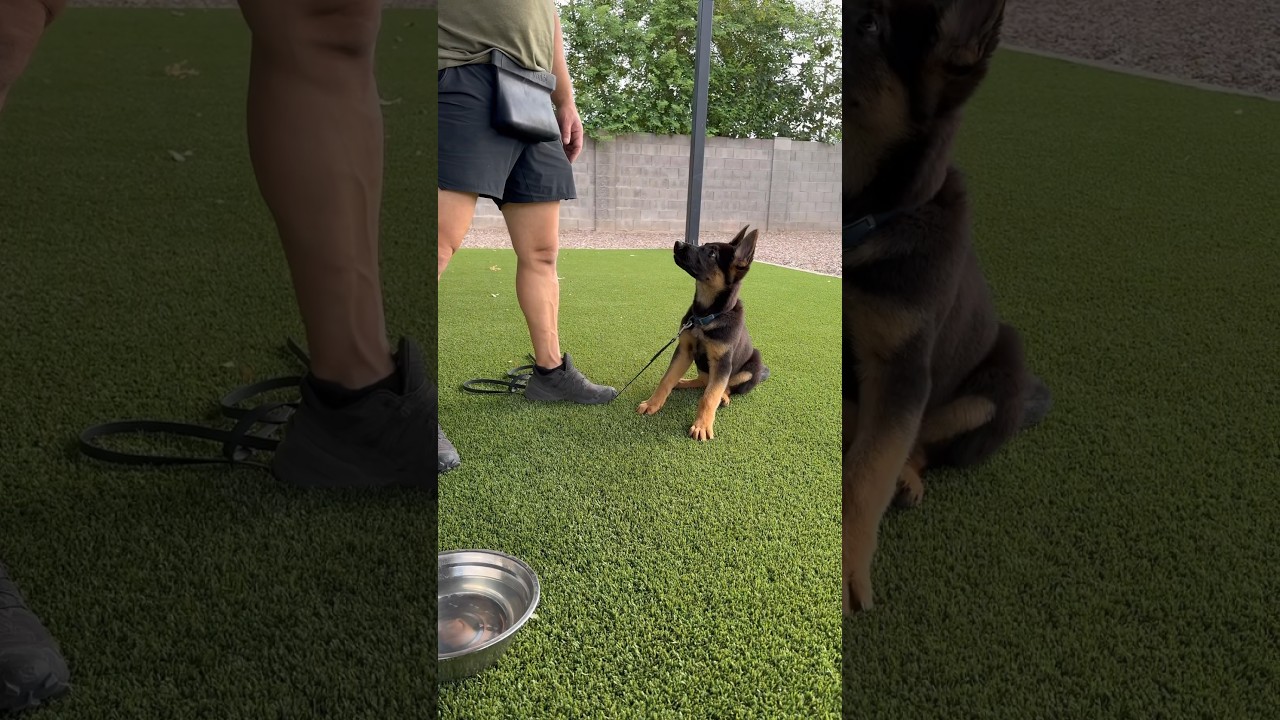
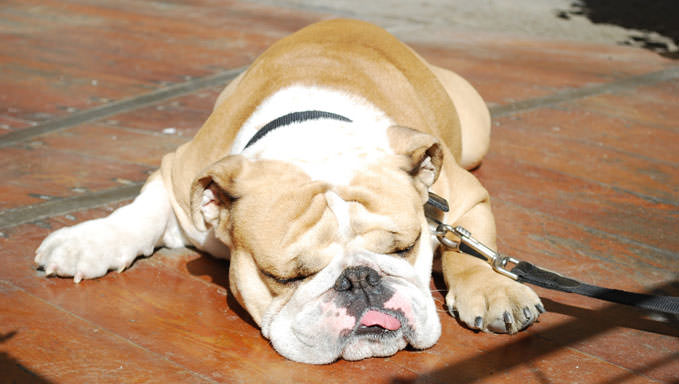

A walk with your dog can seem simple: attach the lead, open the door, and head outside.
But once you’re away from home, forgetting one small item can quickly become inconvenient.
Maybe your dog gets thirsty. Perhaps you need an extra waste bag. Or you realize that the lead has started showing signs of wear.
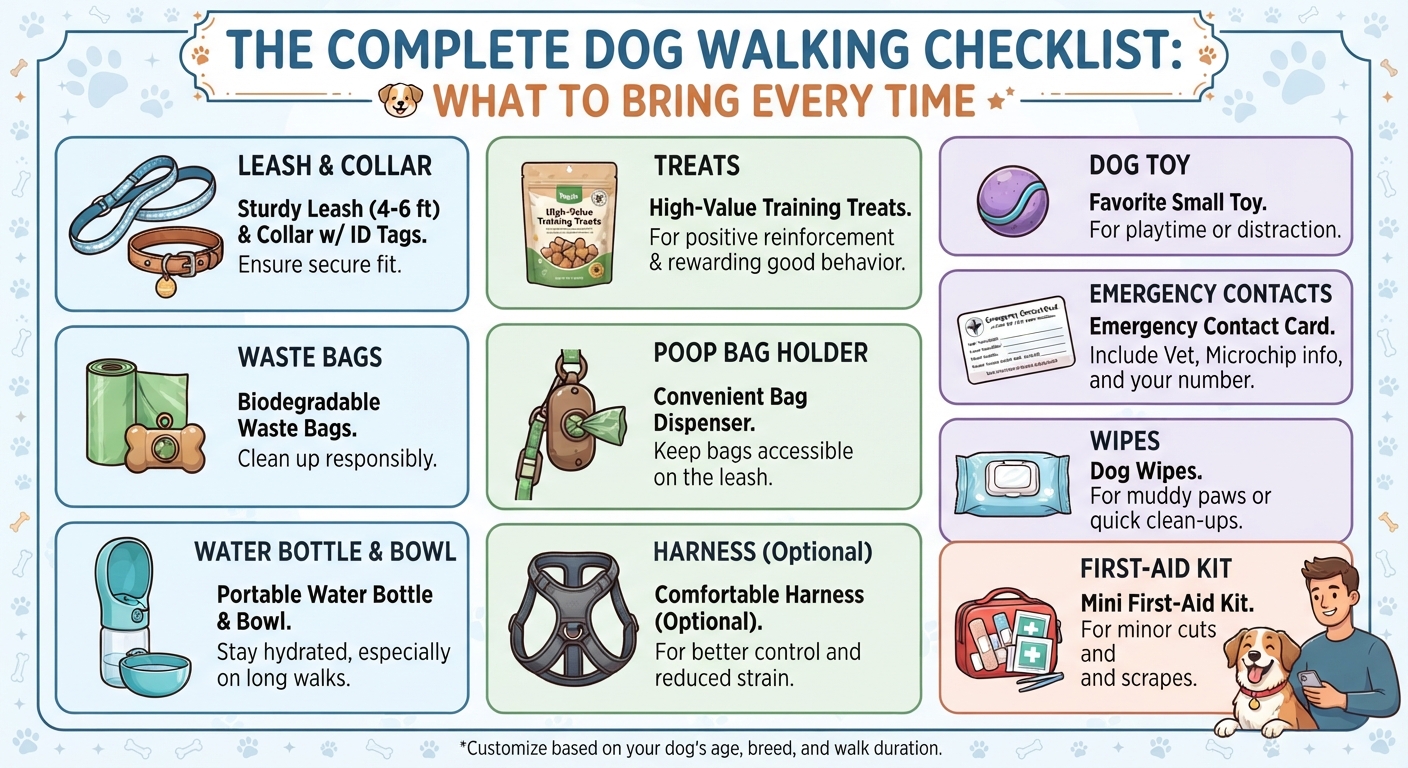
A simple dog walking checklist can help you prepare before every outing.
You don’t need to carry an enormous bag for every short walk. Instead, choose the essentials based on the length, location, weather, and activity level of your dog.
1. Collar and Identification
Your dog should have appropriate identification according to local requirements and your veterinarian’s recommendations.
Check that the collar fits correctly and that identification information is current.
If your phone number has changed recently, update your dog’s tag and any relevant registration details.
Identification is particularly important because even well-trained dogs can become frightened and run away.
2. A Properly Fitted Harness
If your dog normally walks with a harness, check it before leaving.
Look for:
- Correct fit
- Secure buckles
- Intact stitching
- Secure attachment points
Your dog should be able to move naturally without the harness rubbing or restricting movement.
3. A Reliable Lead
Your lead should be suitable for your dog’s size and strength.
Before each walk, quickly inspect it for damage.
Pay particular attention to the clip and areas where the lead connects to the handle.
If you notice significant fraying or damage, replace it before taking your dog out.
4. Waste Bags
Always carry enough waste bags.
Taking several extra bags is useful because walks don’t always go according to plan.
Keep spare bags in your walking bag, car, or another convenient location so you don’t accidentally run out.
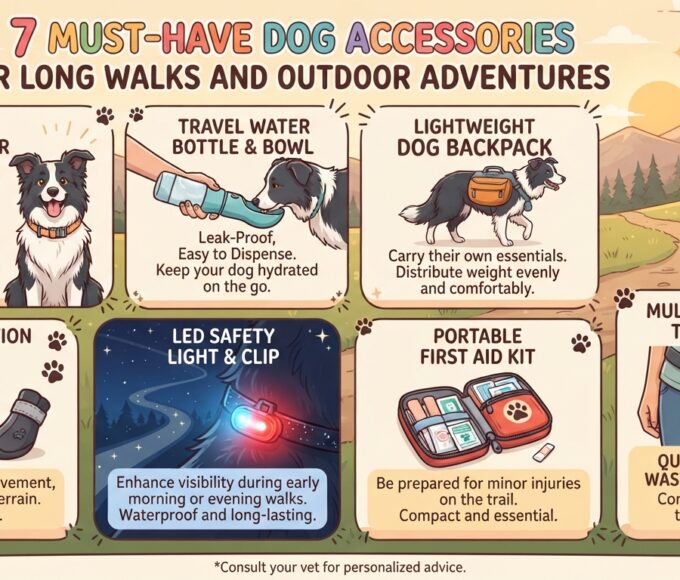
5. Fresh Water
For longer walks and warm weather, bring water for your dog.
A portable bottle and collapsible bowl can make drinking convenient.
Avoid assuming that outdoor water sources are safe.
If your dog becomes very thirsty during a walk, offer small amounts of clean water at appropriate intervals rather than allowing them to drink from questionable sources.
6. Treats
Treats can be useful for training and reinforcing good behavior during walks.
For example, you might reward your dog for:
- Walking calmly
- Checking in with you
- Responding to their name
- Ignoring distractions
- Coming when called
Keep treats small enough that they don’t significantly interfere with your dog’s normal diet.
7. Your Phone
A phone is useful for more than taking pictures.
It provides a way to contact someone during an emergency, check maps, contact your veterinarian, or arrange transportation if necessary.
Make sure it has sufficient battery before heading out on a longer adventure.
8. A Small Towel
A towel may not be necessary for every walk, but it can be extremely useful.
It can help dry muddy paws after rainy weather or clean a wet dog before getting back into the car.
A small microfiber towel takes up relatively little space.
9. Weather-Appropriate Gear
Your dog’s needs depend on the weather.
On hot days, consider water and a route with shade.
During cold or wet conditions, some dogs may benefit from appropriate protective clothing, although not every dog needs it.
Avoid clothing that restricts movement or causes overheating.
10. Basic First-Aid Supplies
For longer walks or hikes, a basic pet first-aid kit can be useful.
Depending on the environment, this might include items such as sterile gauze, bandages, and other basic supplies.
A first-aid kit isn’t a substitute for veterinary care.
If your dog suffers a serious injury, seek professional veterinary attention.
Dog Walking Checklist for a Short Walk
For a normal neighborhood walk, you may only need:
- Collar or harness
- Lead
- Identification
- Waste bags
- A few treats
If the weather is warm, add water.
Dog Walking Checklist for a Long Walk
For a longer outing, consider adding:
- Plenty of water
- Travel bowl
- Extra waste bags
- Treats
- Towel
- Phone
- Basic first-aid supplies
- Appropriate weather equipment
If you’re hiking in a remote location, your preparation should be more extensive.
What to Check Before Leaving Home
Your checklist shouldn’t only cover what you’re carrying.
Take a moment to check your dog.
Look at their:
- General energy level
- Paws
- Collar
- Harness
- Overall condition
If your dog seems unusually tired, unwell, or reluctant to move, consider whether a normal walk is appropriate.
What Not to Bring
More isn’t always better.
Avoid carrying unnecessary items that make the walk uncomfortable for you or your dog.
Don’t give your dog toys or objects that could easily break or become choking hazards while you’re walking.
Likewise, don’t use damaged equipment simply because you’ve forgotten to replace it.
Safety During the Walk
Preparation doesn’t end when you leave home.
Pay attention to your surroundings.
Keep your dog away from potentially dangerous objects, unknown food, aggressive animals, and unsafe traffic areas.
Watch the weather as conditions can change during longer walks.
During hot weather, avoid excessive exercise and hot pavement.
Adjust Your Checklist for Your Dog
Every dog is different.
A small senior dog may require a very different walking setup from a young active dog.
Consider:
- Age
- Size
- Breed
- Health
- Exercise level
- Weather tolerance
- Walking location
Your checklist should evolve as your dog’s needs change.
Final Thoughts
A good dog walking checklist doesn’t need to be complicated.
For most everyday walks, start with the essentials: safe walking equipment, identification, waste bags, and appropriate rewards.
For longer walks, add water, a travel bowl, a towel, and other supplies suited to your environment.
The most important thing is preparation.
A few minutes spent checking your equipment and packing the right supplies can make your dog’s walk safer, more comfortable, and much more enjoyable.
Frequently Asked Questions
What should I bring on a dog walk?
Basic items include a properly fitted collar or harness, lead, identification, and waste bags. Water is particularly important for longer walks and warm weather.
Should I bring treats on walks?
Treats can be useful for training and reinforcing desirable behavior.
Does my dog need water on every walk?
Short walks in comfortable weather may not require portable water, but longer walks, active dogs, and warm conditions make carrying water a sensible choice.
What should I bring on a dog hike?
For longer hikes, consider water, food or treats, waste bags, a towel, a first-aid kit, identification, a phone, and equipment appropriate for the terrain and weather.




Leave a comment