



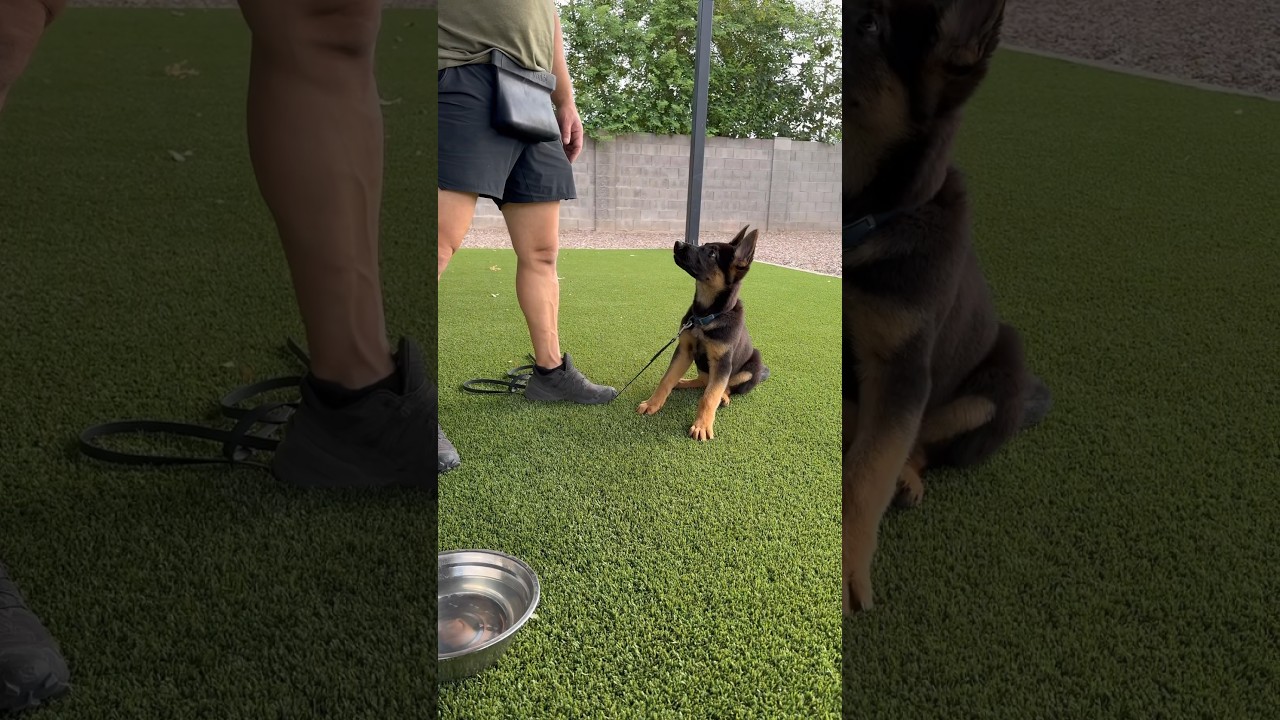
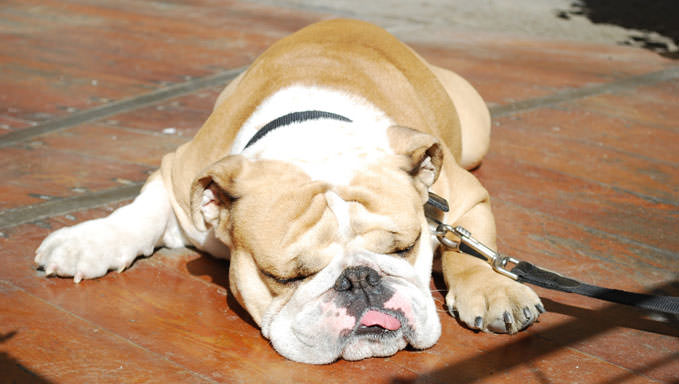

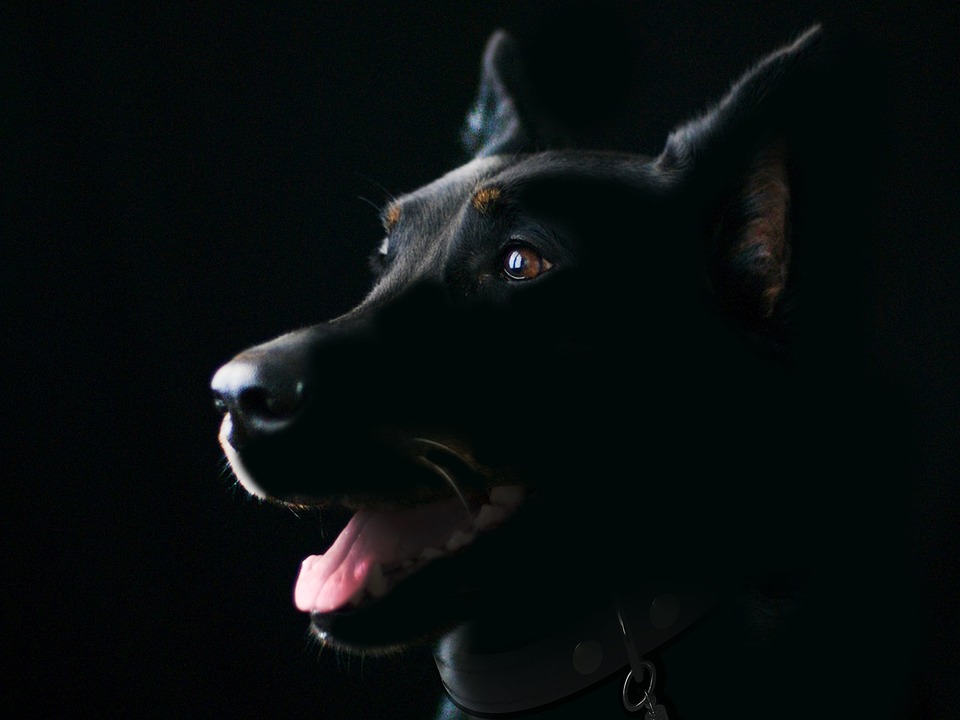
Pets are much more than animals sharing our homes. They become part of our routines, greet us after long days, and bring plenty of personality into everyday life. One of the easiest ways to celebrate that personality is through accessories that are both practical and fun.
From colorful collars and personalized tags to interactive toys, cozy beds, stylish bandanas, and outdoor gear, the right accessories can make your pet’s daily life more comfortable and enjoyable.
The key is to choose accessories based on your pet’s size, age, habits, comfort, and individual personality rather than appearance alone.
Whether you have a playful puppy, a relaxed senior dog, a curious cat, or another companion animal, here are some fun and useful accessories worth considering.
1. Personalized Collars
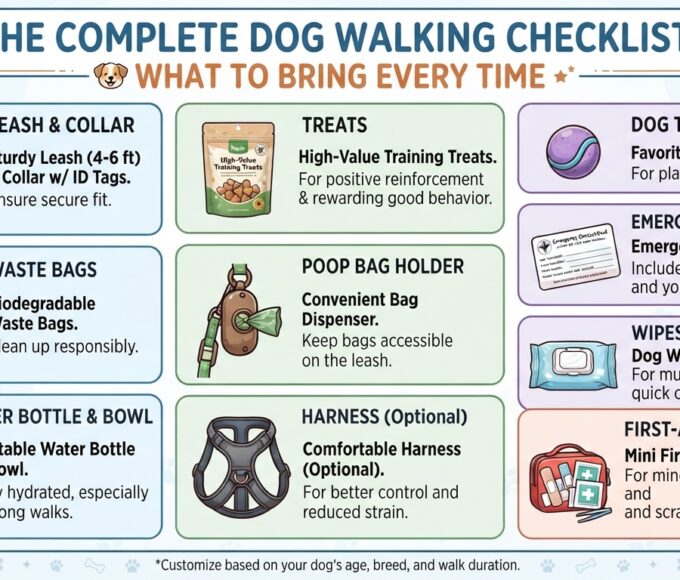
A collar is one of the most useful everyday accessories for many pets, especially dogs.
Instead of choosing a basic design, you can select a collar that reflects your pet’s personality. Bright colors may suit an energetic dog, while a simple pattern might be perfect for a more understated companion.
Personalized collars can also include useful information such as:
- Your pet’s name
- Your phone number
- A short identification message
- Decorative patterns or colors
- Reflective elements for nighttime visibility
Make sure the collar fits correctly. It should be secure without being excessively tight, and you should regularly check the fit as your pet grows or changes weight.
For cats that wear collars, a breakaway safety collar is generally preferable because it is designed to release if the collar becomes caught.
2. Fun and Functional Leashes
A leash doesn’t have to be boring.
There are countless designs, materials, and patterns available, allowing you to coordinate your pet’s leash with their collar.
However, appearance should never be more important than function. Choose a leash that is appropriate for your pet’s size and strength and has secure hardware.
For everyday walks, consider:
- Standard walking leashes
- Reflective leashes
- Hands-free options for appropriate dogs
- Longer training lines
- Waterproof leashes for rainy weather
If your dog pulls heavily, the right harness and leash combination may provide better control than simply using a collar.
3. Personalized ID Tags
A stylish ID tag can be both attractive and potentially life-saving.
Even pets that normally stay indoors can accidentally escape through an open door or window. An identification tag provides another way for someone who finds your pet to contact you.
You can choose tags shaped like:
- Hearts
- Bones
- Circles
- Fish
- Paw prints
- Your pet’s favorite theme
Keep the information simple and readable. Your pet’s name and a current phone number are often more useful than filling the tag with unnecessary details.
Microchipping through a veterinarian can provide another important layer of identification.
4. Interactive Toys
Toys are about much more than entertainment.
The right toy can encourage movement, exploration, problem-solving, and appropriate chewing or play behavior.
For dogs, options include:
- Treat-dispensing toys
- Durable balls
- Tug toys
- Food puzzles
- Snuffle mats
- Fetch toys
Cats may enjoy:
- Wand toys
- Balls
- Kicker toys
- Catnip toys
- Interactive feeders
- Track toys
Choose toys according to your pet’s play style. A toy that fascinates one animal may be completely ignored by another.
5. Puzzle Feeders
Some pets eat so quickly that their meals disappear within seconds.
Puzzle feeders and slow-feeding bowls can turn mealtime into an opportunity for mental enrichment. Instead of simply consuming food from a regular bowl, your pet has to work a little to access it.
These accessories can be especially useful for pets who enjoy problem-solving.
Introduce puzzle feeders gradually and choose a difficulty level that matches your pet’s experience. The goal should be enrichment, not frustration.
6. Stylish Bandanas
Bandanas are an easy way to give your pet some personality without covering their entire body in clothing.
You can choose seasonal designs, funny patterns, personalized prints, or colors that match your pet’s collar.
Popular options include:
- Birthday bandanas
- Holiday designs
- Floral patterns
- Plaid
- Personalized name designs
- Seasonal colors
Always make sure the bandana is comfortable and does not restrict your pet’s neck or interfere with breathing.
7. Comfortable Pet Clothing
Some pets look adorable in a sweater or raincoat, but clothing should be chosen for comfort rather than fashion alone.
A lightweight coat may be useful for a dog that becomes uncomfortable in cold weather, while a waterproof jacket can help keep a dog dry during rainy walks.
When choosing clothing, consider:
- Proper sizing
- Soft materials
- Freedom of movement
- Weather conditions
- Your pet’s tolerance for clothing
Never force an animal to wear clothing if it shows signs of distress.
Watch for behaviors such as freezing, excessive scratching, trying to remove the clothing, hiding, or unusual movement. If your pet appears uncomfortable, remove the item.
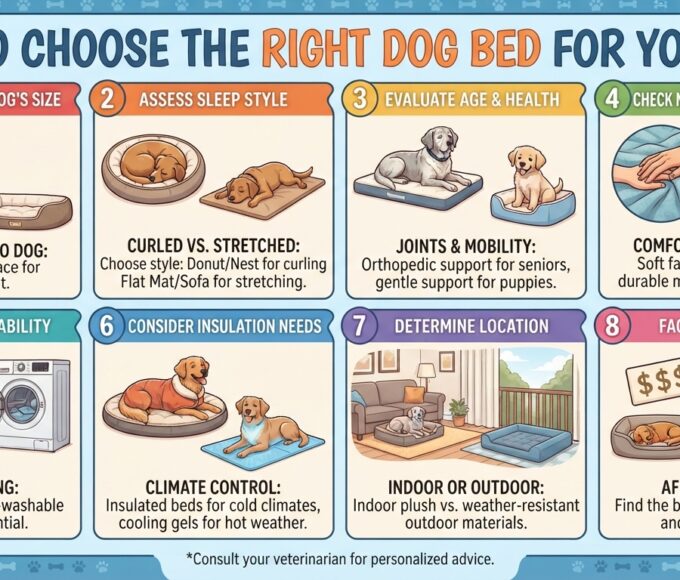
8. Cozy Beds and Blankets
A pet’s personality can often be reflected in where they choose to sleep.
Some dogs love sprawling across a large mattress, while others prefer a snug bed with raised sides. Cats may choose everything from a plush cushion to a cardboard box.
Consider giving your pet a comfortable sleeping area that matches their preferences.
Options include:
- Orthopedic beds
- Donut beds
- Cave-style beds
- Elevated beds
- Washable cushions
- Soft blankets
For older pets, supportive bedding may be particularly useful for comfortable resting.
9. Personalized Food and Water Bowls
Food and water bowls are everyday necessities, but they can still have personality.
You can find bowls in different shapes, materials, colors, and designs. Some can even be personalized with your pet’s name.
When selecting bowls, prioritize:
- Easy cleaning
- Stable construction
- Appropriate size
- Pet-safe materials
- Resistance to tipping
Stainless steel is a popular option because it is durable and generally easy to clean.
10. Grooming Accessories
Grooming isn’t only about making your pet look good. Regular grooming can also help maintain coat and skin health and gives you an opportunity to notice changes such as lumps, irritated skin, or parasites.
Depending on your pet, useful grooming accessories may include:
- Brushes
- Combs
- Nail clippers
- Pet-safe shampoos
- Grooming gloves
- Detangling tools
- Towels
Choose grooming equipment according to your pet’s coat type.
A short-haired cat generally has different grooming requirements from a long-haired Persian, just as a short-coated dog differs from a heavily coated breed.
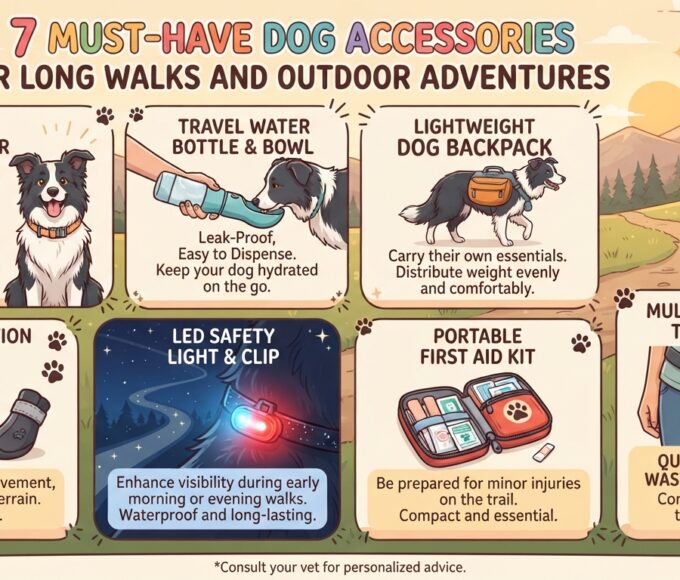
11. Travel Accessories
If your pet regularly travels with you, practical travel equipment can make trips easier.
Useful accessories include:
- Secure carriers
- Travel bowls
- Portable water bottles
- Seat-belt-compatible harnesses
- Travel beds
- Waste bags
- Portable food containers
- Pet identification
For cats and small pets, a secure carrier is especially important.
For dogs, avoid allowing them to roam freely inside a moving vehicle. A properly secured travel setup can reduce distractions and help protect your pet during sudden stops.
12. Reflective and LED Accessories
For pets who go outside after dark, visibility can be extremely important.
Reflective collars, harnesses, leashes, and other visibility accessories can make a pet easier for drivers and pedestrians to see.
Some products also include LED lights.
These accessories are particularly useful during:
- Early morning walks
- Evening walks
- Winter months
- Camping trips
- Low-light conditions
Visibility gear should complement—not replace—proper supervision and leash control.
13. Cat Trees and Climbing Accessories
Cats often enjoy vertical spaces, making cat trees an excellent way to combine enrichment with home décor.
A cat tree can provide opportunities to:
- Climb
- Scratch
- Rest
- Observe the room
- Play
- Hide
If your cat loves being high up, a tall climbing structure may become one of its favorite places in the house.
Make sure the structure is stable and appropriate for your cat’s size.
14. Scratching Posts
Scratching is normal feline behavior, so providing appropriate scratching accessories can help your cat express this natural instinct.
Options include:
- Vertical scratching posts
- Horizontal scratchers
- Cardboard scratchers
- Sisal-covered towers
- Scratching pads
Place scratching surfaces near areas where your cat already likes to scratch.
You can also provide multiple scratching options around the home rather than expecting your cat to use only one.
15. Cute Storage for Pet Supplies
Why hide your pet’s accessories when you can organize them in style?
A dedicated basket or storage box can keep toys, leashes, grooming equipment, blankets, and treats in one place.
You can choose a storage container that matches your home’s décor or even label it with your pet’s name.
A simple storage system also makes it easier to rotate toys and keep frequently used items within reach.
Choosing Accessories Based on Your Pet’s Personality
The best accessory isn’t necessarily the cutest one. Think about how your pet behaves.
The Playful Pet
If your pet is constantly looking for something to do, consider:
- Puzzle toys
- Fetch toys
- Interactive feeders
- Climbing equipment
- Durable chew toys
The Fashionable Pet
If your pet tolerates clothing and accessories comfortably, you might enjoy:
- Personalized collars
- Bandanas
- Seasonal outfits
- Decorative tags
- Matching leash sets
The Cozy Pet
For animals that love relaxing, consider:
- Soft beds
- Blankets
- Cushioned mats
- Covered beds
- Window perches for cats
The Adventurer
Pets who enjoy outdoor activities may benefit from:
- Reflective gear
- Travel bowls
- Secure harnesses
- Portable water containers
- Travel carriers
- Weather-appropriate clothing
The Curious Cat
For cats who love exploring, try:
- Cat trees
- Puzzle feeders
- Tunnels
- Wand toys
- Window perches
- Scratching stations
Safety Should Always Come Before Style
Fun accessories should enhance your pet’s life, not create unnecessary risks.
Before giving your pet a new accessory, check:
- Is it the correct size?
- Can your pet chew pieces off?
- Could it become tangled?
- Does it restrict movement?
- Does it interfere with breathing?
- Is it comfortable?
- Is it made from pet-appropriate materials?
- Does your pet tolerate it?
Inspect accessories regularly for damage. Replace collars, toys, leashes, and other products when they become worn or broken.
Certain toys should also be used under supervision, particularly if your pet is an aggressive chewer.
Don’t Assume Every Pet Likes Accessories
Every animal is different.
One dog may happily wear a sweater, while another may immediately try to remove it. One cat may love a harness, while another may become stressed as soon as it is introduced.
Your pet’s body language can tell you a lot.
Signs that your pet may not be comfortable include:
- Trying repeatedly to remove an item
- Hiding
- Freezing
- Excessive scratching
- Flattened ears
- Avoiding interaction
- Whining or vocalizing unusually
- Changes in normal behavior
If an accessory causes distress, remove it and try a different option—or skip the accessory entirely.
How to Introduce a New Accessory
Don’t immediately put a completely unfamiliar item on your pet and expect them to love it.
Instead, introduce it gradually.
Step 1: Let Them Investigate
Place the accessory nearby and allow your pet to sniff and inspect it.
Step 2: Create a Positive Association
Reward calm behavior with praise, treats, or another reward your pet enjoys.
Step 3: Try It Briefly
Once your pet is comfortable around the item, use it for a short period.
Step 4: Observe Their Behavior
Pay attention to body language and movement.
Step 5: Increase Duration Slowly
If your pet remains comfortable, gradually increase how long they use the accessory.
This approach can make unfamiliar items less intimidating.
Accessories Can Be Fun Without Being Expensive
You don’t need to spend a fortune to give your pet enjoyable accessories.
Some budget-friendly options include:
- Simple rope toys
- Cardboard cat scratchers
- Washable blankets
- Basic food puzzles
- Homemade enrichment activities
- Secondhand storage baskets
- Simple personalized tags
The most valuable accessory is often the one your pet actually enjoys using.
A $5 toy that keeps your dog entertained may be more useful than an expensive gadget that sits untouched in the corner.
Frequently Asked Questions
What accessories does every dog need?
Basic essentials generally include appropriate identification, a properly fitted collar or harness, a leash, food and water bowls, and suitable toys. Additional accessories depend on your dog’s lifestyle and individual needs.
What accessories are useful for cats?
Cats can benefit from scratching posts, interactive toys, comfortable resting areas, food puzzles, and climbing or hiding spaces. A secure carrier is also important for veterinary visits and travel.
Are pet clothes safe?
Pet clothing can be safe when it fits correctly, allows unrestricted movement, and is used appropriately. Always monitor your pet and remove clothing if they show signs of discomfort or distress.
Can toys improve a pet’s mental health?
Toys and enrichment activities can help provide mental stimulation and reduce boredom. They should be appropriate for the animal’s size, age, play style, and chewing habits.
How often should pet accessories be replaced?
There is no universal replacement schedule. Inspect accessories regularly and replace them when they become damaged, excessively worn, loose, or unsafe.
Final Thoughts
Pet accessories can be a fun way to celebrate what makes your companion unique. A colorful collar might match your dog’s energetic personality, while a cozy bed may be perfect for a cat who considers napping a full-time profession.
But accessories should do more than look good.
The best products provide comfort, enrichment, safety, convenience, or a combination of all four. Choose items that fit your pet properly, introduce unfamiliar products gradually, and always pay attention to how your companion responds.
After all, your pet doesn’t need the most fashionable accessory in the store. They need something that makes their everyday life a little safer, happier, and more enjoyable.






Leave a comment