





Traveling with your dog can turn an ordinary trip into a memorable adventure. Whether you’re planning a weekend road trip, a hiking getaway, a beach vacation, or a visit to a new city, having your canine companion by your side can make the experience even more enjoyable.
However, traveling with a dog requires more preparation than simply putting a leash on your pet and heading out. Dogs have different needs when it comes to transportation, food, exercise, accommodation, and unfamiliar environments.
With thoughtful planning, you can reduce stress and help your dog stay comfortable throughout the journey. Here are the most important dos and don’ts of traveling with your dog.
Dos When Traveling With Your Dog
1. Research Dog-Friendly Destinations
Before leaving home, research your destination carefully.
Not every hotel, park, restaurant, attraction, or public transportation service allows dogs. Even places advertised as pet-friendly may have restrictions regarding dog size, breed, number of pets, or access to certain areas.
Before booking, check:
- Whether dogs are allowed
- Pet fees or deposits
- Size or breed restrictions
- Whether dogs can be left unattended
- Leash requirements
- Nearby dog-friendly parks and walking areas
- Local rules regarding pets
- Emergency veterinary clinics nearby
Don’t rely solely on an old online listing. Policies can change, so confirming directly with the accommodation or business before your trip is a good idea.
2. Pack a Dog Travel Bag
Your dog needs a travel bag just as much as you do.
Prepare your dog’s supplies before departure and consider keeping everything together in one easily accessible bag.
Important items may include:
- Regular dog food
- Fresh water
- Food and water bowls
- Leash and harness
- Collar with identification
- Poop bags
- Medications
- Bedding or blanket
- Favorite toys
- Treats
- Towels
- Grooming supplies
- Portable water bowl
- Crate or carrier if needed
- Copies of important veterinary records
It’s also wise to pack a little extra food and medication in case your trip takes longer than expected.
3. Keep Your Dog’s Routine as Familiar as Possible
Dogs often feel more comfortable when their daily routine remains predictable.
Travel can introduce unfamiliar people, smells, sounds, locations, and schedules. Keeping certain routines consistent can help your dog adjust.
Try to maintain regular:
- Feeding times
- Bathroom breaks
- Walks
- Sleeping arrangements
- Medication schedules
- Rest periods
You don’t have to follow your normal schedule perfectly, but maintaining some familiar habits can make a new environment less overwhelming.
4. Plan Safe Transportation
Different forms of transportation require different safety measures.
For car journeys, your dog should be appropriately restrained rather than freely moving around the vehicle. A properly fitted crash-tested harness or secured travel crate can help reduce the risk of injury.
Never allow your dog to ride loose in the back of a pickup truck or hang their head out of a moving vehicle.
If you’re traveling by plane, train, bus, or boat, check the carrier’s current pet requirements before purchasing tickets. Rules can vary considerably between companies and routes.
If your dog has never traveled this way before, gradual preparation can help them become familiar with the carrier, crate, or travel environment.
5. Take Regular Breaks During Road Trips
Long car journeys can be tiring for dogs.
Plan regular stops so your dog can:
- Stretch their legs
- Drink water
- Use the bathroom
- Walk for a few minutes
- Relax away from the vehicle
Keep your dog securely leashed when stopping in unfamiliar areas. A dog that normally comes when called may react differently when frightened or distracted by a new environment.
Avoid letting your dog rush out of the vehicle near traffic or unfamiliar surroundings.
6. Give Your Dog Exercise and Mental Stimulation
Travel doesn’t eliminate your dog’s need for physical activity and mental stimulation.
After arriving at your destination, look for appropriate activities your dog can enjoy. Depending on the location and your dog’s abilities, this could include a walk, a dog-friendly trail, a game of fetch, or simply exploring a quiet area together.
Mental stimulation is important too. Bring a familiar puzzle toy, chew, or favorite toy to give your dog something comforting to do during downtime.
Remember that unfamiliar environments can be mentally exhausting. Your dog may need more rest than usual.
7. Give Your Dog Time to Adjust
A new destination can be exciting, but it can also be overwhelming.
Instead of immediately taking your dog to crowded attractions, noisy streets, and unfamiliar environments, allow them some quiet time after arrival.
Let your dog explore their accommodation gradually. Give them access to familiar bedding, toys, and water.
Pay attention to body language such as:
- Excessive panting
- Lip licking
- Yawning
- Hiding
- Trembling
- Pacing
- Excessive barking
- Avoiding interaction
These behaviors can indicate that your dog is stressed or uncomfortable.
8. Carry Identification Information
Make sure your dog’s identification information is current before traveling.
Your dog should ideally have:
- A secure collar
- Current identification tags
- Updated microchip information, where applicable
- Your current contact information
It’s also useful to keep a recent photo of your dog on your phone. If your dog becomes lost, having a clear photo can make it easier to create a lost-pet notice.
Don’ts When Traveling With Your Dog
1. Never Leave Your Dog Alone in a Hot Car
One of the most important travel safety rules is simple: never leave your dog unattended in a parked car during warm weather.
A vehicle can become dangerously hot very quickly, even when the weather doesn’t initially feel extreme. Cracking a window open does not make leaving a dog inside a parked vehicle safe.
If you need to visit a location where dogs aren’t allowed, consider leaving your dog with a trusted person or choosing a dog-friendly alternative.
Cold weather can also create dangerous conditions for pets, so extreme temperatures should always be taken seriously.
2. Don’t Let Your Dog Off-Leash in Unfamiliar Places
Your dog may be perfectly reliable off-leash at home, but unfamiliar surroundings introduce new distractions and risks.
There could be:
- Busy roads
- Wildlife
- Other dogs
- Unfamiliar people
- Open water
- Dangerous plants
- Fences or cliffs
- Construction areas
Unless you’re in a secure, designated off-leash area, keep your dog under appropriate physical control.
A leash and properly fitted harness can provide an extra layer of safety.
3. Don’t Suddenly Change Your Dog’s Diet
Travel is not the ideal time to experiment with your dog’s diet.
New foods can cause stomach upset, diarrhea, vomiting, or other digestive problems. Even if your dog seems interested in local food, it’s generally safer to maintain their normal diet.
Bring enough of their usual food for the trip whenever possible.
If you want to give your dog treats during your adventure, use familiar treats or introduce new foods cautiously.
4. Don’t Ignore Signs of Stress or Fatigue
Some dogs handle travel easily, while others need more time to adjust.
Don’t assume that your dog is enjoying an activity simply because they’re physically accompanying you.
Watch for signs that your dog needs a break.
For example, if your dog becomes unusually quiet, repeatedly tries to hide, pants excessively, refuses food, or seems unable to settle, move them to a calmer environment and allow them to rest.
If you notice concerning or persistent symptoms, contact a veterinarian.
5. Don’t Forget Bathroom Breaks
A busy travel schedule can make it easy to forget your dog’s normal bathroom routine.
Plan appropriate bathroom breaks throughout your journey, particularly during long road trips.
Always carry waste bags and clean up after your dog. Proper waste disposal is part of being a responsible traveler and helps keep public spaces pleasant for everyone.
6. Don’t Force Your Dog Into Every Activity
A dog-friendly destination doesn’t mean your dog needs to participate in every activity.
Some dogs love crowded outdoor cafés, busy city streets, and long hikes. Others prefer quiet walks and relaxing at their accommodation.
Consider your dog’s:
- Age
- Fitness level
- Temperament
- Health
- Fear triggers
- Breed-related needs
- Experience with travel
Choose activities that suit your individual dog rather than trying to fit them into your entire itinerary.
7. Don’t Forget Emergency Planning
Unexpected situations can happen while traveling.
Before leaving, identify a veterinary clinic near your destination and save its contact information.
You should also know where to find emergency veterinary care if your dog becomes sick or injured outside normal business hours.
Keeping basic first-aid supplies and your dog’s medical information accessible can also make unexpected situations easier to manage.
How to Make Travel Easier for Your Dog
A successful dog-friendly trip starts before you leave home.
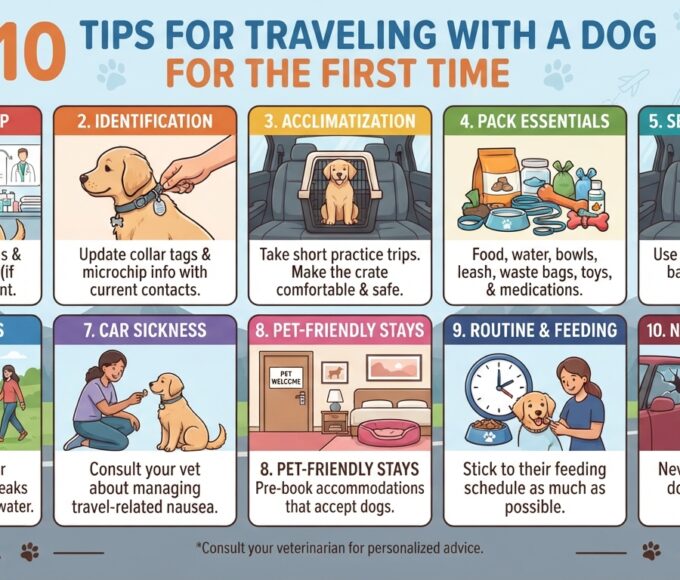
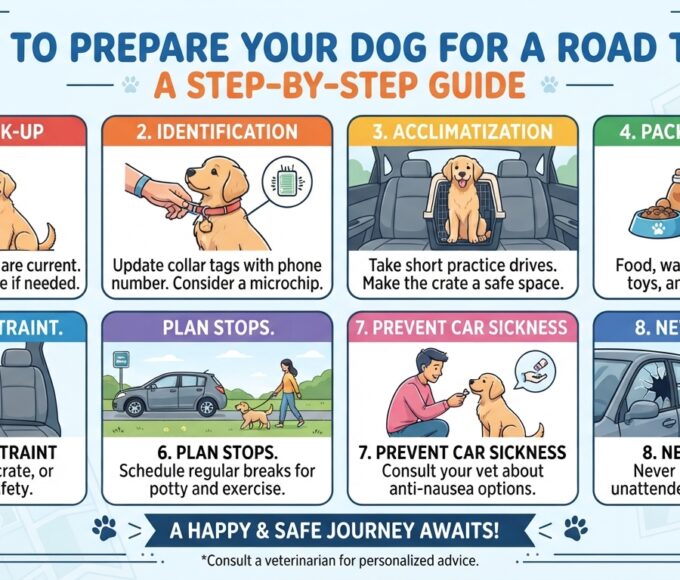
If your dog isn’t accustomed to traveling, begin with short practice trips. A brief drive to a pleasant destination can help your dog become familiar with the experience.
You can gradually increase the distance as your dog becomes more comfortable.
It’s also helpful to introduce travel equipment beforehand. Allow your dog to investigate their crate, carrier, harness, or travel bed at home rather than introducing everything for the first time on departure day.
Positive experiences can help your dog associate travel equipment with something safe and familiar.
Dog Travel Checklist
Before heading out, use this quick checklist:
| Item | Packed? |
|---|---|
| Dog food | ☐ |
| Fresh water | ☐ |
| Food and water bowls | ☐ |
| Leash and harness | ☐ |
| Identification tags | ☐ |
| Waste bags | ☐ |
| Medication | ☐ |
| Bedding or blanket | ☐ |
| Favorite toys | ☐ |
| Treats | ☐ |
| Towels | ☐ |
| Crate or carrier | ☐ |
| Veterinary information | ☐ |
| Emergency contact information | ☐ |
| Recent photo of your dog | ☐ |
Frequently Asked Questions About Traveling With Dogs
Can I take my dog on an airplane?
Many airlines allow pets under certain conditions, but policies vary. Some allow eligible dogs in the cabin while others have additional restrictions. Check the airline’s current pet policy, documentation requirements, carrier rules, and destination regulations well before your trip.
How often should I stop when driving with my dog?
There isn’t one perfect schedule for every dog, but regular breaks are important during long journeys. Give your dog opportunities to drink, use the bathroom, stretch, and relax. Puppies, senior dogs, and dogs with certain medical conditions may need more frequent breaks.
Should I feed my dog before traveling?
That depends on your dog’s individual needs and how they respond to travel. Some dogs experience motion sickness, so a veterinarian can provide advice if your dog frequently becomes nauseous during car journeys. Avoid making major dietary changes immediately before traveling.
Should my dog wear a collar while traveling?
Your dog should have reliable identification, but the safest setup depends on the situation. A properly fitted harness may provide better control during walks, while identification tags should remain accessible. Make sure any equipment you use fits correctly and doesn’t create a safety hazard.
What should I do if my dog gets anxious while traveling?
Start with shorter practice trips and gradually build up your dog’s tolerance. Bring familiar bedding or toys and provide regular breaks. If your dog experiences severe travel anxiety or motion sickness, talk with your veterinarian about appropriate strategies before the trip.
Can I take my dog to restaurants and tourist attractions?
Some restaurants, parks, outdoor attractions, and other businesses welcome dogs, while others don’t. Always check the specific location’s current rules before visiting. Even when dogs are allowed, consider whether the environment is comfortable and safe for your pet.
Final Thoughts
Traveling with your dog can be an incredible way to create new memories together. From road trips and hiking adventures to relaxing vacations, dogs can be wonderful companions when their needs are properly considered.
The key is preparation. Research your destination, pack the right supplies, use appropriate travel restraints, maintain familiar routines, provide regular exercise and rest, and pay attention to your dog’s behavior.
Most importantly, remember that every dog is different. A successful trip isn’t about seeing as many places as possible—it’s about making sure your dog remains safe, comfortable, and happy along the way.
With a little planning and patience, you can explore new places together while giving your canine companion the care they need throughout the journey.






Leave a comment