





If you love spoiling your pet, you don’t always need to spend a lot of money on expensive toys, beds, or accessories. With a few basic materials and some creativity, you can make useful and entertaining DIY pet accessories right at home.
Homemade pet projects can also be a great way to reuse items you already have, such as old blankets, cardboard boxes, towels, shirts, and containers. Best of all, you can customize each project to suit your pet’s size, personality, and preferences.
From comfortable beds and interactive toys to simple bandanas and enrichment activities, here are some fun DIY pet accessories and homemade pet projects you can try.
1. Make a Simple DIY Pet Toy
Toys are an excellent way to provide physical exercise and mental stimulation.
For dogs, an old clean T-shirt can be turned into a simple braided tug toy. Cut the fabric into strips, tie the strips securely together, and braid them into a sturdy toy.
You can also make simple enrichment toys by placing appropriate treats inside a cardboard box or paper-based puzzle setup.
For cats, cardboard boxes, paper balls, and homemade wand-style toys can provide hours of entertainment when designed and used safely.
Safety tips
- Use clean, pet-safe materials.
- Remove buttons, beads, ribbons, and other small pieces.
- Avoid materials that easily break into pieces.
- Inspect toys regularly for damage.
- Take away damaged toys immediately.
- Always supervise pets with homemade toys.
A DIY toy should be treated just like a store-bought toy: if it becomes damaged or unsafe, replace it.
2. Create a Cozy DIY Pet Bed
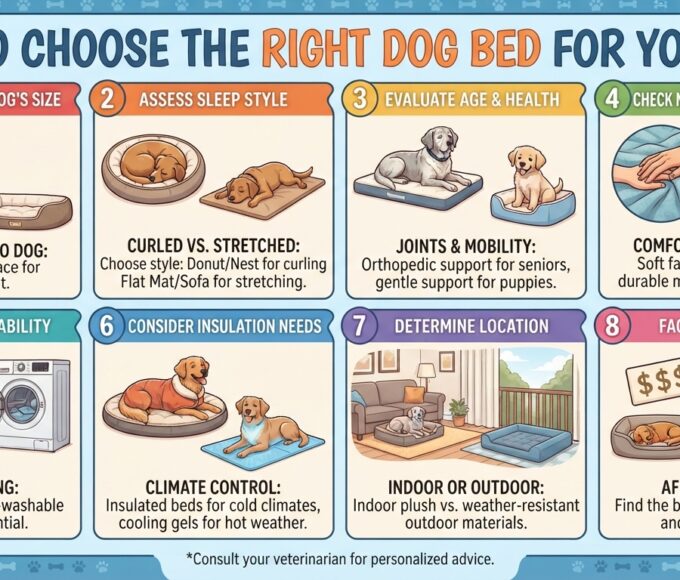
Your pet deserves a comfortable place to rest, and making a simple pet bed can be surprisingly easy.
One option is to use an old pillowcase filled with a suitable washable cushion or folded blanket. You can also repurpose a sturdy, clean wooden crate by adding a properly sized cushion.
For cats, a cardboard box with a soft washable blanket can become an inexpensive resting area.
What makes a good DIY pet bed?
A comfortable pet bed should:
- Be large enough for your pet to stretch out
- Use washable materials
- Have no exposed sharp edges
- Be stable and difficult to tip over
- Provide enough padding for your pet
- Be placed somewhere your pet feels comfortable
If your pet chews bedding or tries to eat fabric, avoid materials that could create an ingestion hazard.
3. Make a Personalized Pet Bandana
A homemade bandana is one of the easiest DIY pet accessories to create.
Choose a lightweight, washable fabric and cut it into an appropriate size for your pet. You can personalize it with patterns, colors, or even your pet’s name.
Bandanas can be a fun way to give your dog a unique look for walks, photos, or special occasions.
However, make sure the bandana isn’t tight around your pet’s neck. You should be able to comfortably fit appropriate fingers between the accessory and your pet’s neck.
Never use a DIY accessory that restricts breathing, movement, or swallowing.
4. Create a DIY Snuffle Mat for Dogs
Dogs naturally enjoy using their noses to investigate the world.
A snuffle mat can turn mealtime or treat time into a simple enrichment activity.
You can create one using strips of fleece securely attached to a suitable base, with treats or pieces of your dog’s regular food hidden between the fabric.
Your dog then uses their nose to search for the food.
Why use a snuffle mat?
It can provide:
- Mental stimulation
- A slower way to eat
- An opportunity to use natural sniffing behavior
- An engaging indoor activity
Always supervise your dog while using a homemade snuffle mat and remove it if they begin chewing or pulling pieces of fabric loose.
5. Build a DIY Cat Hideaway
Cats often appreciate having quiet places where they can retreat and relax.
A cardboard box can easily become a simple cat hideaway. Cut an appropriately sized entrance into the side of the box and place a soft blanket inside.
You can decorate the outside using pet-safe materials, but avoid loose strings, staples, tape that can be chewed, or small decorative pieces.
Place the hideaway somewhere quiet where your cat can rest without being disturbed.
You can even create several boxes or hiding spaces around the home to give your cat more choices.
6. Make a DIY Treat Puzzle
Food puzzles can give pets an opportunity to work for small portions of their food.
For example, you can place a small amount of your dog’s regular kibble inside a sturdy cardboard tube or another pet-safe container with appropriately sized openings.
For cats, you can create simple food puzzles using cardboard compartments or commercially available puzzle feeders as inspiration.
The goal isn’t to make the puzzle extremely difficult. Start with an easy design and observe how your pet interacts with it.
If your pet begins tearing apart or eating the material, stop using the puzzle.
7. Make a Homemade Pet Toy Basket
Instead of leaving your pet’s toys scattered around the house, create a dedicated toy basket.
You can repurpose a sturdy fabric basket or another pet-safe container and decorate it with your pet’s name.
Keep frequently used toys inside and rotate them every few days.
Toy rotation can make familiar toys seem more interesting because your pet isn’t seeing every toy at the same time.
Make sure the basket itself is safe and doesn’t contain sharp edges, loose threads, or materials your pet could chew and swallow.
8. Create Simple DIY Pet Clothing
Some pets may benefit from appropriate clothing in cold weather, while others don’t need it at all.
If your pet is comfortable wearing clothing, you can repurpose an old soft shirt or sweater into a simple garment, provided it fits properly and doesn’t restrict movement.
Before using homemade clothing, check that your pet can:
- Walk normally
- Sit and lie down
- Breathe comfortably
- Move their legs freely
- Go to the bathroom normally
Never force clothing on a pet that clearly dislikes or fears wearing it.
Also remember that clothing isn’t appropriate for every dog or cat. Some pets can overheat easily, particularly in warm environments.
9. Make a DIY Pet Grooming Station
You don’t necessarily need an elaborate setup for basic grooming at home.
Create a small grooming basket containing appropriate pet-care supplies such as:
- Pet brush
- Comb
- Nail-care equipment
- Pet-safe shampoo
- Towels
- Grooming wipes
- Ear-care supplies recommended by your veterinarian
Keeping everything together makes regular grooming easier.
For grooming products themselves, it’s safer to use products specifically formulated for your pet rather than experimenting with household ingredients or essential oils.
Dogs and cats have different skin needs, and some substances that seem harmless to people can irritate pets or be toxic if swallowed.
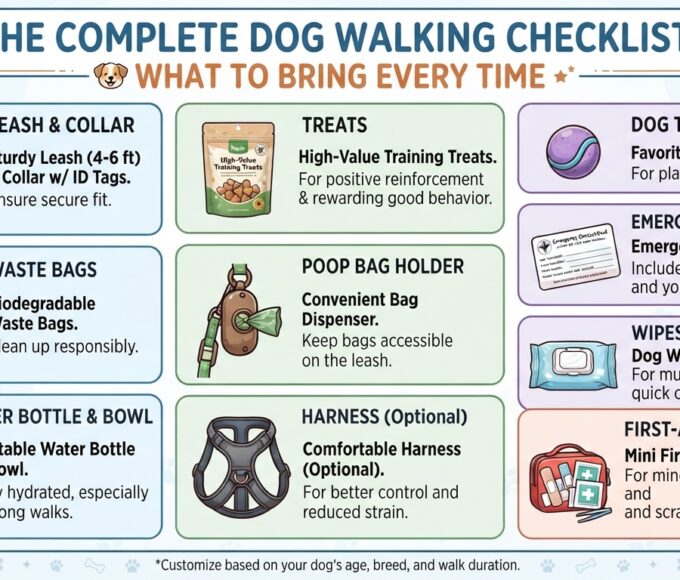
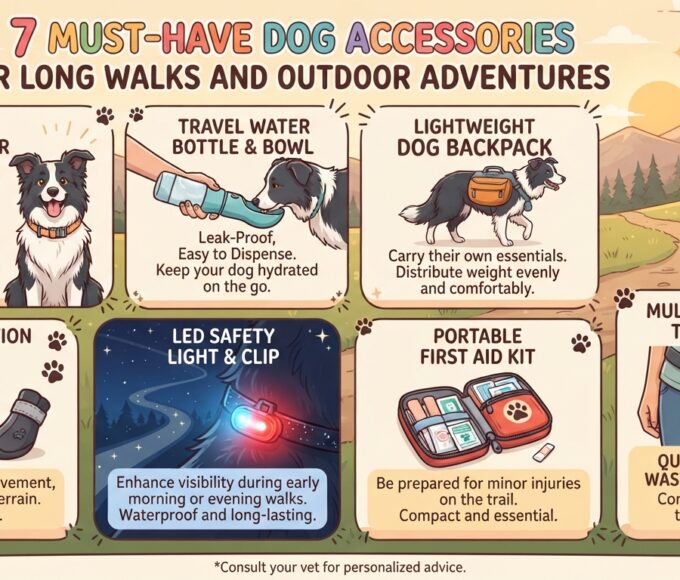
10. Create a DIY Travel Kit for Your Pet
If you regularly take your pet on adventures, create a dedicated travel kit.
A simple reusable bag can contain:
- Collapsible food and water bowls
- Waste bags
- Small towel
- Extra leash
- Treats
- Portable water bottle
- Basic grooming supplies
- Identification information
- Medication if required
- Favorite comfort item
Keeping these items together means you’re less likely to forget something when leaving the house.
DIY Homemade Pet Treats: Keep Safety in Mind
Homemade treats can be another fun project, but food safety is especially important.
If you’re making treats for your pet, use ingredients known to be safe for that particular species and consider your pet’s dietary needs.
Avoid dangerous ingredients such as:
- Chocolate
- Xylitol
- Onions and garlic
- Grapes and raisins
- Alcohol
- Excessively salty foods
- Ingredients your veterinarian has advised your pet to avoid
If your pet has allergies, a medical condition, or a special diet, speak with your veterinarian before introducing homemade treats.
Remember that treats should complement a balanced diet rather than replace your pet’s regular food.
How to Personalize DIY Pet Accessories
One of the biggest advantages of making pet accessories yourself is customization.
You can personalize projects by choosing:
Colors
Use colors and patterns that match your home or your pet’s personality.
Size
Make beds, toys, and accessories specifically for your pet instead of relying on standard store sizes.
Names
Add your pet’s name to suitable accessories such as storage baskets or bandanas.
Materials
Choose washable and durable materials that are appropriate for the type of project you’re creating.
Personalization is fun, but safety should always come before appearance.
Important Safety Rules for DIY Pet Accessories
Before giving any homemade item to your pet, inspect it carefully.
Ask yourself:
- Could my pet swallow part of this?
- Are there loose threads or strings?
- Are there sharp edges?
- Could the material break apart?
- Could my pet become tangled?
- Is the item too small?
- Could the accessory restrict movement or breathing?
- Can it be cleaned easily?
- Does my pet try to chew or destroy it?
Remember that different pets interact with objects differently. A toy that is perfectly suitable for one animal may be unsafe for another.
Always supervise new DIY accessories at first.
DIY Pet Accessories on a Budget
One of the best things about DIY projects is that you can often use materials already available at home.
Consider repurposing:
- Old blankets
- Clean towels
- Cardboard boxes
- Old cotton shirts
- Unused pillowcases
- Sturdy containers
- Safe fabric scraps
However, don’t use an item simply because it’s free. Inspect everything carefully for damage, chemicals, loose parts, or materials that could harm your pet.
Frequently Asked Questions
Are DIY pet accessories safe?
They can be, provided they’re made from appropriate materials and designed with your pet’s safety in mind. Avoid small detachable pieces, toxic materials, sharp edges, loose strings, and anything that could become a choking or ingestion hazard.
What is the easiest DIY pet accessory to make?
A simple pet bandana, toy basket, cardboard cat hideaway, or basic pet bed can be relatively easy projects for beginners.
Can I make toys from old clothes?
Yes, clean and durable fabric from old clothes can be useful for certain homemade toys. However, remove buttons, zippers, hooks, and other pieces that could become dangerous if swallowed.
Are homemade pet treats better than store-bought treats?
Not necessarily. Homemade treats give you more control over the ingredients, but they still need to be nutritionally appropriate and prepared safely. Store-bought treats can also be perfectly suitable when chosen carefully.
Can I use essential oils in homemade pet products?
Be cautious. Some essential oils can be harmful to pets, particularly cats, and concentrated oils can create risks through skin contact or ingestion. Avoid adding essential oils to homemade pet grooming products unless your veterinarian has specifically advised that a particular product and concentration are appropriate.
How often should I replace homemade pet toys?
There is no fixed schedule. Inspect toys frequently and replace them whenever they become damaged, frayed, broken, or small enough to swallow.
Final Thoughts
DIY pet accessories are a fun way to combine creativity with practical pet care. You can make comfortable beds, enrichment toys, storage solutions, bandanas, hideaways, and other useful items without spending a fortune.
The most important thing is to put safety ahead of style and convenience. Choose appropriate materials, avoid small or detachable parts, inspect homemade products regularly, and supervise your pet when introducing something new.
Whether you have a playful dog, curious cat, rabbit, or another companion animal, a thoughtful homemade accessory can add enrichment to their day while giving you a fun project to enjoy together.






Leave a comment