




Have you ever looked at your pet and wondered what they were trying to tell you?
Maybe your dog suddenly starts pacing around the house, your cat flicks their tail while you’re petting them, or your puppy keeps bringing you a toy when you’re trying to work. Our pets may not speak our language, but they communicate with us constantly through body language, sounds, facial expressions, and behavior.
Learning to recognize these signals can transform your relationship with your pet.
Training is another important part of that connection. Good training isn’t simply about teaching a dog to sit or teaching a cat to use a scratching post. It gives pets a way to understand what their owners want while giving owners a better understanding of what their pets need.
When communication, training, patience, and quality time come together, you can build a relationship based on trust and cooperation.
Why Communication Matters With Your Pet
Animals communicate differently from humans, but that doesn’t mean they aren’t communicating.
Dogs and cats use a combination of body language, sounds, movement, facial expressions, and learned behaviors to express themselves.
For example, a dog may communicate excitement by wagging their tail, bouncing around, or bringing you a toy. A frightened dog might lower their body, tuck their tail, avoid eye contact, or try to move away.
Cats can also communicate through subtle signals. Their ears, tail position, posture, eyes, and vocalizations can provide clues about how they’re feeling.
The more you pay attention, the easier it becomes to recognize patterns in your pet’s behavior.
Learn to Read Your Dog’s Body Language
Dogs communicate extensively through their bodies.
Some common signals include:
Relaxed body
A relaxed posture, soft facial expression, and natural tail position generally indicate that a dog is comfortable.
Excited behavior
A dog may become bouncy, energetic, playful, or eager to interact when excited.
Fear or discomfort
Hiding, crouching, trembling, lip licking, turning away, or trying to escape can indicate fear or discomfort.
Stress
Pacing, excessive panting, yawning, repeated lip licking, or avoiding interaction may occur when a dog is stressed.
These signals should always be considered in context. A single behavior doesn’t necessarily tell you exactly what a dog is feeling.
Learning your individual dog’s normal behavior is particularly useful because you can recognize when something changes.
Understanding Cat Communication
Cats can be even more subtle in their communication.
A cat’s tail, ears, eyes, posture, and vocalizations can all provide information.
For example:
- A relaxed cat may have a loose body posture and naturally positioned ears.
- Ears held sideways or backward can indicate discomfort or heightened alertness.
- A rapidly flicking tail can occur when a cat is irritated or overstimulated.
- A cat hiding may be frightened, stressed, or simply seeking a quiet place.
- Slow blinking can occur during relaxed social interaction.
Cats also communicate through scent marking and scratching behavior.
Instead of viewing every unwanted behavior as “bad,” consider asking what your cat might be trying to communicate.
Training Is a Form of Communication
Training is much more than teaching commands.
When you train your pet, you’re creating a shared system of communication.
Your pet learns that a particular word, gesture, or cue predicts a specific behavior or outcome. You, meanwhile, learn how your pet responds to different situations.
For example, teaching a dog the cue “sit” doesn’t just produce a sitting dog. It teaches the dog that responding to that cue can lead to something rewarding.
Over time, your pet learns which behaviors are encouraged and which behaviors don’t produce the desired result.
This makes everyday life easier for both of you.
Use Positive Reinforcement
Positive reinforcement is a useful approach for teaching many pets.
The basic idea is simple: when your pet performs a desirable behavior, you provide something they value.
Depending on the animal, that reward could be:
- Small treats
- Praise
- A favorite toy
- Playtime
- Attention
- Access to something they enjoy
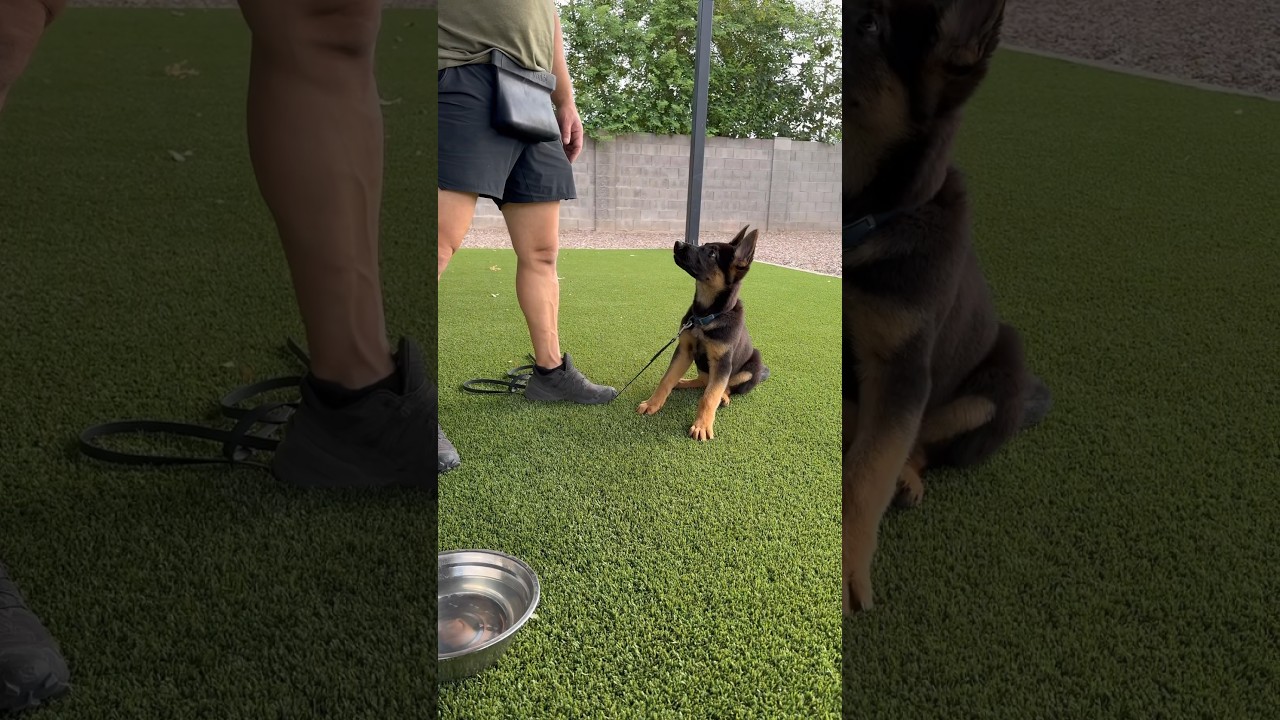
For example, if your dog sits when asked, you can immediately reward the behavior.
Timing matters. The reward should come close to the behavior you’re trying to reinforce so your pet can make the connection.
Positive reinforcement isn’t about giving treats for everything forever. As your pet learns, rewards can be adjusted and used strategically to maintain reliable behavior.
Consistency Makes Training Easier
Imagine being given a different set of rules every day. It would be difficult to know what was expected of you.
Pets can experience the same confusion when household rules constantly change.
Try to make important cues and expectations consistent.
For example, if you don’t want your dog jumping onto guests, everyone in the household should follow the same approach.
Similarly, if your cat is allowed on one piece of furniture but not another, make the rules clear and provide an appropriate alternative.
Consistency helps pets understand what behaviors are expected.
Keep Training Sessions Short and Positive
Long training sessions can become boring or frustrating.
Short, focused sessions are often easier for pets to handle.
Start with simple behaviors and gradually increase difficulty as your pet understands the basics.
End training on a positive note whenever possible.
Training should be an opportunity for your pet to learn and interact with you—not an experience they constantly associate with frustration.
Spend Quality Time Together
Training is only one part of building a relationship with your pet.
Everyday interactions matter too.
Depending on your pet’s preferences and physical abilities, quality time could include:
- Going for walks
- Playing with toys
- Practicing simple training games
- Grooming
- Exploring safe environments
- Sitting together
- Offering enrichment activities
- Relaxing quietly in the same room
You don’t always need to be actively playing with your pet. Simply sharing calm, positive experiences can strengthen familiarity and trust.
Let Your Pet Have Choices
Building a strong relationship doesn’t mean controlling every aspect of your pet’s life.
Whenever practical and safe, allow your pet to make simple choices.
For example, you might allow your dog to choose between two toys or let your cat decide whether they want to interact or continue resting.
Giving animals appropriate choices can help them feel more secure and can teach owners to pay attention to their preferences.
Don’t Ignore Changes in Behavior
One of the most important things you can learn from communicating with your pet is recognizing when their normal behavior changes.
A sudden change in behavior can sometimes be associated with:
- Stress
- Fear
- Environmental changes
- Pain
- Illness
- Aging
- Changes in routine
For example, a normally social dog that suddenly hides may need more than additional training.
Likewise, a cat that suddenly stops using the litter box should not automatically be considered “naughty.”
Unexpected or persistent behavior changes should be discussed with a veterinarian, particularly when illness or pain could be involved.
What to Do When Your Pet Misbehaves
Every pet owner eventually encounters unwanted behavior.
The first step is to identify the cause rather than immediately assuming your pet is being stubborn or deliberately disobedient.
Ask yourself:
What happened immediately before the behavior?
Could my pet be bored, frightened, stressed, or uncomfortable?
Has anything changed recently?
Has my pet learned that this behavior gets attention or a reward?
Once you understand the possible reason, you can work on teaching an appropriate alternative.
For persistent or serious behavior problems, a qualified trainer or veterinary behavior professional can provide individualized guidance.
Build Trust Through Patience
Trust isn’t built in one training session.
It develops through repeated experiences in which your pet learns that you are predictable, respectful, and safe.
Avoid rushing your pet into situations they’re clearly uncomfortable with.
Instead, introduce new experiences gradually and reward calm behavior.
This can be particularly important for rescue animals, puppies, kittens, or pets that have had negative experiences in the past.
Training Should Be a Team Effort
It’s easy to think that training is something the owner does to the pet.
A better way to think about it is something you do with your pet.
You’re learning how to communicate clearly.
Your pet is learning how to respond to your cues.
Both sides become more familiar with each other’s habits and signals.
That shared learning experience can make training one of the most rewarding parts of pet ownership.
Frequently Asked Questions
How can I communicate better with my pet?
Start by observing their normal behavior. Pay attention to body language, vocalizations, posture, facial expressions, and changes in routine. Over time, you’ll become more familiar with your individual pet’s communication style.
What is the best way to train a pet?
Positive reinforcement is a widely used training approach. Reward behaviors you want to encourage, use clear cues, and keep sessions consistent and manageable. Training methods should also be adapted to the individual animal.
How long should a training session last?
There isn’t one perfect length for every pet. Short sessions are often easier to keep productive, especially for young or easily distracted animals. Several brief sessions throughout the day can work well.
What if my pet doesn’t respond to training?
First, consider whether the behavior is too difficult for your pet’s current skill level. Reduce distractions, simplify the task, improve the reward, and practice gradually. If you’re dealing with persistent or serious behavior problems, seek professional guidance.
How can I strengthen my bond with my pet?
Spend regular quality time together, play games, take walks when appropriate, practice training, provide enrichment, and respect your pet’s need for rest and personal space.
Should I punish my pet for unwanted behavior?
Harsh punishment can increase fear, stress, and confusion. Instead, focus on understanding why the behavior is occurring and reinforce an appropriate alternative. For difficult cases, consider working with a qualified professional.
Final Thoughts
Understanding your pet is an ongoing process.
Your dog, cat, or other companion animal may never speak human words, but they are constantly communicating through their behavior, body language, sounds, and daily habits.
By learning to recognize those signals and responding with patience, you can develop a much deeper understanding of your pet.
Training can strengthen that communication even further. Through clear cues, consistency, positive reinforcement, and rewarding interactions, you can teach your pet what you expect while giving them opportunities to succeed.
Most importantly, remember that a strong pet-owner relationship isn’t built through obedience alone. It’s built through trust, patience, communication, respect, and shared experiences.
The better you understand your pet, the easier it becomes to work together—and the stronger your lifelong bond can become.





Leave a comment