





Traveling with a dog can turn an ordinary trip into a memorable adventure, but flying with a pet requires considerably more planning than simply buying a ticket and showing up at the airport.
Airlines have their own rules about pet carriers, cabin travel, fees, routes, reservations, documentation, and which animals they accept. International destinations can add another layer of health and entry requirements.
If you’re planning to fly with your dog, this guide will help you understand what to check before booking and how to prepare your pup for the journey.
What Makes an Airline Dog-Friendly?
There isn’t one universal definition of a “dog-friendly airline.” An airline may allow small dogs in the cabin but have limited options for larger dogs, while another may have different rules depending on the destination or aircraft.
Before purchasing your ticket, check:
- Whether dogs are allowed in the cabin
- Pet carrier size requirements
- Whether the airline limits the number of pets per flight
- Pet travel fees
- Breed and destination restrictions
- Age and health requirements
- Whether pets can travel as checked animals or through cargo
- Required health certificates and vaccination records
- Rules for connecting flights
- International entry requirements
Pet spaces can be limited, so it’s important to arrange your dog’s travel as early as possible.
Popular U.S. Airlines That Allow Dogs
Several major U.S. airlines have pet-travel programs, but their policies are not interchangeable.
| Airline | General Pet Option | Important Consideration |
|---|---|---|
| Southwest | Small dogs and cats can travel in the cabin on eligible domestic flights | Pets are not transported in the cargo compartment |
| Delta | Small dogs can travel in the cabin on eligible routes | Cabin availability and destination restrictions apply |
| American Airlines | Eligible small dogs can travel in the cabin; some animals may be transported through American Airlines Cargo | Rules depend on destination, size, and circumstances |
| JetBlue | Pet travel is available with its pet-travel program | Check current carrier, route, and reservation requirements |
| Alaska Airlines | Offers cabin and other pet-transport options depending on the journey | Breed, destination, carrier, and health restrictions can apply |
Southwest currently allows small, vaccinated dogs and cats in appropriate carriers on domestic flights, but does not transport pets in its cargo compartment.
Delta permits eligible small dogs in the cabin on certain flights, with limits on the number of pets per flight and specific carrier and seating requirements.
American Airlines allows qualifying small dogs in the cabin and uses American Airlines Cargo for certain larger-pet transportation needs. Its carry-on rules depend on the aircraft, destination, carrier, and other requirements.
Alaska Airlines also offers pet-travel options and advises travelers to review its current requirements for carriers, health documentation, breed restrictions, and destination limitations before booking.
Important: Airline policies change. Always verify the rules for your exact flight directly with the airline before purchasing or finalizing your trip.
Cabin Travel vs. Cargo Travel
For many owners, the biggest question is whether their dog can travel in the cabin.
Traveling in the Cabin
Small dogs that meet the airline’s requirements may be allowed to travel in a carrier underneath the seat.
The carrier generally needs to fit completely beneath the seat, and your dog must remain inside it according to the airline’s rules.
For example, Delta requires an in-cabin pet to remain secured in its kennel and states that the kennel must fit underneath the seat in front of the passenger.
American Airlines similarly requires carry-on pets to remain inside their carrier under the seat for the entire flight.
Larger Dogs
Larger dogs may not qualify for ordinary cabin travel because they cannot fit comfortably in an approved under-seat carrier.
Depending on the airline and circumstances, other transportation options may include specialized cargo services. However, availability can be limited.
For example, Delta currently restricts pet shipping through Delta Cargo to certain active U.S. military and State Department Foreign Service situations, while American directs larger pets that cannot travel in the cabin to its cargo service.
This is why you should never assume that an airline will accept your large dog simply because it transports pets.
Choosing the Right Airline for Your Dog
Instead of choosing an airline based only on its reputation for being pet-friendly, compare the actual rules for your trip.
1. Check the Exact Route
A pet policy may differ depending on whether you’re flying domestically, internationally, or to a destination with special regulations.
Some destinations have restrictions that can prevent pets from traveling in the cabin or require additional documentation.
2. Check the Aircraft
Under-seat space isn’t identical on every aircraft.
Even if your dog and carrier meet the general airline requirements, your specific aircraft may have different restrictions.
3. Check Pet Availability
Airlines may limit the number of pets permitted in a cabin.
Delta, for example, uses limits on the number of in-cabin pets and recommends arranging pet travel as soon as possible after making the passenger reservation.
4. Check the Carrier Requirements
Measure the carrier before purchasing one.
Your dog should be able to remain comfortably inside the carrier while meeting the airline’s requirements. Never assume that a carrier marketed as “airline approved” will automatically fit every aircraft.
5. Check the Fees
Pet fees vary between airlines and routes and can change over time. Confirm the current fee before booking.
What to Pack for Your Dog
A little organization can make airport travel much easier.
Consider preparing a dedicated dog travel bag containing:
- Airline-approved carrier
- Collar and identification tag
- Leash and harness
- Food
- Portable water bowl
- Small supply of treats
- Familiar blanket
- Comfort toy
- Waste bags
- Required medications
- Copies of important veterinary documents
- Health certificate if required
- Vaccination records
- Emergency contact information
- Cleaning supplies
- Basic first-aid items
Keep important documents somewhere that you can reach quickly rather than burying them inside checked luggage.
Get Your Dog Comfortable With the Carrier
One of the best things you can do before the trip is make the carrier familiar.
Don’t wait until the morning of the flight to introduce it.
Instead:
- Leave the carrier open at home.
- Allow your dog to investigate it voluntarily.
- Place treats or meals near the carrier.
- Gradually encourage your dog to spend short periods inside.
- Practice closing the carrier for brief periods.
- Take short trips if appropriate.
- Gradually increase the duration.
The goal is for the carrier to become a familiar part of your dog’s environment rather than something that suddenly appears on travel day.
Prepare Your Dog for the Airport
Airports can be overwhelming. There are rolling suitcases, announcements, crowds, unfamiliar smells, security procedures, and constant movement.
If your dog isn’t accustomed to busy environments, gradual exposure before the trip can help.
Practice calm leash walking in places with mild distractions and reward relaxed behavior.
You can also practice entering and leaving the carrier calmly.
What Happens at Airport Security?
Security procedures vary, but travelers should be prepared for their dog to need additional screening outside the carrier.
The exact procedure depends on the airport and security personnel.
Keep your dog securely controlled and follow the instructions given at the checkpoint.
If you’re concerned that your dog may become frightened and try to escape, make sure the harness, collar, and leash setup is secure before beginning the screening process.
Don’t rely on assumptions about how security will work. Check the airport’s current instructions before your trip.
Keep Your Dog Calm During the Journey
Dogs can react differently to travel.
Some settle down quickly, while others become stressed by unfamiliar surroundings.
You can make the experience easier by:
- Bringing a familiar blanket
- Maintaining a calm routine
- Avoiding unnecessary excitement
- Using familiar rewards
- Giving your dog opportunities to exercise before the airport when appropriate
- Allowing enough time so you aren’t rushing
- Keeping your own behavior calm and predictable
Don’t Give Sedatives Without Veterinary Guidance
If your dog becomes anxious during travel, speak with your veterinarian well before the flight.
Do not give your dog medication simply because you think it will make flying easier.
American Airlines specifically states that it does not accept pets that have been sedated or tranquilized, citing the increased risk of respiratory and cardiovascular problems at altitude.
Your veterinarian can help determine whether your dog is physically and behaviorally suited for air travel and discuss appropriate options if anxiety is a concern.
Be Extra Careful With Short-Nosed Dogs
Certain breeds require additional consideration when flying.
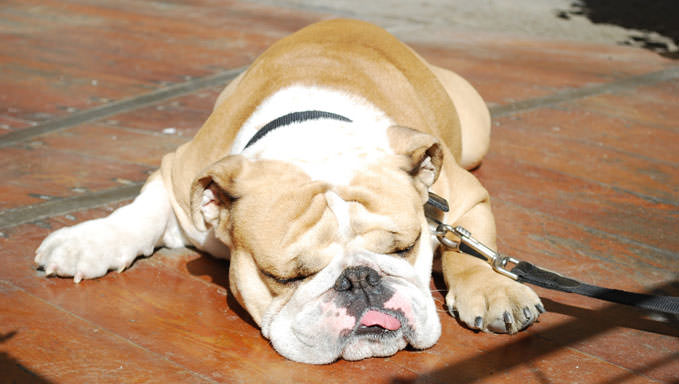
Brachycephalic, or short-nosed, dogs can have increased difficulty breathing and may be more vulnerable to heat-related problems during stressful or extreme conditions.
USDA APHIS specifically highlights the additional risks associated with air travel for many short-nosed dogs, including breeds such as Pugs, Bulldogs, French Bulldogs, Boston Terriers, and Boxers.
Airline restrictions can also apply to these breeds, particularly when pets are transported in cargo.
If you have a short-nosed dog, talk with your veterinarian and check the airline’s current breed-specific policy before making travel plans.
International Travel With a Dog
International trips require considerably more preparation.
The destination country—not your airline—sets the country’s pet-entry requirements.
Depending on the destination, you may need:
- Microchip identification
- Rabies vaccination
- Additional vaccinations
- Health certificates
- Diagnostic tests
- Parasite treatments
- Import permits
- Government endorsements
- Specific timing between treatments and travel
- Quarantine arrangements
USDA APHIS recommends starting the process early because different countries have different requirements and some procedures must be completed within specific time windows.
For example, requirements for bringing a dog into the United States can also depend on where the dog has traveled recently because of rabies-related regulations.
Don’t assume that a vaccination record alone is enough for an international journey.
A Simple Pre-Flight Checklist
| Task | Done |
|---|---|
| Confirm airline pet policy | ☐ |
| Confirm exact flight and aircraft | ☐ |
| Reserve pet space | ☐ |
| Measure the carrier | ☐ |
| Check destination requirements | ☐ |
| Visit veterinarian if required | ☐ |
| Prepare health documents | ☐ |
| Update identification information | ☐ |
| Practice with the carrier | ☐ |
| Pack food and water supplies | ☐ |
| Pack medications | ☐ |
| Pack leash and harness | ☐ |
| Prepare comfort items | ☐ |
| Confirm pet fee | ☐ |
| Check airport security procedures | ☐ |
Frequently Asked Questions
Can I take my dog on a plane?
Yes, some dogs can travel by air, but eligibility depends on the airline, destination, aircraft, carrier, dog’s size, health, and other requirements.
Small dogs that fit comfortably in an approved carrier are commonly the easiest candidates for cabin travel.
What is the best airline for traveling with a dog?
There isn’t one airline that works best for every dog or every trip. Compare the current pet policy, route, carrier requirements, fees, availability, and destination restrictions for your specific journey.
Can a large dog sit in the airplane cabin?
Generally, ordinary cabin pet programs are designed for small animals that can remain inside an approved carrier under the seat. Larger dogs may require a different transportation arrangement or may not be accepted on a particular route.
Do dogs need a health certificate to fly?
It depends on the airline, destination, and type of travel.
International destinations often have specific veterinary documentation requirements, while domestic requirements can vary by destination and airline. Check the current rules before your trip.
Can I bring my dog’s food on the trip?
Usually, bringing an appropriate supply of your dog’s regular food is practical, but airline security and destination rules may affect what you can carry. For international travel, food and animal-product restrictions can be especially important.
What if my dog is afraid of flying?
Talk with your veterinarian before the trip. Your vet can help assess whether your dog is a suitable candidate for air travel and discuss ways to reduce stress.
Carrier training, gradual exposure, familiar items, and a calm routine may also help.
Are some dog breeds restricted from flying?
Yes. Restrictions can vary by airline and transportation method. Short-nosed breeds may face additional restrictions because of their increased risk of breathing and heat-related problems during air travel.
How early should I book my dog’s flight?
As early as possible.
Many airlines limit the number of pets allowed in the cabin, and international documentation can take time to arrange. Confirm pet availability before assuming your dog can travel on the flight you’ve selected.
Final Thoughts
Flying with your dog can be manageable when you treat pet travel as a separate part of your trip planning.
Start by checking the airline’s current rules, then confirm the exact route, aircraft, carrier requirements, pet availability, fees, and documentation. Give your dog plenty of time to become comfortable with their carrier and consider a veterinary check if your dog has health problems, anxiety, or other concerns.
Most importantly, don’t book based on an old airline pet-policy list you found online. Rules can change, and requirements may differ between routes and aircraft.
With careful preparation, the right equipment, and realistic expectations, you can give your four-legged travel companion a much smoother journey from departure to destination.
This Article Was Generated By AI.







Leave a comment