





Taking your dog on a trip can turn an ordinary vacation into a memorable adventure. But before you book a ticket, there’s an important question to answer: Does the airline actually allow your dog to travel on your particular flight?
Airline pet policies can differ significantly. Rules may depend on your dog’s size, the aircraft, destination, carrier dimensions, availability, and whether your dog is traveling in the cabin or through another pet-transport option.
That’s why choosing a dog-friendly airline isn’t simply about finding the airline with the lowest pet fee. The better approach is to compare the rules for your exact route and your individual dog.
What to Check Before Booking a Flight With Your Dog
Before buying your ticket, check the airline’s current pet policy and confirm that your specific itinerary qualifies.
Pay particular attention to:
- Whether dogs are allowed on your route
- Cabin pet availability
- Carrier dimensions
- Pet fees
- Maximum number of pets per flight
- Age requirements
- Breed or destination restrictions
- Whether your aircraft has suitable under-seat storage
- Health documentation
- Connection and partner-airline rules
- International entry requirements
Pet space can be limited, so simply booking a passenger ticket does not necessarily guarantee that your dog has a place on the flight.
Dog-Friendly Airlines to Consider
Several major U.S. airlines have established pet-travel programs, but their policies are different. Here’s what their current rules generally offer.
Southwest Airlines
Southwest allows small, vaccinated domestic dogs and cats to travel in the cabin on eligible domestic flights. Pets must remain inside an appropriate carrier, including during boarding, deplaning, and the flight itself. Southwest does not transport pets in the cargo compartment. Pet space is limited, so advance arrangements are important.
This makes Southwest an option primarily for owners whose small dogs can comfortably travel in an under-seat carrier and whose itinerary qualifies.
Delta Air Lines
Delta allows eligible small dogs, cats, and household birds to travel in the cabin on qualifying flights in an approved carrier. The pet must remain in the carrier according to Delta’s rules, and availability and restrictions can vary by itinerary and cabin.
Before booking, check the rules for your specific aircraft and destination rather than relying on a general pet-policy summary.
Alaska Airlines
Alaska Airlines offers several pet-travel options, including cabin travel for pets that fit in an approved under-seat carrier and transportation in its temperature-controlled baggage compartment on qualifying flights. It also offers pet transportation through Alaska Air Cargo for some animals traveling without an accompanying passenger.
Alaska notes that fees, breed restrictions, route limitations, and space availability can vary depending on how and where the pet travels.
American Airlines
American Airlines allows qualifying small dogs and cats to travel as carry-on pets on eligible flights. Depending on the dog’s size, breed, destination, and circumstances, American also has American Airlines Cargo options.
Its current rules include aircraft-specific carrier and seating restrictions, so checking the exact flight is particularly important.
American also states that it does not accept pets that have been sedated or tranquilized for travel because of the potential risks associated with sedation at altitude.
Cabin Travel vs. Other Pet-Transport Options
For many dog owners, having their pet nearby in the cabin is the preferred option. But cabin travel isn’t available to every dog.
In-Cabin Travel
Small dogs that can comfortably remain inside an airline-approved carrier may qualify for cabin travel.
The carrier generally needs to remain under the seat, and the dog must stay inside it for the required portions of the journey.
Baggage-Compartment Travel
Some airlines offer temperature-controlled baggage-compartment transportation for qualifying pets.
However, availability can depend on the aircraft, route, season, breed, and other restrictions. It should never be assumed that a particular airline will accept a dog this way.
Cargo Services
Some airlines or their cargo divisions offer separate animal transportation services.
These services may be relevant for larger dogs or animals traveling without their owners, but requirements and booking procedures are different from ordinary passenger pet travel.
Don’t Choose an Airline Based Only on the Pet Fee
Pet fees can change, and the cheapest fee isn’t necessarily the most useful option for your trip.
Instead, compare factors such as:
| What to Compare | Why It Matters |
|---|---|
| Cabin availability | Determines whether your dog can travel with you |
| Carrier size | Your dog must fit comfortably and meet airline requirements |
| Route restrictions | Some destinations don’t accept pets in the same way |
| Aircraft | Under-seat space and pet limits can vary |
| Pet availability | Airlines may limit the number of pets per flight |
| Connections | Partner airlines can have completely different rules |
| Documentation | Some trips require additional paperwork |
| Transport options | Larger dogs may need another approved method |
Always confirm current fees and requirements directly with the airline before traveling.
Preparing Your Dog for the Airport
The airport can be overwhelming for a dog that has never experienced crowds, announcements, security checks, and unfamiliar smells.
Preparation can make the experience easier.
Introduce the Carrier Early
Don’t wait until the morning of the flight to bring out the carrier.
Leave it open at home and allow your dog to investigate it voluntarily. Place familiar bedding or a reward inside if appropriate.
Gradually build positive associations with spending time inside the carrier.
Practice Short Trips
If possible, help your dog become comfortable with being transported before the actual flight.
The goal is to make the carrier a familiar environment rather than something that suddenly appears on travel day.
Exercise Appropriately Before Departure
A normal, age-appropriate walk or play session before leaving for the airport can help your dog settle.
Avoid exhausting your dog or introducing strenuous activity immediately before a long journey.
Getting Through Airport Security
Security procedures vary by airport and country, but travelers should be prepared for their dog and carrier to be screened separately in some circumstances.
For example, Southwest currently instructs passengers traveling with pets to hold the pet while the carrier goes through screening, and says the carrier may be inspected.
A secure harness and leash can be particularly useful when moving through busy airport areas.
Before leaving home:
- Make sure identification information is current.
- Use a secure leash and harness.
- Keep the carrier accessible.
- Allow extra time for check-in.
- Find the airport’s pet-relief area.
- Keep essential supplies easy to reach.
What to Pack for Your Dog
A dedicated dog travel bag can make the journey much easier.
Dog Travel Checklist
- Airline-approved carrier
- Leash
- Secure harness
- Identification information
- Food
- Treats
- Collapsible water bowl
- Waste bags
- Familiar blanket
- Favorite small toy
- Required medication
- Veterinary records
- Required travel documents
- Cleaning supplies
- Emergency contact information
Keep important documents and medication somewhere easily accessible rather than buried inside checked luggage.
International Travel Requires Extra Planning
Flying internationally with a dog can involve much more paperwork than a domestic trip.
Depending on the destination and departure country, requirements may include:
- Microchip identification
- Rabies vaccination
- Health certificates
- Import permits
- Veterinary examinations
- Specific testing
- Quarantine requirements
- Country-specific forms
The requirements can also depend on the dog’s travel history and the countries visited before arrival.
The USDA’s Animal and Plant Health Inspection Service provides country-specific guidance for people traveling internationally with pets. Check the requirements well before departure because some documents and veterinary procedures must be completed within specific time windows.
Be Especially Careful With Short-Nosed Dogs
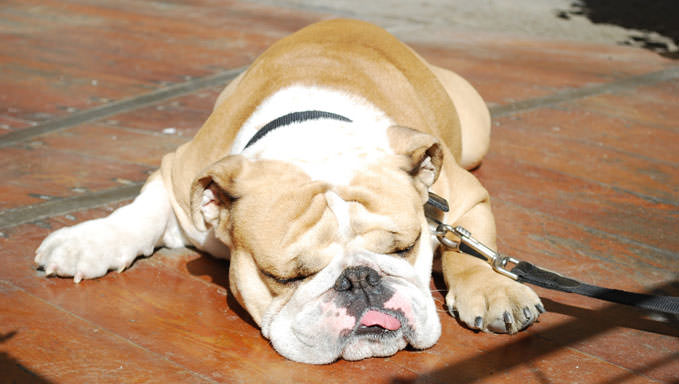
Brachycephalic breeds, such as Bulldogs, Pugs, and some other short-nosed dogs, can have increased respiratory risks during air travel.
Airlines may have additional restrictions for certain breeds, particularly when pets travel outside the cabin.
Southwest specifically notes that dogs with brachycephalic airways can be more susceptible to complications during air travel.
If your dog has breathing difficulties, heart problems, significant anxiety, or another medical condition, discuss air travel with your veterinarian before booking.
Should You Sedate Your Dog Before Flying?
Don’t give your dog a sedative or tranquilizer simply to make the flight easier unless a veterinarian specifically recommends and manages the medication.
Sedation can affect an animal’s ability to respond to changes in the travel environment, and some airlines have their own restrictions.
For example, American Airlines states that it does not accept pets that have been sedated or tranquilized for travel.
A veterinarian can help you determine whether your dog is medically suitable for air travel and discuss safer ways to manage travel anxiety when appropriate.
Tips for a Smoother Flight
A few simple habits can make travel day less chaotic.
Check the Airline Again Before Departure
Pet rules can change. Review the airline’s current policy shortly before your trip rather than relying on an old blog post or social-media comment.
Confirm the Pet Reservation
If the airline requires advance pet reservations, make sure your dog is actually added to the itinerary.
Arrive Early
Give yourself enough time for check-in, documentation, security, and unexpected delays.
Keep Your Dog Secure
Busy airports are not the place for an unsecured dog. Keep your dog safely restrained whenever they are outside the carrier.
Don’t Overfeed Immediately Before Travel
Follow your veterinarian’s and airline’s guidance about feeding and hydration. Alaska Airlines, for example, advises travelers to avoid overwatering or overfeeding immediately before travel.
Keep Familiar Items Nearby
A familiar blanket or small comfort item can make an unfamiliar environment feel slightly more recognizable.
What About Large Dogs?
Large dogs generally cannot simply sit beside their owners in an ordinary passenger seat.
If your dog doesn’t meet the airline’s cabin requirements, check whether the airline offers an appropriate alternative for your particular route.
For example, American directs pets that are too large for cabin travel to American Airlines Cargo, while Alaska offers additional baggage-compartment and cargo options under its pet-travel program.
Don’t assume that every airline offers the same options.
Frequently Asked Questions
Can I take my dog on an airplane?
Yes, some airlines allow eligible dogs to travel, particularly small dogs that can remain in an approved carrier in the cabin. The exact rules depend on the airline, route, aircraft, destination, and dog’s size and other characteristics.
Which airline is best for traveling with a dog?
There isn’t one airline that is universally best for every dog or itinerary. The useful comparison is whether a particular airline allows your dog on your exact flight and whether its carrier, route, documentation, and transport rules work for your situation.
Can a large dog fly in the cabin?
Usually, ordinary passenger pet policies require dogs traveling in the cabin to fit comfortably inside an approved carrier under the seat. Larger dogs may require another transportation option, if one is available on the airline and route.
Can dogs fly internationally?
Yes, but international travel can involve significantly more documentation and entry requirements than domestic travel.
Check both the airline’s rules and the destination country’s current animal-import requirements.
Do dogs need a health certificate to fly?
It depends on the airline, route, and destination. Some trips require health documentation while others may not.
Always check the current requirements for your specific itinerary.
Can I give my dog a sedative before flying?
You should discuss this with your veterinarian rather than giving medication on your own. Some airlines also prohibit or restrict sedated pets.
What should my dog wear at the airport?
A secure harness and leash can be useful, especially when your dog must leave the carrier during security procedures.
Identification information should also be kept current.
Should I put my dog’s favorite toy in the carrier?
A familiar, safe item may help some dogs feel more comfortable. Avoid anything that could become a choking or swallowing hazard inside the carrier.
Final Thoughts
Flying with a dog requires more preparation than simply buying a ticket and showing up at the airport.
The right airline for your trip is the one whose current rules actually accommodate your dog, your route, and your travel plans.
Check pet availability before booking, verify carrier requirements, prepare your dog well in advance, organize the necessary documents, and leave extra time for airport procedures.
Most importantly, consider your dog’s individual health, temperament, and ability to cope with air travel. A little preparation before takeoff can make the journey much calmer for both you and your four-legged companion.
Safe travels—and may your next adventure come with plenty of wagging tails.










Leave a comment