





Not every dog needs to be entertained from morning until night.
Some dogs are happiest after a walk, a little playtime, and plenty of peaceful hours relaxing near their people. That can make certain breeds appealing to individuals or families with busy schedules who want canine companionship without choosing a dog with extremely demanding exercise or enrichment requirements.
However, “low-maintenance” doesn’t mean “no-maintenance.” Every dog needs daily care, companionship, exercise, training, veterinary attention, and mental stimulation. Even naturally relaxed breeds can become bored, lonely, or stressed if their needs aren’t met.
The breeds below are generally known for having calmer indoor lifestyles or moderate activity requirements, but the individual dog’s personality, age, health, and previous experiences matter just as much as breed tendencies.
1. Basset Hound
The Basset Hound is famous for its droopy expression, long ears, and relaxed personality.
These dogs often enjoy spending considerable time resting indoors after getting appropriate daily activity. They generally don’t need the same amount of sustained exercise as some high-energy working breeds.
That doesn’t mean Basset Hounds are completely inactive. Their background as scent hounds means they can be very interested in following smells, and walks should give them opportunities to explore safely.
Their short coat is relatively simple to maintain, although their long ears and skin folds require regular attention.
Why They May Suit a Busy Household
- Generally relaxed indoors
- Moderate exercise requirements
- Short coat
- Enjoy quiet companionship
- Often happy to lounge after activity
Keep in Mind
Basset Hounds can be stubborn and strongly motivated by scents. Their body shape also means owners should pay attention to healthy weight and overall mobility.
2. Greyhound
Greyhounds are a great example of why athletic doesn’t necessarily mean constantly energetic.
These dogs can run extremely fast, but many Greyhounds are surprisingly calm when they’re at home. After appropriate exercise, they may be perfectly content to spend much of the day resting.
Their short, fine coat requires relatively little grooming.
A Greyhound still needs opportunities to exercise, explore, and stretch their legs, so they aren’t a suitable choice simply because they enjoy lounging.
Why They May Suit a Busy Household
- Often calm indoors
- Short coat
- Usually uncomplicated grooming
- Enjoy relaxing after exercise
- Generally quiet compared with many breeds
Keep in Mind
Greyhounds have strong chase instincts and should be exercised in secure areas. They also aren’t necessarily independent dogs that can be ignored for long periods.
3. French Bulldog
French Bulldogs are compact companion dogs that often enjoy spending time indoors.
Their exercise needs are generally moderate rather than extremely demanding, and many are happy with short walks, gentle play, and plenty of rest.
Their small size can make them practical for certain living environments.
However, French Bulldogs have a short, flat facial structure that can contribute to breathing and heat-related problems. Hot weather and strenuous exercise can be particularly challenging for some individuals.
Why They May Suit a Busy Household
- Small size
- Generally moderate exercise needs
- Short coat
- Comfortable with indoor living
- Often enjoy relaxing with their families
Keep in Mind
French Bulldogs are not a good choice for someone who wants a dog requiring almost no care. Their potential breathing, skin, spine, and heat-related health concerns can mean significant veterinary needs.
4. Shih Tzu
Shih Tzus were developed primarily as companion dogs, and many are comfortable with a relatively relaxed daily routine.
They can enjoy short walks and indoor play without requiring hours of intense exercise.
Their biggest maintenance consideration isn’t exercise—it’s grooming.
A long Shih Tzu coat requires regular brushing and professional grooming if kept long. Owners who prefer easier coat care can choose a shorter trim, although grooming is still necessary.
Why They May Suit a Busy Household
- Small and adaptable
- Moderate exercise needs
- Often happy with indoor activities
- Enjoy companionship without needing intense exercise
Keep in Mind
Shih Tzus still need regular interaction and grooming. They may also have health considerations associated with their short facial structure and small size.
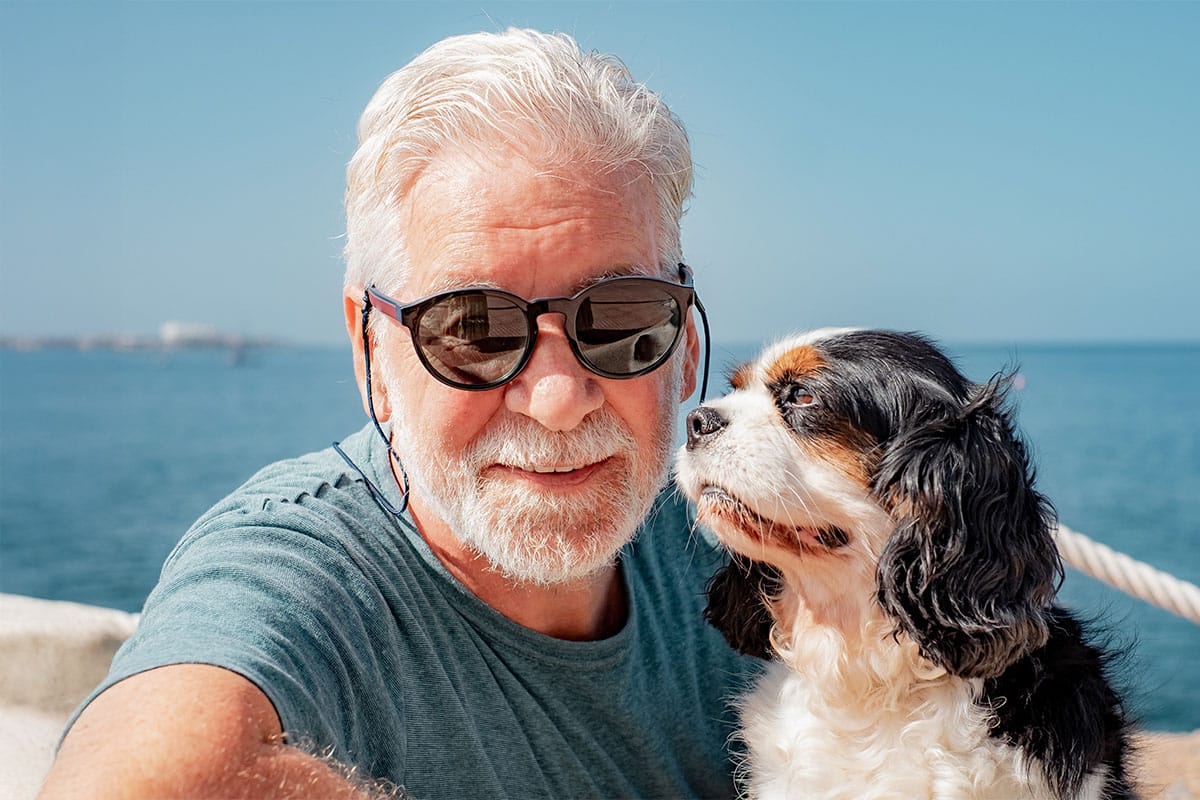
5. Cavalier King Charles Spaniel
Cavalier King Charles Spaniels are affectionate companion dogs that can adapt to different household routines.
They often enjoy walks and playtime but are also happy relaxing beside their owners.
Their moderate exercise requirements may make them suitable for people who want a companion that can participate in everyday activities without needing strenuous exercise.
Their silky coat needs regular brushing to prevent tangles.
Why They May Suit a Busy Household
- Adaptable activity level
- Affectionate temperament
- Comfortable relaxing indoors
- Moderate exercise requirements
- Manageable coat with regular grooming
Keep in Mind
Cavaliers are highly social dogs and generally shouldn’t be chosen by someone looking for a dog that can routinely spend very long periods alone. Responsible owners should also research the breed’s known health concerns and the importance of health screening.
6. Pug
Pugs are small companion dogs with playful personalities and a strong preference for being around their people.
They don’t typically require long-distance exercise, and many enjoy short walks followed by plenty of relaxation.
Their short coat is easy to brush, although Pugs can shed considerably.
Why They May Suit a Busy Household
- Small size
- Moderate activity needs
- Simple coat care
- Enjoy indoor living
- Often happy to relax after play
Keep in Mind
Pugs have a flat facial structure that can make breathing and heat regulation more difficult. Exercise should be appropriate for the individual dog, particularly in warm or humid weather.
Their low exercise needs should never be confused with low overall care needs.
7. Chihuahua
Chihuahuas are tiny dogs that can fit comfortably into many different living environments.
Their physical exercise requirements are generally manageable, and indoor games combined with appropriate walks can provide plenty of activity for many individuals.
Their small size also means that even a short play session can provide meaningful exercise.
Why They May Suit a Busy Household
- Very small
- Relatively easy to exercise
- Low grooming needs for smooth-coated individuals
- Adaptable to smaller homes
- Often enjoy relaxing with their owners
Keep in Mind
Chihuahuas can be alert, vocal, and surprisingly energetic. They also benefit from training and socialization. Long-coated Chihuahuas require more grooming than smooth-coated ones.
Because of their small size, they should also be handled carefully around larger dogs and young children.
8. Dachshund
Dachshunds are small dogs with enormous personalities.
They generally don’t need hours of exercise every day, but they do benefit from regular walks, play, and opportunities to use their minds.
Their independent nature can make them less demanding in some situations, although they can also be stubborn and vocal.
Why They May Suit a Busy Household
- Small size
- Moderate exercise needs
- Short-coated varieties are easy to groom
- Comfortable relaxing indoors
- Entertaining and affectionate companions
Keep in Mind
Dachshunds have long backs and are predisposed to intervertebral disc disease. Maintaining a healthy weight and avoiding unnecessary high-impact jumping can be important parts of responsible care.
They also shouldn’t be selected simply because they’re small. Their hunting background gives them plenty of curiosity and determination.
9. Bichon Frise
Bichon Frises are cheerful companion dogs that can adapt well to indoor living.
They generally have moderate exercise requirements and can get much of their daily activity from walks and interactive play.
Their coat, however, is not low-maintenance. Regular brushing and professional grooming may be necessary to keep the curly coat in good condition.
Why They May Suit a Busy Household
- Small size
- Moderate activity requirements
- Friendly companion personality
- Adaptable to indoor environments
- Enjoy both play and relaxation
Keep in Mind
Bichons are social dogs and can struggle if routinely left alone for long periods. Their grooming requirements should also be considered before adoption.
10. Lhasa Apso
Lhasa Apsos are small dogs with an independent streak.
Historically associated with watchdog duties in Tibet, they can be observant and alert rather than constantly seeking entertainment from their owners.
They generally have moderate exercise needs and can enjoy a combination of walks, play, and quiet time indoors.
Why They May Suit a Busy Household
- Small size
- Moderate exercise needs
- Independent personality
- Comfortable with indoor living
- Doesn’t necessarily need constant entertainment
Keep in Mind
The Lhasa Apso’s long coat can require considerable grooming if kept long. Some owners choose a shorter haircut to simplify maintenance.
They’re also alert dogs and may bark when they notice unfamiliar people or sounds.
11. Maltese
The Maltese is a small companion breed that can get plenty of exercise through short walks and indoor play.
Their tiny size means they don’t need the same amount of physical activity as larger, highly athletic breeds.
Their long, silky coat is another story. Regular grooming is necessary, particularly if the coat is kept long.
Why They May Suit a Busy Household
- Very small
- Modest exercise requirements
- Enjoy indoor activities
- Adaptable to smaller living spaces
- Can be content after appropriate play and attention
Keep in Mind
Maltese dogs are people-oriented companions. They aren’t necessarily suitable for households where they would regularly spend most of the day completely alone.
12. Shar Pei
Shar Peis are known for their distinctive wrinkles and generally independent personalities.
Many are comfortable with a relatively calm household and don’t need constant games or high-intensity exercise.
Their short coat is relatively simple to maintain.
Why They May Suit a Busy Household
- Independent personality
- Moderate exercise requirements
- Short coat
- Often comfortable relaxing indoors
- Doesn’t necessarily seek constant interaction
Keep in Mind
Shar Peis can be reserved with unfamiliar people and may require thoughtful socialization. Their distinctive skin folds can also require regular care, and the breed has several health concerns that prospective owners should research.
Independence should not be interpreted as an ability to be left alone indefinitely.
13. Whippet
Whippets combine two seemingly opposite traits: athletic ability and a love of comfortable indoor relaxation.
They enjoy opportunities to run and exercise, but once their physical needs have been met, many are happy to curl up somewhere soft and rest.
Their short coat is easy to maintain, and many Whippets are relatively quiet in the home.
Why They May Suit a Busy Household
- Short, easy-care coat
- Often calm indoors
- Enjoy both activity and relaxation
- Moderate overall maintenance
- Generally quiet household companions
Keep in Mind
Whippets still need regular exercise, and their chase instinct means off-leash activity should take place only in appropriately secure areas.
Low-Attention Doesn’t Mean No Attention
It’s important to clarify what “won’t demand your full-time attention” really means.
A dog that is calm indoors can still need:
- Daily exercise
- Mental stimulation
- Training
- Veterinary care
- Grooming
- Social interaction
- A balanced diet
- Bathroom breaks
- Safe supervision
- Companionship
A naturally relaxed dog isn’t a pet that can simply be left alone all day without consideration.
In fact, some of the breeds on this list are particularly people-oriented.
The goal is to find a dog whose overall needs fit your schedule, rather than searching for a dog that requires almost no attention.
How to Choose a Dog for a Busy Lifestyle
Breed can provide useful information, but it shouldn’t be the only factor.
Consider an Adult Dog
An adult dog can sometimes be easier to match with your lifestyle because their personality and energy level are already more established.
Puppies generally require much more supervision, house-training, socialization, and training.
Think About Your Work Schedule
Ask yourself how many hours your dog would regularly spend alone.
If you’re away for long periods, you may need help from a dog walker, sitter, family member, or other appropriate care arrangement.
Consider Exercise Realistically
Don’t choose a dog based on the amount of exercise you wish you could provide.
Choose based on what you can consistently provide.
Don’t Forget Grooming
A dog with modest exercise needs can still have significant grooming requirements.
Shih Tzus, Maltese, Bichons, and long-coated Lhasa Apsos are examples of breeds where coat care deserves serious consideration.
Consider Health Costs
Some dogs that appear easygoing can have substantial health-care needs.
Flat-faced breeds such as Pugs and French Bulldogs deserve particular consideration because breathing and heat-related problems can affect some individuals.
What About Mixed-Breed Dogs?
Mixed-breed dogs can also be wonderful choices for busy households.
Instead of focusing only on breed, consider the individual dog’s:
- Age
- Energy level
- Temperament
- Health
- Behavior when left alone
- Exercise needs
- Grooming requirements
- Compatibility with your household
A calm adult mixed-breed dog may fit your lifestyle better than a purebred dog selected solely because the breed is described as “low-energy.”
Signs a Dog May Be a Good Match for Your Lifestyle
Look for a dog that:
- Settles comfortably after exercise
- Has an activity level you can realistically meet
- Can relax without constant entertainment
- Fits your household environment
- Has manageable grooming requirements
- Is comfortable with your normal routine
- Has no major needs that you cannot reasonably provide
Most importantly, talk with the shelter, breeder, or rescue organization about the individual dog’s behavior.
Frequently Asked Questions
What is the most low-maintenance dog breed?
There isn’t one universally low-maintenance breed. Different dogs have different combinations of exercise, grooming, companionship, training, and health needs. Greyhounds, Basset Hounds, and some companion breeds can have relatively relaxed lifestyles, but individual dogs vary.
What dog is best for someone who works all day?
There is no breed that should automatically be assumed to thrive while left alone all day. An adult dog with a calm temperament may be easier to match with a working household, but their individual needs and the amount of time they spend alone must still be considered.
Are small dogs easier to care for?
Not necessarily. Small dogs may require less food and can be easier to exercise physically, but some have substantial grooming, training, dental, or health needs.
Do low-energy dogs still need exercise?
Yes. Even relaxed dogs need regular physical activity appropriate for their age, health, and breed tendencies.
Are Greyhounds good indoor dogs?
Many Greyhounds are known for being calm indoors after receiving appropriate exercise. They still need regular activity and safe opportunities to run or explore.
Can a dog be affectionate without demanding constant attention?
Yes. Some dogs enjoy being close to their owners while also being comfortable relaxing independently. However, every dog needs regular companionship and interaction.
Final Thoughts
If you have a busy lifestyle, you don’t necessarily need to give up on the idea of having a dog.
The key is choosing a companion whose needs match the time, energy, space, and resources you can consistently provide.
Greyhounds, Basset Hounds, Whippets, Chihuahuas, Dachshunds, and several companion breeds can offer a nice balance between everyday companionship and periods of relaxation. But no dog is truly “hands-off.”
Before bringing one home, look beyond breed labels. Consider the individual dog’s personality, age, health, exercise requirements, grooming needs, and ability to cope with your daily routine.
The best match isn’t necessarily the dog that asks for the least attention.
It’s the dog whose needs you can comfortably and consistently meet while giving them the companionship, care, and love they deserve.
This Article Was Generated By AI.






Leave a comment