



Dogs can’t tell us in words when something is making them uncomfortable, overwhelmed, or afraid. Instead, they communicate through changes in body language and behavior.
Sometimes the source of stress is obvious, such as fireworks or a thunderstorm. Other times, everyday habits at home can contribute to tension without an owner realizing it.
Even caring and attentive dog owners can unintentionally create stressful situations. An unpredictable routine, too little enrichment, overwhelming social experiences, harsh training, or ignoring subtle body-language signals can all affect a dog’s well-being.
Fortunately, many potential stressors can be reduced with simple changes.
Here are 16 common mistakes dog owners should watch for—and what they can do instead.
1. Keeping an Unpredictable Routine
Dogs don’t necessarily need their entire day to happen at exactly the same minute, but predictable routines can help many dogs understand what to expect.
Large or frequent changes in feeding, exercise, bathroom breaks, sleeping arrangements, or time alone can be difficult for some dogs.
A dog that doesn’t know when it will get to go outside or when its household will become quiet may have a harder time settling.
What You Can Do
Try to maintain reasonably consistent daily patterns for:
- Meals
- Bathroom breaks
- Walks
- Playtime
- Rest
- Training
- Bedtime
Your schedule doesn’t have to be rigid. The goal is to provide enough predictability that your dog can anticipate important parts of the day.
2. Not Providing Enough Physical Activity
Exercise needs vary considerably between dogs.
A young working breed may require much more activity than an elderly companion dog, while a dog with arthritis or another health condition may need a carefully adjusted exercise plan.
When a dog’s physical needs aren’t being met, they may become restless or develop unwanted behaviors.
Possible signs include:
- Excessive barking
- Destructive chewing
- Pacing
- Digging
- Restlessness
- Difficulty settling
What You Can Do
Provide exercise appropriate for your dog’s age, breed tendencies, health, and fitness level.
Daily walks aren’t the only option. Safe play, swimming when appropriate, scent games, and other activities can contribute to a dog’s physical well-being.
If your dog’s exercise needs suddenly change, discuss it with your veterinarian.
3. Forgetting About Mental Stimulation
A tired body isn’t the only goal.
Dogs also need opportunities to use their senses and brains. Repeating the same walk every day without allowing your dog to sniff or explore, for example, may provide physical activity without as much mental enrichment.
Training, food puzzles, scent games, interactive toys, and supervised exploration can provide additional stimulation.
Simple Enrichment Ideas
Try:
- Hiding treats for your dog to find
- Teaching a new trick
- Using food puzzles
- Practicing basic commands
- Offering safe chew items
- Allowing supervised sniffing during walks
- Rotating appropriate toys
Mental stimulation should be enjoyable rather than frustrating.
4. Taking Your Dog Into Overwhelming Environments
Not every dog enjoys crowded parks, busy markets, noisy events, or rooms filled with unfamiliar people.
Some dogs are naturally social and confident. Others become overwhelmed by too many people, dogs, sounds, smells, and movements happening at once.
Stress may appear as avoidance, freezing, excessive panting, pulling away, barking, hiding, or other changes in behavior.
What You Can Do
Pay attention to your dog’s comfort level.
If a location is too overwhelming, increase distance from the trigger or leave the environment.
Your dog doesn’t need to greet every person or dog they encounter.
5. Treating Socialization as “Meet Everyone”
Socialization is often misunderstood.
A well-socialized dog isn’t necessarily one that happily interacts with every person and animal.
Good socialization involves helping a dog have safe, positive experiences with different environments, sounds, people, animals, surfaces, and situations without overwhelming them.
Forcing a frightened dog to interact can have the opposite effect.
A Better Approach
Allow your dog to observe unfamiliar situations from a comfortable distance.
Reward calm behavior and gradually increase exposure when your dog is relaxed.
If your dog is frightened, give them more space rather than forcing them closer to the trigger.
6. Not Giving Your Dog a Safe Place to Retreat
Even social dogs need downtime.
Your dog should have somewhere comfortable where they can rest without being constantly disturbed.
This could be:
- A crate
- A dog bed in a quiet corner
- A separate room
- A covered resting area
- Another calm location your dog associates with relaxation
A safe space can be particularly useful during visitors, storms, fireworks, household renovations, or other disruptive events.
Important Rule
Teach everyone in the household to respect the dog’s resting area.
Children should never be encouraged to climb into a dog’s crate or disturb them while they’re trying to relax.
7. Using Harsh or Punishment-Based Training
Yelling, hitting, intimidating, or frightening a dog can increase fear and stress rather than teaching the behavior you actually want.
Punishment may also damage trust between an owner and their dog.
Reward-based training focuses on reinforcing desirable behaviors and teaching appropriate alternatives.
For example, instead of punishing a dog for jumping on guests, teach and reward a behavior such as sitting or keeping all four paws on the floor.
If you’re dealing with a serious behavior problem, seek help from a qualified professional who uses humane, evidence-based methods.
8. Ignoring Your Dog’s Body Language
Dogs communicate constantly through posture, facial expressions, movement, and behavior.
Some possible stress signals include:
- Lip licking
- Yawning outside normal tiredness
- Turning the head away
- Avoiding interaction
- Lowering the body
- Tucking the tail
- Flattening the ears
- Panting when it’s not hot or after exercise
- Pacing
- Hiding
- Attempting to escape
None of these signs automatically means “my dog is stressed.” Context matters.
For example, a dog may yawn because they’re tired rather than anxious.
The key is to look at the entire situation and your dog’s normal behavior.
9. Exposing Your Dog to Sudden Loud Noises Without Preparation
Thunderstorms, fireworks, construction, vacuum cleaners, alarms, and other loud sounds can frighten some dogs.
Sudden exposure can be particularly difficult for a dog that already reacts strongly to a particular noise.
What Can Help?
When possible, gradually introduce certain sounds at a low intensity while pairing them with something positive.
During unavoidable events such as fireworks, provide a quiet retreat and reduce exposure to the noise.
Close windows and curtains, use background sound if helpful, and allow your dog to stay in a place where they feel secure.
If your dog’s noise fear is severe, speak with a veterinarian or qualified behavior professional.
10. Leaving Your Dog Alone for Longer Than They Can Handle
Some dogs are comfortable spending several hours alone. Others struggle significantly when separated from their owners.
It’s important not to assume that every dog can tolerate the same amount of alone time.
A dog experiencing separation-related distress may bark, howl, pace, destroy objects, attempt to escape, or eliminate indoors when left alone.
These behaviors aren’t necessarily signs of disobedience.
What You Can Do
Gradually build your dog’s ability to be alone when appropriate.
Provide a comfortable environment and suitable enrichment, and consider help from a dog walker, sitter, family member, or daycare when necessary.
If your dog shows severe separation-related distress, professional guidance can be very helpful.
11. Changing Their Food Too Quickly
An abrupt change in diet can cause digestive upset in some dogs.
Sudden changes may result in loose stools, vomiting, reduced appetite, or general discomfort.
While digestive problems are primarily physical, discomfort can understandably make a dog unsettled.
What You Can Do
When changing foods, transition gradually according to veterinary or manufacturer guidance unless your veterinarian tells you otherwise.
If your dog develops persistent vomiting, diarrhea, refuses food, becomes unusually lethargic, or shows other concerning symptoms, contact your veterinarian.
12. Ignoring Potential Health Problems
Pain and illness can affect behavior.
A dog experiencing dental pain, an ear infection, skin irritation, arthritis, gastrointestinal discomfort, or another medical problem may become more withdrawn, irritable, restless, or reluctant to participate in normal activities.
Owners sometimes interpret these changes as “bad behavior” when the underlying issue is physical discomfort.
Watch for Changes Such As
- Suddenly avoiding stairs
- Reluctance to exercise
- Changes in appetite
- Increased hiding
- New aggression or irritability
- Excessive licking
- Changes in sleep
- Difficulty getting comfortable
- Sudden house-training accidents
A significant or unexplained behavior change deserves veterinary attention.
13. Overdoing Exciting Play
Play is an important part of a dog’s life, but more isn’t always better.
Some dogs become overly aroused during repeated chasing, wrestling, or nonstop fetch.
A dog may continue playing even when they are becoming tired or overstimulated.
Signs that it’s time for a break can include difficulty settling, frantic movement, excessive jumping, grabbing, or becoming unusually mouthy.
Build in Downtime
Alternate exciting activities with calmer periods.
After a stimulating game, give your dog an opportunity to drink water, rest, chew an appropriate item, or relax in a quiet area.
Learning to settle is an important life skill.
14. Having Unclear or Inconsistent Household Rules
Dogs benefit from predictable communication.
If one person allows jumping while another pushes the dog away, or one family member rewards barking while another tries to stop it, the dog receives mixed information.
This can make learning more difficult.
Create Household Consistency
Agree on:
- Which behaviors should be rewarded
- Which areas of the home are accessible
- What cues everyone will use
- How jumping will be handled
- Where the dog sleeps
- How begging at meals will be managed
Consistency doesn’t mean being harsh.
It means making expectations easier for your dog to understand.
15. Forcing Your Dog Into Unwanted Interactions
Your dog doesn’t need to greet every stranger, play with every dog, or tolerate being handled by everyone.
Forcing interaction can be especially stressful for shy, fearful, elderly, or uncomfortable dogs.
If your dog moves away, hides behind you, freezes, growls, or repeatedly tries to avoid someone, take that communication seriously.
Respect Their Boundaries
Give your dog the option to create distance.
Ask visitors to wait rather than immediately reaching toward the dog.
Allow your dog to approach when they’re comfortable.
If your dog doesn’t want physical affection at a particular moment, respect that choice.
16. Assuming Your Dog Always Wants Affection
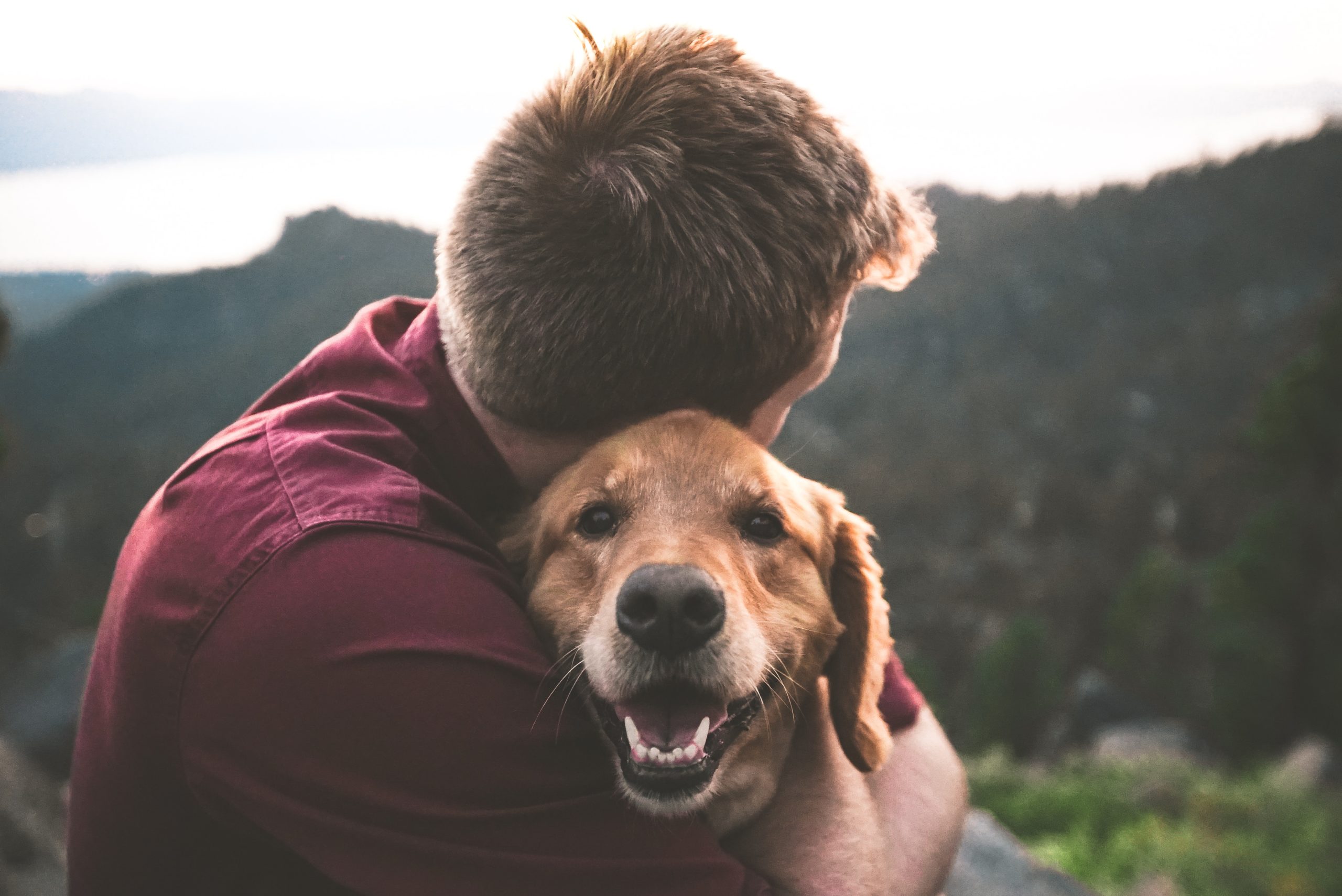
Dogs can be extremely affectionate, but they don’t necessarily want physical contact all the time.
Some enjoy hugs and cuddling. Others prefer sitting beside their owners without being held.
A dog may also tolerate something without actually enjoying it.
Instead of assuming your dog wants affection, watch their response.
A relaxed body, voluntary approach, and willingness to remain close may indicate comfort. Turning away, stiffening, moving away, or repeatedly licking their lips may suggest they need more space.
Let your dog communicate their preferences.
How to Tell If Your Dog May Be Stressed
Stress can look different from one dog to another.
Possible signs include:
- Pacing
- Panting unrelated to heat or exercise
- Trembling
- Hiding
- Excessive vocalization
- Destructive behavior
- Repeated yawning or lip licking
- Avoidance
- Changes in appetite
- Restlessness
- Clinging behavior
- Attempts to escape
These signs don’t automatically prove stress.
Pain, illness, environmental factors, excitement, and other emotions can produce similar behaviors.
Look for changes from your dog’s normal behavior and consider the circumstances surrounding them.
How to Help Your Dog Feel More Secure
You don’t need to create a completely predictable world for your dog.
Instead, focus on providing reliable care and giving your dog appropriate choices.
Maintain a Reasonable Routine
Keep important daily activities reasonably predictable.
Provide Daily Enrichment
Combine physical activity with opportunities to sniff, explore, play, and learn.
Reward Calm Behavior
Don’t only interact with your dog when they’re excited. Reward appropriate quiet behavior too.
Give Them Space
Make sure your dog has somewhere peaceful to rest.
Learn Their Body Language
Understanding early signs of discomfort can help you intervene before stress escalates.
Avoid Forced Interactions
Allow your dog to move away from situations that make them uncomfortable whenever it is safe to do so.
Use Positive Training
Teach desired behaviors with rewards and clear communication rather than fear or intimidation.
When Should You Talk to a Veterinarian?
If your dog’s behavior changes suddenly or significantly, don’t assume the cause is purely emotional.
Pain and medical conditions can sometimes cause changes in behavior.
Contact your veterinarian if your dog develops unexplained:
- Aggression
- Withdrawal
- Loss of appetite
- Excessive licking
- Restlessness
- House-training changes
- Difficulty moving
- Sleep changes
- Vocalization
- Sensitivity to touch
For severe breathing difficulty, collapse, seizures, suspected poisoning, or another emergency, seek urgent veterinary care.
Frequently Asked Questions
What causes stress in dogs?
Stress can result from many things, including fear, unfamiliar environments, loud noises, changes in routine, unwanted interactions, isolation, pain, illness, and overwhelming situations.
The cause varies between individual dogs.
How can I tell if my dog is stressed?
Look for changes in your dog’s normal behavior. Pacing, hiding, trembling, excessive panting, avoidance, vocalization, or changes in appetite can sometimes indicate stress, although these signs can have other causes as well.
Does exercise reduce stress in dogs?
Appropriate physical activity can support a dog’s physical and emotional well-being. However, exercise requirements vary by age, health, breed, and individual temperament. Too much intense activity can also leave some dogs overstimulated or exhausted.
Should I force my dog to socialize?
No. Socialization should involve positive, manageable experiences rather than forcing a frightened dog into interactions. Give your dog enough distance to remain comfortable and gradually build confidence.
Can punishment make a dog more stressed?
Harsh or frightening training methods can increase fear and stress. Reward-based training focuses on teaching desirable behaviors and building positive associations.
Can stress cause behavior problems?
Stress can contribute to changes such as barking, avoidance, destructive behavior, restlessness, or difficulty settling. However, behavior problems can have many causes, including medical conditions, so persistent changes should be evaluated appropriately.
Does my dog need a strict schedule?
Not necessarily. Dogs don’t need every activity to happen at exactly the same time, but many benefit from predictable patterns for important activities such as meals, walks, rest, and bathroom breaks.
Final Thoughts
Most dog owners never intend to make their pets stressed.
Sometimes, stress comes from something as simple as a busy environment, an inconsistent routine, an unwanted interaction, or expectations that don’t match the dog’s individual needs.
The good news is that small changes can make a meaningful difference.
Pay attention to your dog’s body language, provide appropriate exercise and enrichment, create a safe place to rest, use reward-based training, and respect your dog’s need for space.
Most importantly, remember that every dog is an individual.
What one dog finds exciting may overwhelm another. What one dog enjoys may make another uncomfortable.
Learning to recognize those differences is one of the most valuable things you can do as a dog owner.
A calmer, more predictable, and respectful environment doesn’t just make life easier for your dog—it can also strengthen the trust and relationship you share with them.
This Article Was Generated By AI.







Leave a comment