




When choosing a dog, personality can be just as important as appearance.
Many prospective owners want a companion that is friendly, responsive to training, comfortable around people, and capable of settling down at home. While no breed automatically comes perfectly trained, certain breeds are widely appreciated for traits that can make household life easier.
A dog’s behavior is influenced by much more than genetics. Early socialization, training, environment, health, exercise, and the individual dog’s temperament all play important roles.
With that in mind, these 19 breeds are worth considering if you’re looking for a dog with characteristics commonly associated with polite, adaptable, and family-friendly companionship.
1. Cavalier King Charles Spaniel
Cavalier King Charles Spaniels are small companion dogs known for their affectionate and sociable personalities.
Many Cavaliers enjoy staying close to their families and tend to be interested in interacting with people. Their adaptable nature can make them comfortable in a variety of homes when their exercise, companionship, and training needs are met.
They generally enjoy walks and playtime but can also settle down for a quiet afternoon with their owners.
Their friendly personality makes them appealing to families, couples, and individuals looking for an affectionate companion.
However, Cavaliers aren’t completely maintenance-free. Regular grooming, exercise, dental care, and veterinary attention are still important.
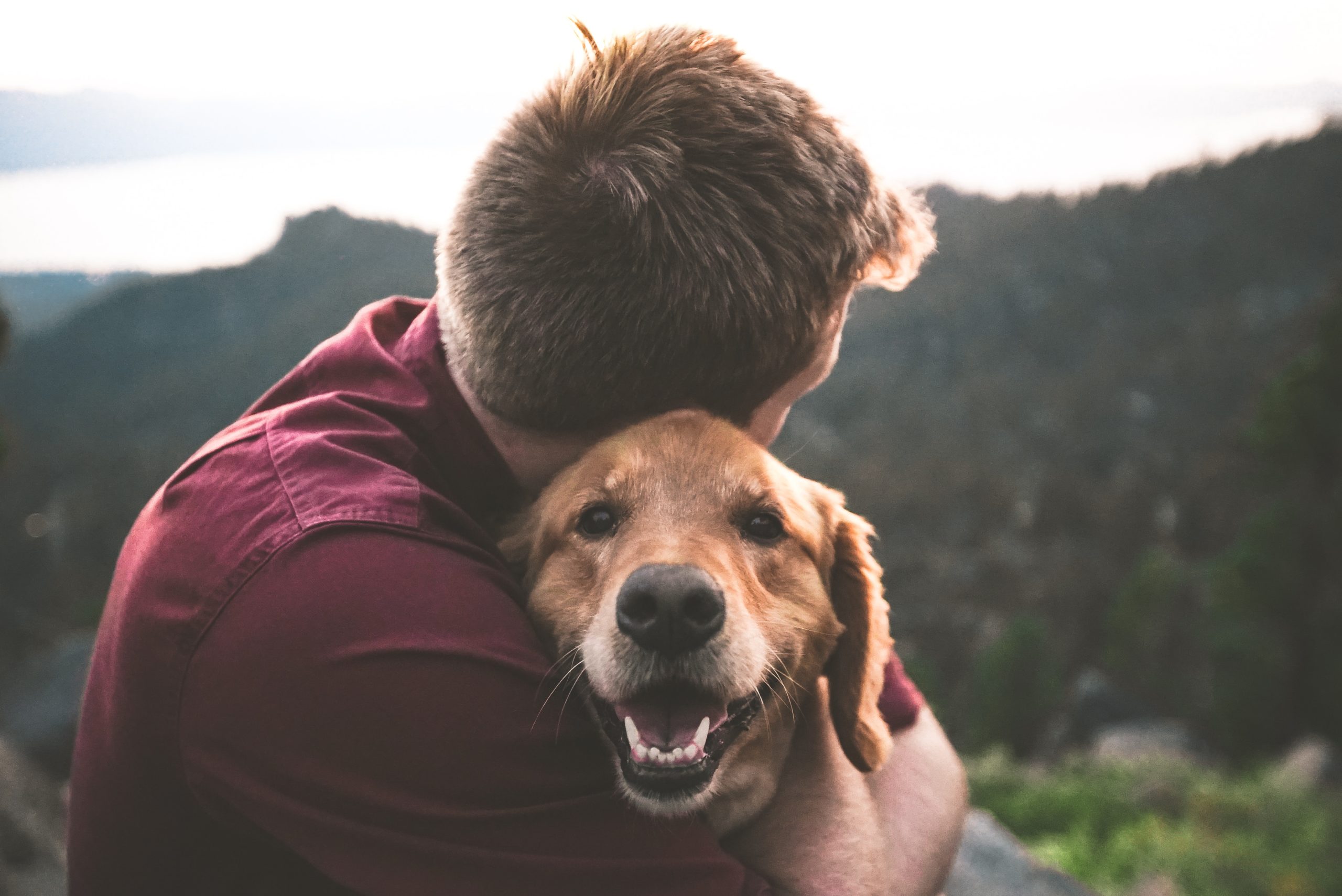
2. Golden Retriever
Golden Retrievers have earned a reputation as friendly and cooperative family dogs.
They are generally people-oriented and often respond well to reward-based training. Their willingness to work with humans is one reason the breed has been used in roles such as assistance, detection, and therapy work.
Goldens can be patient and affectionate with their families, but their size and energy should not be overlooked.
Young Golden Retrievers can be enthusiastic and excitable, and they need regular physical activity and mental stimulation.
With appropriate training and exercise, they can become wonderfully responsive household companions.
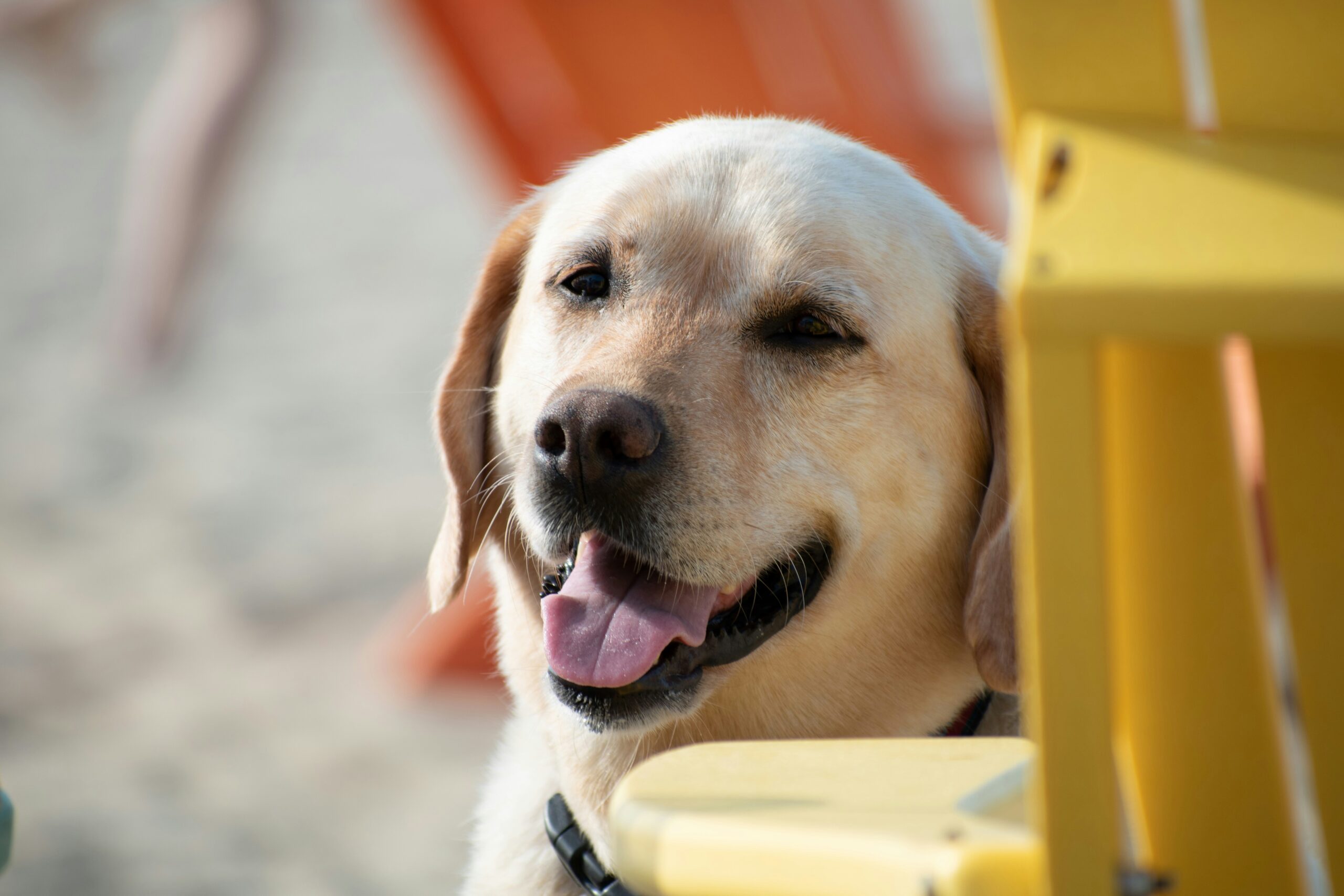
3. Labrador Retriever
Labrador Retrievers are another breed known for their outgoing personalities and willingness to interact with people.
Labs are intelligent, energetic, and often highly motivated by food, toys, or praise, which can make training enjoyable.
Their friendly nature has contributed to their popularity as family companions and working dogs.
However, young Labs can be exuberant. Jumping, chewing, pulling on the leash, and overexcitement are not uncommon when a dog hasn’t received appropriate training.
A well-trained adult Labrador can be a highly responsive and enjoyable companion, but good manners are developed rather than guaranteed by the breed.
4. Poodle
Poodles come in Standard, Miniature, and Toy varieties, and all three are known for their intelligence and trainability.
Their ability to learn quickly can make them rewarding dogs for owners who enjoy training.
Poodles can participate in obedience, agility, tricks, and many other activities. They can also learn household manners when given clear expectations and consistent reinforcement.
Their curly coats require regular grooming, and their intelligence means they benefit from mental stimulation as well as physical activity.
For an owner willing to invest time in training and grooming, a Poodle can be a remarkably responsive companion.
5. Shih Tzu
Shih Tzus were developed as companion dogs, and many enjoy spending a great deal of time with their people.
They are generally small and adaptable, making them suitable for various living environments when their needs are met.
A Shih Tzu may enjoy a short walk or indoor play session followed by plenty of relaxation.
Their affectionate personalities can make them appealing to people looking for a companion-oriented dog.
Their long coat does require regular grooming, however, and owners should also pay attention to dental health and the potential health concerns associated with their short facial structure.
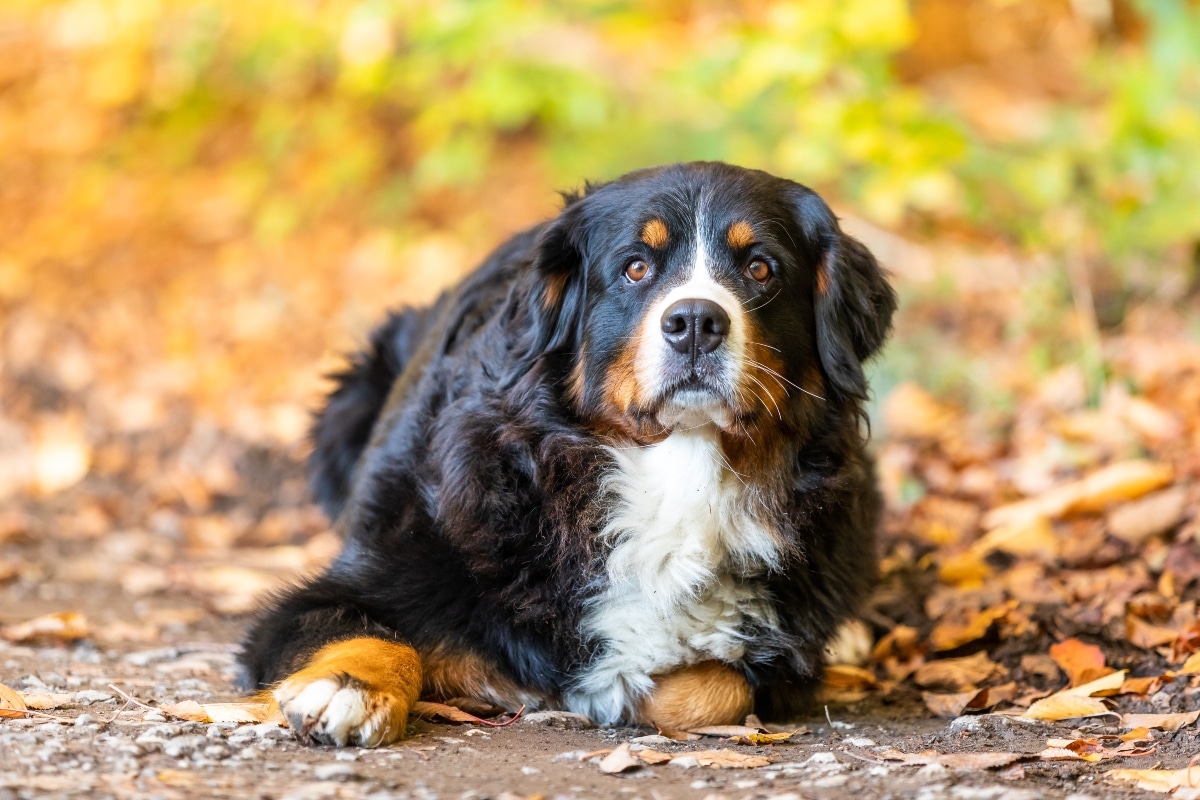
6. Bernese Mountain Dog
Bernese Mountain Dogs are large, powerful dogs often admired for their gentle and affectionate personalities.
Many are devoted to their families and can be calm and patient when properly socialized and trained.
Their size means that manners are particularly important. A large dog that jumps on visitors or pulls strongly on a leash can be difficult to manage, so training should begin early.
Berners also need regular exercise and benefit from having enough space to move comfortably.
Their beautiful coats require regular brushing, particularly during periods of heavier shedding.
7. Basset Hound
Basset Hounds are recognizable for their long ears, short legs, and relaxed appearance.
Many have easygoing personalities and enjoy spending time with their families.
They can be independent thinkers, however, and their strong scent-tracking instincts may sometimes make training challenging.
A Basset Hound may suddenly become much more interested in an interesting smell than in the person calling them.
Patience and reward-based training can help develop good household manners.
Their exercise needs are moderate, but maintaining a healthy weight is particularly important because of their body structure.
8. Shetland Sheepdog
Shetland Sheepdogs, commonly called Shelties, are intelligent and highly trainable herding dogs.
They often form strong bonds with their families and can excel at obedience and other dog sports.
Their intelligence can make them quick learners, but it also means they need mental stimulation.
Shelties may be reserved around unfamiliar people and can be vocal, particularly when they perceive something unusual.
Early socialization and consistent reward-based training can help them become confident and well-mannered companions.
Their long double coat also requires regular grooming.
9. Irish Setter
Irish Setters are energetic, playful, and generally social dogs.
Their friendly personalities can make them appealing family companions, but their high energy means they aren’t necessarily the best choice for someone looking for a quiet, low-exercise dog.
Young Irish Setters can be enthusiastic and somewhat excitable.
Regular exercise, training, and mental stimulation can help them channel that energy appropriately.
For an active household that enjoys spending time outdoors, an Irish Setter can be an affectionate and engaging companion.
10. Beagle
Beagles are cheerful, curious dogs with strong scent-tracking instincts.
They often enjoy human company and can be playful and affectionate family members.
However, their excellent noses can sometimes make them independent-minded. A Beagle that catches an interesting scent may temporarily forget about everything else.
Consistent reward-based training and secure outdoor areas are particularly important.
They can be wonderful household dogs when their exercise, enrichment, and natural instincts are properly managed.
11. Whippet
Whippets are often described as gentle, affectionate, and relatively quiet household companions.
They can enjoy energetic bursts of running but are also known for spending considerable time relaxing at home.
This combination can make them appealing to owners who enjoy both outdoor activity and peaceful evenings indoors.
Whippets can be sensitive dogs, so calm, positive training methods are generally preferable.
Their short coats are relatively easy to maintain, although they have little insulation and may need extra protection in cold weather.
12. Great Dane
Great Danes are enormous dogs, but many are known for having gentle and affectionate temperaments.
Their impressive size makes early training especially important.
Teaching a Great Dane not to jump, pull, or rush toward people can prevent problems later when the dog reaches full size.
Despite their stature, many enjoy relaxing with their families and don’t need the same amount of intense exercise as some smaller, highly energetic breeds.
Their size does mean owners need to plan carefully for food, veterinary care, living space, transportation, and other practical considerations.
13. Boston Terrier
Boston Terriers are compact, lively dogs with distinctive personalities.
They often enjoy interacting with their owners and can be playful without requiring the same level of exercise as a highly athletic breed.
Their intelligence can make training rewarding, particularly when positive reinforcement is used.
Some Bostons can be excitable or stubborn, so basic manners should still be taught consistently.
Because of their short facial structure, owners should also be aware of potential breathing and heat-related concerns.
14. Pug
Pugs are small companion dogs that often enjoy being close to their families.
Many have playful, affectionate personalities and can be happy participating in moderate activity followed by plenty of relaxation.
Their compact size can make them appealing to people living in smaller homes.
However, Pugs have significant health considerations associated with their short facial structure, including potential breathing and heat-tolerance problems.
Exercise should be appropriate for the individual dog, and owners should take particular care during hot weather.
Their friendly personality doesn’t eliminate the need for training and socialization.
15. Cocker Spaniel
Cocker Spaniels are affectionate, people-oriented dogs that can make wonderful family companions.
They are generally eager to interact with their owners and can respond well to positive training.
Their playful nature means they benefit from regular exercise and enrichment rather than simply being treated as indoor companions.
Their long, feathered coats and ears also require regular care.
With appropriate grooming, exercise, socialization, and training, Cocker Spaniels can be charming and responsive members of the household.
16. Newfoundland
Newfoundlands are giant dogs often associated with calm, gentle personalities.
Their patient nature and affection for people have contributed to their reputation as family companions.
But owning a Newfoundland requires preparation.
They are extremely large, shed heavily, can drool significantly, and need appropriate exercise and grooming.
Training is important because even a friendly giant can accidentally knock someone over simply because of its size.
A properly trained Newfoundland can be a calm and loving companion for a household prepared to accommodate a giant breed.
17. Dachshund
Dachshunds may be small, but they are confident and determined dogs.
They were developed to hunt animals in burrows, so their independent streak and strong instincts shouldn’t come as a surprise.
Many Dachshunds are affectionate with their families, but they can also be stubborn, vocal, curious, and highly interested in investigating their surroundings.
Consistent reward-based training can help develop good household manners.
Because their long backs can be vulnerable to spinal problems, owners should also maintain a healthy weight and use sensible handling and exercise practices.
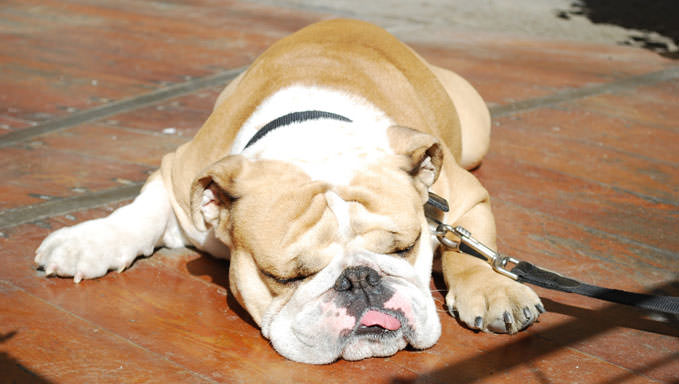
18. English Bulldog
English Bulldogs are generally compact, sturdy dogs that often enjoy relaxed companionship.
Many prefer shorter walks and moderate activity rather than long-distance exercise.
Their calm appearance and affectionate personalities can make them appealing to people who prefer a less athletic companion.
However, Bulldogs have important health considerations. Their short facial structure can contribute to breathing difficulties and heat intolerance.
They should be protected from overheating and excessive exertion.
A Bulldog’s relaxed personality should never be confused with having no care requirements.
19. Havanese
Havanese dogs are cheerful, social companion dogs that often enjoy being involved in family life.
Their small size makes them convenient for many homes, while their playful personalities can keep owners entertained.
Havanese tend to appreciate human companionship and can form strong bonds with their families.
They still need training, exercise, grooming, and mental stimulation.
Their coat requires regular care, and owners should also consider how the dog will cope with being alone if the household is empty for long periods.
What Actually Makes a Dog Well-Mannered?
Breed tendencies can provide useful clues, but they aren’t a guarantee of behavior.
A well-mannered dog is usually the result of several factors working together.
Early Socialization
Dogs benefit from positive, age-appropriate exposure to people, environments, sounds, handling, and other experiences.
Good socialization isn’t about forcing a dog to interact with everything. It is about helping them develop confidence while keeping experiences safe and positive.
Consistent Training
Dogs need clear expectations.
Teaching behaviors such as sitting politely, walking on a loose leash, coming when called, settling on a bed, and waiting at doors can make everyday life easier.
Appropriate Exercise
A dog with unmet physical and mental needs may have difficulty settling.
Exercise should be appropriate for the dog’s age, health, breed tendencies, and individual fitness.
Reward-Based Training
Rewarding behaviors you want to see repeated can help dogs understand what earns positive outcomes.
Food, toys, play, praise, and access to preferred activities can all be useful rewards depending on the individual dog.
Good Management
Training isn’t the only solution.
Managing the environment can prevent dogs from repeatedly practicing unwanted behaviors.
For example, keeping food out of reach can prevent counter surfing while you teach an alternative behavior.
Are Calm Dogs Always Well-Mannered?
Not necessarily.
A calm dog can still pull on the leash, ignore cues, bark at visitors, or steal food.
Likewise, an energetic dog can be extremely well trained.
“Manners” are learned behaviors, while energy level is part of a dog’s individual temperament and needs.
This distinction is important when choosing a dog.
You should look for a combination of temperament and care requirements that fits your lifestyle rather than assuming a calm-looking breed will automatically be easy to manage.
How to Choose a Well-Mannered Dog for Your Family
If good household behavior is a priority, consider these questions before bringing a dog home:
- How much exercise can I provide every day?
- How much time can I dedicate to training?
- Do I prefer a quiet or vocal dog?
- Can I manage the breed’s grooming requirements?
- How will the dog behave around children?
- Do I already have other pets?
- Can I provide appropriate mental stimulation?
- Can I afford routine and unexpected veterinary care?
- Does the dog’s size suit my home?
- Am I willing to continue training throughout the dog’s life?
If you’re adopting an adult dog, ask the shelter or rescue organization about the dog’s behavior, history, energy level, and interactions with people and other animals.
Frequently Asked Questions
What is the most well-mannered dog breed?
There isn’t one breed that is automatically the most well-mannered. Individual temperament, socialization, training, environment, and health all influence behavior.
Are well-mannered dogs easier to train?
Some breeds are particularly responsive to training, but every dog is an individual. Consistent reward-based training can help dogs learn appropriate household behaviors.
Are large dogs harder to manage?
Not necessarily, but their size can make certain behavior problems more difficult to handle. Teaching manners early is particularly important with large and giant breeds.
Are small dogs naturally better behaved?
No. Small dogs can be energetic, vocal, stubborn, or reactive just like larger dogs. Their small size doesn’t determine their behavior.
Which dogs are good family companions?
Many breeds can become excellent family companions when their temperament and needs fit the household. Golden Retrievers, Labrador Retrievers, Cavaliers, Poodles, Havanese, and other breeds can all be worth considering, but individual dogs should be evaluated as well.
Can an adult dog learn better manners?
Absolutely. Adult dogs can continue learning throughout their lives. Training may need to account for established habits, previous experiences, health, and individual motivation.
Final Thoughts
A well-mannered dog doesn’t simply happen because of its breed.
Cavalier King Charles Spaniels, Golden Retrievers, Labrador Retrievers, Poodles, Shih Tzus, Bernese Mountain Dogs, Basset Hounds, Shetland Sheepdogs, Irish Setters, Beagles, Whippets, Great Danes, Boston Terriers, Pugs, Cocker Spaniels, Newfoundlands, Dachshunds, English Bulldogs, and Havanese all have characteristics that may appeal to people looking for a pleasant household companion.
But breed tendencies are only part of the picture.
Training, socialization, exercise, environment, health, genetics, and individual personality all contribute to how a dog behaves.
If you’re searching for a dog with good manners, don’t focus only on the breed name. Look for a dog whose temperament, energy level, size, and care requirements fit your household, and be prepared to build good behavior through patient, consistent training.
After all, even the most naturally easygoing dog still needs to learn that the dinner table is not a personal buffet.






Leave a comment