




Dog ownership trends change as people’s lifestyles change. Apartment living, active outdoor hobbies, busy family schedules, and increased exposure to dogs through movies and social media can all influence which breeds catch people’s attention.
Some breeds are especially noticeable because they combine distinctive appearances with qualities such as intelligence, trainability, affection, or adaptability. Others are becoming better known simply because more people are discovering their unique histories and personalities.
The breeds below have attracted growing interest among dog lovers for a variety of reasons. They range from energetic working dogs to compact companions and family-friendly breeds.
Keep in mind that popularity doesn’t necessarily mean a breed is suitable for everyone. Every dog has individual needs, and prospective owners should consider exercise, training, grooming, temperament, health, and living arrangements before choosing a breed.
1. Vizsla
The Vizsla is an athletic Hungarian breed known for its elegant appearance, affectionate personality, and strong desire to stay close to its people.
Originally developed as a hunting companion, the Vizsla has plenty of energy and usually enjoys activities such as running, hiking, swimming, retrieving, and dog sports.
One of the breed’s appealing characteristics is its short coat, which generally requires less grooming than the coats of many long-haired breeds.
Why people are drawn to Vizslas:
- Affectionate and people-oriented
- Athletic and energetic
- Short, relatively easy-care coat
- Intelligent and eager to participate
- Well suited to active households
However, their energy and need for companionship mean Vizslas aren’t ideal for owners looking for a low-activity dog.
2. Shiba Inu
The Shiba Inu has become highly recognizable thanks to its fox-like appearance, expressive face, and distinctive personality.
Originally from Japan, the Shiba Inu is an intelligent and independent breed. It can be affectionate with its family while maintaining a degree of self-confidence that makes it different from more people-dependent companion dogs.
Shibas can adapt to smaller homes when their exercise and mental stimulation needs are met, but they shouldn’t be considered effortless apartment pets.
Shiba Inu characteristics include:
- Compact size
- Distinctive appearance
- Independent personality
- Intelligent nature
- Generally clean and attentive grooming habits
Early socialization and consistent training are particularly important because Shiba Inus can be strong-willed.
3. Australian Shepherd
The Australian Shepherd is a highly intelligent herding breed known for its striking coat patterns, athletic ability, and enthusiasm for learning.
Despite the name, the breed was developed primarily in the United States. Australian Shepherds have strong working instincts and often excel in activities such as agility, obedience, herding, and other dog sports.
They can make wonderful companions for active owners who have time to provide both exercise and mental challenges.
Why Australian Shepherds attract owners:
- Highly intelligent
- Athletic and energetic
- Often eager to learn
- Excellent for dog sports
- Strong working heritage
Their intelligence can also become a challenge if they are bored. Regular training and enrichment are important parts of responsible ownership.
4. Belgian Malinois
The Belgian Malinois is a highly capable working dog known for its intelligence, athleticism, focus, and determination.
The breed is widely associated with police, military, detection, and other demanding working roles. This exposure has introduced the Malinois to a much wider audience.
However, its impressive working abilities can sometimes lead people to underestimate how demanding the breed can be as a household pet.
A Belgian Malinois typically needs considerable exercise, structured training, mental stimulation, and an owner who understands working-dog behavior.
Key traits:
- Exceptional intelligence
- Strong work ethic
- Athletic build
- High energy
- Excellent trainability
This is generally a breed to research carefully rather than choose simply because of its impressive appearance or working reputation.
5. Pembroke Welsh Corgi
The Pembroke Welsh Corgi has attracted generations of dog lovers with its short legs, long body, expressive face, and lively personality.
Despite their small stature, Corgis are working dogs with a history of herding livestock. They can be energetic, intelligent, and surprisingly athletic.
Their size makes them manageable in many homes, but they still need daily activity and mental stimulation.
Corgi highlights:
- Compact but active
- Intelligent
- Playful personality
- Strong working heritage
- Usually highly engaging with their families
Their tendency to herd can sometimes show up as chasing or nipping behavior, particularly without appropriate training.
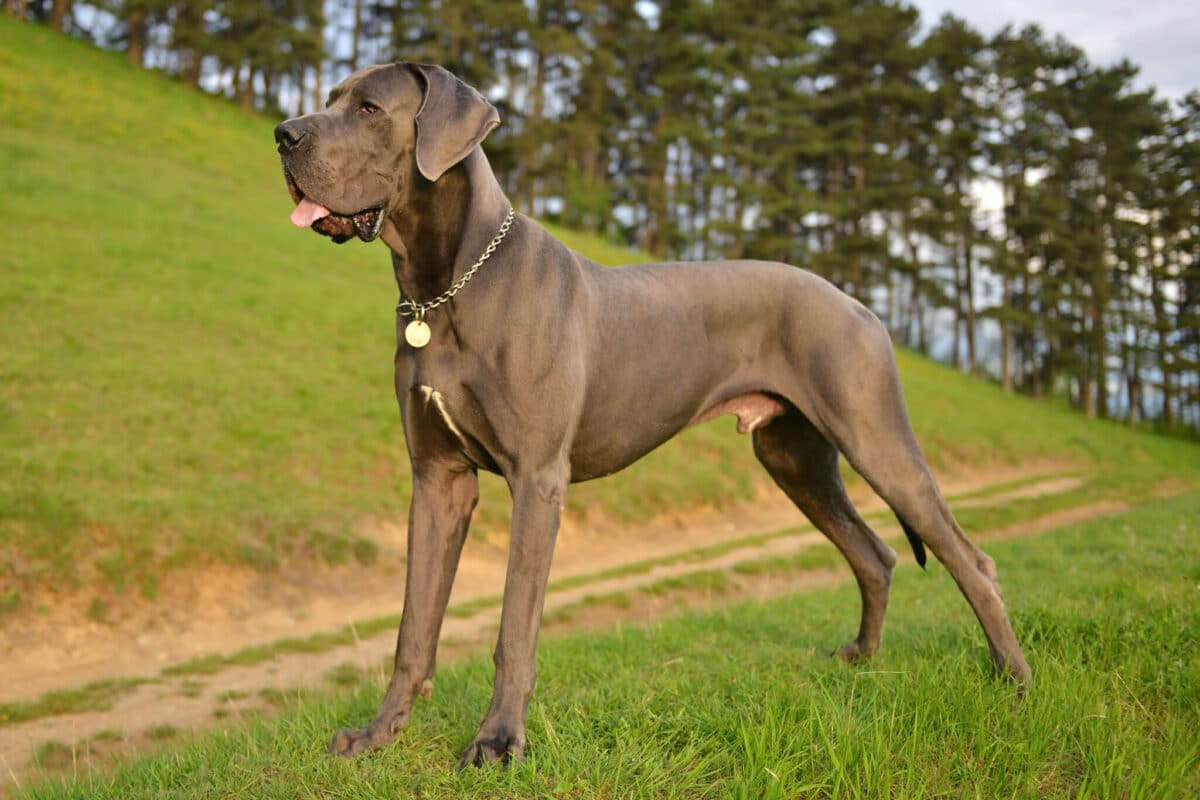
6. Great Dane
The Great Dane demonstrates that popularity isn’t limited to small or medium-sized dogs.
Known as one of the tallest dog breeds, Great Danes have an imposing appearance but are often described by owners as affectionate and gentle companions.
They generally don’t require the same amount of intense exercise as some smaller working breeds, although they still need regular walks and appropriate activity.
Why Great Danes appeal to dog lovers:
- Remarkable size
- Often gentle and affectionate
- Short, relatively easy-care coat
- Strong family bonds
- Calm personality in many individuals
Their enormous size means owners need to consider living space, food costs, transportation, veterinary expenses, and other practical requirements.
7. French Bulldog
The French Bulldog has become one of the most recognizable companion breeds, particularly in cities and urban communities.
Its compact body, distinctive ears, and affectionate personality make it appealing to people looking for a smaller companion.
French Bulldogs generally don’t need the same amount of exercise as high-energy working breeds. However, owners should be aware that their short muzzle can be associated with breathing and heat-tolerance concerns.
French Bulldog advantages:
- Compact size
- Affectionate personality
- Generally adaptable
- Moderate exercise needs
- Distinctive appearance
Because of their health considerations, prospective owners should prioritize responsible breeding and veterinary care rather than choosing solely based on appearance.
8. Goldendoodle
Goldendoodles are crosses between Golden Retrievers and Poodles and have become widely recognized for their friendly personalities and curly or wavy coats.
Their popularity is partly linked to the characteristics people hope to combine from both parent breeds, including intelligence, sociability, and trainability.
However, because Goldendoodles are mixed-breed dogs, their appearance, coat, shedding level, size, and temperament can vary considerably.
Goldendoodle traits that attract owners:
- Often friendly and social
- Intelligent
- Usually enjoys training
- Can have a low-shedding coat
- Available in different sizes depending on breeding
It’s important to remember that no dog is completely hypoallergenic, and a Goldendoodle’s coat doesn’t guarantee that someone with allergies will have no reaction.
9. Shetland Sheepdog
The Shetland Sheepdog, often called a Sheltie, is a small herding breed with a reputation for intelligence, responsiveness, and devotion.
Shelties can excel in obedience, agility, herding, and other activities that challenge both their minds and bodies.
Their long, beautiful coats are one of their most recognizable features, although that appearance comes with regular grooming requirements.
Sheltie characteristics:
- Highly intelligent
- Responsive to training
- Athletic
- Affectionate with family
- Well suited to dog sports
They can also be vocal, so prospective owners should consider whether frequent barking would be suitable for their living environment.
10. Miniature Schnauzer
The Miniature Schnauzer is a compact and energetic breed recognized by its distinctive beard, eyebrows, and wiry coat.
Originally developed as a working farm dog, the breed is generally lively, intelligent, and adaptable.
Its relatively small size makes it suitable for many homes, provided it receives enough exercise and attention.
Why Miniature Schnauzers remain popular:
- Compact size
- Distinctive appearance
- Intelligent and trainable
- Energetic and playful
- Often suitable for various home environments
Their coat is often described as low-shedding, but regular grooming is still necessary.
11. Lagotto Romagnolo
The Lagotto Romagnolo is an Italian breed with an unusual and fascinating history.
Traditionally associated with water retrieving, the breed later became particularly famous for its ability to search for truffles using its excellent sense of smell.
Lagottos are intelligent, active, and affectionate. Their curly coats also give them a distinctive appearance.
Lagotto Romagnolo traits include:
- Excellent sense of smell
- Intelligent
- Energetic
- Affectionate
- Distinctive curly coat
- Strong working ability
Their intelligence means they benefit from activities that give them something interesting to do. Scent games and training can be particularly rewarding.
12. Portuguese Water Dog
The Portuguese Water Dog is an athletic, intelligent breed historically associated with fishermen and water-related work.
These dogs were used for tasks such as retrieving objects, carrying messages, and helping fishermen with various jobs.
Today, Portuguese Water Dogs can make active and affectionate family companions when their exercise and training needs are met.
Their curly or wavy coat is often low-shedding, but it still requires regular maintenance.
Portuguese Water Dog highlights:
- Intelligent and trainable
- Athletic
- Loves activities involving water
- Often affectionate and social
- Low-shedding coat
They tend to do best with owners who can provide regular exercise and mental stimulation.
Why Are Some Dog Breeds Becoming More Popular?
There are several reasons certain breeds attract increased attention.
Social Media and Popular Culture
Dogs with distinctive appearances or entertaining personalities can quickly become popular online. Photos, videos, and viral content can introduce millions of people to breeds they may never have encountered before.
Urban Living
People living in apartments and cities may look for breeds that can comfortably fit into smaller homes. However, size alone isn’t enough—energy level and temperament are equally important.
Interest in Active Lifestyles
As more people participate in hiking, running, camping, and dog sports, athletic breeds can become more appealing to owners who want a canine activity partner.
Interest in Low-Shedding Coats
Some owners specifically look for breeds that shed less because of cleaning preferences or allergies. However, low-shedding does not mean maintenance-free, and no breed is guaranteed to be allergy-free.
Distinctive Appearance
Some breeds simply stand out. A unique coat, unusual body shape, striking face, or recognizable personality can contribute to increased public interest.
How to Choose a Dog Beyond Popularity
A popular breed isn’t automatically the right breed for your household.
Before bringing home a dog, ask yourself:
- How much exercise can I provide every day?
- How much time can I dedicate to training?
- Am I comfortable with regular grooming?
- How much space do I have?
- Are there children or other pets in the home?
- Can I afford routine and unexpected veterinary care?
- How much time will the dog spend alone?
- Does the breed’s temperament fit my lifestyle?
- Can I meet its mental stimulation needs?
Choosing based on lifestyle compatibility can help create a better long-term relationship between you and your dog.
Frequently Asked Questions
What dog breeds are becoming more popular?
Breeds such as Vizslas, Shiba Inus, Australian Shepherds, Belgian Malinois, Corgis, Great Danes, French Bulldogs, Goldendoodles, Shelties, Miniature Schnauzers, Lagotto Romagnolos, and Portuguese Water Dogs have attracted significant attention for different reasons. Popularity varies by country and changes over time.
Are popular dog breeds easier to own?
Not necessarily. Some highly popular breeds have demanding exercise, grooming, training, or health needs. Researching the breed’s complete care requirements is more important than its popularity.
Which of these breeds are good for active families?
Vizslas, Australian Shepherds, Belgian Malinois, Shetland Sheepdogs, Lagotto Romagnolos, and Portuguese Water Dogs can be particularly appealing to active households, although individual exercise requirements vary.
Which breeds are suitable for apartment living?
Some smaller breeds can adapt to apartments, but size alone doesn’t determine suitability. Shiba Inus, French Bulldogs, Miniature Schnauzers, and Corgis can potentially live in apartments when their exercise, training, and enrichment needs are met.
Are Goldendoodles hypoallergenic?
No dog can be guaranteed to be completely hypoallergenic. Goldendoodles may shed less depending on their coat, but coat characteristics vary and people with allergies can still react to them.
Final Thoughts
The growing interest in these dog breeds reflects just how diverse modern dog ownership has become. Some people want an energetic hiking partner, others prefer an intelligent dog for training and sports, while many simply want a loving companion that fits their everyday routine.
From the athletic Vizsla and Australian Shepherd to the compact Shiba Inu and Miniature Schnauzer, each breed brings something different to the table.
Instead of choosing a dog simply because it is trending, take time to understand its personality, exercise requirements, grooming needs, training demands, and potential health considerations.
The best dog for your household is the one whose needs you can consistently meet—not necessarily the one receiving the most attention online.







Leave a comment