





Choosing a dog is about more than appearance or size. Temperament, trainability, energy level, and the ability to adapt to your household can all influence how well a dog fits into everyday family life.
Some breeds are especially known for being responsive to training, affectionate with their people, and generally easygoing when their physical and mental needs are met. However, every dog is an individual, and good behavior also depends on early socialization, consistent training, exercise, and responsible care.
Here are 20 dog breeds often appreciated for their friendly personalities, intelligence, loyalty, or generally manageable temperaments.
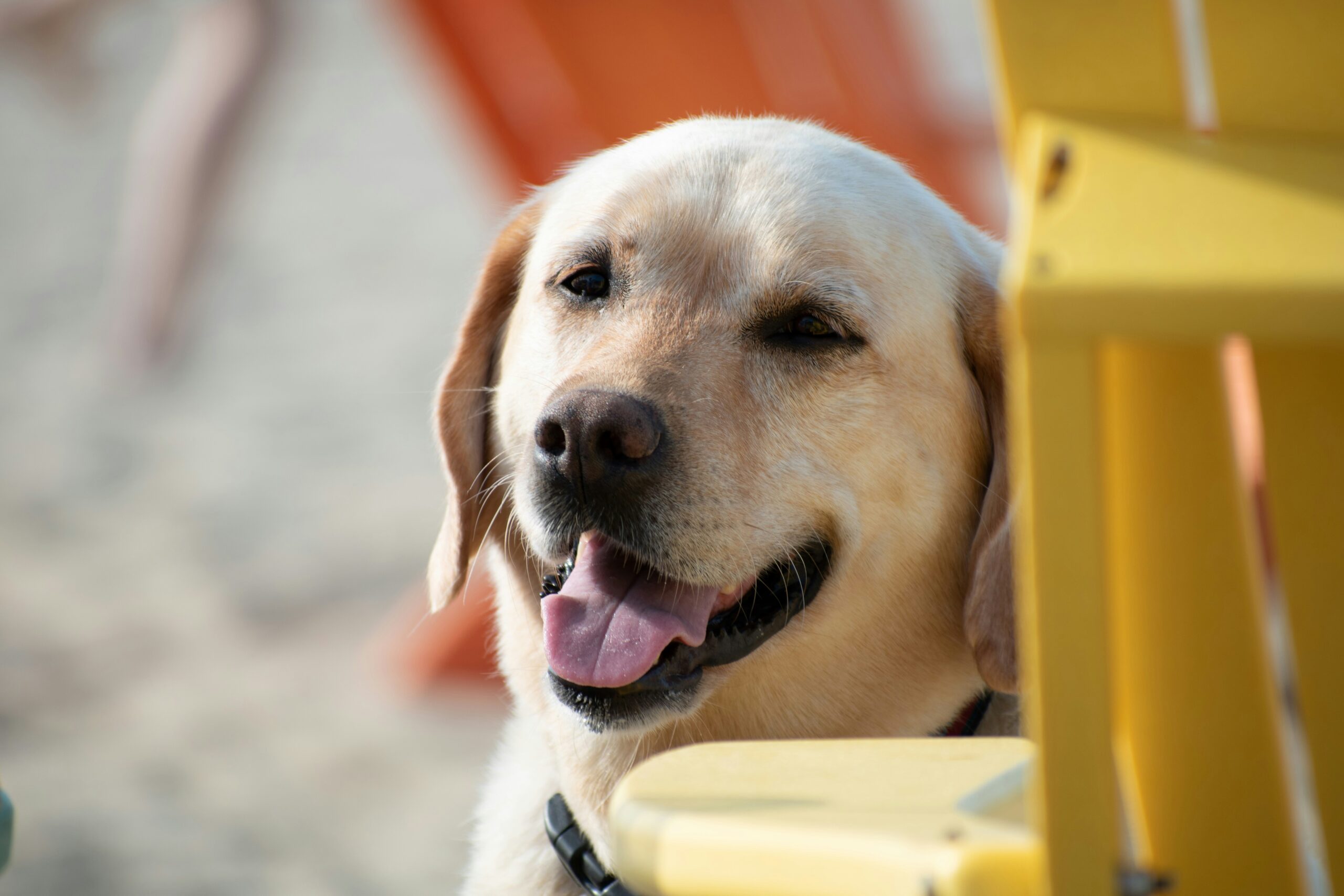
1. Labrador Retriever
Labrador Retrievers are intelligent, affectionate, and eager to participate in family life. Their willingness to learn has made them popular in service work, assistance roles, detection work, and many dog sports.
They tend to enjoy spending time with people and can make enthusiastic companions for active households. Labradors usually benefit from regular exercise, training, and interactive activities that give their busy minds something to do.
Their combination of friendliness, trainability, and adaptability has helped make them one of the world’s most popular companion breeds.
2. Golden Retriever
Golden Retrievers are widely known for their friendly and people-oriented personalities. They often form close bonds with their families and generally enjoy participating in activities with their humans.
Their eagerness to please can make training rewarding, particularly when positive reinforcement is used consistently. Golden Retrievers can also excel in obedience, therapy, assistance, and other working roles.
Although they have a reputation for being easygoing, they still need daily exercise, mental stimulation, and social interaction to thrive.
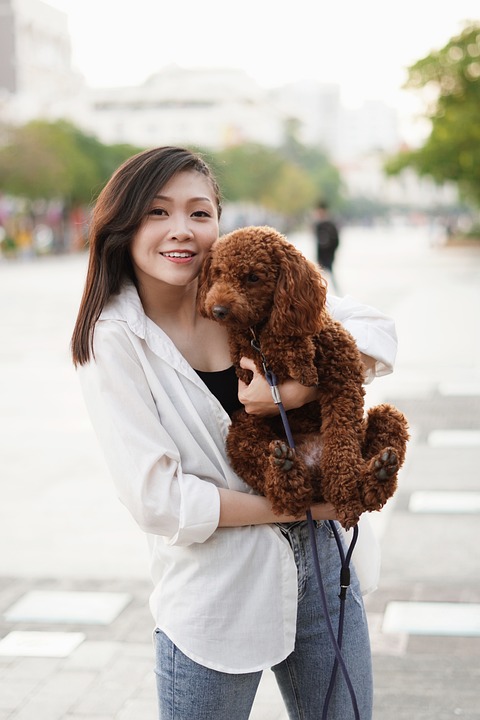
3. Poodle
Poodles are highly intelligent dogs with a strong ability to learn new behaviors and routines. Their intelligence and athleticism allow them to participate successfully in obedience, agility, and other activities.
They are available in Standard, Miniature, and Toy varieties, giving prospective owners different size options while retaining many of the breed’s characteristic traits.
Poodles can be affectionate and adaptable, but their intelligence means they need regular mental stimulation. Training games, puzzle toys, and learning new skills can help keep them engaged.
4. Cavalier King Charles Spaniel
The Cavalier King Charles Spaniel is a small companion breed known for its affectionate and gentle personality. Cavaliers often enjoy staying close to their owners and participating in family activities.
Their willingness to interact with people can make positive-reinforcement training enjoyable. Many Cavaliers are also comfortable around other dogs when properly socialized.
They can adapt to different homes, but they still need regular walks, playtime, companionship, and appropriate mental stimulation.
5. Border Collie
Border Collies are famous for their intelligence, focus, and ability to learn complex tasks. Originally developed for herding, they are naturally attentive and responsive to their handlers.
Their intelligence can make them exceptionally trainable, but it also means they are not usually a low-effort breed. A Border Collie needs substantial physical exercise and mental challenges.
Obedience training, agility, scent activities, herding work, and interactive games can help channel their energy in productive ways.
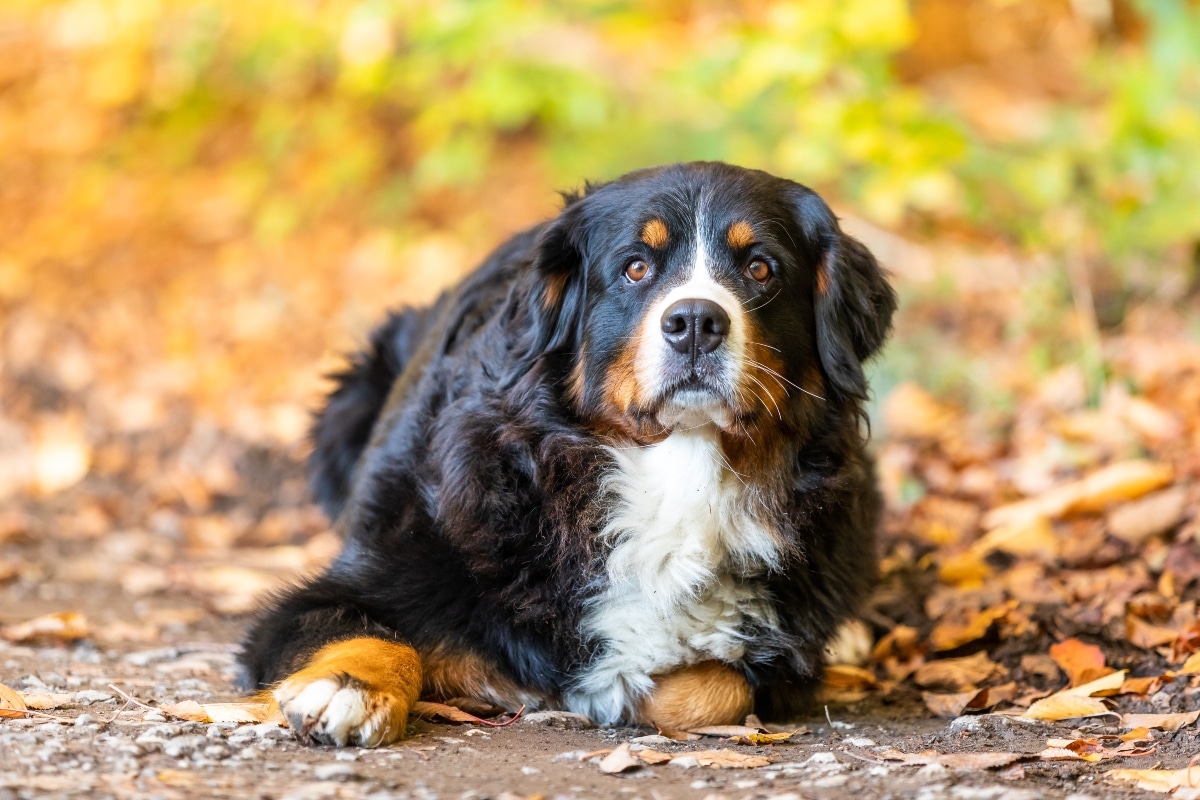
6. Bernese Mountain Dog
Bernese Mountain Dogs are often described as gentle, affectionate, and devoted companions. Their calm presence can make them appealing to families looking for a larger dog with a softer temperament.
They often develop strong bonds with their people and may enjoy simply being near the family.
Because of their size and thick coat, Bernese Mountain Dogs need appropriate exercise, grooming, and comfortable living conditions. Training and socialization from an early age can also help them become confident companions.
7. Beagle
Beagles are cheerful, social dogs with a strong sense of curiosity. Their history as scent hounds means they naturally enjoy following interesting smells and investigating their surroundings.
Many Beagles are friendly with people and can do well with other dogs when properly introduced and socialized.
Their independent streak can sometimes make training more challenging, particularly when an interesting scent captures their attention. Consistent training and engaging activities can help keep them focused.
8. Shih Tzu
Shih Tzus were developed primarily as companion dogs and often enjoy spending plenty of time with their humans.
Their affectionate personalities can make them suitable for households looking for a smaller companion. They may enjoy cuddling, short walks, indoor games, and relaxed family time.
Like every breed, Shih Tzus benefit from early socialization and positive training. Their coat also requires regular grooming to remain healthy and comfortable.
9. Boxer
Boxers are energetic, playful, and strongly attached to their families. Their enthusiasm can make them wonderful companions for people who enjoy an active lifestyle.
With consistent training and sufficient exercise, Boxers can learn household manners and become responsive companions. They are often alert and protective of their families without needing to be encouraged toward excessive guarding behavior.
Training should begin early, particularly because their strength and enthusiasm can become difficult to manage without appropriate boundaries.
10. Newfoundland
Newfoundlands are large dogs famous for their gentle reputation. They are often patient and affectionate with their families and can have a remarkably calm presence despite their impressive size.
Their history as working water dogs contributed to their strength and swimming ability.
Because of their size, early training and socialization are especially important. Newfoundlands also need regular grooming, appropriate exercise, and plenty of space to move comfortably.
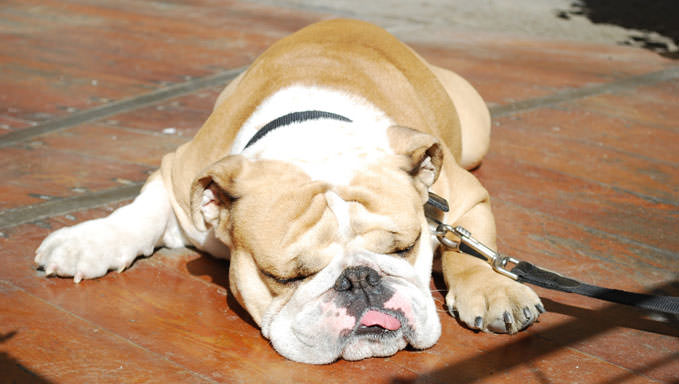
11. English Bulldog
English Bulldogs are generally known for their relaxed and easygoing personalities. Many enjoy spending time indoors with their families and are happy to alternate between short periods of activity and plenty of rest.
Their affectionate nature can make them enjoyable household companions.
However, Bulldogs are not completely maintenance-free. Their body structure can make heat and strenuous exercise challenging, so owners should provide appropriate activity and avoid overheating.
12. Shetland Sheepdog
Shetland Sheepdogs, or Shelties, are intelligent and responsive dogs that often form close relationships with their owners.
Their herding background contributes to their attentiveness and ability to respond quickly to training. They can excel in obedience, agility, and other canine activities.
Shelties are also alert and may be vocal, so early training can help owners manage barking and other behaviors. Regular mental stimulation is particularly important for this intelligent breed.
13. Collie
Collies are known for their intelligence, sensitivity, and devotion to their families. Their working background as herding dogs gave them a natural ability to pay attention to people and respond to direction.
A well-socialized Collie can be a gentle and affectionate family companion.
They benefit from regular exercise and mental stimulation, but many are also capable of settling down comfortably at home after their needs have been met.
14. Vizsla
Vizslas are athletic, affectionate dogs that often develop exceptionally strong bonds with their owners. They tend to enjoy staying involved in whatever their humans are doing.
Their intelligence and willingness to work can make training enjoyable, particularly for active owners.
However, Vizslas are not typically a calm, low-energy breed. They need plenty of exercise and interaction. When their needs are properly addressed, they can be responsive and well-mannered companions.
15. Maltese
Maltese dogs are small companion dogs known for their affectionate and people-oriented personalities.
Their compact size can make them suitable for a variety of living situations, provided they receive appropriate exercise and attention. Many enjoy relaxing with their owners as much as they enjoy short play sessions.
Regular grooming is important because of their long, flowing coat. Positive training and early socialization can also help them develop confident household manners.
16. Australian Shepherd
Australian Shepherds are highly intelligent working dogs with strong problem-solving abilities. They often learn commands quickly and enjoy activities that give them a job to do.
Obedience, agility, herding activities, trick training, and puzzle games can provide valuable outlets for their energy.
Their intelligence and work ethic also mean that they may become bored without enough activity. They are generally better suited to active households that can provide consistent physical and mental stimulation.
17. Bichon Frise
The Bichon Frise is a cheerful small breed known for its affectionate and sociable personality. Many Bichons enjoy interacting with people and can adapt well to different household environments.
Their eagerness to engage with their owners can make positive-reinforcement training effective and enjoyable.
They still need regular exercise, play, grooming, and companionship. Consistent routines can help them become confident and well-adjusted household pets.
18. Irish Setter
Irish Setters are energetic, friendly dogs that often thrive with families who enjoy outdoor activities.
They are playful and people-oriented, and their willingness to interact can make training enjoyable. Because of their energy, however, they need plenty of opportunities to run, explore, play, and learn.
A well-exercised Irish Setter is more likely to settle comfortably at home. Consistent training and socialization are important for helping these enthusiastic dogs develop good manners.
19. Papillon
Don’t let the Papillon’s small size fool you. These dogs are remarkably intelligent and can learn a wide range of behaviors and tricks.
Papillons often perform well in obedience and agility activities because they are quick learners and enjoy interacting with their handlers.
They can adapt well to different homes, but they still need exercise, play, training, and mental stimulation. Their small size does not mean they should be treated as purely decorative companions.
20. Havanese
Havanese dogs are affectionate, cheerful companions that generally enjoy being around their people.
Their social nature can make them a good match for households looking for a small dog that enjoys interaction and family activities. They can also learn household routines and basic training through positive reinforcement.
Havanese still need appropriate exercise, grooming, playtime, and socialization. Because they often form close bonds with their owners, teaching them to spend comfortable periods alone can also be useful.
What Makes a Dog Well-Behaved?
Breed tendencies can provide useful clues, but breed alone does not determine behavior. A dog’s upbringing and individual personality can be just as important.
Several factors can contribute to good household manners:
Early Socialization
Carefully introducing a puppy to different people, environments, sounds, surfaces, and appropriate dogs can help build confidence.
Consistent Training
Dogs generally learn best when household rules are clear and training is consistent. Reward-based training can help reinforce behaviors owners want to see more often.
Appropriate Exercise
A dog with unmet physical needs may have difficulty settling down. Exercise should be appropriate for the dog’s age, health, breed tendencies, and fitness level.
Mental Stimulation
Training sessions, scent games, food puzzles, interactive toys, and new experiences can help prevent boredom.
Predictable Routines
Many dogs benefit from knowing when they can expect meals, walks, play, rest, and training.
Individual Temperament
Two dogs of the same breed can behave very differently. Genetics, early experiences, training, environment, health, and personality all influence behavior.
Are Calm Dogs Always Easy to Care For?
Not necessarily.
A dog can be calm indoors but still require considerable grooming, training, exercise, or veterinary care. Likewise, an energetic breed can become a well-mannered household companion when its needs are properly met.
For example, a Border Collie may be exceptionally obedient but require much more mental stimulation than a naturally relaxed companion breed.
The best match depends on your lifestyle rather than simply choosing a breed described as “calm.”
How to Encourage Good Behavior in Any Dog
Regardless of breed, owners can encourage better manners by:
- Using consistent training cues
- Rewarding desirable behavior
- Providing daily physical activity
- Offering appropriate mental enrichment
- Socializing dogs gradually and positively
- Teaching impulse-control skills
- Avoiding punishment-based approaches that can create fear or confusion
- Giving dogs an appropriate place to rest
- Keeping routines reasonably predictable
- Addressing sudden behavior changes with a veterinarian
Good behavior is usually something that develops through a combination of genetics, environment, training, and daily care.
Choosing the Right Dog for Your Lifestyle
Instead of looking only for the “best-behaved” breed, consider what you can realistically provide.
Ask yourself:
- How much daily exercise can I provide?
- How much time will my dog spend alone?
- Do I want a small, medium, or large dog?
- How much grooming am I comfortable doing?
- Do I have children or other pets?
- Am I prepared for puppy training?
- Do I prefer an energetic activity partner or a quieter companion?
- Can I provide ongoing training and enrichment?
- What type of living environment do I have?
Answering these questions can help narrow your choices far more effectively than breed reputation alone.
Final Thoughts
Labrador Retrievers, Golden Retrievers, Poodles, Cavalier King Charles Spaniels, Bernese Mountain Dogs, Newfoundlands, and many other breeds are often appreciated for their friendly, trainable, or gentle characteristics.
However, there is no single breed that is automatically perfect for every home. Even dogs known for calm or obedient temperaments need proper socialization, exercise, training, enrichment, and consistent care.
When choosing a dog, look beyond a breed’s reputation and consider the individual dog’s personality and whether its needs fit your lifestyle. With the right match and responsible training, many different breeds can become loving, well-mannered members of the family.







Leave a comment