




Bringing home a puppy is an exciting experience. Their playful behavior, curious personality, and endless energy can quickly make them an important part of the family.
But puppies are also still developing. Their immune systems, bones, teeth, digestive systems, and behavior are all changing rapidly, which means they can be vulnerable to a variety of health problems.
Knowing what to watch for can help you recognize potential problems early and seek veterinary care when necessary.
From parasites and infectious diseases to digestive problems, skin conditions, and growing pains, here are some of the common health concerns every new puppy owner should understand.
1. Intestinal Worms and Other Parasites
Parasites are a common concern in young puppies.
Roundworms, hookworms, whipworms, and other intestinal parasites can affect a puppy’s digestive system and overall health. Puppies can also be exposed to external parasites such as fleas and ticks.
Depending on the parasite, signs may include:
- Diarrhea
- Vomiting
- Poor weight gain
- A swollen-looking abdomen
- Dull or poor-quality coat
- Itching or skin irritation
- Visible worms or parasite material in stool
- Pale gums or weakness in more serious cases
Some parasites can cause significant illness, particularly in very young puppies.
Your veterinarian can recommend an appropriate parasite-control and deworming plan based on your puppy’s age, lifestyle, geographic location, and risk factors.
Don’t give your puppy over-the-counter parasite medication without checking that it is appropriate for their age and weight.
2. Infectious Diseases
Young puppies are particularly vulnerable to infectious diseases because their immune protection is still developing.
Some of the most important diseases veterinarians work to prevent include canine parvovirus and canine distemper.
Parvovirus can cause severe gastrointestinal illness, including vomiting, diarrhea, dehydration, and loss of appetite. Distemper can affect multiple body systems and can be life-threatening.
Vaccination is one of the most important parts of preventive puppy care.
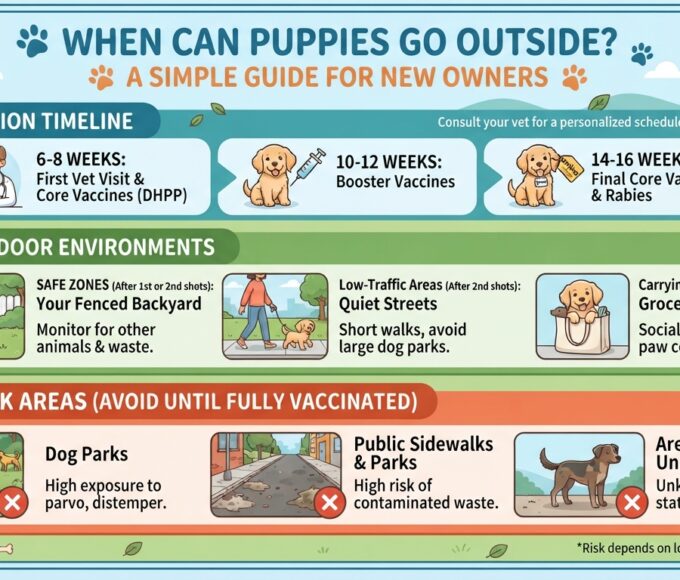
AAHA’s canine vaccination guidelines recommend starting the core puppy vaccination series at approximately 6–8 weeks of age, with additional doses given at intervals of about 2–4 weeks until the puppy is at least 16 weeks old. The exact plan should be determined by a veterinarian based on the puppy’s age, health, local disease risks, and vaccination history.
Until your puppy has appropriate protection, your veterinarian may also recommend avoiding certain high-risk environments where unvaccinated dogs gather.
3. Digestive Problems
Puppies often investigate the world with their mouths.
That can mean eating things they shouldn’t, chewing on household objects, changing foods too quickly, or simply having sensitive digestive systems.
Mild digestive upset can sometimes occur during changes in diet or routine, but persistent vomiting or diarrhea should not be ignored.
Contact your veterinarian if your puppy:
- Has repeated vomiting
- Develops persistent or severe diarrhea
- Has blood in vomit or stool
- Refuses food or water
- Becomes unusually tired
- Shows signs of dehydration
- Has a swollen or painful abdomen
- May have swallowed a foreign object
Young puppies can become seriously dehydrated or weak more quickly than adult dogs, so it’s better to seek veterinary advice when symptoms are significant or persistent.
4. Fleas and Ticks
Fleas can cause intense itching and skin irritation, while ticks can transmit diseases.
A puppy with fleas may scratch frequently, bite at its skin, or develop areas of redness and irritation.
Heavy flea infestations can be particularly concerning in small puppies because significant blood loss can contribute to anemia.
Ticks may be harder to notice because they can hide beneath fur or attach in less visible areas.
Regularly checking your puppy and using veterinarian-recommended parasite prevention can help reduce these risks.
The appropriate product depends on the puppy’s age, weight, health status, and location, so ask your veterinarian before using a flea or tick treatment.
5. Skin Problems and Allergies
Puppies can develop several types of skin problems.
Fleas and other parasites are common causes of itching, but environmental allergies, food-related reactions, infections, and other conditions can also affect the skin.
Possible signs include:
- Excessive scratching
- Licking or chewing the paws
- Red skin
- Hair loss
- Scabs
- Recurrent ear problems
- Unusual odor
- Bumps or rashes
It’s important not to assume every itchy puppy has a food allergy.
A veterinarian can examine the skin and determine whether parasites, infection, allergies, or another condition may be responsible.
6. Respiratory Infections
Puppies can develop respiratory infections, particularly when exposed to groups of other dogs.
Coughing, sneezing, nasal discharge, watery eyes, tiredness, or reduced appetite may indicate a respiratory illness.
Some infections can be relatively mild, while others can become more serious.
Young puppies can also be particularly vulnerable to complications, so a persistent cough or difficulty breathing deserves veterinary attention.
When Breathing Becomes an Emergency
Difficulty breathing should never be treated as a minor symptom.
Seek urgent veterinary care if a puppy is struggling to breathe, has blue or gray gums or tongue, collapses, or appears severely distressed.
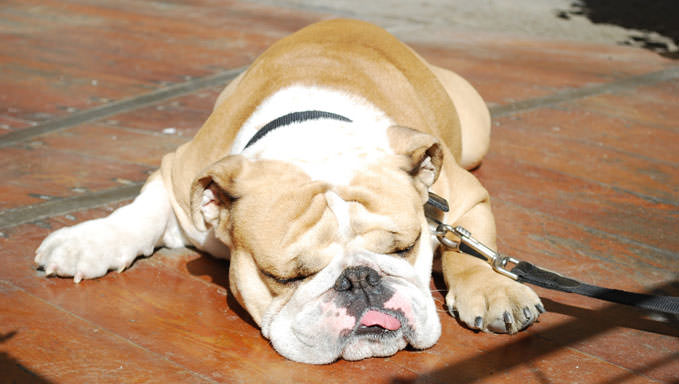
This is especially important with brachycephalic breeds such as Pugs and Bulldogs, which can have anatomical features that make breathing more difficult.
7. Orthopedic and Growing Problems
Puppies go through rapid physical development, and some are more susceptible to orthopedic problems than others.
Large and giant breeds can be particularly vulnerable to certain developmental orthopedic conditions.
Hip dysplasia and elbow dysplasia are examples of conditions that can affect dogs as they grow.
Signs can include:
- Limping
- Difficulty getting up
- Reluctance to climb stairs
- Reduced willingness to play
- An unusual gait
- Pain after exercise
- Difficulty jumping or running
Not every puppy with an orthopedic problem will show obvious symptoms immediately.
Providing an appropriate diet, maintaining a healthy body condition, avoiding excessive high-impact activity during development, and following veterinary guidance can support healthy growth.
If your puppy develops persistent lameness or appears painful, arrange a veterinary examination.
8. Dental Problems
Puppies begin losing their baby teeth as their adult teeth develop.
During this period, chewing can increase significantly.
Teething may cause sore gums, increased chewing, drooling, or a temporary change in eating habits.
It’s also a good time to introduce your puppy to regular dental care.
Teaching a puppy to accept gentle tooth brushing from an early age can make future dental care much easier.
Avoid giving extremely hard objects that could damage teeth, and ask your veterinarian which dental products are appropriate for your puppy.
Regular veterinary examinations can also help identify retained baby teeth, abnormal tooth development, or other oral problems.
9. Ear Infections
Puppies can develop ear problems for several reasons, including moisture, allergies, parasites, or bacterial and yeast overgrowth.
Watch for:
- Frequent head shaking
- Scratching at the ears
- Redness
- Swelling
- Unusual odor
- Discharge
- Sensitivity when the ear is touched
If your puppy repeatedly develops ear problems, don’t simply clean the ears more frequently without finding the underlying cause.
Your veterinarian can examine the ear canal and determine what treatment is appropriate.
10. Low Blood Sugar in Very Small Puppies
Very young or exceptionally small puppies can be vulnerable to hypoglycemia, meaning their blood sugar becomes abnormally low.
This can happen when a puppy isn’t eating adequately, becomes ill, experiences stress, or has other underlying problems.
Warning signs can include:
- Weakness
- Extreme tiredness
- Shaking
- Poor coordination
- Collapse
- Seizure
Hypoglycemia can be an emergency.
If a very small puppy becomes suddenly weak, shaky, unresponsive, or collapses, contact a veterinarian immediately rather than trying to manage the situation at home.
11. Accidental Poisoning
Puppies are naturally curious, and curiosity can get them into trouble.
Household substances, medications, certain foods, cleaning products, chemicals, and some plants can be dangerous to dogs.
Common household hazards should be kept securely out of reach.
Pay particular attention to medications, cleaning products, pesticides, and foods that may be toxic to dogs.
If you suspect your puppy has swallowed something potentially dangerous, don’t wait for symptoms to appear. Contact a veterinarian or an appropriate animal poison service immediately and provide information about what was consumed, how much may have been eaten, and when it happened.
12. Swallowing Foreign Objects
Puppies love chewing, and sometimes they swallow pieces of toys, clothing, socks, plastic, bones, or other objects.
A swallowed object can potentially cause an intestinal blockage.
Warning signs may include:
- Repeated vomiting
- Loss of appetite
- Abdominal pain
- Lethargy
- Difficulty passing stool
- A swollen abdomen
- Repeated attempts to vomit
If you know your puppy swallowed an object, contact your veterinarian promptly.
Don’t assume that a small object will always pass safely.
Prevention is also important. Choose puppy-safe toys and supervise chewing whenever possible.
13. Behavioral and Emotional Problems
Not every puppy health concern is physical.
Puppies are learning how to interact with people, animals, environments, and everyday experiences.
Fear, anxiety, excessive biting, destructive chewing, inappropriate elimination, and difficulty being alone can all occur during puppyhood.
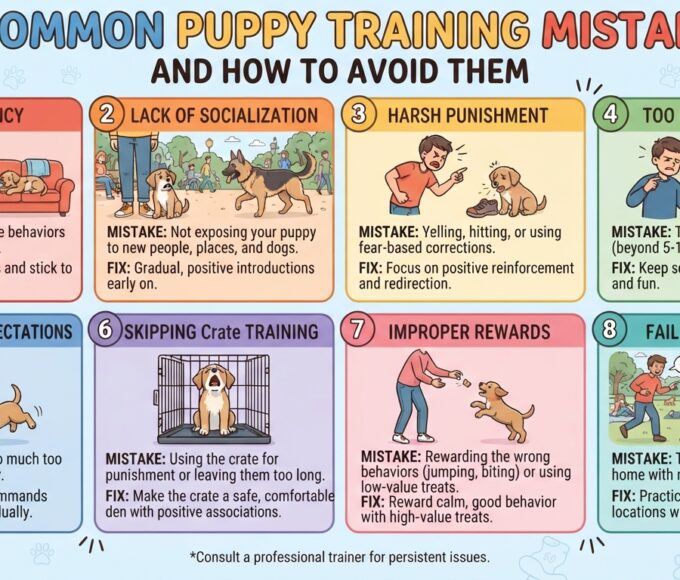
Early socialization and reward-based training can help puppies develop confidence and learn appropriate behaviors.
However, punishment-based approaches can create fear and make some behavioral problems worse.
If your puppy displays severe fear, aggression, separation-related distress, or another concerning behavior, ask your veterinarian or a qualified behavior professional for guidance.
14. Heat-Related Illness
Puppies can become overheated when exposed to high temperatures, especially during strenuous activity or in poorly ventilated environments.
Signs of heat-related illness can include:
- Heavy or abnormal panting
- Excessive drooling
- Weakness
- Confusion
- Vomiting
- Collapse
- Seizures
Never leave a puppy inside a parked car, even for a short period.
During hot weather, provide access to fresh water, shade, ventilation, and a cool environment. Avoid intense exercise during the hottest part of the day.
If you suspect heatstroke, seek emergency veterinary care immediately.
15. Poor Nutrition or Improper Feeding
Nutrition plays an important role in healthy puppy development.
Puppies have different nutritional requirements from adult dogs, and large-breed puppies can have particularly specific dietary needs.
Choose a complete and balanced puppy diet appropriate for your dog’s life stage and expected adult size.
Avoid making major dietary changes suddenly.
It’s also important not to overfeed a growing puppy simply because they always seem hungry. Excessive weight gain can put unnecessary stress on developing joints.
Your veterinarian can help determine an appropriate feeding plan based on your puppy’s breed, age, size, growth rate, and health.
How Often Should a Puppy See a Veterinarian?
Puppies typically need several veterinary visits during their first months of life.
These appointments aren’t just about vaccines.
Your veterinarian can monitor:
- Weight and growth
- Body condition
- Development
- Parasite prevention
- Vaccination status
- Dental development
- Nutrition
- Behavior
- Overall health
The exact schedule varies depending on the puppy’s age, medical history, vaccination needs, and local risks.
Rather than following a fixed schedule copied from another puppy, ask your veterinarian to create a preventive-care plan specifically for your dog.
How Can You Protect Your Puppy From Illness?
Many puppy health problems can be reduced through good preventive care.
Some of the most important habits include:
- Keep vaccinations up to date.
- Follow your veterinarian’s parasite-prevention recommendations.
- Feed a complete and balanced puppy diet.
- Maintain a healthy body condition.
- Provide age-appropriate exercise.
- Puppy-proof your home.
- Keep medications and chemicals securely stored.
- Introduce dental care early.
- Socialize your puppy safely and gradually.
- Monitor changes in appetite, energy, stool, breathing, and behavior.
- Schedule regular veterinary examinations.
Vaccination plans should be individualized according to the puppy’s lifestyle and disease exposure risk rather than treated as a one-size-fits-all schedule.
When Should You Call the Vet?
Some symptoms deserve prompt veterinary attention.
Contact your veterinarian if your puppy develops persistent vomiting or diarrhea, refuses food, becomes unusually lethargic, develops ongoing coughing, has unexplained weight loss, or appears painful.
Seek emergency care for signs such as:
- Difficulty breathing
- Collapse
- Seizures
- Severe weakness
- Blue, gray, or very pale gums
- Severe abdominal swelling
- Repeated unproductive attempts to vomit
- Suspected poisoning
- A potentially dangerous swallowed object
- Severe bleeding
Puppies can deteriorate quickly, so don’t wait for a minor-looking problem to become severe when your instincts tell you something isn’t right.
Frequently Asked Questions
How often should a puppy visit the veterinarian?
Puppies generally need multiple veterinary visits during their first months for examinations, vaccinations, parasite control, nutrition advice, and developmental monitoring. The exact schedule depends on the puppy’s age and individual needs.
When should puppies receive their first vaccines?
Core puppy vaccinations commonly begin around 6–8 weeks of age, followed by additional doses every 2–4 weeks until at least 16 weeks of age. Your veterinarian should determine the appropriate schedule for your puppy.
How do I know if my puppy has worms?
Possible signs include diarrhea, poor growth, vomiting, a swollen abdomen, or visible worms. However, some puppies with parasites show few obvious symptoms. Veterinary fecal testing and an appropriate parasite-control plan are important parts of puppy care.
What should I feed my puppy?
Feed a complete and balanced puppy food appropriate for your dog’s life stage and expected adult size. Puppies with specific medical or nutritional needs may require a different plan, so discuss feeding with your veterinarian.
Is diarrhea normal in puppies?
Occasional mild digestive upset can happen, but diarrhea should not automatically be considered normal. Persistent, severe, bloody, or accompanied-by-vomiting diarrhea requires veterinary attention, particularly in a young puppy.
Can puppies get sick even after vaccination?
Vaccines greatly reduce the risk of important infectious diseases, but no medical intervention provides absolute protection. Puppies also require multiple doses during the initial vaccination period because maternal antibodies can interfere with early immune responses.
Final Thoughts
Puppyhood is an important period of growth and development, and learning to recognize common health concerns can help you give your new companion the best possible start.
Parasites, infectious diseases, digestive problems, skin conditions, dental issues, orthopedic concerns, injuries, and behavioral challenges can all affect young dogs.
The good news is that preventive care can make a significant difference.
Keep your puppy’s vaccinations and parasite prevention up to date, provide appropriate nutrition and exercise, puppy-proof your home, and maintain regular veterinary care.
Most importantly, pay attention to changes in your puppy’s normal behavior. You know your puppy’s everyday habits better than anyone, and noticing something unusual early can help your veterinarian identify a problem before it becomes more serious.
A healthy puppy doesn’t just need food and affection—it needs preventive care, safe experiences, and a veterinary team that can help guide them through every stage of growth.






Leave a comment